




98.2% Copper Recovery Settles B26's Flowsheet Question, Not Its Cost


Flotation testwork at B26 returned 98.2% copper recovery to a 23.7% copper concentrate, and Abitibi Metals cautions the result sets no capital cost outcome.
- Flotation on a composite from B26's copper zone recovered 98.2% of the copper into a first-stage concentrate grading 23.7% copper.
- Fast flotation in the copper zone points to low residence-time requirements.
- The composite tested was larger and more representative than the material available in earlier studies.
- Zinc flotation testwork, cleaner testing, and locked-cycle testing are still outstanding, and no results have been reported.
- Final metallurgical results feed a preliminary economic assessment (PEA) targeted for the first quarter of 2027.
What Has Happened
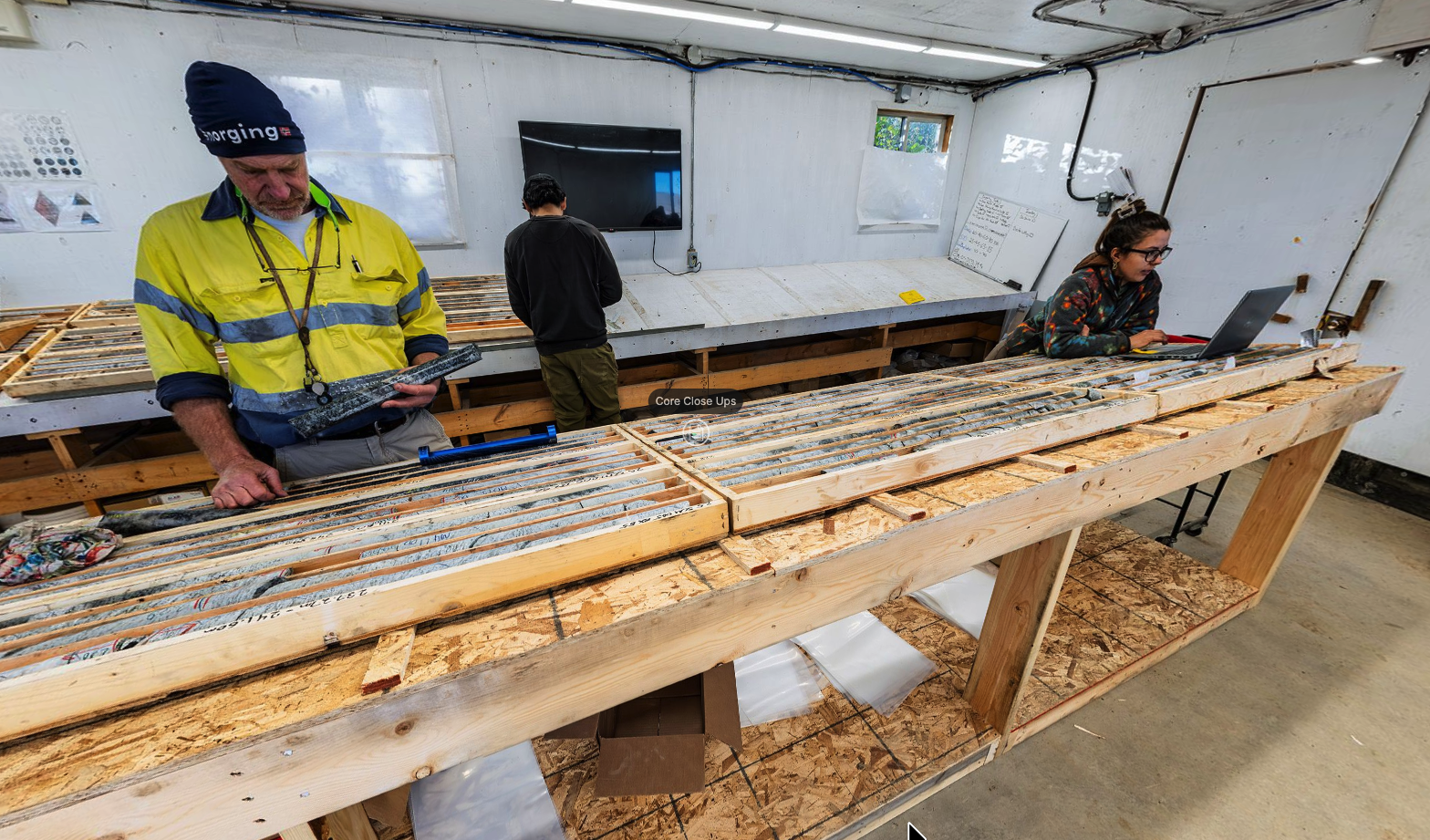
Abitibi Metals (CSE: AMQ | OTCQB: AMQFF | FSE: FW0) has reported the first results from the metallurgical development program on its B26 polymetallic deposit in Quebec. SLR Consulting ran the work at its mineral processing facility in Cornwall, UK, on a composite sample collected from across the deposit's copper zone. Flotation recovered 98.2% of the copper into a first-stage concentrate grading 23.7% copper, using laboratory-scale equipment. The copper zone floated rapidly, and these rapid flotation kinetics indicate low residence-time requirements, suggesting a very simple flotation circuit design.
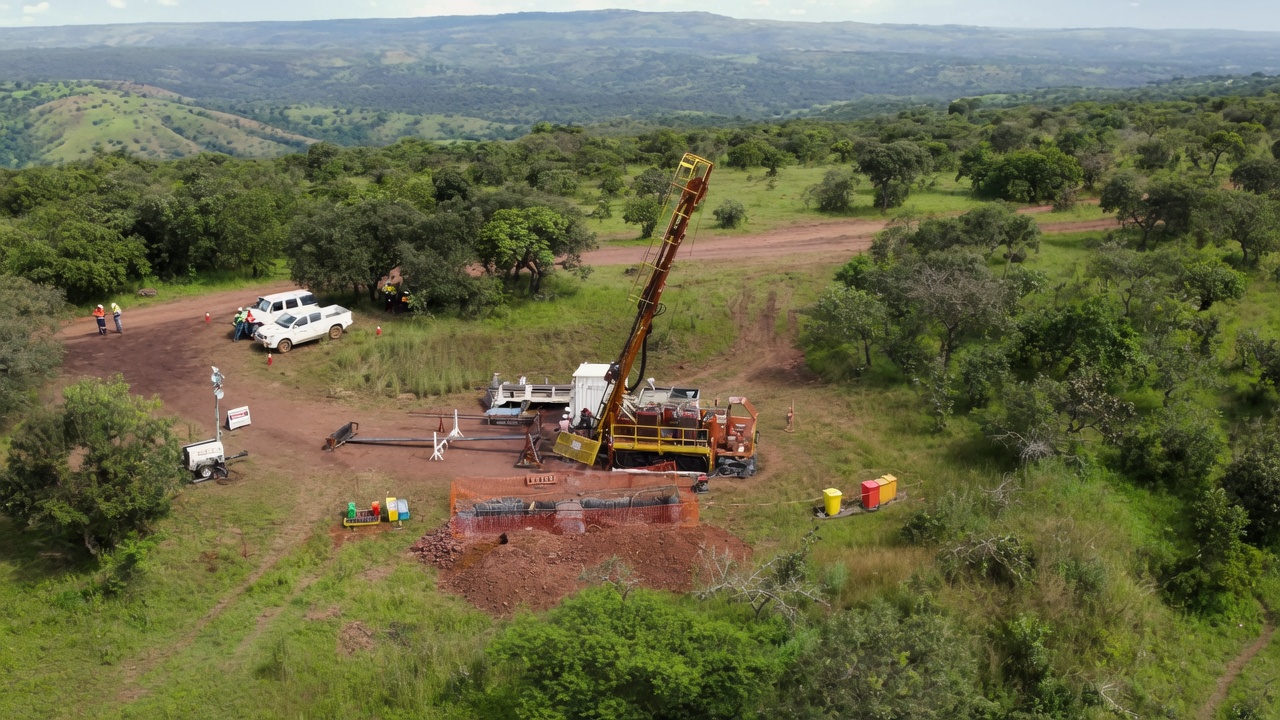
Gold and silver recoveries came in line with previous testwork and are undergoing additional optimization, while zinc zone flotation testwork continues. The final results go into a preliminary economic assessment (PEA), the study that estimates costs and outlines a mine plan for the deposit. As of August 19, 2026, 3 drill rigs were active on a 40,000-meter drill program running in parallel.
What the Flotation Numbers Measure
The two headline figures do different jobs. Recovery describes the fraction of the copper in the feed that ends up in the concentrate; 98.2% is that fraction. Concentrate grade describes how rich the product is, and 23.7% copper is the grade of a rougher concentrate, the output of the first bank of flotation cells, before any cleaning stage upgrades it further. Both came off laboratory-scale equipment rather than a plant.
Two other observations describe how the ore behaves in a mill. The results followed a coarse primary grind, which means the ore did not have to be reduced to a fine powder before flotation. Rapid flotation kinetics mean the copper minerals report to the concentrate quickly, so the cells holding the slurry need less residence time, the minutes each parcel of ore has to spend in them.
Those readings come with limits. Initial and rougher flotation results may not be indicative of final metallurgical recoveries, laboratory performance may not be replicated at commercial scale, and the composite tested may not be representative of the deposit as a whole. Abitibi Metals also cautions that observations on flowsheet simplicity, flotation residence time, and process plant configuration may not translate into the process design, capital cost, or operating cost outcomes the PEA ultimately determines. A simple-looking circuit is a processing observation at this stage.
How the Result Compares With Earlier Work
The program's contribution is the sample, not the number. The testwork independently confirms the metallurgical performance demonstrated during earlier testing, using larger and more representative composite samples collected from across the B26 deposit than were available for those earlier studies. A good recovery figure from a small sample can reflect one cooperative part of an ore body; the same figure repeated on a larger, better-distributed composite is harder to explain that way.
The material tested came from the dominant part of the deposit. The copper-gold stringer zone, a network of mineralized veinlets, hosts 85% of B26, with the balance in a parallel zinc-silver massive sulfide body, a dense, continuous sulfide layer. Within the resource estimate, the copper zone accounts for 9.29 million metric tons of indicated resource at 1.60% copper and 11.82 million metric tons of inferred resource at 1.67% copper.
Across all zones, B26 held an indicated resource of 12.96 million metric tons at 2.08% copper equivalent and an inferred resource of 12.34 million metric tons at 2.20% copper equivalent as of January 1, 2026, a combined 25.3 million metric tons at 2.1% copper equivalent on assumptions of US$4.50 per pound for copper and US$2,500 per ounce for gold. Both the copper equivalent grades and the underground cut-off grade, an in-situ value of US$100 per metric ton, were struck after an assumed processing recovery, so the published economics of the deposit rest on an assumption at that point in the flowsheet. Flotation testwork supplies the measurement behind that assumption, and so far, only for the copper zone.
What the Program Has Not Yet Reported
Copper is the part of the flowsheet that has been reported. Zinc zone flotation testwork is ongoing, and cleaner and locked-cycle testwork remains to be completed as of August 19, 2026. Cleaner flotation is the stage that upgrades a rougher concentrate to a saleable product, and a locked-cycle test runs the circuit repeatedly with its recycle streams connected, which is how a laboratory approximates continuous plant operation. Gold and silver recoveries are also being optimized. No figures have been published for any of that work.
The wider program covers the rest of the flowsheet: how the minerals are physically locked together, batch cleaner and locked-cycle flotation testing, a full assessment of the marketability of the final concentrate, and integration of the zinc-rich mineralization into the overall process design. Management says the early results continue to de-risk the project while the optimization work remains underway. What is outstanding is attached to the smaller share of the deposit: the zinc horizon holds 3.27 million metric tons of indicated resource at 4.02% zinc, and a remobilized silver-zinc zone adds 0.40 million metric tons at 2.55% zinc, against the 9.29 million metric tons of indicated copper-zone material.
Chief Executive Officer of Abitibi Metals, Jonathon Deluce, ranks the metals in the order the flowsheet has to treat them:
"B26 is a polymetallic high-grade copper-gold deposit, but we also have the benefit of having a zinc-silver credit."
A credit is a by-product that adds revenue without driving the mine plan, so the zinc circuit ranks behind the copper circuit in the order the flowsheet gets settled.
Broader Context
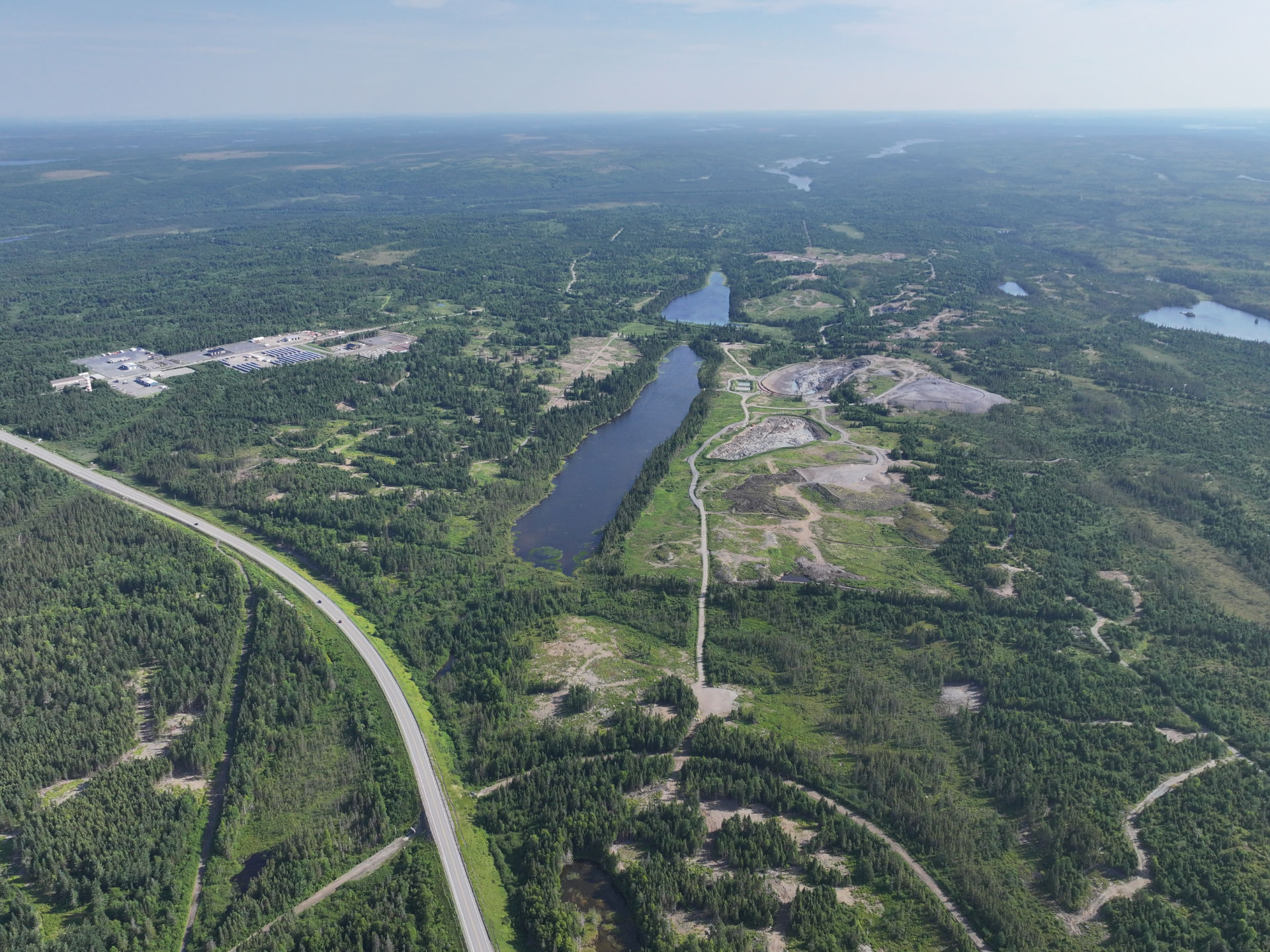
B26 is being tested in a camp that has already run ore through a mill. The deposit lies 7 kilometers southeast of the past-producing Selbaie Mine, which operated for 20 years, and that proximity gives access to infrastructure a greenfield site would have to install. The geology is a volcanogenic massive sulfide system, formed where metal-rich fluids vented onto an ancient seafloor, and later overprinted by an orogenic gold system that introduced gold during regional deformation. The surrounding Abitibi Greenstone Belt offers year-round road access and substantial pre-existing infrastructure.
Deluce attaches the power line crossing the property to what a mine built there would not have to pay for:
"We have a power line that runs through the project substation, which means that this is a lower CapEx opportunity, which increases the potential economics of a project like this, because it's not in the middle of nowhere that you got to run roads, you got to run power."
Capital cost is the up-front cost of building a mine, and an existing power line and substation take one line item out of it. That advantage belongs to the site rather than to the testwork, which produced no cost figure.
On the development side, Chief Operating Officer of Abitibi Metals, Dave Bernier, came to the company from Foran Mining, where he was chief operating officer and led the McIlvenna Bay project into construction. Turning flotation results into a process design and a costed study is development work, and B26 now has a mine builder overseeing it.
What to Watch Next
Three disclosures narrow different parts of the flowsheet. The company will publish the full results of the second-phase metallurgical program once it is complete. Additional metallurgical testing was scheduled to finish during the third quarter of 2026. The final metallurgical results are then incorporated into the PEA, targeted for the first quarter of 2027, with a feasibility study scheduled for the second half of 2027.
The PEA prices these processing observations. Grind size, residence time, and circuit complexity feed the capital and operating estimates, and until that study lands the connection between a simple-looking circuit and a cheaper plant is one that the company has explicitly declined to make.
FAQs (AI-Generated)
Analyst's Notes





Subscribe to Our Channel







Stay Informed






















