




5% Oil Decline and Central Bank FX Defenses Reduce Global Market Stress as India Bond Yields Hold Below $110 Brent


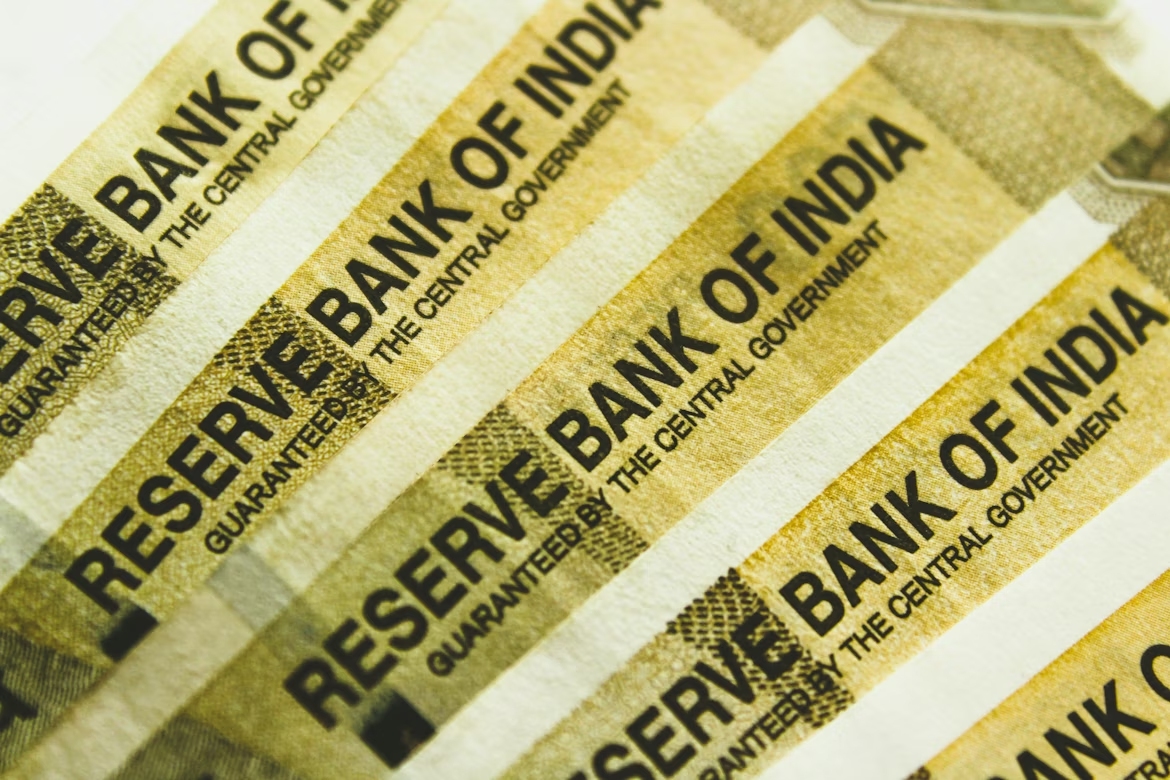
Oil prices fell 5% as RBI FX intervention stabilized the Rupee and India bond yields, reducing global market stress below $110 Brent.
- Brent and WTI crude fell roughly 5%, while the Indian Rupee recovered from record lows after US President Donald Trump said on May 24, 2026, that US-Iran negotiations were progressing, reducing immediate fears of Middle East supply disruption.
- The Reserve Bank of India is using its nearly $700 billion in foreign exchange reserves to supply dollar liquidity and slow Rupee depreciation as higher oil import costs increase domestic demand for US dollars.
- If crude remains below $110 per barrel, IFA Global projects India’s 10-year bond yield will remain between 7.02% and 7.15%, but a renewed oil surge could force the RBI to raise rates to contain imported inflation and capital outflows.
- Retail and institutional investors should avoid trading on unconfirmed diplomatic developments, because failed US-Iran negotiations could rapidly push oil prices higher and trigger broad equity and bond selloffs.
- India’s market stabilization depends on Brent crude remaining below $110 per barrel and the RBI maintaining sufficient dollar liquidity through its May 26, 2026, swap auction; failure on either front would signal deeper financial stress.
US-Iran Negotiations Ease Oil Prices & Relieve India Dollar Liquidity Pressure
Signs of progress in US-Iran negotiations reduced immediate fears of Middle East supply disruptions and pushed oil prices lower. President Trump said negotiations with Iran were progressing, easing short-term supply risk concerns. Following the announcement, WTI and Brent crude futures fell roughly 5% to $91.65 and $98.30 per barrel, respectively. Lower oil prices reduced pressure on emerging-market currencies, with the Indian Rupee recovering from a record low of 96.96 to close at 95.69 against the dollar.
Lower oil prices reduce immediate demand for US dollars from major energy importers such as India, easing pressure on local liquidity and financial markets. The 30% rise in oil prices since the conflict began on February 28 increased India’s import bill, worsening inflation and pressure on the Rupee. Lower oil prices also reduce near-term risks of earnings pressure and capital outflows across Indian equities.
Higher Oil Import Costs Force RBI Currency Market Intervention
India’s dependence on imported oil links Middle East supply disruptions directly to domestic inflation and currency pressure. The conflict reduced Middle Eastern oil exports, forcing major importers such as India to spend more US dollars on crude purchases. To slow further Rupee depreciation and contain rising import costs, the Reserve Bank of India intervened in currency markets. In an interview with Mint, RBI Governor Sanjay Malhotra said the central bank was using its nearly $700 billion in foreign exchange reserves to supply dollar liquidity and limit speculative pressure on the Rupee.
Current currency stabilization measures remain vulnerable to another oil price surge. HDFC Bank economist Sakshi Gupta said that fuel subsidies continue to pressure India’s fiscal balance by limiting the government’s ability to pass higher energy costs to consumers. Market stability now depends on continued progress in US-Iran negotiations. President Trump said that the US was not rushing a deal with Iran, leaving open the risk that failed negotiations could push oil prices and market volatility sharply higher.
Delayed Oil Supply Recovery Raises Risks for Indian Bond Yields
Even if the US and Iran reach an agreement, global oil supply chains would take time to normalize. Abhishek Bisen, head of fixed income at Kotak Mutual Fund, said that the RBI would likely continue buying bonds to support liquidity and limit yield volatility while energy supply chains recover.
If crude remains below $110 per barrel, IFA Global projects the RBI’s currency interventions will keep India’s 10-year bond yield between 7.02% and 7.15%. However, Standard Chartered Bank and MUFG warned that renewed imported inflation could force the RBI to raise interest rates at its June 5, 2026, meeting to prevent capital outflows, increasing recession risk.
Higher Oil Prices Increase Earnings Pressure Across Retail Portfolios
Higher oil prices pressure sectors such as transportation, manufacturing, and airlines because rising fuel costs reduce corporate profit margins. When oil prices surge, higher operating costs reduce earnings and weaken broader equity market performance.
Short-term trading based on developments in US-Iran negotiations carries significant risk for retail market participants. Governments and institutional trading desks receive faster and more detailed information flows than individual investors. Previous negotiations neared resolution before collapsing and driving oil prices sharply higher, exposing short-term traders to sudden losses. Frequent trading also increases brokerage costs and taxes, reducing long-term investment returns.
Brent Crude & RBI Policy Decisions Could Reverse Market Stability
Market stability depends on continued US-Iran negotiations without military escalation and on the RBI maintaining enough foreign exchange reserves to limit Rupee volatility.
Brent crude rising above $110 per barrel would signal that US-Iran negotiations are no longer containing oil supply risks. An emergency RBI rate hike before or during its June 5, 2026, meeting would also indicate that inflation and capital outflow pressures are worsening faster than expected.
Analyst's Notes





Subscribe to Our Channel




Stay Informed


