6 Ways Atomic Eagle's Permitting Milestone Could Expand Its Financing Options


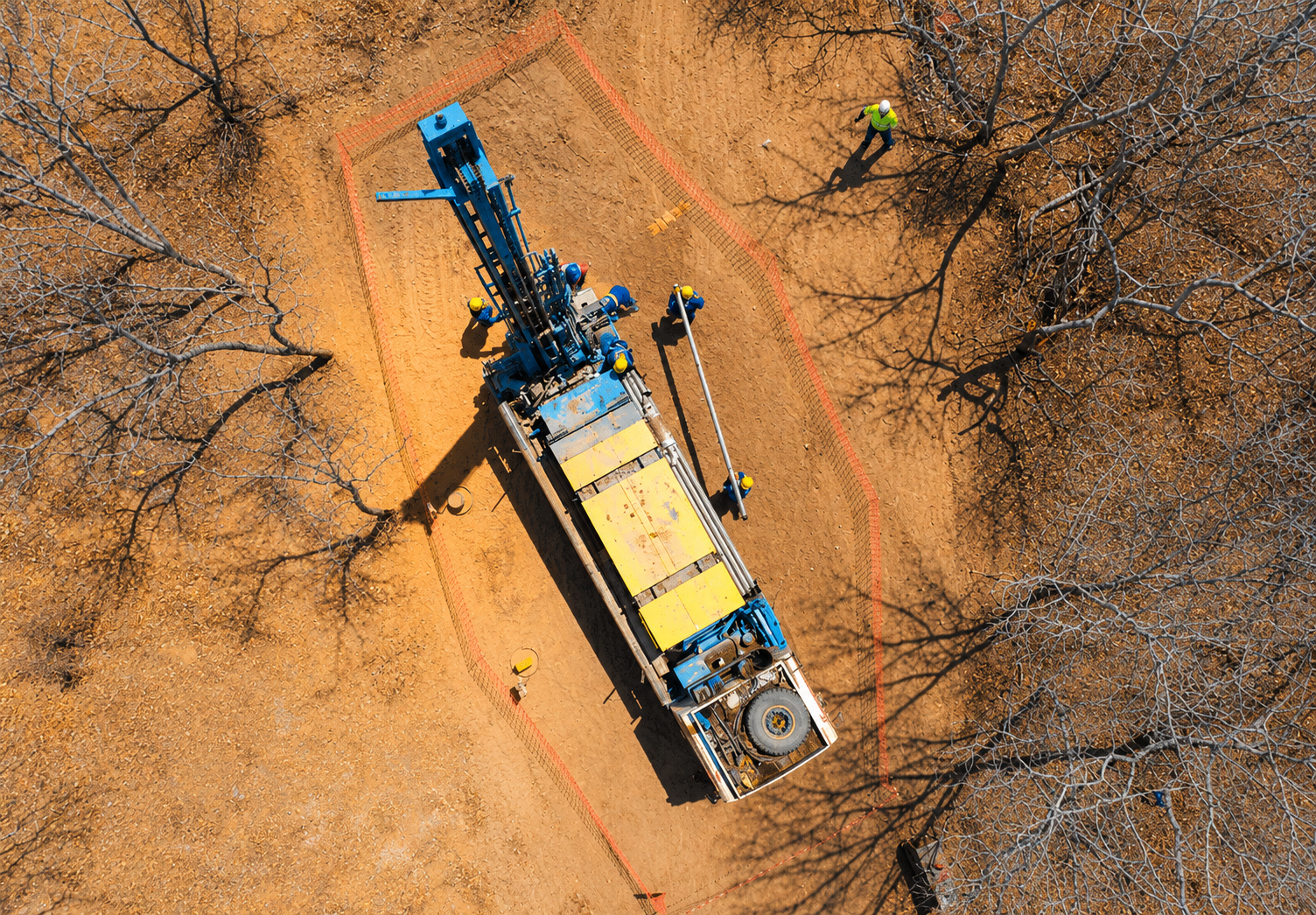
Atomic Eagle’s Muntanga approvals reduce permitting risk and broaden financing options, improving access to debt, strategic capital, and institutional funding.
Project Overview
Atomic Eagle Limited (ASX: AEU | OTCQX: AEUXF) secured dual regulatory approvals for its Muntanga uranium project in Zambia, clearing the 2 cornerstone permits required before construction can commence. The Environmental and Social Impact Assessment (ESIA), approved by the Zambia Environmental Management Agency (ZEMA) on June 4, 2026, and the Resettlement Action Plan (RAP), granted a "No Objection" by Zambia's Office of the Vice President (OVP), confirm that the project's environmental baseline and community resettlement obligations have cleared regulatory scrutiny. The company remains in a resource growth phase, but the sequencing matters: permitting risk has been addressed before the resource base is finalised, thereby expanding the range of financing instruments and counterparty types that Atomic Eagle can credibly engage with.
1. Development-Ready Status Commands a Different Financing Conversation
Assets carrying unresolved permitting risk are priced accordingly by equity markets and project finance desks. Muntanga no longer carries that risk for its primary development footprint.
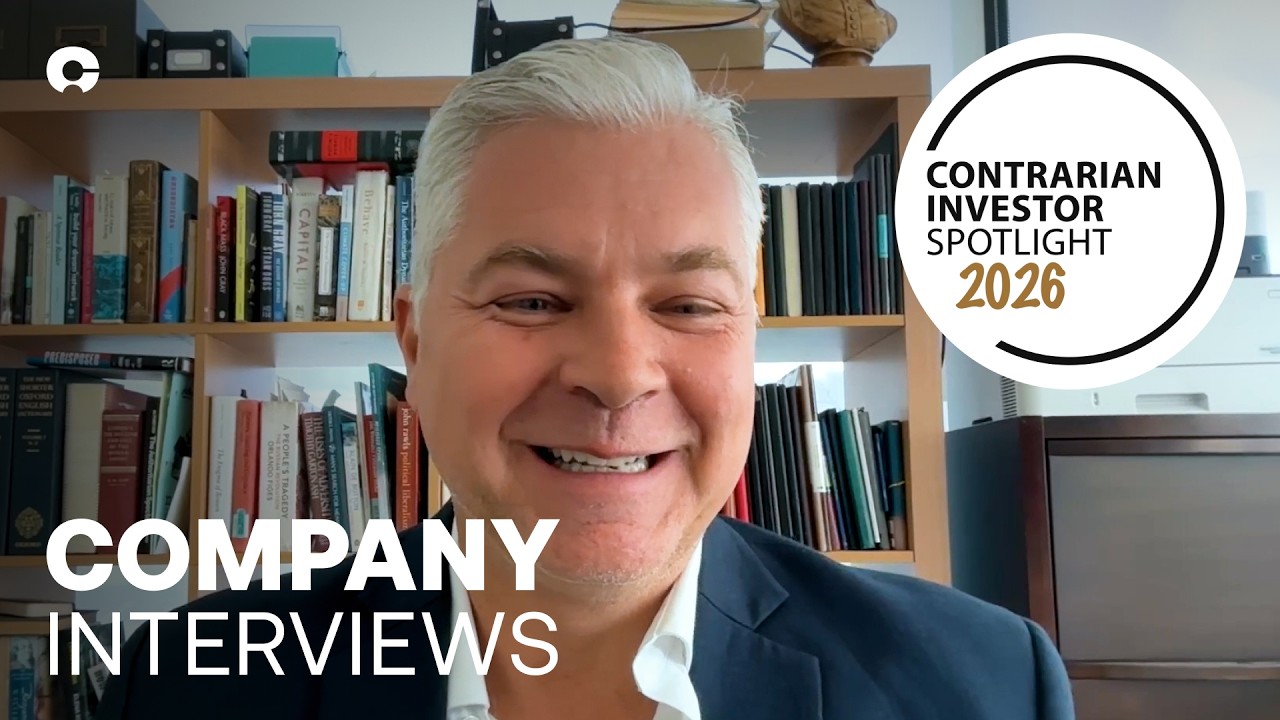
Chief Executive Officer of Atomic Eagle, Phil Hoskins, framed what the approvals mean for the company's market positioning:
"With key permits in place, Muntanga is now positioned as a development-ready asset, an increasingly rare and strategically valuable profile in a uranium market where few projects can deliver new supply into the expected structural deficit."
Development-ready status does not mean construction is imminent. However, the removal of permitting dependency means capital conversations can now proceed on project merit rather than regulatory uncertainty.
2. IFC Alignment Opens Institutional Capital Channels
The RAP was benchmarked against the International Finance Corporation (IFC) Performance Standard 5 on involuntary resettlement and assessed as technically sound and human-rights compliant. That alignment is a prerequisite for engagement with development finance institutions (DFIs) and ESG-mandated institutional funds.
For a project carrying a 58.8 million pound uranium oxide resource with an existing feasibility study (FS), access to even 1 DFI co-lender changes the cost of capital and the credibility signal sent to equity markets.
3. Fraser Institute Ranking Provides Jurisdiction Anchor for Risk Committees
Zambia ranks 3rd within Africa for investment attractiveness and policy perception in the Fraser Institute Survey, providing external validation that the approval process investors just observed is repeatable, not exceptional.
Credit and investment committees applying jurisdiction risk overlays to Muntanga now have a verifiable, third-party reference point. Jurisdictions that combine credible permitting processes with strong Fraser Institute rankings attract a broader set of counterparties than those relying on management's qualitative assurances alone.
4. ESIA Scope Signals Upside Beyond the Current FS Footprint
The approved ESIA covers the Muntanga and Dibbwi East deposits as scoped in the prior FS. Additional deposits, including Dibbwi, Njame, Gwabi, and the newly defined Chisebuka, were considered at a conceptual level but remain subject to further studies and approvals.
That distinction carries a direct financing implication. Hoskins noted that the current resource base already exceeds what the prior study contemplated:
“Almost half of the existing resource wasn't contemplated in that last study. So we know we've already got a critical mass of resources that, subject to infill drilling and metallurgical test work, can feed into a larger-scale project."
Financing structures tied to a larger resource base command better leverage ratios and longer tenor. The current ESIA establishes the regulatory floor; the ongoing 30,000 metre drilling program is building the case for a materially larger approval scope.
5. Permitting Certainty Makes Debt Structuring Possible Earlier
Project finance desks require a clear regulatory pathway before debt-structuring conversations can begin in earnest, and the ESIA approval meets that threshold.
A prior FS also exists, providing the bankable study-level foundation lenders require before credit assessment. Combined with Muntanga's low-capital heap-leach configuration, permitting certainty brings forward the point at which structured debt becomes a credible financing option.
6. Approval Validity Windows Create a Defined Financing Timeline
The ESIA has a 3-year validity period from June 4, 2026, requiring project implementation to commence within that window or the approval lapses. The RAP has an 18-month validity period, during which the company must commence implementation or seek new approval.
These windows create a structured timeline that disciplines both the company's capital allocation and the execution planning of any financing counterparty. The permitting clock is now running, compressing the period of uncertainty that is typically most damaging to junior mining valuations.
What Changes & What to Watch
The dual approvals remove permitting risk from Muntanga's investment risk register at the same time the company is executing its largest exploration program in nearly 20 years. Investors should monitor 3 near-term catalysts: the RAP implementation clearance letter; drill results from the ongoing program, particularly at Chisebuka and Mutanga North; and feasibility study updates expected in 2027. Each milestone either extends or accelerates the financing optionality established by the June 2026 approvals.
Analyst's Notes





Subscribe to Our Channel





Stay Informed