Atomic Eagle's Two Cheap Options: Sitwe & Madaouela Add Upside Without New Equity


Atomic Eagle expands uranium upside with low-cost Sitwe and Madaouela options, strong cash runway and experienced board additions, avoiding near-term equity dilution.
- Atomic Eagle added a second Zambian growth option and continued advancing a legacy Niger asset during the June 2026 quarter, funding both from existing cash rather than new equity.
- The binding option agreement covering the Sitwe Uranium Project caps required expenditure at a minimum of US$200,000 before June 30, 2027, with an exercise price of US$400,000 cash to acquire the license outright.
- The company's Chairman and Chief Executive Officer held discussions with Niger's Ministry of Mines between June 7 and June 15, 2026, toward a new mining convention for the Madaouela Uranium Project, though the negotiations remain non-binding.
- The company made several board appointments during the quarter, including Grant Davey as Non-Executive Chairman and Muna Hantuba as Non-Executive Director. Davey, founder of Boss Energy Limited and Lotus Resources Limited, has also made on-market share purchases in Atomic Eagle.
- Atomic Eagle held A$13.8 million in cash as at June 30, 2026, equating to an estimated 5.60 quarters of funding at the current spend rate, while continuing to fund its core Muntanga drilling program.
Two Options, One Balance Sheet
Atomic Eagle Limited (ASX: AEU | OTCQX: AEUXF) released its June 2026 Quarterly Activities Report on July 28, 2026, showing a company adding two new sources of uranium exposure while preserving balance sheet discipline: both moves were funded from a cash position covering an estimated 5.60 quarters of activity as at June 30, 2026, rather than through new equity. In Zambia, the company signed a binding option agreement to acquire 100% of the Sitwe Uranium Project, a 429-square-kilometer license in the Luangwa Valley. In Niger, the company's Chairman and Chief Executive Officer spent a week in-country negotiating toward the resumption of the Madaouela Uranium Project, a legacy asset acquired through the GoviEx transaction.
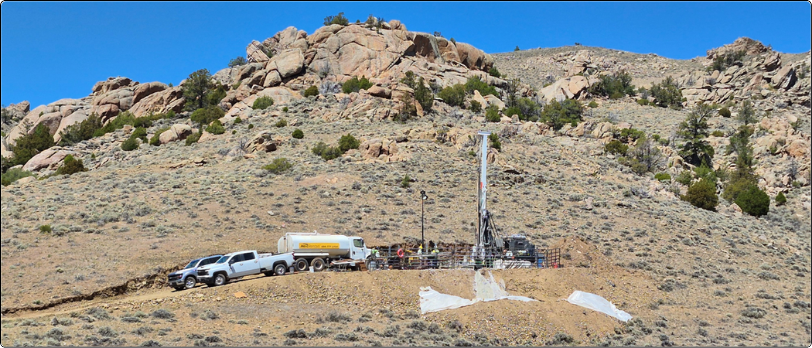
Sitwe and Madaouela are structured differently, but both add potential upside without new capital obligations at this stage. The core Muntanga project, by contrast, continues to absorb the bulk of exploration spend, with A$1.9 million spent during the quarter as drilling advanced at Chisebuka and Muntanga North.
The Sitwe Option: District-Scale Land Package
Sitwe represents a 38% increase in Atomic Eagle's Zambian tenement holdings for a defined cost. Under the option agreement, the company's Zambian subsidiary must spend a minimum of US$200,000 on exploration and license-related expenditure before June 30, 2027, after which it may exercise the option to acquire the license outright for US$400,000 cash. For investors, the structure means the company can test a large new land package for a fixed, modest cost before deciding whether the license is worth acquiring outright.
Historical drilling at Sitwe North returned shallow intercepts including 1 meter at 1,620 parts per million uranium oxide from 35 meters and 6 meters at 735 parts per million uranium oxide from 61 meters, though the company has not yet conducted its own drilling on the project. Sitwe sits in basement-hosted geology distinct from the Karoo sandstone host of Muntanga's existing resource, giving the company exposure to a different structural setting within the same jurisdiction.
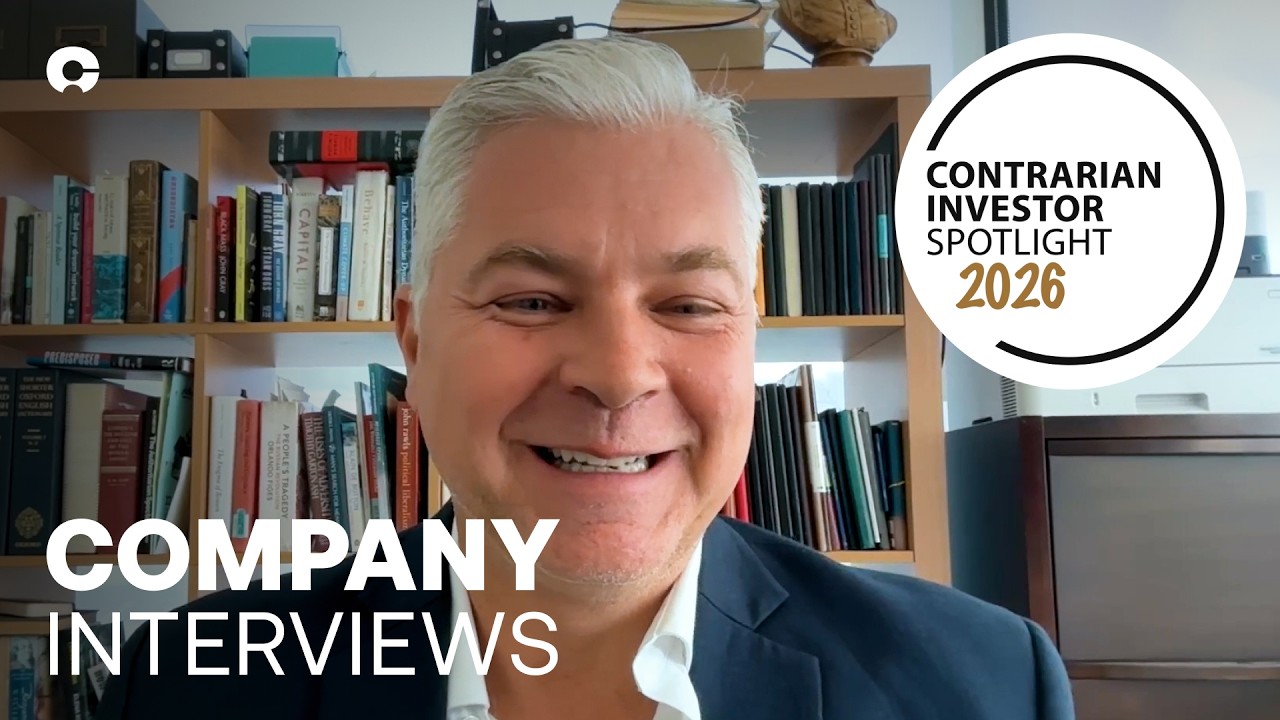
Chief Executive Officer of Atomic Eagle, Phil Hoskins, described the commercial logic behind the acquisition:
"It's a really big license. It's a portfolio asset. It's US$200,000 of exploration to earn the right to buy it for US$400,000."
Initial work at Sitwe is expected to focus on mapping and ground radiometrics, the same targeting sequence the company has applied at Muntanga North, before any decision on drill testing is made.
Madaouela: An Embedded Option, Not the Investment Case
Madaouela differs from Sitwe in structure: rather than a defined expenditure schedule and exercise price, it depends entirely on continued negotiation with Niger's Ministry of Mines. The project's mining permit was withdrawn in July 2024, prompting GoviEx to begin international arbitration before agreeing to suspend that process in February 2025. During the June 2026 quarter, Niger's Ministry of Mines confirmed ongoing talks toward a new mining convention, and the company's Chairman and Chief Executive Officer traveled to Niamey between June 7 and June 15, 2026, for related discussions. Madaouela therefore remains a negotiation-stage asset with no capital committed by Atomic Eagle while talks continue.
If negotiations succeed, the scale on offer is material: the company's corporate presentation lists Madaouela at a total resource of 99.0 million pounds of uranium oxide, comprising 82.4 million pounds Measured and Indicated and 16.7 million pounds Inferred, at a grade of 1,319 parts per million, well above Muntanga's 309 parts per million average grade. Management has been careful to frame this as upside rather than thesis.
Hoskins addressed that distinction directly:
"I think it's always important when talking about this asset to stress that it's option value to the company. It's not why we did the reverse takeover of GoviEx, but we feel heavily undervalued based on 58 million pounds and a developable project in Zambia."
The negotiations remain non-binding and incomplete, and there is no certainty a transaction will be concluded or on what terms.
Capital Markets Credibility Behind the Board Table
The quarter's board changes reinforce the same capital discipline theme from a governance angle. Grant Davey was appointed Non-Executive Chairman, bringing more than 30 years of mining and energy experience and a track record as founder of both Boss Energy Limited and Lotus Resources Limited, two companies that took uranium projects from exploration through to production; Govind Friedland transitioned from Chairman to Non-Executive Director following the appointment. Muna Hantuba also joined as a Non-Executive Director, bringing a 40-year career across Zambian finance, mining, and corporate governance, including a past chairmanship of Zambia's Securities and Exchange Commission.
Hoskins linked Davey's appointment directly to the company's capital markets positioning:
"The capital markets leadership and connections, as well as the uranium expertise that he brings to the company, as well as a really strong and passionate drive to add shareholder value, and you may see from recent on-market share purchases that he does put his money where his mouth is, investing in the company, and I'm sure that'll continue."
Insider buying by a newly appointed chairman with a track record of building and exiting uranium producers is a governance signal distinct from the operational catalysts investors typically watch. It sits alongside the company's move from the OTCQB Venture Market to the OTCQX Best Market during the quarter, a separate step intended to improve access to US institutional and specialist uranium investors. The OTCQX uplisting adds a further channel for that broader investor base to engage with the stock.
Funding Two Options While Drilling the Core Asset
Down from A$16.3 million at the start of the quarter, the A$13.8 million cash balance reflects A$2.47 million in net operating cash outflows, including the exploration spend referenced above, offset by A$528,000 in proceeds from the issue of equity securities, consistent with option exercises rather than a capital raise.
That runway supports continued drilling at Chisebuka and the newly commenced Muntanga North maiden program without requiring fresh capital in the near term. The relevant test for investors is not whether Atomic Eagle can add optionality, since the June quarter shows it can do so cheaply, but whether the current cash position stretches far enough to fund core drilling through to the next resource update before either option requires a larger capital decision.
The Investment Thesis for Atomic Eagle
- Atomic Eagle offers exposure to a structural uranium supply deficit through a fully funded exploration program at a district-scale Zambian resource base, without requiring near-term equity dilution to advance it.
- The company has structured two separate growth options, at Sitwe in Zambia and Madaouela in Niger, in ways that limit committed capital while preserving exposure to potential upside if either advances.
- The Sitwe option caps required expenditure at a minimum of US$200,000 before an exercise decision is required, limiting capital at risk while the company tests a large, geologically distinct land package.
- Madaouela remains a legacy asset under active negotiation with the government of Niger, offering potential exposure to a high-grade resource base without any committed development capital while those discussions continue.
- Board additions during the quarter bring public capital raising and mine-to-production experience, along with direct on-market share purchases by the incoming non-executive chairman, aligning new leadership incentives with shareholder returns.
- The company held cash equating to approximately 5.60 quarters of funding at the end of the reporting period, positioning it to advance drilling at its core Muntanga project while carrying two option-stage assets at limited ongoing cost.
Taken together, the June 2026 quarter shows a company using a modest cash position to buy exposure to two additional uranium assets on capped or negotiation-only terms, rather than committing capital to either before the underlying opportunity is proven, a sequencing choice that keeps the balance sheet oriented toward the core Muntanga drilling program that remains the primary near-term catalyst.
TL;DR
Atomic Eagle added a capped-cost Zambian option at Sitwe and continued negotiating the resumption of its legacy Madaouela asset in Niger during the June 2026 quarter, funding both from existing cash rather than new equity, while board additions bringing capital markets experience and insider buying reinforced the same capital discipline theme, leaving the company with an estimated 5.60 quarters of funding to advance its core Muntanga drilling program.
FAQs (AI-Generated)
Analyst's Notes





Subscribe to Our Channel



Stay Informed