IsoEnergy Ltd. & DISA Technologies Partner to Form US$505 Million DISA Uranium Corporation


IsoEnergy Ltd. contributes its Utah portfolio to form DISA Uranium, a technology-driven US uranium platform backed by US$105 million in private financing.
- IsoEnergy Ltd. has entered into a definitive agreement with DISA Technologies, Incorporated to establish DISA Uranium Corporation, a technology-enabled US uranium company.
- IsoEnergy Ltd. will contribute its permitted, past-producing Utah conventional uranium portfolio, which contains an Indicated resource of 6.61 million pounds of uranium oxide as of September 9, 2022, in exchange for 1,677,350 common shares.
- The transaction implies a pro forma fully diluted equity value of approximately US$505 million for DISA Uranium Corporation, supported by US$105 million in concurrent private placement commitments.
- DISA Uranium Corporation will integrate proprietary High-Pressure Slurry Ablation (HPSA) technology, which concentrated Tony M Mine feedstock to 22.0% mass with an 88% uranium recovery during metallurgical testing.
- The pro forma company operates under a unique US Nuclear Regulatory Commission (NRC) Source Materials License that permits the recovery of uranium and vanadium from legacy mine waste across multiple sites.
What Has Happened
Under the definitive agreement announced August 4, 2026, IsoEnergy Ltd. (TSX: ISO | NYSE American: ISOU) has partnered with DISA Technologies, Inc. to establish DISA Uranium Corporation, combining IsoEnergy Ltd.'s Utah conventional uranium portfolio with the proprietary mineral processing applications of DISA Technologies, Inc. to recover uranium from legacy waste and conventional ores. IsoEnergy Ltd. contributes its permitted, past-producing Utah mines, which hold a current National Instrument 43-101 mineral resource of 6.61 million pounds of uranium oxide in the Indicated category as of September 9, 2022, in exchange for 1,677,350 common shares of DISA Uranium Corporation.
Strategic investors, including Tembo Capital, BHP Ventures, and Halliburton Labs, have committed US$105 million in concurrent private placement financing. This financing implies a pro forma fully diluted equity value of approximately US$505 million, leaving IsoEnergy Ltd. as the single largest shareholder with an approximate 33% equity stake. Closing of the transaction is targeted for mid-August 2026, subject to the spin-out of non-uranium assets into DISA Tech, Inc. and regulatory approvals.
Chief Executive Officer of IsoEnergy Ltd., Philip Williams, explained the risk mitigation benefits of diversifying assets across multiple jurisdictions:
"We had a game plan; we understood from the very beginning that single-asset, single-jurisdiction companies are far more risky, particularly in the uranium space, and you can be the greatest project in the world; it can be developed for all kinds of reasons. They can't foresee it, and so having a portfolio approach is the way to insulate yourself and insulate shareholders from being exposed to what could be a binary outcome."
Proprietary HPSA Processing Technology & Mine-Site Economics
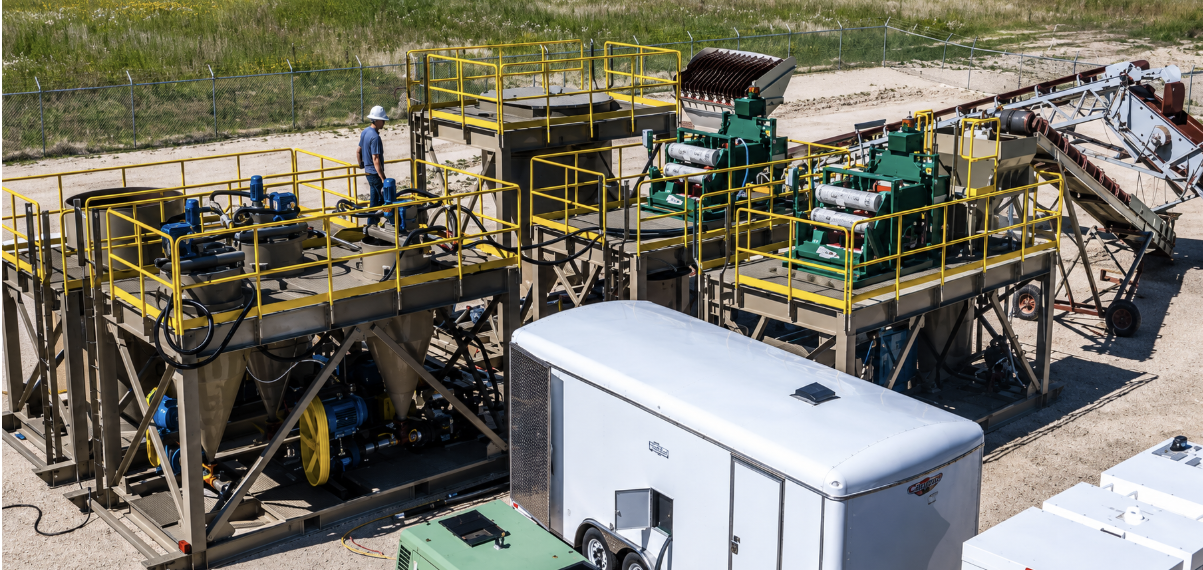
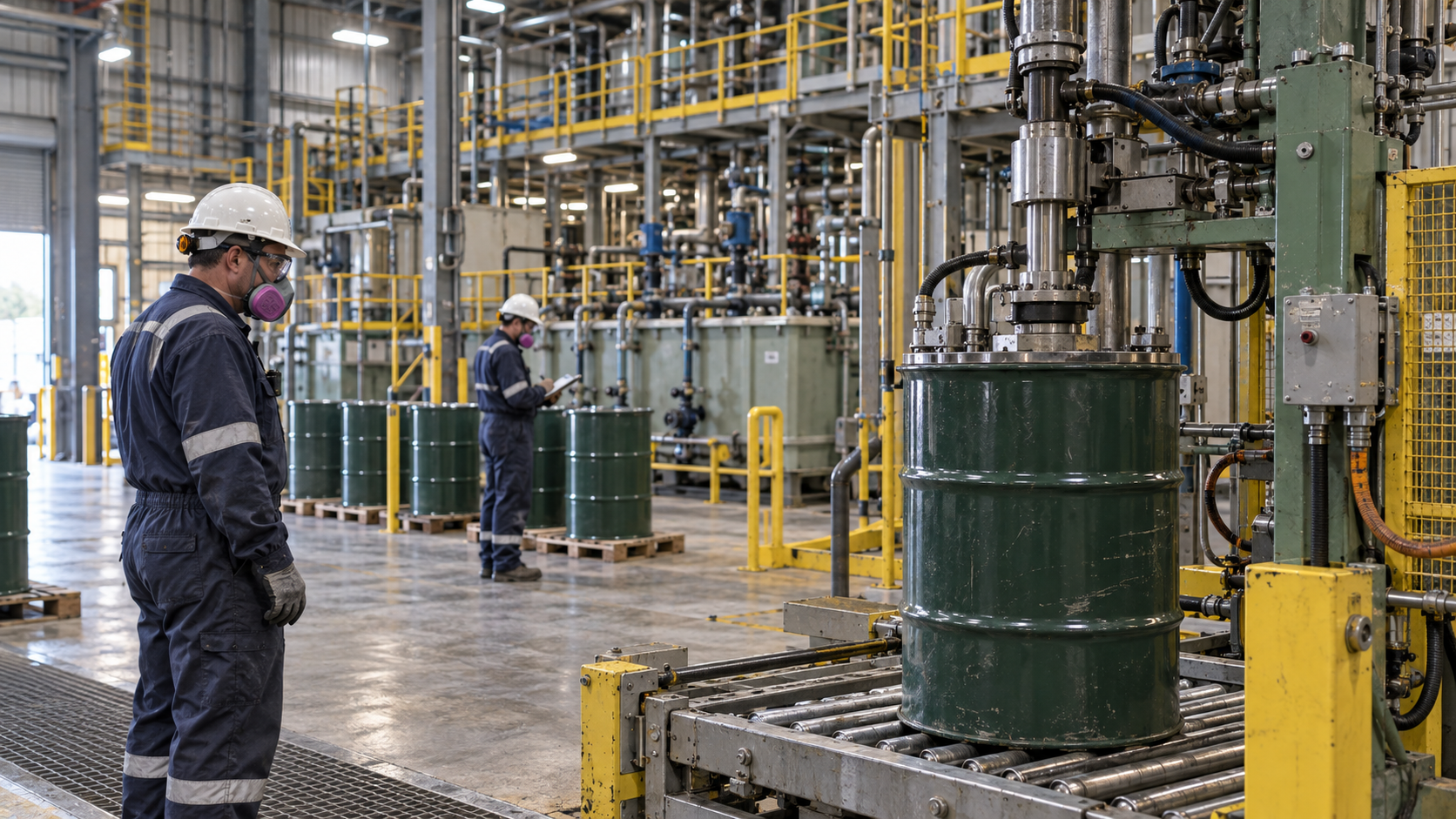
The combined company will integrate the patented High-Pressure Slurry Ablation (HPSA) technology, which mechanically upgrades mineralised feedstock at the mine site. The HPSA process utilises high-velocity slurry streams to generate particle-on-particle collisions, causing uranium-bearing carnotite ore to fracture along natural grain boundaries and separate from harder quartz host minerals. This mechanical separation eliminates the need for chemical reagents or grinding media during the primary upgrading phase, thereby reducing the mass requiring downstream chemical leaching.
Based on the 2026 Tony M HPSA Leach Study, metallurgical testing on Tony M Mine material demonstrated an 88% uranium recovery while concentrating the target mineral into 22% of the original feedstock mass. This mass reduction translates into a 78% decrease in the volume of material requiring road haulage, thereby lowering estimated feedstock transportation costs by over 70%. Furthermore, the study reports that post-HPSA leaching requires only 2 hours of contact time, compared with over 20 hours for conventional processing methods, thereby reducing processing bottleneck durations and lowering the unit operating cost per pound of recovered uranium.
National Remediation Pipeline & Regulatory Licensing
DISA Uranium Corporation will operate a dedicated uranium remediation business to recover valuable minerals from legacy mine waste. The company operates under a unique US Nuclear Regulatory Commission (NRC) Source Materials License, which authorises the recovery of uranium and vanadium from legacy waste across federal and tribal lands without initiating new mining operations. This commercial pipeline targets environmental liabilities across more than 15,000 abandoned mine waste sites and 4,200 defence-related uranium mines compiled in Environmental Protection Agency and US Geological Survey databases.
Leadership, Governance & Risk Management
Headquartered in Casper, Wyoming, and led by Chief Executive Officer Greyson Buckingham, the company will absorb IsoEnergy Ltd.'s Utah operations team to ensure technical and operational continuity. The 7-member Board of Directors of DISA Uranium Corporation will include IsoEnergy Ltd. Chairman Richard Patricio, IsoEnergy Ltd. Chief Executive Officer Philip Williams, and former US Nuclear Regulatory Commission Commissioner Jeffrey Merrifield. Over time, the centralised resource base is targeted to support the development of a new conventional processing facility, representing the first conventional uranium mill constructed in the United States in over 4 decades.
While the partnership offers significant operational advantages, several integration and development risks remain. These include the technical scale-up of modular HPSA units to full commercial capacity, regulatory execution across diverse state and tribal jurisdictions for the legacy waste remediation pipeline, and the coordination of conventional mine restarts with new processing infrastructure. Additionally, pro forma ownership dynamics may influence future capital allocation and funding requirements.
What to Watch Next
Closing of the joint-venture transaction is targeted for mid-August 2026, subject to customary regulatory approvals and the completion of the non-uranium spin-out. Following closure, the technical teams are targeting the delivery of an updated preliminary economic assessment (PEA) for the Tony M Mine by year-end two thousand twenty-six, which will integrate these high-pressure slurry ablation metallurgical efficiencies directly into the mine plan. Over the next twelve months, investors should monitor the deployment of the first pilot program at a United States Nuclear Regulatory Commission licensed site and the commencement of Navajo Nation remediation site cleanup activities as primary indicators of commercial and operational progress.
FAQs (AI-Generated)
Analyst's Notes





Subscribe to Our Channel








Stay Informed