




7 Signals Integra Is Readying DeLamar Ahead of Its Permit


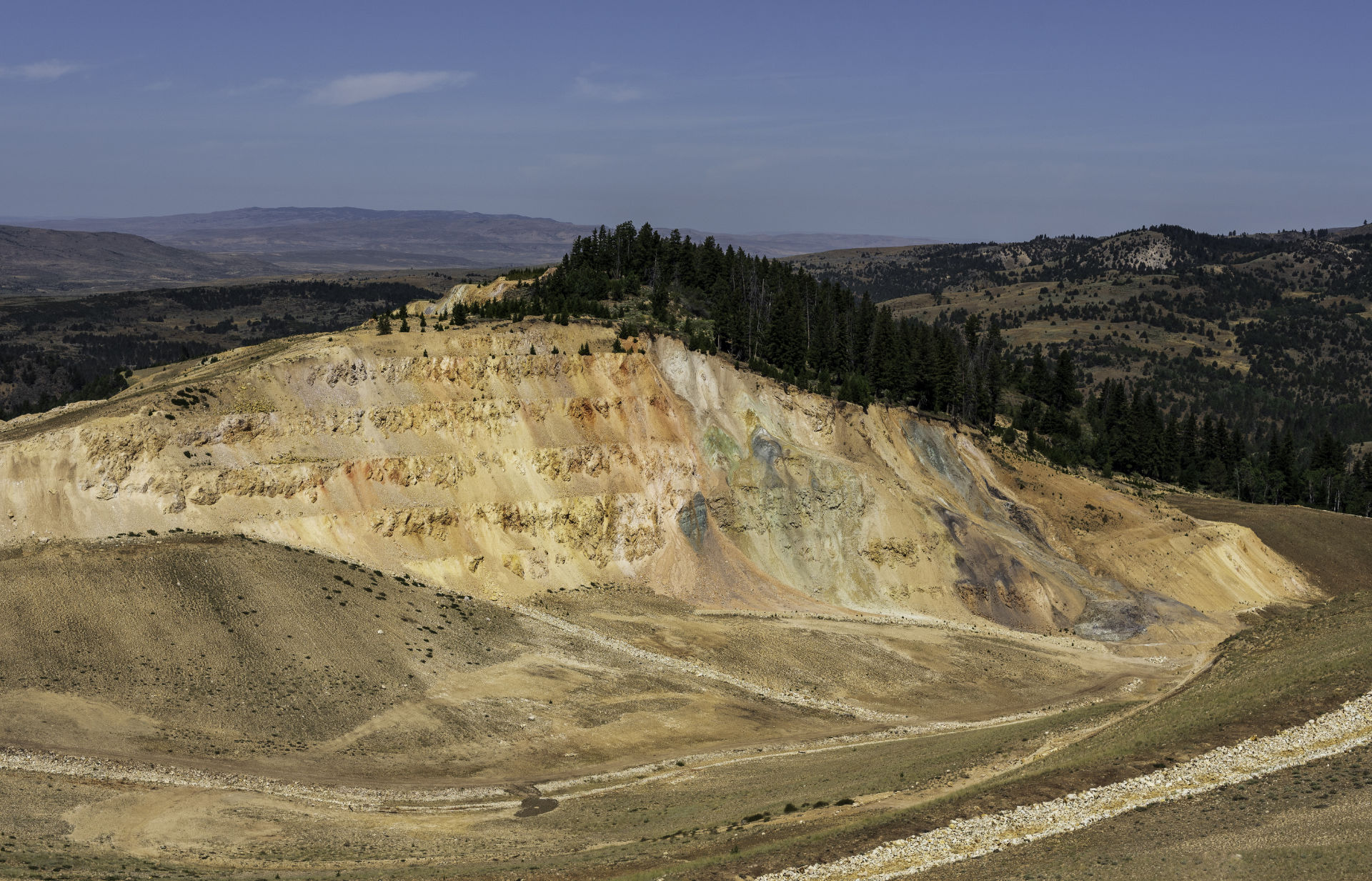
Integra has committed cash, equipment, and equity to DeLamar readiness, while the federal decision that allows construction is still more than a year away.
Project Overview
Integra Resources (TSXV: ITR | NYSE American: ITRG) owns 100% of the DeLamar gold-silver project in southwestern Idaho, 80 kilometers (km) southwest of Boise, made up of the DeLamar and Florida Mountain deposits. The company acquired the property from Kinross in 2017 and has since completed a series of resource and reserve updates, a preliminary economic assessment in 2019, a prefeasibility study in 2022, and a feasibility study in 2025.
The feasibility study is complete, and federal permitting is underway. The second quarter of 2026 shows the company spending against that gate before it opens.
1. The Permit Is Still More Than a Year Away
The environmental review determining whether DeLamar can be built began in May 2026 and will not reach a decision until the second half of 2027.
Version 4.3 of the DeLamar mine plan of operations (MPO) went to the Bureau of Land Management (BLM) on May 1, 2026, and is the proposed action for the agency's review under the National Environmental Policy Act (NEPA). The BLM published the Notice of Intent on May 29, 2026, which opened a 30-day public scoping period to identify environmental issues associated with the project's implementation. Analysis of the project's environmental effects and a no-action alternative will be included in an environmental impact statement, accompanied by a Record of Decision, anticipated in the second half of 2027.
The project was selected for the US Federal Permitting Improvement Steering Council's FAST-41 transparency projects program on January 13, 2026. The permitting timeline posted to the FAST-41 dashboard targets an accelerated 15-month NEPA schedule from start to finish.
2. Where the February Financing Was Pointed
The capital for readiness was raised and allocated before the review began.
The bought-deal public offering completed in the first quarter of 2026 raised US$57.5 million. Cash stood at US$111.1 million as of June 30, 2026, up from US$63.1 million as of December 31, 2025. Each category of the readiness program funded by that offering is a low-risk activity.
The use of proceeds directs approximately US$16.0 million to the 2026 early works program, approximately US$12.0 million to 2026 procurement works, and approximately US$12.5 million to land acquisition, with approximately US$4.5 million to the 2027 early works program and approximately US$12.5 million to 2027 procurement works. Procurement, land purchase, and early works are all underway while the BLM prepares its analysis.
3. What Early Works Buys on the Ground
The site work underway is test mining, analysis and refurbishment at a past-producing mine site.
DeLamar entered the federal permitting process in May 2026 and began state-of-good-repair programs on site. These cover test mining, crush optimization analysis, truck shop refurbishment, and general site readiness, work aimed at shortening the development timeline and reducing execution risk at the project.
Pre-production capital investment covers procurement work, early works, and a strategic land purchase, while engineering and optimization advance detailed engineering and execution planning. The company's stated objectives for DeLamar are permit progression, early works and long-lead items, advanced engineering, and build readiness.
4. The Second Quarter Shows the Spend Running
DeLamar drew capital in the second quarter of 2026 while the project held no permit.
The company incurred US$5.7 million in exploration and project expenses at DeLamar, largely for engineering and permitting work, and drilled 712 meters (m) of development holes. It invested a further US$4.6 million in mineral property, plant, and equipment at the project, including US$2.2 million for permitting and engineering activities and US$2.0 million for de-risking activities, of which US$1.7 million was allocated to securing equipment.
Project financing preparation is the other workstream ahead of the permit, with kick-off discussions and analysis targeted for 2026.
5. Equity Committed to the Tribal Partnership
Integra granted equity in recognition of the work behind its tribal partnership at DeLamar.
The company advanced its partnership with the Shoshone-Paiute Tribes of the Duck Valley Reservation, granting 517,103 common shares with an aggregate value of US$1.5 million in recognition of the parties' collaborative efforts to advance the project. The relationship agreement behind the grant was more than 5 years in the making and is built on stewardship, economic participation, governance, and a life-of-mine commitment.
The agreement brings tribal cultural, environmental, and economic interests into the mine plan and aims to provide greater predictability for DeLamar milestones.
6. What the Readiness Spend Is Protecting
The studied returns are large enough to justify funding a head start from the producing mine.
The DeLamar feasibility study, effective December 8, 2025, outlines total production of 1.1 million ounces of gold equivalent over a 10-year operating mine life plus 2 years of residual leaching, an average of 106,000 ounces of gold equivalent a year at co-product mine-site all-in sustaining costs of US$1,480 per ounce of gold equivalent. Initial capital is US$389 million, including US$38 million of owners' cost, with sustaining capital of US$305 million over the mine life. After-tax net present value at a 5% discount rate is approximately US$774 million with an after-tax internal rate of return of 46% at base-case prices of US$3,000 per ounce for gold and US$35 per ounce for silver, and approximately US$1.9 billion at 97% using recent prices of US$4,500 per ounce for gold and US$65 per ounce for silver. Base-case payback is 1.8 years, and the first 5 years average approximately US$165 million in after-tax free cash flow per year.
President and Chief Executive Officer of Integra Resources, George Salamis, ties the treasury built at one mine to the bill coming due at the other:
"It generates a lot of free cash flow to then apply to assets like DeLamar, for example, which 2 years from now we hope to be in sort of a construction mode, and we have to pay for that construction. We hope to have a significant amount of cash built up from Florida Canyon in our treasury to get DeLamar built."
Integra generated US$9.3 million of free cash flow in the second quarter of 2026 against US$2.1 million a year earlier. That cash flow can be applied to DeLamar, ahead of the decision that would allow construction to start.
7. What Still Has to Happen
Every commitment made so far shortens the build, and none of it shortens the review.
In the environmental impact statement, the BLM will identify a preferred alternative and any required mitigation measures for the project. A final revised MPO incorporating that alternative follows, and construction begins only once all applicable federal, state and local permits are obtained. The mine plan the readiness work is being built against is therefore not final until the review ends. Company planning places a DeLamar construction decision and project financing across 2027 and 2028, alongside the Record of Decision in the second half of 2027.
Salamis attaches one qualification to the self-funding description:
"Obviously, there'll be a component of debt that will come in with that. But again, we're still talking about this self-sustaining, self-funding mechanism, which is the original reason why we bought Florida Canyon in the first place."
The self-funding case, therefore, depends on Florida Canyon holding its cash generation through the review period. Working capital of US$146.5 million as of June 30, 2026, up US$53.6 million from December 31, 2025, is the near-term cushion supporting the program.
Key Takeaway for Investors
- The federal decision that allows construction at DeLamar is anticipated in the second half of 2027, more than a year after the environmental review opened in May 2026.
- The financing completed in the first quarter of 2026 allocates funds to early works, procurement, and land acquisition in both 2026 and 2027, all of it ahead of any construction decision.
- State-of-good-repair programs at DeLamar cover test mining, crush optimization analysis, truck shop refurbishment, and general site readiness, work aimed at shortening the development timeline.
- The Bureau of Land Management selects the preferred alternative and mitigation measures, and the final mine plan of operations cannot be written until it does so.
Bottom Line
Integra is buying time at DeLamar, not certainty. The money committed so far covers procurement, land, equipment, and site refurbishment, all of which can be done while the review proceeds, and none of which brings the decision any closer. If the Record of Decision arrives in the second half of 2027 as targeted, the work completed in 2026 and 2027 will be removed from the construction schedule, and the project will start from a more advanced position. If it slips, the same spending remains on the balance sheet, with a longer wait, funded by a mine with its own capital program to sustain.
Analyst's Notes





Subscribe to Our Channel




Stay Informed






















