




$82 Oil Pressures Gold Miners: Will Rising AISC Reduce Gold Investment Returns?


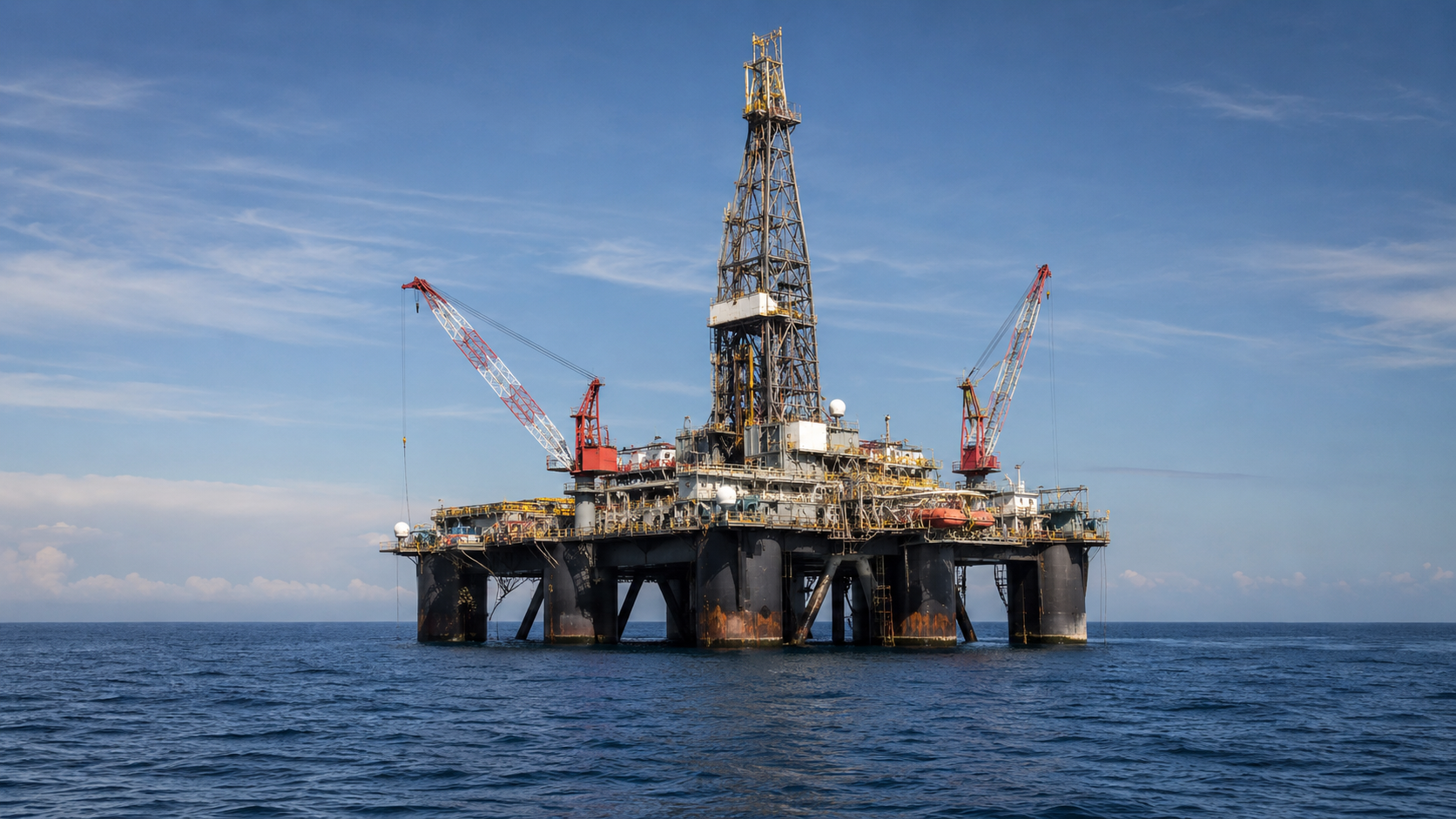
$82 oil is pressuring gold mining costs, but mixed AISC results mean more guidance revisions are needed to confirm a sector-wide increase.
- Gold traded near $4,339 per ounce on August 19, 2026, roughly 22% below its January 2026 record of $5,595, leaving only $839 to $1,039 per ounce above Integra Resources’ revised 2026 AISC guidance.
- Integra Resources raised its full-year 2026 all-in sustaining cost (AISC) guidance by $550 per ounce to $3,300 to $3,500 per ounce, as higher diesel and explosives costs and gold-linked royalties narrowed its margin at Florida Canyon.
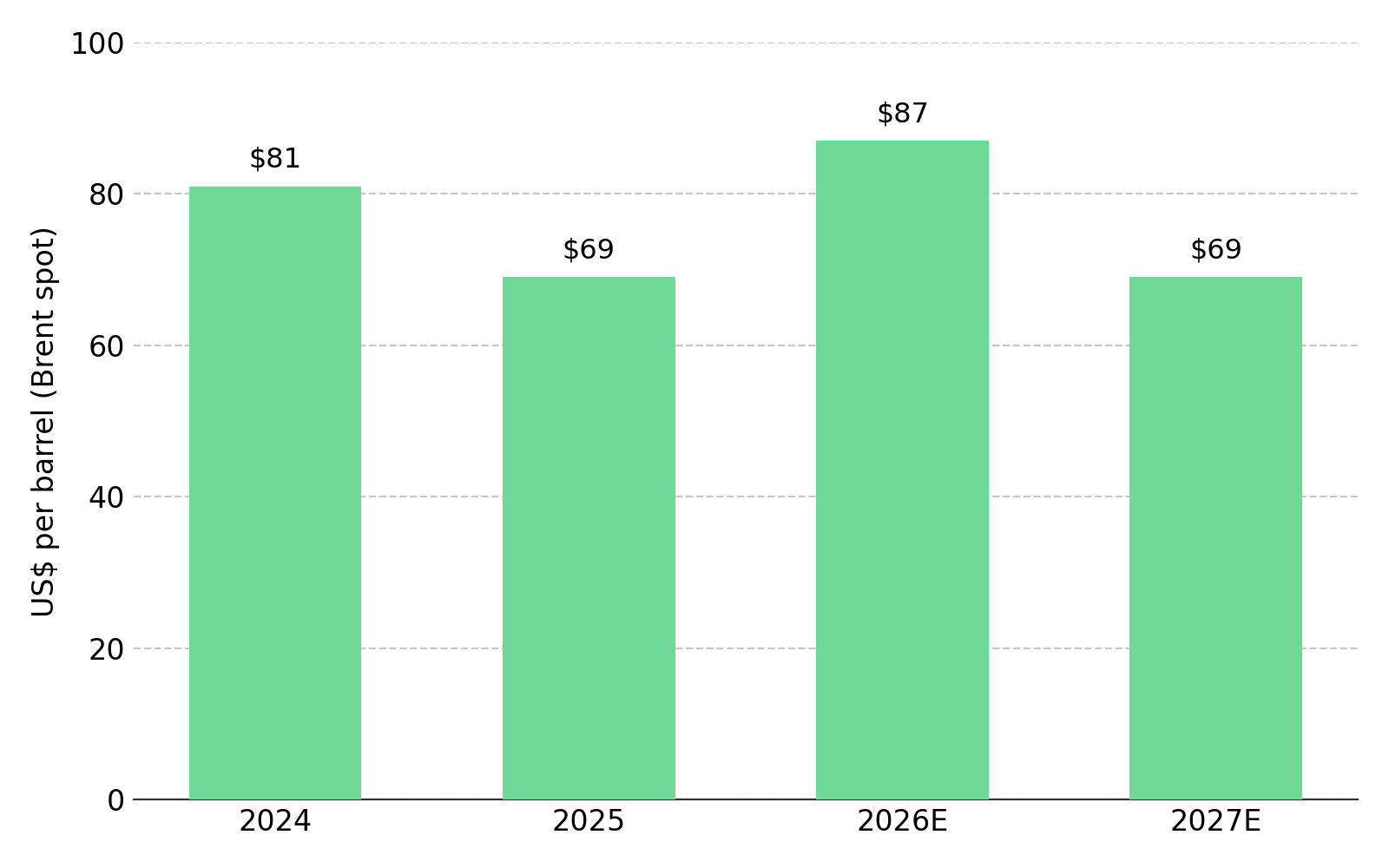
- Crude oil traded near $82 per barrel on August 19, 2026, as the Strait of Hormuz conflict raised diesel and explosives costs for open-pit mines that depend on truck-and-shovel operations.
- Mineros reported first-half 2026 AISC of $2,348 per ounce, below its $2,370 to $2,470 guidance range, while i-80 Gold is spending an estimated $430 million on the Lone Tree Complex to target AISC below $2,000 per ounce through owner-operated processing.
- Fuel-related AISC increases across multiple producers over the next two to three quarters would confirm a sector-wide cost increase, while isolated revisions would indicate that mine design, strip ratios, and haulage distances remain the stronger cost drivers.
Hormuz Conflict & Gold-Linked Royalties Raise AISC, Narrow Mine Margins
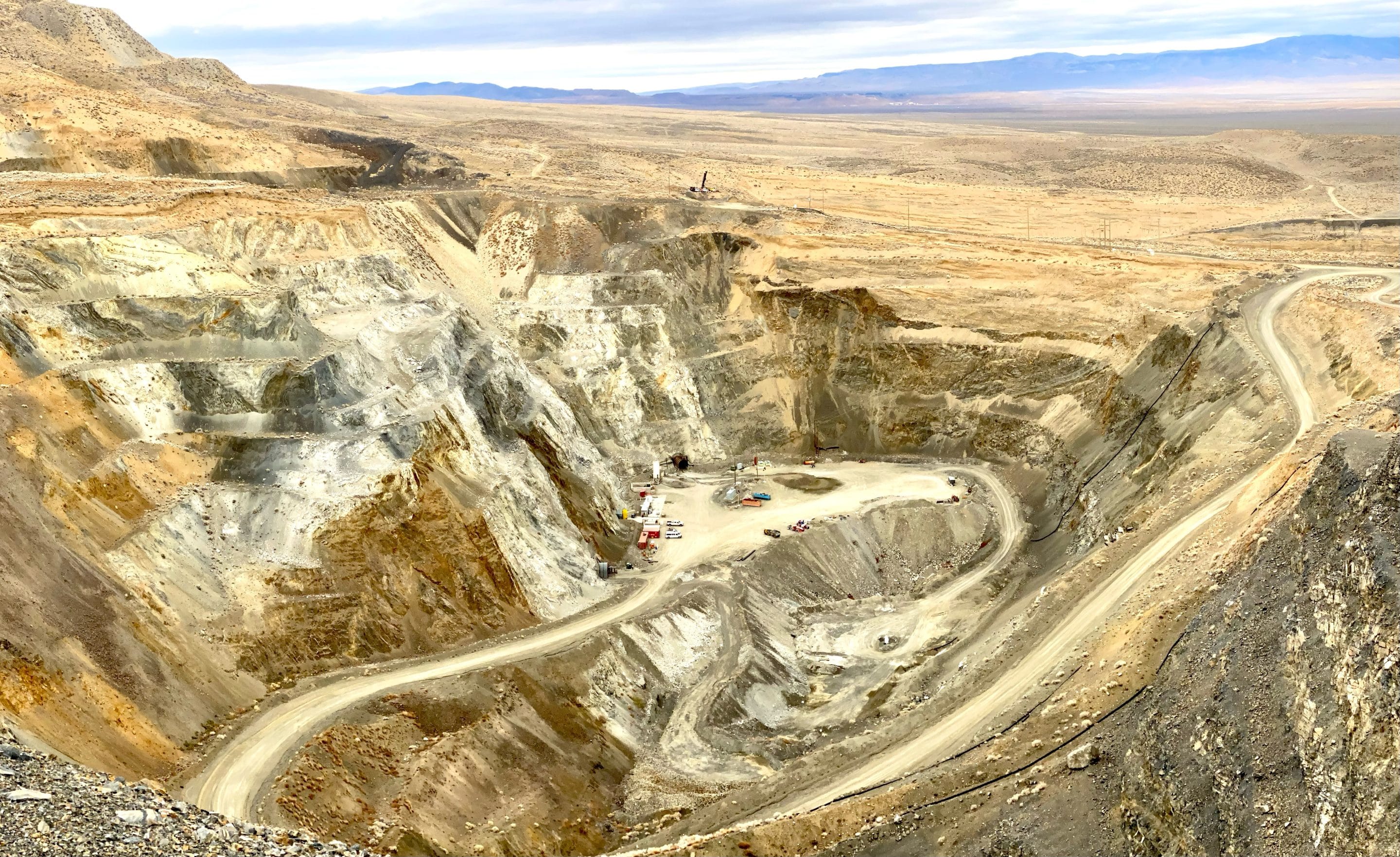
The Strait of Hormuz conflict kept crude oil near $82 per barrel as of August 19, 2026, raising the cost of diesel and explosives used in drill-and-blast and truck-and-shovel gold operations. At Integra Resources’ Florida Canyon mine in Nevada, higher diesel and explosives costs contributed to a $550-per-ounce increase in full-year 2026 AISC guidance.
In the second quarter of 2026, Integra’s AISC increased 28% year over year to $3,371 per ounce from $2,641, while cash costs increased 35% to $2,495 per ounce from $1,849. Integra subsequently raised its full-year 2026 AISC guidance by $550 to $3,300 to $3,500 per ounce, 42% to 50% above the $2,331 life-of-mine average in its June 2026 feasibility study. Florida Canyon’s gold-linked royalties and excise taxes raise both cash costs and AISC by approximately $7 per ounce for every $100-per-ounce increase in the gold price, according to Integra, separating this 7% pass-through from diesel and explosives inflation.
Integra's response has focused on engineering costs down at the pit level rather than waiting for input prices to ease.
Energy Inflation & Gold Mining Margins: Processing & Mine Design Target Lower AISC
Nevada-focused i-80 Gold is refurbishing its Lone Tree Complex for an estimated $430 million, targeting major construction in the fourth quarter of 2026 and first gold production in the fourth quarter of 2027. The refurbishment targets owner-operated ore processing, which would remove third-party processing dependence and give i-80 Gold direct control over processing costs and production schedules.
Richard Young, President and Chief Executive Officer of i-80 Gold, ties the investment directly to a specific cost target that is independent of the broader energy cost environment:
"With the commissioning of our Lone Tree facility, we would expect our all-in sustaining costs to drop under $2,000 an ounce."
Serabi Gold reports carbon intensity of 0.57 tonnes of carbon dioxide equivalent per ounce, 37% below the 0.91-tonne average for its cited peer group, and attributes the difference to narrow-vein underground mining that requires less open-pit haulage and diesel use.
Mike Hodgson, Chief Executive Officer of Serabi Gold, acknowledges the near-term cost trend even as margin holds up:
"Our AISC has probably crept up a little bit, we're probably going to be in the 2000s in 2026. But we are spending a lot of money on exploration, as much as we possibly can. Even with those things on top of the AISC, wherever we want to put the gold price, we're probably looking at a $2,000 margin."
Mixed AISC Results & Disclosure Gaps Require Company-Specific Gold Margin Models
Mineros S.A., which operates the Nechí property in Colombia and the Hemco property in Nicaragua, reported first-half 2026 AISC of $2,348 per ounce, $22 below the lower end of its $2,370 to $2,470 guidance range, while cash costs of $2,104 per ounce remained within its $2,070 to $2,170 range. Mineros also raised both ends of its full-year 2026 production guidance by 7,000 ounces to 220,000 to 240,000 ounces, showing that higher planned output did not require AISC above guidance during the first half.
West Red Lake Gold Mines, which began commercial production at Ontario’s Madsen mine on January 1, 2026, increased second-quarter output by 51% to 8,576 ounces from 5,667 ounces in the first quarter, while average mined grade rose 23% to 4.3 grams per tonne (g/t) from 3.5 g/t. The phased Madsen shaft refurbishment is targeting a second route for hauling ore and waste, supplementing truck haulage and reducing a potential constraint on production growth. West Red Lake has not disclosed AISC for Madsen, so its higher output and grade cannot yet be translated into a verified per-ounce margin or compared directly with Integra and Mineros.
Available 2026 disclosures show that Integra raised full-year AISC guidance by $550 after second-quarter AISC increased 28% year over year, Mineros reported first-half AISC $22 below its guidance floor, and West Red Lake has not disclosed AISC for Madsen. These mixed results do not yet confirm a sector-wide cost increase, so producer margin models should use company-specific AISC assumptions until fuel-related guidance increases appear across multiple producers for two to three consecutive quarters.
What to Track Before Raising 2027 Gold Cost Assumptions
If the Strait of Hormuz conflict keeps crude oil near or above $82 per barrel into 2027, diesel-intensive open-pit mines would face continued fuel and explosives cost pressure, while a sustained decline below that level would test whether royalties, strip ratios, and haulage distances are the larger AISC drivers.
Market participants should monitor AISC guidance revisions over the next two to three quarters, focusing on whether producers explicitly attribute increases to fuel and explosives costs. Fuel-related AISC guidance increases across multiple producers would confirm that higher energy costs are reducing margins beyond Integra’s Florida Canyon mine. If fuel-related increases remain limited to individual operations while other companies continue reporting AISC within or below guidance, mine plans, strip ratios, and haulage distances would remain the stronger drivers of per-ounce costs.
The Investment Thesis for Gold
- Integra raised full-year 2026 AISC guidance by $550 per ounce, while Mineros reported first-half AISC $22 below its guidance floor, requiring company-specific cost assumptions rather than one sector-wide increase.
- i-80 Gold is investing an estimated $430 million in owner-operated processing at Lone Tree, targeting AISC below $2,000 per ounce after first gold production in the fourth quarter of 2027.
- At Florida Canyon, every $100-per-ounce increase in gold adds approximately $7 per ounce to both cash costs and AISC through royalties and excise taxes, so reported costs can rise without an equivalent increase in physical inputs.
- West Red Lake increased second-quarter output by 51% and mined grade by 23% but has not disclosed AISC for Madsen, preventing its operating gains from being translated into a verified per-ounce margin.
- If the Strait of Hormuz conflict keeps crude oil near or above $82 per barrel, fuel-related AISC increases across multiple producers over the next two to three quarters would confirm a broader industry cost increase.
- Integra is targeting lower waste volumes and AISC by steepening Florida Canyon’s pit-wall slopes, but without quantified savings, the potential benefit should remain outside base-case margin estimates.
Current disclosures do not support treating higher gold mining costs as a sector-wide increase, because fuel, royalties, mine design, haulage distances, and processing arrangements affect each operation differently. Company-specific AISC guidance should therefore remain the base case for 2027 margin models, while unquantified cost reductions should remain excluded. Fuel-related guidance increases across multiple producers for two to three consecutive quarters would confirm a broader industry cost increase; until then, current evidence supports an operation-by-operation assessment.
TL;DR
Crude oil near $82 per barrel has increased diesel and explosives costs for fuel-intensive gold mines, contributing to a $550-per-ounce AISC guidance increase at one operation. Results across the wider producer group remain mixed, with another producer reporting AISC below guidance and an early-stage operation yet to disclose per-ounce costs. Owner-operated processing, mine design, strip ratios, haulage distances, and gold-linked royalties are also affecting margins. Fuel-related AISC increases across multiple producers for two to three consecutive quarters would confirm a broader industry cost increase. Until then, company-specific guidance remains the most reliable base case for 2027 margin models.
FAQs (AI-Generated)
Analyst's Notes





Subscribe to Our Channel









Stay Informed






















