




90% El Niño Odds, Tariff Risk & Freight Costs Test Salt Margins


El Niño odds above 90%, a paused 50% tariff, and higher freight costs test whether de-icing salt pricing can translate into wider margins.
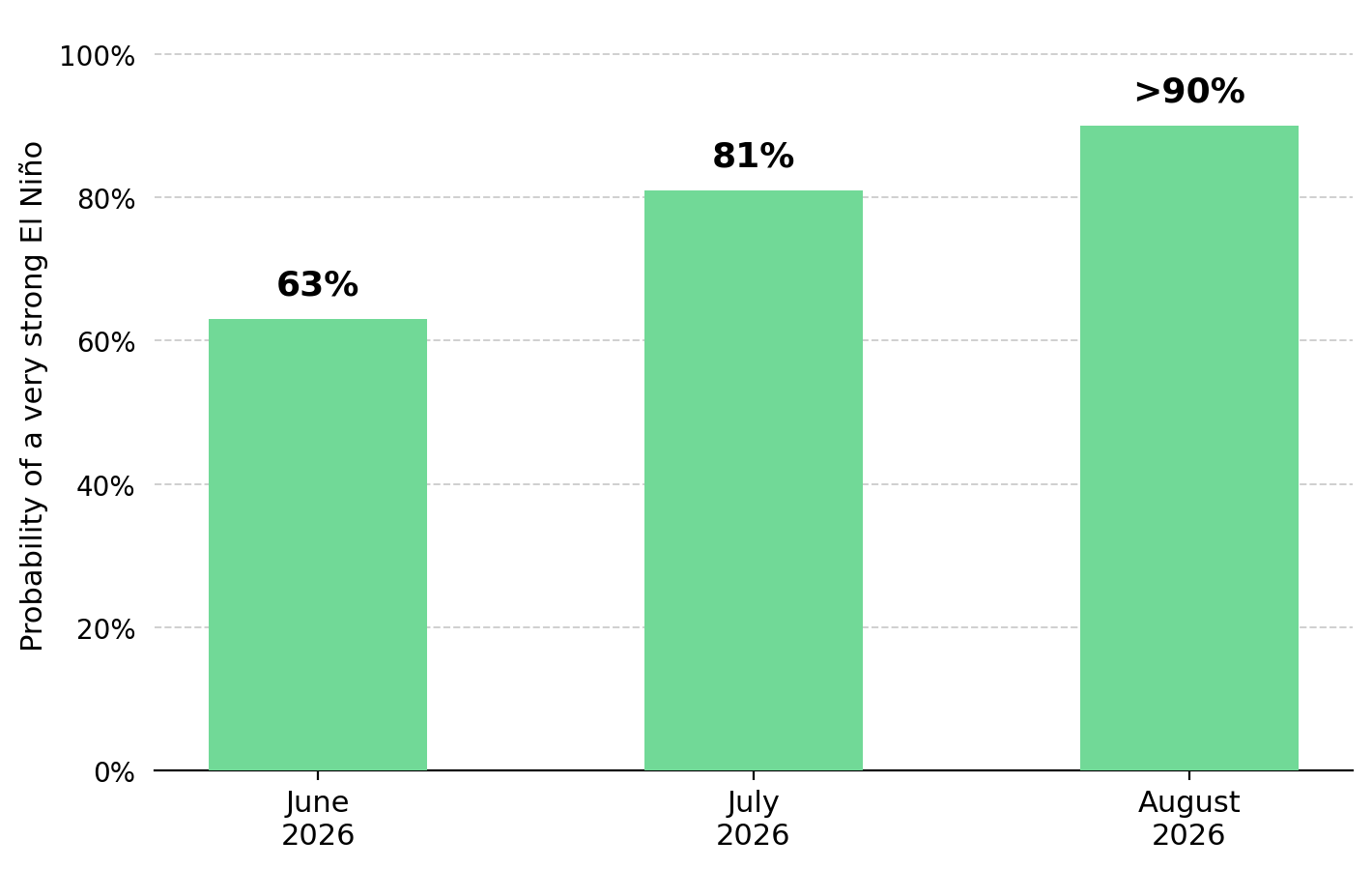
- The National Oceanic and Atmospheric Administration's Climate Prediction Center raised the probability of a very strong El Niño this winter above 90%, from 81% in July, challenging the winter-demand outlook after bid-season prices were set against historically low inventories.
- Compass Minerals, which operates the Goderich mine in Ontario, secured de-icing salt price increases that management described as well into the double digits in certain core US markets for the 2026-2027 highway bid season, providing a pricing buffer against higher operating costs.
- A paused 50% Section 338 tariff on a broad range of Canadian goods would directly affect Goderich salt shipped into the US, where Compass Minerals has disclosed most of its gross annualized tariff exposure.
- Higher diesel and freight costs linked to Strait of Hormuz shipping disruption are raising bulk-salt operating and distribution costs regardless of how winter demand develops.
- Atlas Salt is targeting lower delivered costs for the Great Atlantic Salt Project by evaluating rail as an alternative to post-port trucking, addressing a cost component excluded from FOB mine-gate economics.
El Niño Odds Top 90% & Bid-Season Salt Pricing Faces Demand Risk
The National Oceanic and Atmospheric Administration's Climate Prediction Center raised the probability of a very strong El Niño during the Northern Hemisphere fall and winter above 90% in its August 17, 2026 diagnostic discussion, from 81% in July. The nearly 10% monthly increase came after much of the multi-month municipal and state transportation bid process was already underway, leaving current contract pricing based on an earlier winter-demand outlook.
Winter 2025-2026 ran under a weak La Niña pattern that favored colder conditions across the northern US and Great Lakes, supporting de-icing salt demand in major winter-maintenance markets. A very strong El Niño historically shifts storm activity south and brings warmer, drier conditions to parts of the northern US, which can reduce the snowfall and freezing conditions that drive highway salt consumption.
Bid-Season Timing Locks Pricing Before El Niño Demand Risk Rises
The 2026-2027 highway de-icing bid season was being finalized in August 2026 after historically low inventories from the colder 2025-2026 winter had supported pricing, but before the probability of a very strong El Niño rose above 90%, raising the risk that winter demand falls below the assumptions embedded in current contracts. The Climate Prediction Center's September and October updates will test whether very strong El Niño odds remain above 90% or retreat, providing the next signal on whether that demand risk strengthens or recedes.
Low Inventories Lift Salt Pricing & Higher Costs Threaten Margin Gains
Compass Minerals disclosed on its third-quarter fiscal 2026 earnings call that the 2026-2027 highway de-icing bid season delivered price increases management characterized as well into the double digits in certain core US markets, giving Goderich a pricing buffer against higher operating costs. Management attributed those pricing gains to historically low industry inventories following the colder 2025-2026 winter, but a very strong El Niño could reduce de-icing consumption and weaken the inventory scarcity supporting current prices.
Contracted price increases widen margins only when the additional revenue per ton exceeds increases in production and distribution costs. On the same call, Compass Minerals said Goderich production costs were above plan, partly because of higher fuel costs and tighter truck capacity, increasing the risk that part of the bid-season price gain is absorbed by the cost base.
50% Tariff Risk & Higher Freight Costs Threaten Salt Margins
On July 20, 2026, the US invoked Section 338 of the Tariff Act of 1930 to impose a 50% tariff on a broad range of Canadian goods, including products that would otherwise qualify under the US-Mexico-Canada Agreement. The tariff was paused through August 21, 2026, pending a broader US-Canada trade agreement, leaving its application unresolved at the time of writing. Compass Minerals has disclosed that most of its gross annualized tariff exposure relates to de-icing salt shipped from Goderich into the US, meaning implementation of the tariff would raise costs on a core sales route during the 2026-2027 bid cycle.
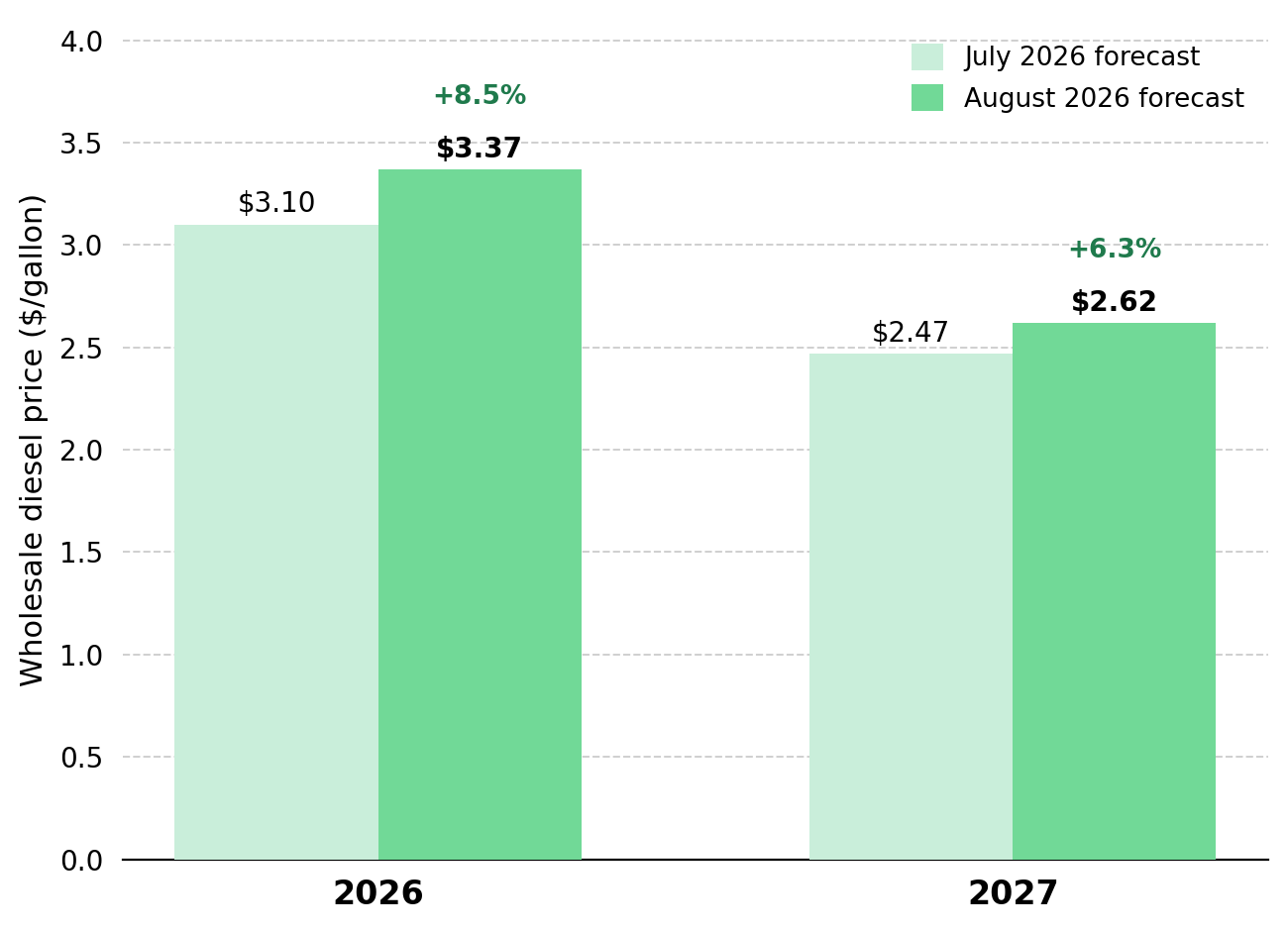
The US Energy Information Administration's August 11, 2026 Short-Term Energy Outlook assumed severe constraints on Strait of Hormuz transits would continue through August and forecast Brent crude averaging near $85 per barrel in the third quarter of 2026. Higher oil prices raise fuel costs across truck, rail, and marine transport, increasing the delivered cost of bulk salt independently of salt-specific supply or winter demand.
For producers, double-digit bid-season price increases may not translate fully into wider margins if tariff and fuel-linked freight costs rise, independently of any El Niño-driven change in winter demand. If the tariff is withdrawn, that cost risk disappears; if implemented, it would add another cost to Goderich shipments entering the US and could absorb part of the contracted bid-season price increase.
Higher Freight Costs Expose the Gap Between FOB and Delivered Salt Economics
When freight and tariff costs rise independently of mine output, delivered cost matters more to customers than free-on-board (FOB) mine-gate cost, which excludes transportation beyond the point of loading. In Atlas Salt's 2025 updated feasibility study, AISC is presented on an FOB basis, while the project's valuation does not represent the full transportation cost required to deliver salt to the end customer.
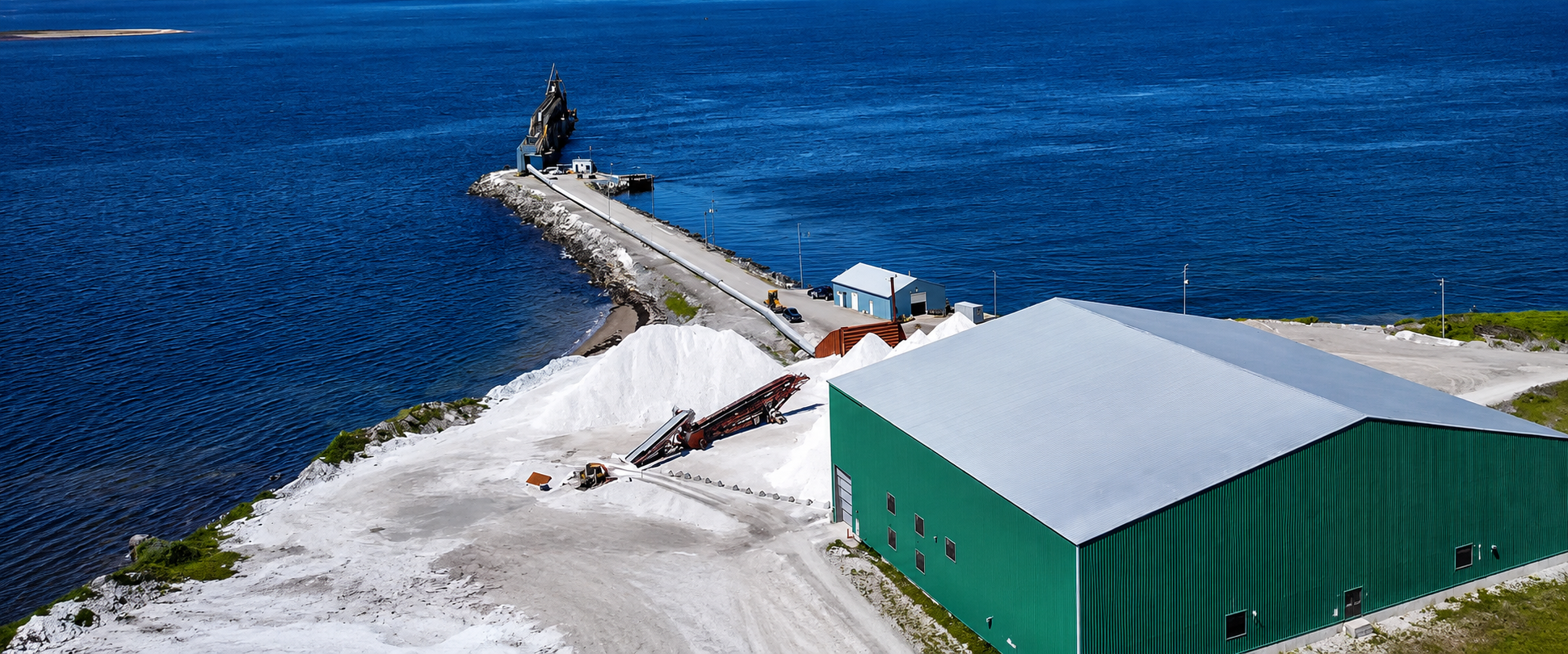
Atlas Salt's 2025 updated feasibility study reports AISC of $34.9 per ton FOB at Turf Point and an after-tax NPV8% of $920 million under the study's base case. The $34.9 per ton FOB AISC excludes marine freight and post-port transportation to the customer, while the study assumed trucking would move nearly all volume from discharge ports to final markets, leaving delivered costs exposed to higher fuel and freight rates.
The commercial case therefore depends partly on whether Great Atlantic can remain cost-competitive after transportation to its target markets. Nolan Peterson, Chief Executive Officer of Atlas Salt, described the project's intended geographic market:
"We're developing the Great Atlantic Salt Project on the west coast of Newfoundland aiming to supply de-icing road salt to critically underserved markets in the northeast US and eastern Canada and the Atlantic provinces."
Rail Logistics Could Lower Delivered Costs, but Value Remains Unproven
On August 20, 2026, Atlas Salt signed a non-binding memorandum of understanding with Canadian National Railway Company to evaluate replacing post-port trucking with rail on routes served by the railway's network. Atlas Salt cites a roughly three-day vessel transit from Turf Point to Boston, compared with more than 14 days for salt imported from Egypt and Chile, arguing that the shorter route could reduce freight-related delivered costs when comparing CIF import pricing with its FOB economics.
Because the memorandum is non-binding and commits neither party to a definitive agreement, potential rail-related cost benefits should not be treated as value already captured in the disclosed $920 million NPV8%. Atlas Salt is addressing freight exposure while the project remains in development, while Compass Minerals is already absorbing fuel, trucking, and potential tariff costs across operating supply routes.
90% El Niño Odds, Tariff Risk & Freight Costs Test Salt Margins
A stronger El Niño signal could reduce de-icing demand, a Section 338 tariff could raise the cost of Goderich shipments into the US, and higher fuel prices could increase freight costs, placing separate pressure on salt volumes and margins during the same bid cycle. Current bid-season price increases were supported by historically low inventories following the colder 2025-2026 winter, while the subsequent rise in very strong El Niño odds and higher tariff and freight risk could weaken demand or absorb part of those pricing gains.
The Climate Prediction Center's September and October updates will show whether the probability of a very strong El Niño remains above 90%, rises further, or retreats, providing the next signal on winter de-icing demand. The outcome of the Section 338 tariff pause will determine whether Goderich salt entering the US faces an additional 50% trade cost. Freight costs will remain sensitive to oil and diesel prices linked to Strait of Hormuz disruption, keeping delivered costs for trucked salt elevated even if El Niño or tariff risks recede.
The Investment Thesis for Salt
- Double-digit bid-season price increases in certain core US markets support revenue per ton, but higher production, freight, and potential tariff costs will determine how much of that pricing reaches margins.
- Very strong El Niño odds above 90% make the Climate Prediction Center's September and October updates the next tests of whether winter de-icing demand risk strengthens or recedes.
- The paused 50% Section 338 tariff is a near-term cost trigger because implementation would directly raise the cost of Goderich salt shipped from Canada into the US.
- Atlas Salt's $34.9 per ton FOB AISC excludes downstream transportation, making delivery cost an additional consideration when assessing the project's competitiveness against imported salt.
- Atlas Salt's non-binding rail MOU should be treated as logistics optionality rather than value already incorporated into the project's disclosed base-case economics.
- Atlas Salt is targeting northeastern US and eastern Canadian markets that management describes as underserved, but competitiveness will depend on delivered costs after marine and inland transportation.
De-icing salt is entering the 2026-2027 winter with demand, tariff, and freight risks capable of affecting volumes, delivered costs, and producer margins at the same time. Very strong El Niño odds above 90% could reduce winter de-icing demand, implementation of the paused 50% Section 338 tariff could raise Goderich shipment costs, and higher fuel prices could keep freight costs elevated. The key test is whether contracted price increases translate into wider margins as El Niño alters winter demand, the Section 338 tariff is resolved, and fuel-linked freight costs determine the gap between mine-gate and delivered salt economics.
TL;DR
De-icing salt entered the 2026-2027 bid season with historically low inventories supporting double-digit price increases in certain core US markets, but that pricing now faces three separate tests. Very strong El Niño odds above 90% could reduce winter de-icing demand, implementation of the paused 50% Section 338 tariff could raise costs on Canadian salt shipped into the US, and higher fuel prices are increasing freight costs. These pressures determine how much contracted pricing ultimately reaches producer margins. For development-stage projects, the comparison also shifts from FOB mine-gate economics toward delivered cost, making transportation strategy and logistics execution increasingly important to competitiveness.
FAQs (AI-Generated)
Analyst's Notes





Subscribe to Our Channel

.jpg)



Stay Informed


