




A 540,000-Tonne Target Cannot Fix Today’s Copper Shortage


Cross-border protocols target 540,000 tonnes of copper supply, but concentrate shortages and project delays could keep prices supported.
- Argentina and Chile approved cross-border operating protocols on August 27, 2026, for three copper projects spanning San Juan and Atacama under a framework that could unlock more than US$20.7 billion in investment and add 540,000 tonnes of annual copper output if the projects reach production.
- The targeted 540,000 tonnes of annual output equals roughly 2.3% of the International Copper Study Group (ICSG) forecast of 23.559 million tonnes of global mine production in 2026, so the protocols reduce cross-border coordination risk, but physical supply still depends on individual projects securing permits, financing, and construction approval.
- Chile’s copper output is forecast to fall 2.6% to 5.27 million tonnes in 2026, while newly identified seismic risk has suspended its state producer’s flagship expansion and could delay replacement supply by up to two years.
- Major producers are using minority investments, exclusivity periods, matching rights, and top-up rights to fund exploration while securing early access to prospective copper districts before formal resources are defined.
- Across development stages, secured land access and reusable infrastructure provided through treaties, First Nation partnerships, or existing processing plants can lower pre-production capital requirements and shorten the path to first revenue.
Cross-Border Protocols Advance Andean Projects Targeting 540,000 Tonnes of Annual Supply
Argentina and Chile convened the administrative commission under the Mining Integration and Complementation Treaty (MICT) in Santiago on August 27, 2026, after reviving the 1997 agreement in July. The commission approved operating protocols for Vicuña, NexoAndino, and Filo Sur within a treaty framework designed to allow shared infrastructure and resources across San Juan Province and the Atacama Region. Daniel Mas, Economy and Mining Minister of Chile, said that the framework could unlock more than US$20.7 billion in investment and add 540,000 tonnes of annual copper production.
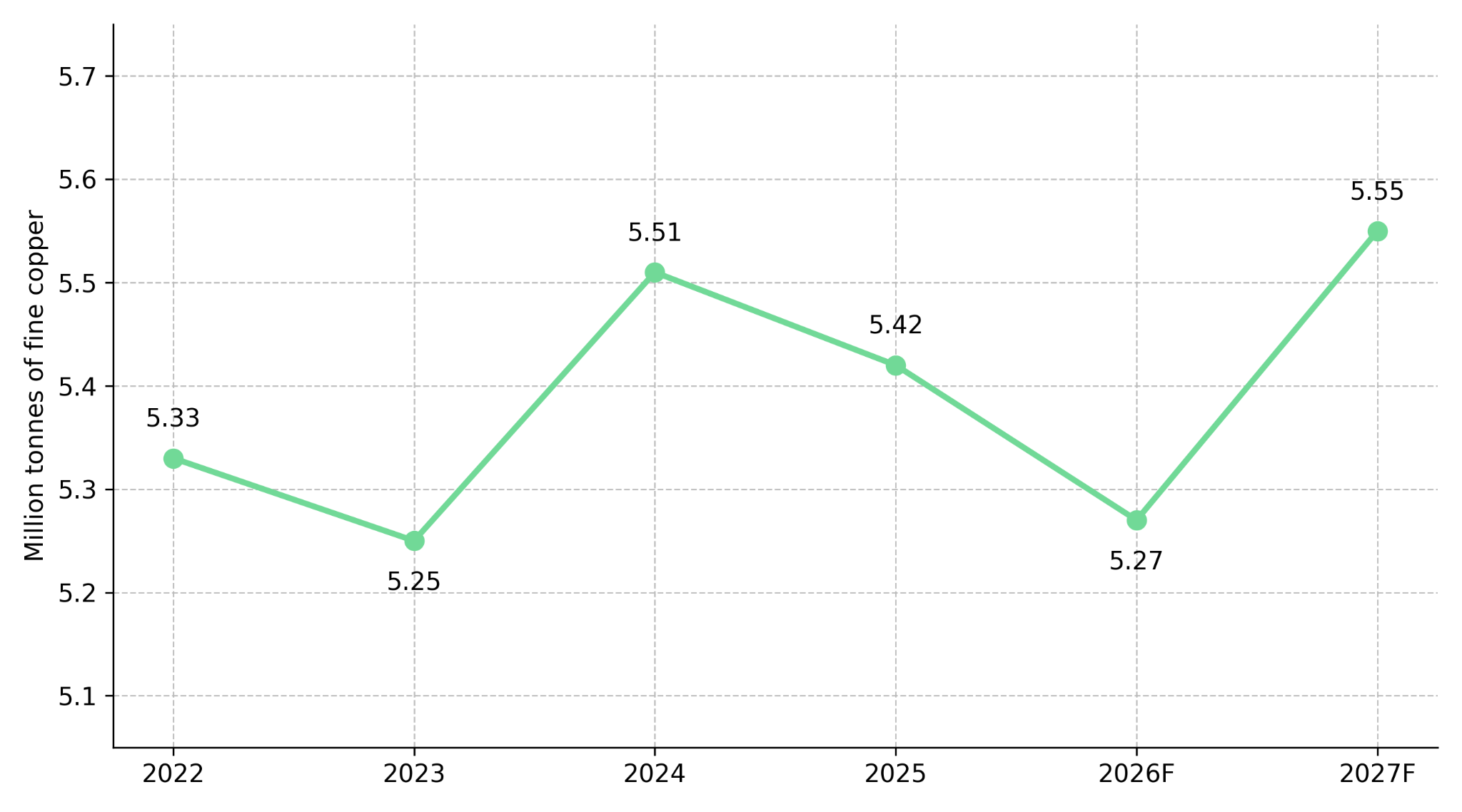
The Chilean Copper Commission (Cochilco) cut its 2026 national production forecast on August 11 to 5.27 million tonnes, down 2.6% year over year, and forecast a recovery to 5.55 million tonnes in 2027. Against the near-term decline, the cross-border protocols aim to make undeveloped border deposits more financeable by allowing shared infrastructure to reduce the need for separate facilities in both countries.
Shared Infrastructure Could Lower Build Costs as Early Funding Advances Border Exploration
Cross-border deposits can face higher development costs and longer schedules because one orebody must operate across two countries’ permitting, tax, customs, and infrastructure systems. Without shared arrangements, developers may need separate power, water, roads, camps, and port access on both sides of the border. These duplicated requirements increase capital intensity, measured as pre-production capital per tonne of annual capacity, and delay first cash flow, reducing net present value at an 8% discount rate (NPV8%) even when the resource remains unchanged.
The protocols could lower pre-production capital requirements by allowing cross-border projects to share power, water, roads, and port access instead of building separate systems in both countries. The Vicuña project combines Josemaría in Argentina, Tamberías in Chile, and the border-straddling Filo del Sol under a Lundin Mining and BHP joint venture; the framework could connect the Argentine side of the project to Chilean ports, shortening Pacific export routes and reducing transport infrastructure requirements.
Mogotes Metals closed a US$15 million equity investment from Rio Tinto on August 27, 2026, giving Rio Tinto an initial holding of about 5% and funding exploration at Filo Sur in the Vicuña copper district. A joint technical committee and access to proprietary exploration tools add technical support to the funded program. Rio Tinto also received 15 months of exclusivity, extendable by six months, a right to match third-party proposals, and a top-up right to 9.99%, while concurrent exercises of pre-emptive rights raised another C$5.58 million at C$0.70 per unit. The transaction funds copper exploration before a resource is defined while giving Rio Tinto a path to increase participation if the project advances.
Limited Supply Growth Despite Heavy Investment Supports Higher Prices
Codelco’s first-half 2026 results reported pre-tax profit of US$1.97 billion, more than four times the US$429 million recorded a year earlier, even as copper production fell 11% to 564,000 tonnes. A 41.5% increase in the realized copper price to 653.2 cents per pound outweighed lower volumes and a 7% increase in direct cash costs to 231.6 cents per pound. At El Teniente, output fell 27.2% year over year to 102,900 tonnes in the first five months of 2026, while seismic risk suspended Andes Norte development on August 4 and delayed additional capacity.
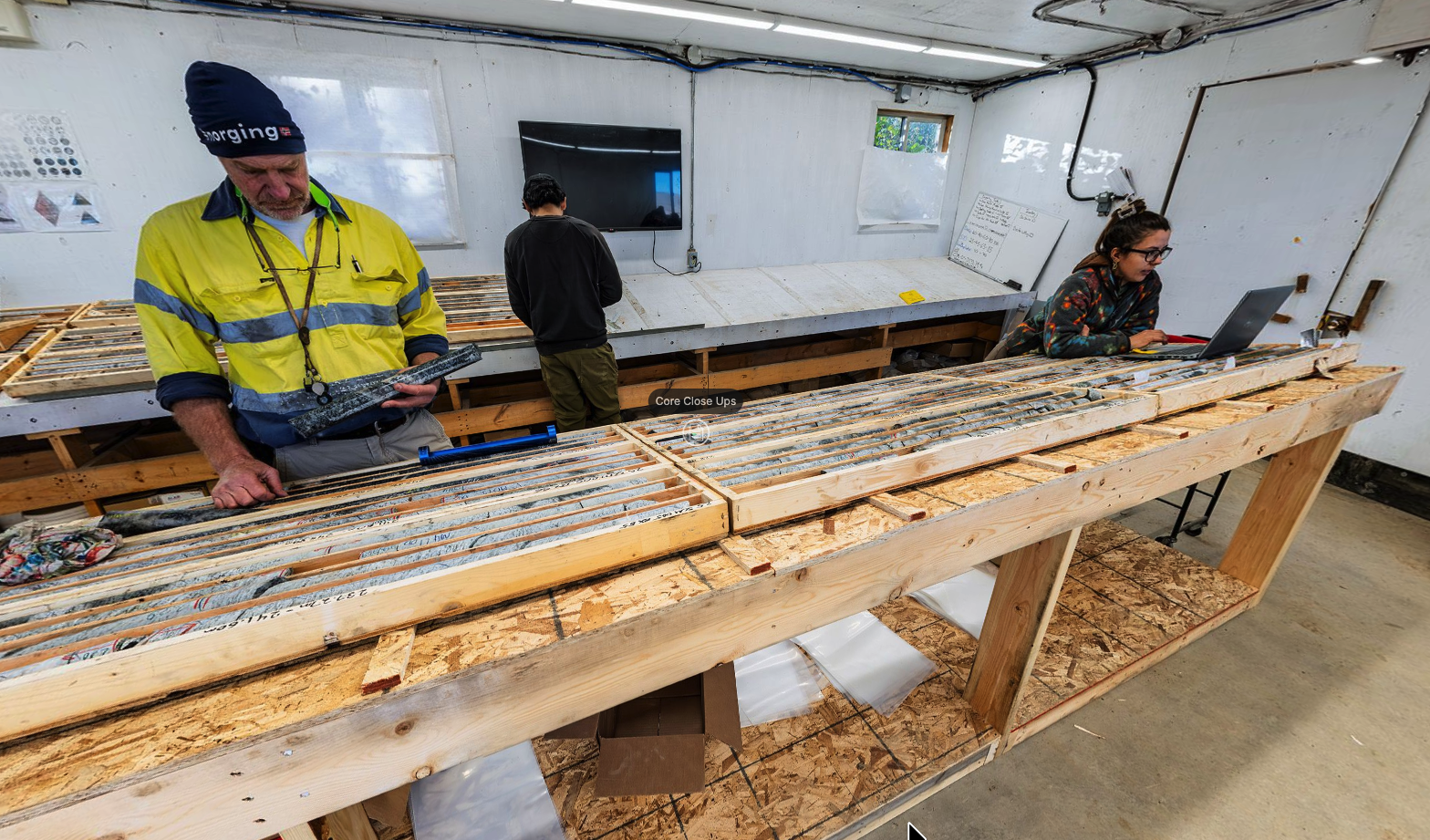
Fitzroy Minerals extended the main Tenorita trend at Buen Retiro by 200 meters to 1.9 kilometers and reported 105 meters at 0.74% copper from 58 meters depth, including 12 meters at 3.01% copper. The extension increases the potential scale of the copper system while the intercept adds grade data for the maiden Mineral Resource Estimate. With 92 diamond holes completed before the September cutoff, the estimate will provide the first formal measure of tonnes and grade ahead of the stated early-2028 production target.
Merlin Marr-Johnson, President and Chief Executive Officer of Fitzroy Minerals, quantifies why rising investment delivers limited copper growth:
“They estimate that $83 billion is going to come into Chile. Over 75% of that goes into copper projects. It’s only an increase of about 100,000 tons after spending over 50 or 60 billion dollars. Metal prices have to rise as demand is strong.”
Lower Capital Requirements & Higher Prices Strengthen Project Economics
By allowing cross-border projects to share infrastructure and reach Chilean ports, the protocols aim to give inland deposits some of the cost and schedule advantages held by coastal assets. Lower capital requirements and shorter development timelines can increase NPV8% and internal rate of return (IRR).
Marimaca Copper reports completion of a 2025 Definitive Feasibility Study (DFS) and receipt of environmental approval, leaving sectoral permits, financing, and a final investment decision before construction. At a base-case copper price of US$4.30 per pound, the DFS estimates US$587 million of pre-production capital, or US$11,700 per tonne of annual capacity versus a peer range of US$13,400 to US$21,800, with a post-tax NPV8% of US$709 million and a 31% IRR. Proximity to the Port of Mejillones supports the lower capital intensity, while targeted production of 50,000 tonnes of copper cathode annually over 13 years defines the project’s potential contribution to supply.
Abitibi Metals reported 98.2% copper recovery into a concentrate grading 23.7% copper from initial B26 metallurgical testing released on August 19, 2026. The high recovery at a coarse grind supports a potentially simpler processing circuit, reducing processing uncertainty ahead of the Preliminary Economic Assessment (PEA). The resource comprises 12.96 million tonnes Indicated at 2.08% CuEq and 12.34 million tonnes Inferred at 2.20% CuEq, while its location 7 kilometers from the former Selbaie mine provides access to established regional infrastructure.
Jon Deluce, President and Chief Executive Officer of Abitibi Metals, explains how higher commodity prices increase resources:
“As commodity prices rise, there is leverage on growth both from continued exploration, but also from within the existing resource of blocks coming over cutoff as a result of commodity prices rising and the value of those blocks potentially increasing.”
Secured Land Access & Existing Infrastructure Shorten the Path to Production
The treaty addresses costs and delays shared across jurisdictions by allowing projects to coordinate land access and infrastructure rather than develop separate systems. Similar advantages can come from an equity partnership with a landholder, an existing processing plant, or an established transport corridor. Reusing these assets can reduce construction requirements and shorten the period between committing capital and generating revenue.
Selkirk Copper is advancing the former Minto mine restart after Phase 2 drilling returned 1.93 meters at 13.12% CuEq within 33 meters at 1.49% CuEq at Minto North and extended mineralization near existing development at Area 118. With more than 45,000 meters completed by August 18, the program is supplying data to the PEA targeted for the third quarter of 2026. The existing 4,100-tonne-per-day plant reduces new-build requirements, while the controlling First Nation stake aligns ownership with the principal landholder.
Colin Joudrie, Director and Chief Executive Officer of Selkirk Copper, explains why restarting supply before competitors carries value:
“We’ll be one of the first new copper producers of concentrate of this quality in the mid-2028 frame. Existing mines are falling short of their production targets and the market is broadly short. Our opportunity is to do the work well in a timely fashion, get back into production before anyone else, and reap the benefits of high prices.”
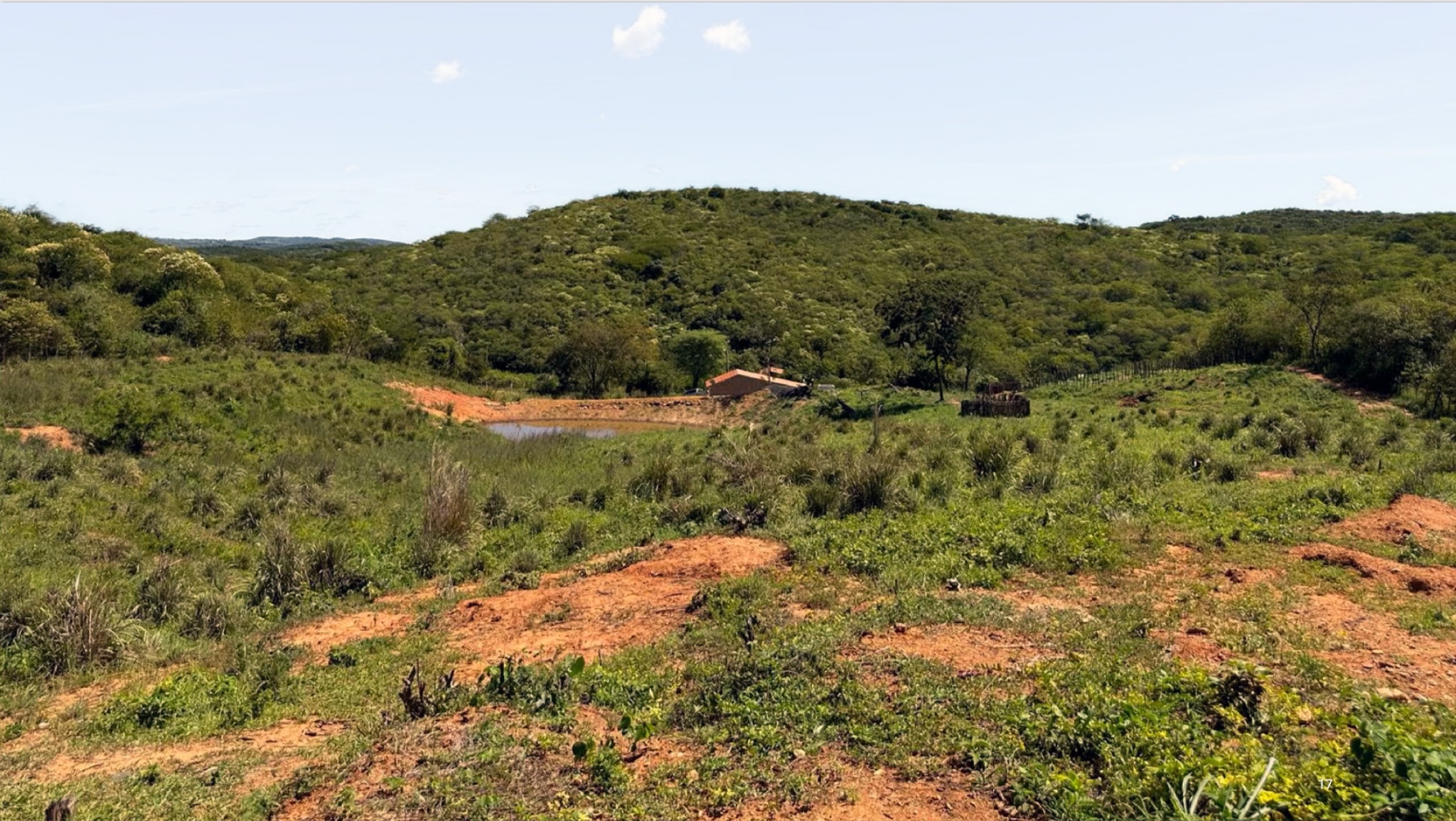
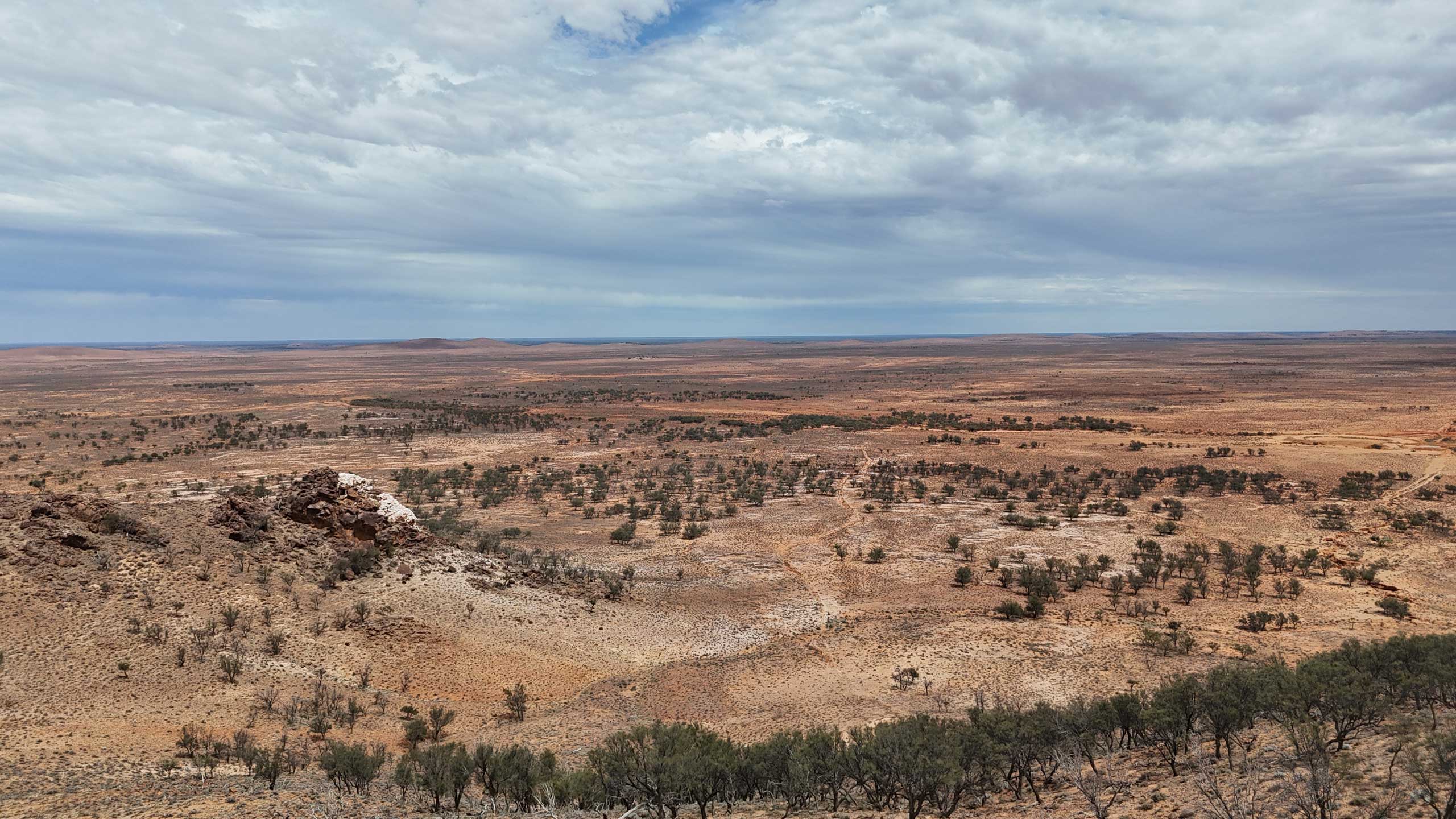
Cobra Resources exercised its option to acquire the Manna Hill Copper Project after a four-hole, 1,465-meter program reported visual copper mineralization to 300 meters depth and indicators of a potentially larger system. A Native Title Agreement, heritage-cleared drill sites, and railway and highway access to Port Pirie and Adelaide reduce the land-access and logistics work required for follow-up exploration. Laboratory assays are intended to quantify the observed mineralization, while the reverse circulation program planned for September is targeting its continuity and scale ahead of potential resource definition.
Concentrate Shortages Support Higher Copper Prices Before Targeted Tonnes Reach Market
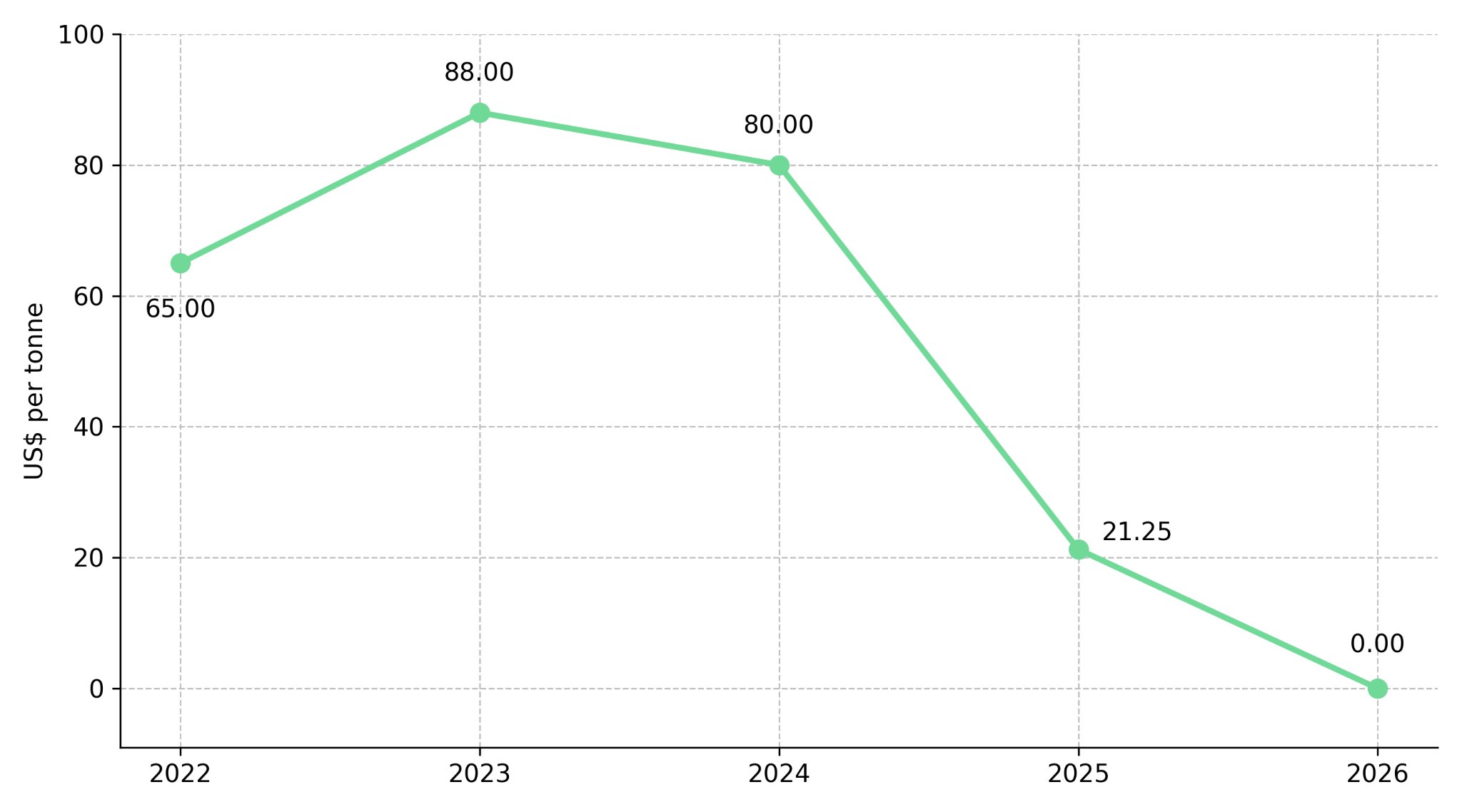
The targeted 540,000 tonnes of annual output equals roughly 2.3% of the ICSG forecast of 23.559 million tonnes of global mine production in 2026, compared with forecast mine production growth of 1.6%. ICSG also forecasts refined copper surpluses of 96,000 tonnes in 2026 and 377,000 tonnes in 2027 as refined production growth slows to 0.4% in 2026, leaving supply and demand sensitive to project delays and operating disruptions. J.P. Morgan raised its base-case fourth-quarter 2026 copper price forecast to US$14,800 per tonne on August 21, 2026 and increased its 2027 average forecast by 19% to US$13,800 per tonne. The higher price forecasts alongside projected surpluses show that annual global balances do not capture the timing and location of available supply.
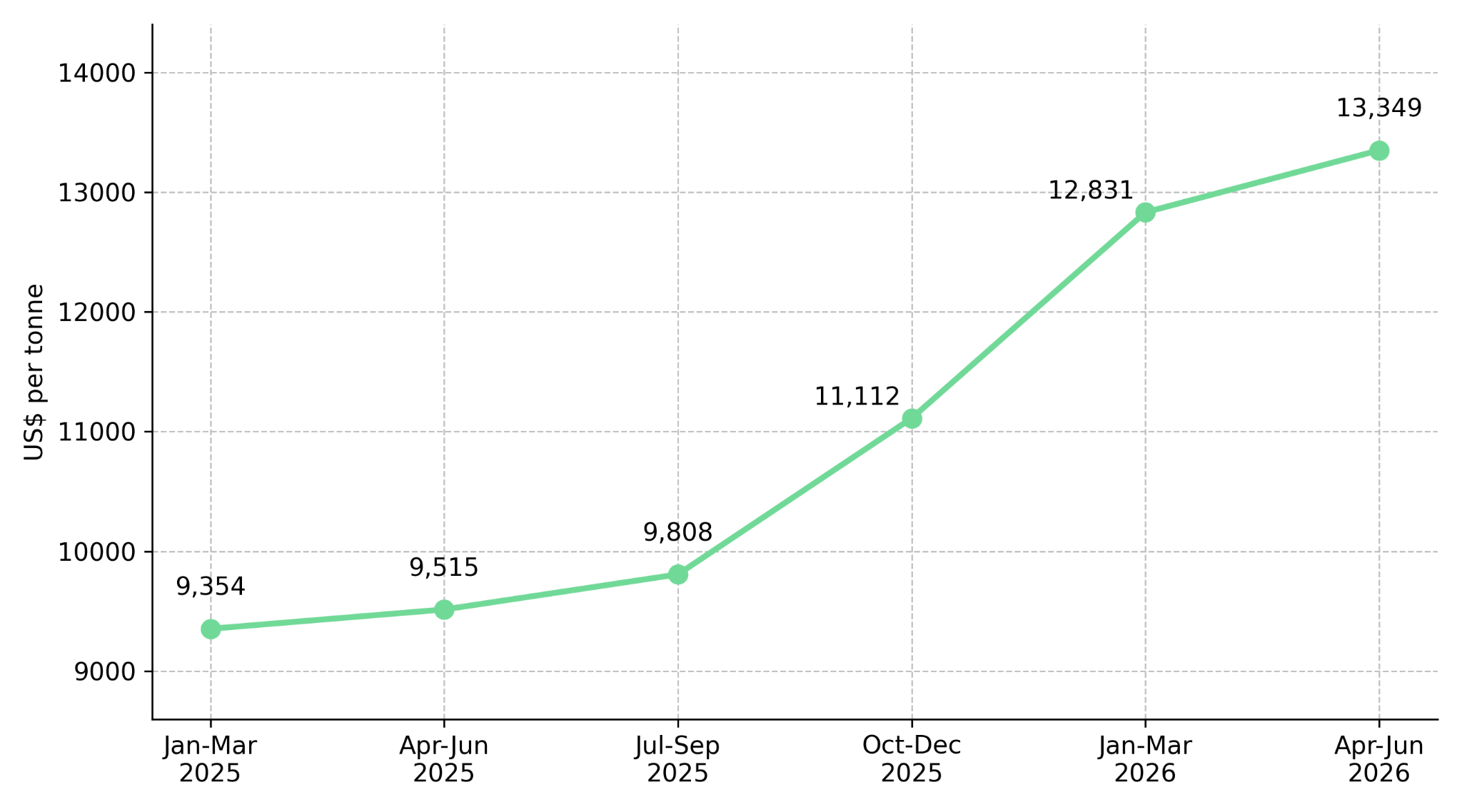
Negative copper concentrate treatment charges show that smelting capacity is competing for limited mine supply. Spot treatment charges, which smelters normally deduct from payments to miners, fell to -US$173 per tonne on August 7, 2026, compared with the record-low annual benchmark of US$0 agreed in January 2026. At negative rates, smelters effectively pay miners to secure concentrate, placing the constraint at the mine-supply stage rather than in refining capacity.
Argentina and Chile are reducing cross-border development requirements while the Democratic Republic of the Congo (DRC) is restricting concentrate exports to encourage domestic processing. A DRC order dated June 29, 2026 and made public on August 6 banned copper and cobalt concentrate exports; in the first quarter of 2026, the country exported 53,926 tonnes of concentrate compared with 696,725 tonnes of copper cathode. The policies direct capital differently, with the DRC requiring more domestic processing while Argentina and Chile aim to reduce duplicated infrastructure requirements for cross-border mines.
The Investment Thesis for Copper
- Argentina and Chile established cross-border operating protocols that allow projects to coordinate shared infrastructure, which could lower pre-production capital requirements for deposits spanning both countries.
- The targeted 540,000 tonnes of annual output equals roughly 2.3% of ICSG’s 2026 global mine production forecast, but the protocols could lower project costs and shorten development timelines before any additional copper reaches the market.
- Stronger copper prices can protect producer cash flow during volume declines, but operating constraints still limit near-term supply growth and increase the importance of development-stage projects to future production.
- Completed feasibility studies, environmental approvals, and nearby ports and processing inputs reduce remaining development requirements, while shared cross-border infrastructure could extend similar cost and scheduling advantages to inland deposits.
- Minority equity investments can fund exploration before resources are defined, while technical alliances, exclusivity periods, and top-up rights give the funding partner early project access and a defined path to increase ownership as discoveries advance.
- Secured land access and reusable processing infrastructure can reduce construction requirements and development timelines outside South America, making project readiness an important financing factor alongside resource size and grade.
The August 27 protocols do not create immediate copper supply, but they could lower the cost and time required to develop deposits spanning Argentina and Chile by enabling shared infrastructure. That development advantage matters as Chilean output is forecast to fall 2.6% in 2026 and seismic risk delays additional capacity at El Teniente, limiting near-term replacement supply. Resource size and grade define potential value, while permits, land access, existing plants, port proximity, and cross-border infrastructure determine the capital required per tonne of annual capacity and the time to first production.
TL;DR
Argentina and Chile's new cross-border protocols could lower the cost and time needed to develop three Andean copper projects by allowing shared infrastructure. The projects target 540,000 tonnes of annual output, equal to roughly 2.3% of forecast 2026 global mine production, but that supply still requires permits, financing, construction approval, and time. Meanwhile, Chilean output is forecast to fall 2.6%, Codelco volumes are declining despite higher profits, and negative treatment charges signal limited concentrate availability. Across the six featured companies, access to ports, plants, land agreements, funding, and established infrastructure can reduce development requirements and improve the path from discovery to production.
FAQs (AI-Generated)
Analyst's Notes





Subscribe to Our Channel









%20(1).png)


Stay Informed


