




Abitibi Metals Is Building a District, Not Just a Deposit


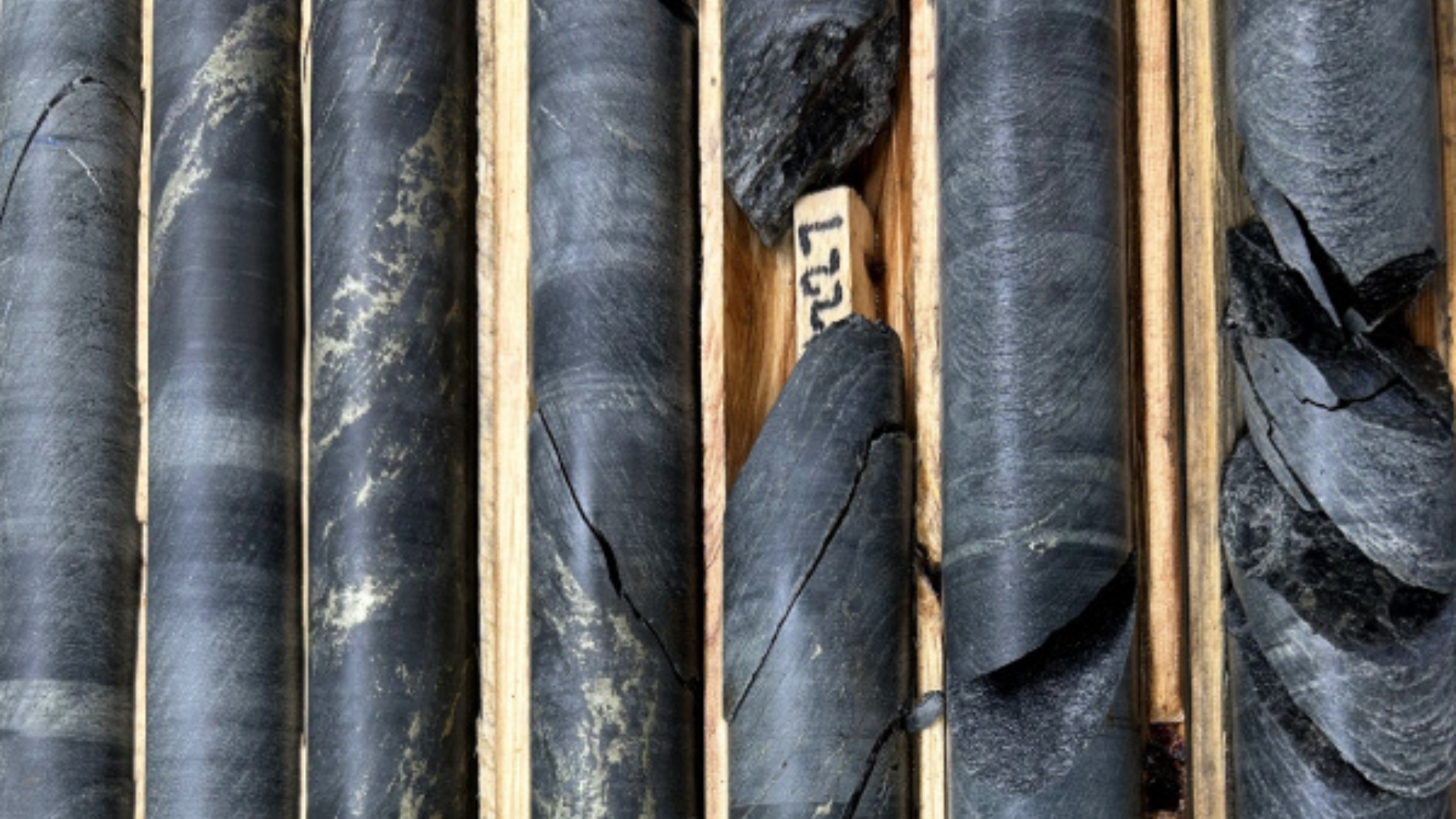
Abitibi Metals' buyout of SOQUEM's B26 stake sets up a bigger play: consolidating Quebec's Selbaie Camp into a central-mill district.
- Abitibi Metals now owns 100% of the B26 polymetallic deposit after agreeing to buy SOQUEM's remaining 20% interest for about C$7 million at closing.
- The agreement carries a 10-year right of first refusal (ROFR) on SOQUEM's Wagosic and Carheil properties, positioning Abitibi as the consolidator of the surrounding Selbaie Camp.
- Management is targeting a central-mill district that could reach 50 to 100 million tonnes, fed by B26 and neighbouring deposits.
- B26 holds a 25.3 million tonne resource, up 124% since 2023, with an internal target of 40 to 45 million tonnes.
- A treasury of about C$44 million to C$45 million funds a drill programme of up to 80,000 metres and a preliminary economic assessment (PEA) targeted for the first quarter of 2027.
When Abitibi Metals (CSE: AMQ | OTCQB: AMQFF | FSE: FW0) agreed in June 2026 to buy out SOQUEM's remaining 20% interest in the B26 polymetallic deposit, the headline was full ownership of its flagship. The more strategically significant part of the deal is what came attached to it: a decade-long claim to the ground around B26 and a framework to jointly develop that ground. President and Chief Executive Officer of Abitibi Metals, Jon Deluce, set out a plan that treats B26 less as a destination and more as the anchor of a much larger district in Quebec's Selbaie Camp.
Full B26 Ownership & the Wagosic & Carheil ROFR
The transaction moves B26 from an 80/20 arrangement to outright control for an initial C$7 million at closing, structured as C$5 million in cash and C$2 million in shares. The cash portion is reduced by 20% of the B26 exploration spending attributable to SOQUEM's interest, which Deluce put at a net payment of roughly C$3.2 million after the audit, for a total net consideration of near C$5.2 million. Two later payments of C$6 million each, split evenly between cash and shares, fall due at the feasibility study stage or within 3 years, and at the construction decision stage or within 5 years, while SOQUEM retains a 1% net smelter return (NSR) royalty that replaces the 2023 joint-venture royalty.
The part that reaches beyond the deposit is a 10-year right of first refusal (ROFR) on Wagosic and Carheil, two properties wholly owned by SOQUEM, a subsidiary of Investissement Québec. The same agreement establishes a joint technical committee to advance B26 and Wagosic.
Deluce is direct about what the deal really buys:
"This came with the ROFR on both Wagosic and Carheil for a 10-year period, which I think cements our view of being the logical consolidator of additional government assets within the camp, of which SOQUEM has done an amazing job in building up what is both early-stage and advanced-stage exploration targets."
Ten years is long enough to run the studies that would settle how the camp's assets fit together before any third party can move on them.
A Central Mill Model Across the Selbaie Camp
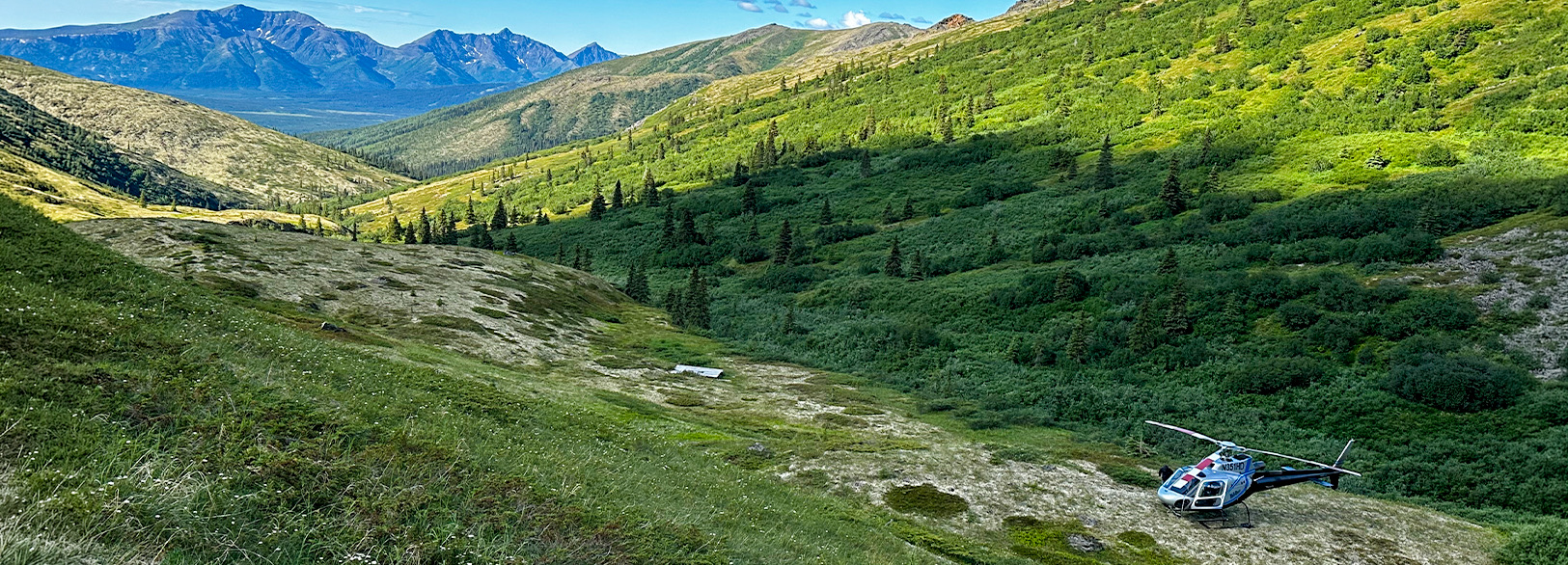
The strategy rests on shared processing infrastructure rather than a single orebody. B26 sits in a district that once hosted the Selbaie mine, a 60-million-tonne deposit, and the Quebec government has since made a standalone discovery at Wagosic, where it drilled 18,000 metres last winter.
Deluce frames the district design this way:
"A very strong, standalone resource-stage project that could feed into a central development in the camp that feeds a central mill, with the flagship asset being B26, but complemented by other assets in the surrounding camp. And I think that's what comes together to produce a tier-one district."
Initial metallurgical test work on blended B26 and Wagosic material is the first step in checking whether a single processing hub can draw on both. Deluce has framed that leverage as the difference between a strong project and a world-class camp, putting the district's combined potential at 50 to 100 million tonnes. Reaching that range would depend on converting the ROFR into ownership of the neighbouring ground and on the blended metallurgy supporting a shared flowsheet.
B26 Resource Growth & Open Extensions
The district ambition sits atop a deposit that is still growing. B26's 2026 resource stands at 25.3 million tonnes, comprising 13.0 million tonnes indicated at 2.1% copper equivalent and 12.4 million tonnes inferred at 2.2% copper equivalent, a 124% increase in tonnage since Abitibi's initial 2023 option. The deposit is a kilometre-scale, stacked volcanogenic massive sulphide (VMS) system that remains open laterally and at depth, with the zinc-silver lens recently traced further west than historical drilling had shown.
Recent holes returned 4.04% copper equivalent over 14 metres within a broader interval of 1.48% copper equivalent over 46.7 metres. Deluce argues the deposit is already at critical mass on the strength of its size, continuity, tonnes per vertical metre, and grade distribution. He is targeting growth from 25.3 million tonnes toward 40 to 45 million tonnes, and a magnetotelluric survey and down-hole geophysics are aimed at deeper feeder structures ahead of the next resource update.
Funding & the Development Team
Abitibi enters this phase funded and staffed for development, not exploration alone. A C$31 million private placement brought in Discovery Silver as a 9.9% shareholder, and a treasury of about C$44 million to C$45 million funds the plan through 2027 and into 2028, with the Deluce Family Office and management holding close to 20%. Discovery Silver's group is known for building the Timmins district and acquiring the Kidd Creek mine from Glencore.
The development side gained a builder in January, when Chief Operating Officer Dave Bernier joined from Foran, where he spent 4 years taking the McIlvenna Bay project from pre-feasibility study through to commercial production. That funded position, combined with the development experience now in place, is what lets Abitibi weigh further camp acquisitions from its own balance sheet rather than around financing.
Drilling & Study Milestones Into 2027
The next 18 months are where the plan turns into results. Three drill rigs are turning as part of a programme of up to 80,000 metres, funded across 2026 and 2027; a first regional exploration programme is set for the winter; and a preliminary economic assessment (PEA) and an updated resource estimate are both targeted for the first quarter of 2027.
Deluce lays out the calendar:
"In the coming months, we have ongoing drill results, with 3 rigs on site and a large pipeline of results coming right until Christmas and likely right through to the new year. During that time, we're also working on stage 2 metallurgical testing in addition to geotechnical results, which will feed into the PEA and delivery in 2027."
Beyond the funded work, Deluce has flagged the possibility of consolidating further ground, inside or outside the SOQUEM partnership, over the remainder of the year.
FAQs (AI-Generated)
Analyst's Notes





Subscribe to Our Channel



Stay Informed






















