




Middle East Supply Risks Push Brent Above $86: Temporary War Premium or a Longer Oil Supply Shock?


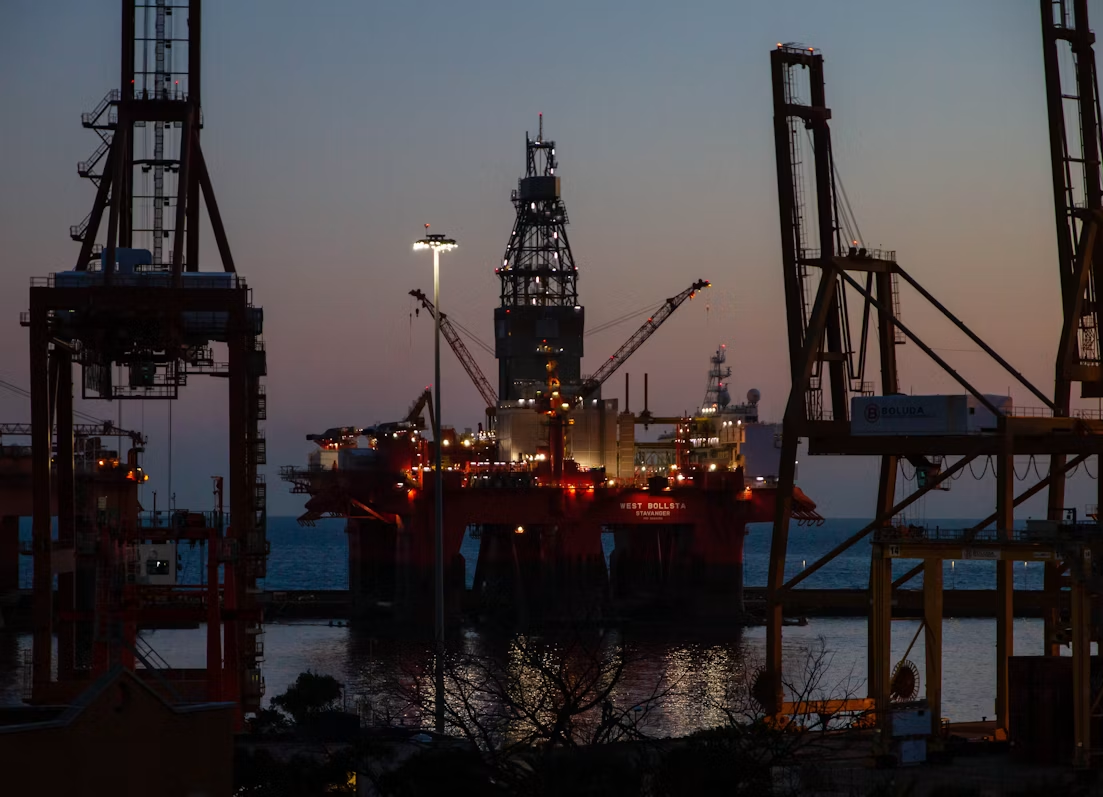
Brent hits $86.20 as US-Iran strikes threaten Hormuz supply and diesel refining margins hit a record $66.25 premium over crude, lifting mining costs.
- Brent rose 2.34% to $86.20 a barrel and WTI reached $80.99 after Iran struck a Kuwaiti power plant and a tanker off Oman, increasing concerns over Gulf oil supply.
- Brent and WTI gained about 13% this week as disruption risks around the Strait of Hormuz, which carries about 20% of global oil flows, supported prices.
- The diesel crack spread reached a record $66.25 above Brent, raising fuel costs for mining operations without fuel hedges.
- Rystad Energy continues to base its outlook on a limited Washington-Tehran agreement, although the collapse of last month's truce has reduced confidence in that scenario.
- President Donald Trump said US forces would target Iran's infrastructure next week without a breakthrough, signaling a potential trigger for unwinding the war premium.
Iran's Attack on Kuwait & Red Sea Threat Push Oil Prices Higher
Brent rose 2.34% to $86.20 a barrel and WTI gained 2.4% to $80.86 as the US and Iran intensified attacks across the Gulf. An Iranian strike damaged a Kuwaiti power and desalination plant, triggering a fire across multiple generating units. A tanker off Oman sustained minor damage, reinforcing concerns over Gulf shipping security.
Brent and WTI have gained about 13% this week, marking Brent's third consecutive weekly gain and WTI's second. Diesel refining margins reached a record high, with gasoil futures trading $66.25 above Brent as restricted Hormuz shipping and refinery disruptions tightened fuel supply. Higher diesel prices increase operating costs for mining companies that rely on unhedged fuel purchases.
How Hormuz Flows Broke & Why They Stay Restricted
US Central Command completed a sixth consecutive night of strikes on Iran's military and maritime infrastructure, and Iran retaliated with attacks on US-linked targets across the Gulf. Qatar intercepted an Iranian missile, highlighting the growing regional conflict. Each exchange increases disruption risk around the Strait of Hormuz, which carries about 20% of global oil flows.
The collapse of last month's truce prolonged the conflict and kept shipping risks elevated. Reuters reported that Iran instructed Yemen's Houthi movement to prepare to close the Red Sea shipping route if the US targets Iranian power infrastructure, although CNBC has not independently verified the report. Commerzbank said Saudi exports have shifted toward the Red Sea, meaning a Bab al-Mandab blockade would disrupt that alternative shipping route.
Two Paths for Oil's War Premium: Base Case vs Escalation Risk
International Energy Agency Executive Director Fatih Birol said oil security remains critical, adding, "We should be worried, and I am worried, if the situation does not improve in the next few weeks." That timeframe will determine how long elevated diesel costs persist. Under Rystad Energy's base case, a limited Washington-Tehran agreement would reverse part of this week's 13% gain in Brent and WTI and narrow the record $66.25 diesel crack. President Donald Trump said progress should become clearer by next week, providing a timeline for a potential reduction in the war premium.
In the escalation scenario, the Houthi movement closes the Red Sea shipping route at Iran's request, although CNBC has not independently verified the Reuters report. Brent would likely extend this week's 13% advance, while the diesel crack widens further if shipping disruptions continue. Any further decline in Rystad Energy's confidence in its base case would increase the likelihood of higher oil prices and diesel costs.
Diesel Costs & the Mining Sector's Margin Exposure
Mining companies are more exposed to higher diesel costs than geopolitical headlines. The record $66.25 gasoil-over-Brent crack increases operating costs for mines without fuel hedges, especially those relying on off-grid diesel generation. Birol said oil security risks could worsen over the next few weeks, making that the key period to assess diesel cost exposure. Operations with fuel contracts secured before this week's 13% oil price increase face lower fuel costs than those buying diesel at spot prices.
Reuters reported that Iran instructed the Houthis to prepare to close the Red Sea route, although CNBC has not independently verified the report, while President Donald Trump's "next week" deadline remains a stated intention rather than a confirmed outcome. Tracking the diesel crack spread and Strait of Hormuz shipping flows provides a stronger measure of mining cost risk than reacting to geopolitical headlines.
What to Monitor
Elevated diesel costs are likely to persist while Brent remains above $86 a barrel and the diesel crack stays near its record $66.25 over Brent, keeping fuel costs high for mining operations without fixed-price fuel contracts. A limited Washington-Tehran agreement, Rystad Energy's base case, or another diplomatic breakthrough could reverse part of this week's 13% Brent and WTI gain, narrow the diesel crack, and reduce operating costs.
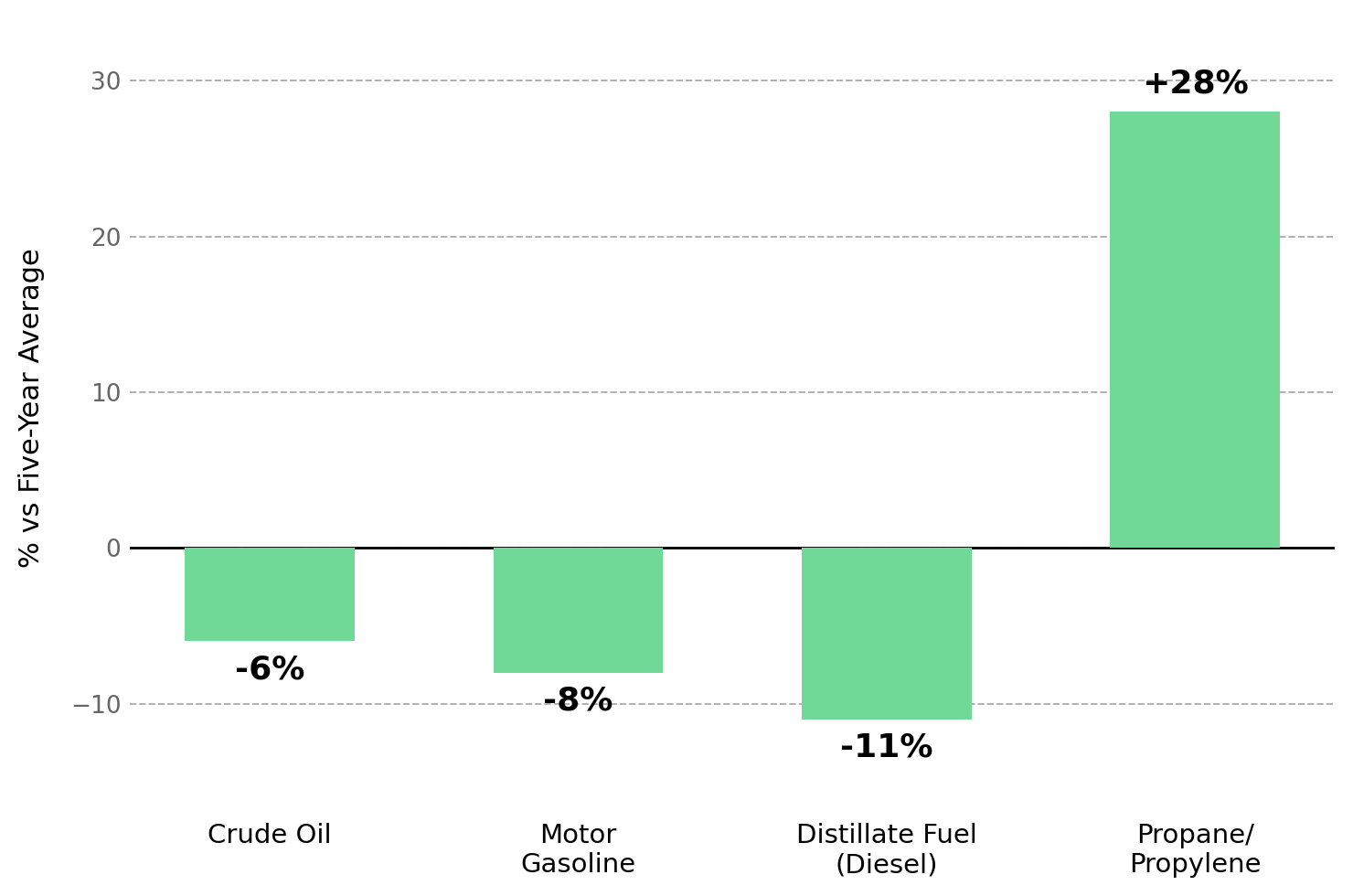
The ICE Brent September 2026 contract, the gasoil-Brent crack spread, and the EIA's Weekly Petroleum Status Report remain the key indicators to monitor. The latest EIA data showed commercial crude inventories 6% below the five-year average, indicating oil markets remain sensitive to further supply disruptions.
Analyst's Notes





Subscribe to Our Channel







Stay Informed


