ATHA Energy Kicks Off Its Largest-Ever Drilling Season at Its Nunavut Uranium Project


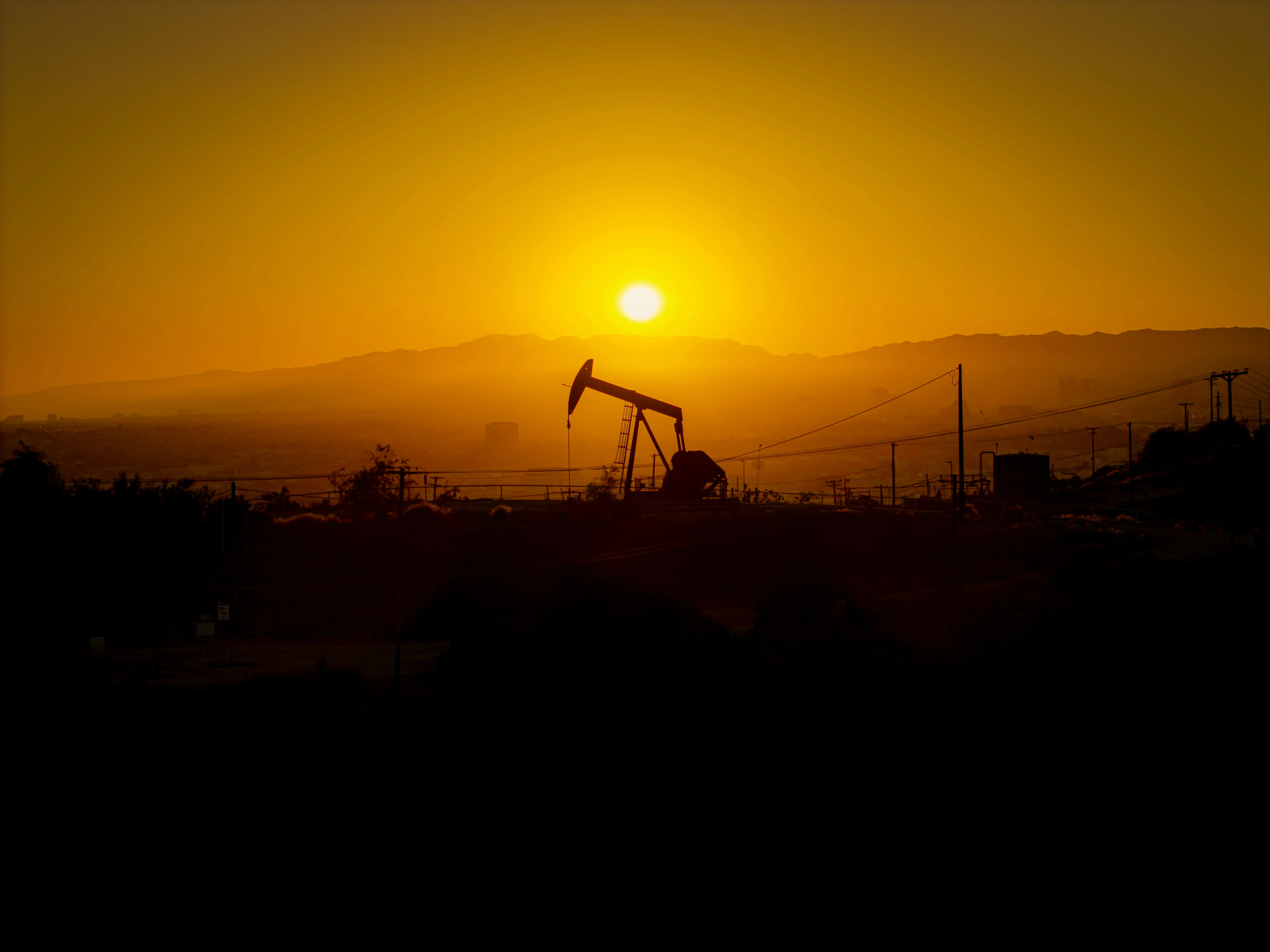
ATHA Energy (TSX-V: SASK) launches its largest-ever uranium drill program in Nunavut, targeting three areas with CAD $63 million fully funded for 2026.
- ATHA Energy has started drilling at its Angilak Uranium Project in Nunavut, Canada - its biggest program yet, with three teams in the field from May 1 through September 2026.
- The company already has CAD $63 million set aside to fund this program, so it does not need to raise more money while drilling is underway.
- Work is focused on three separate areas of the property, each chosen because earlier exploration found signs of uranium there.
- The most significant find from previous seasons - a section of rock with uranium levels more than 8 times the industry's high-grade threshold - has never been drilled again, making a follow-up result the most important thing to watch in 2026.
- A large aerial scan of the surrounding land is planned for late June 2026, with results expected by the end of the year - this will determine where the company drills next.
Program Launch
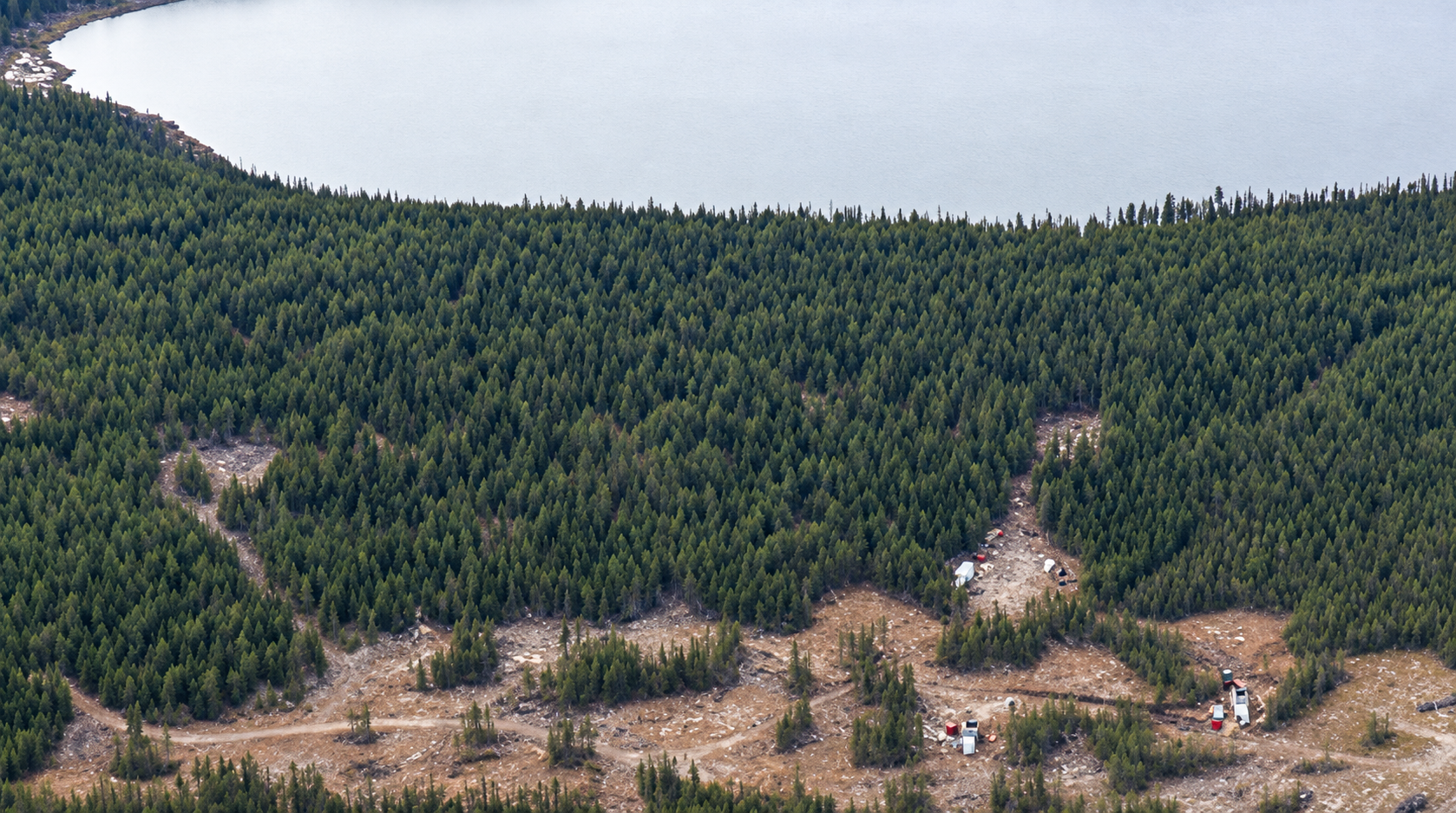
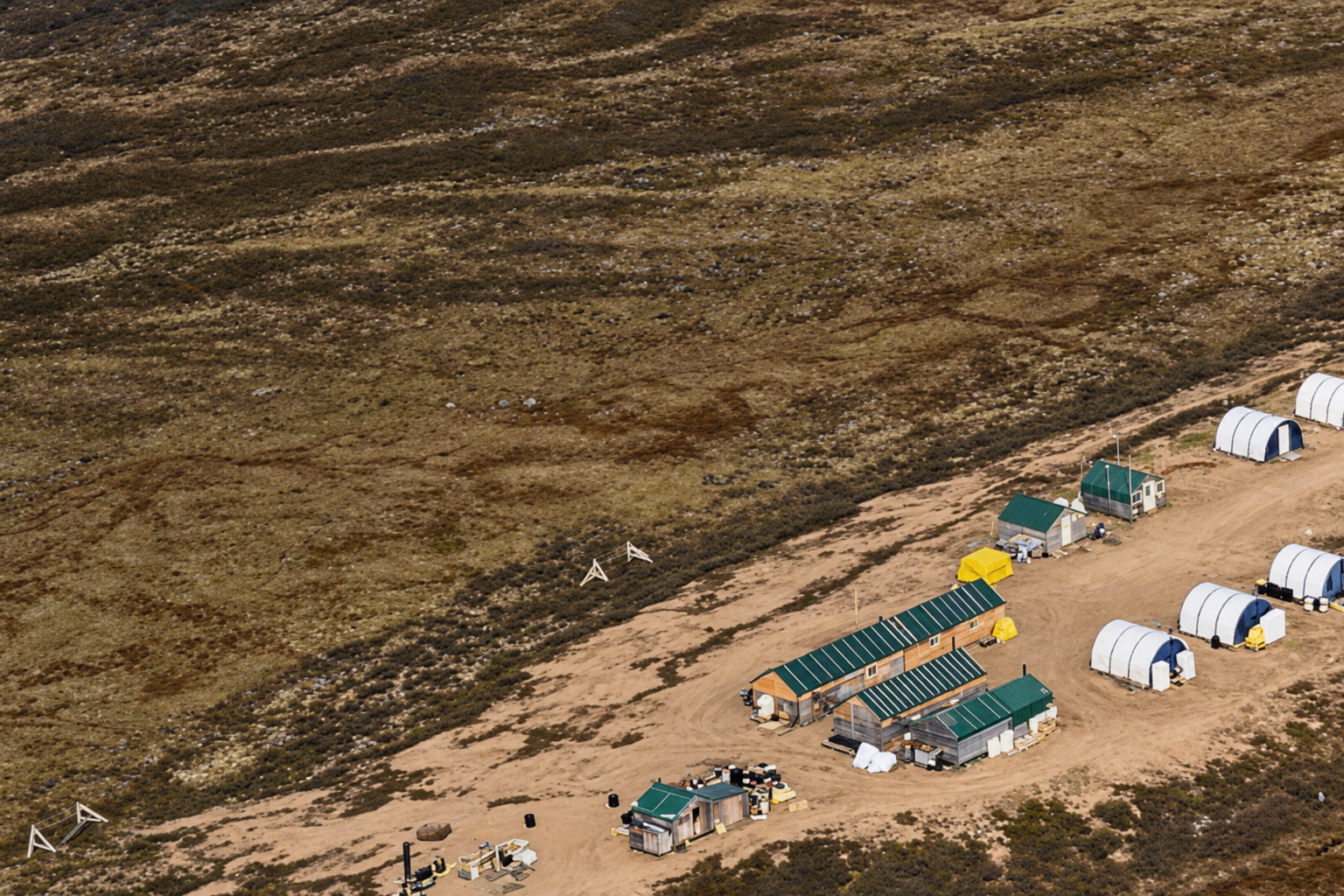
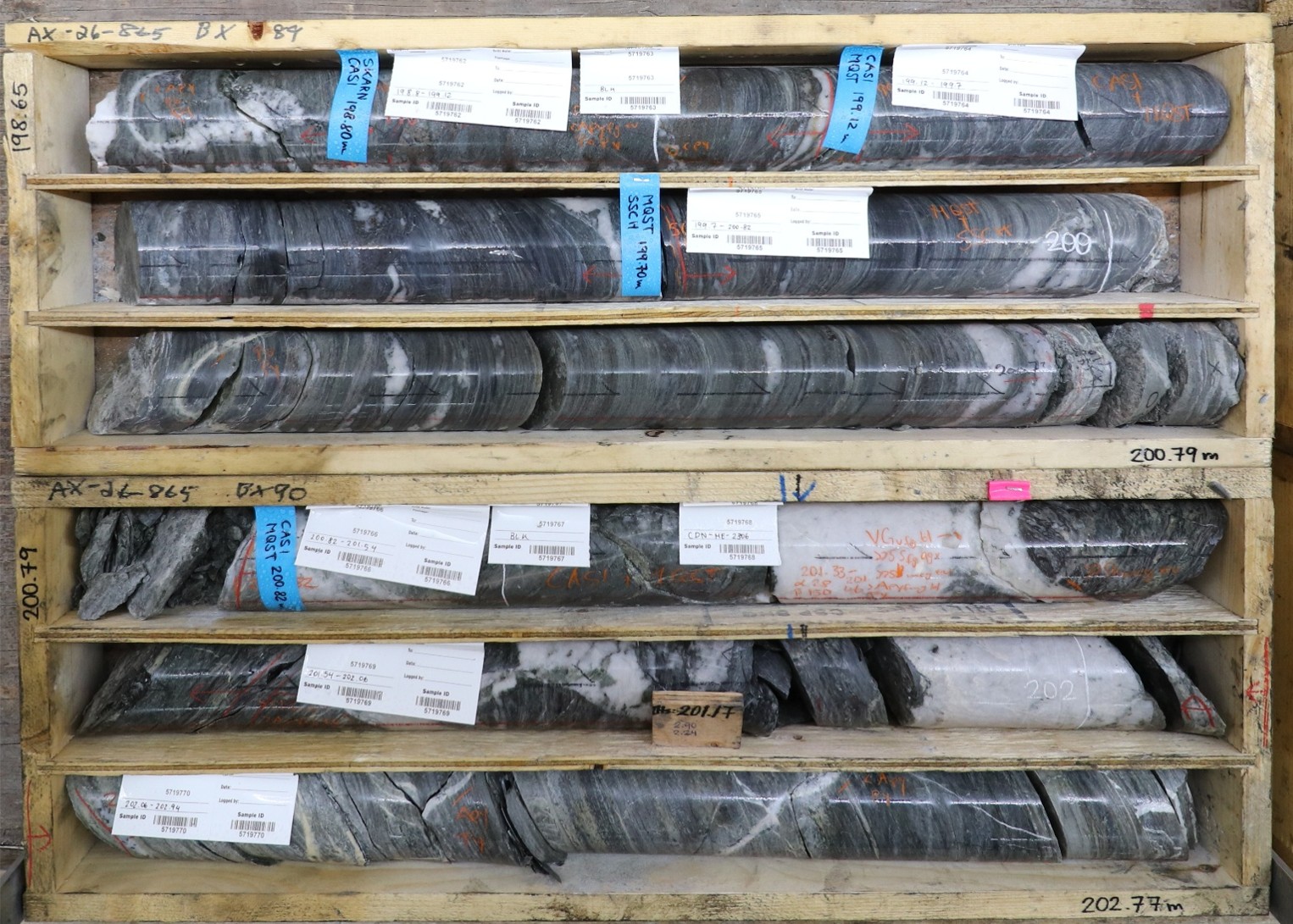
ATHA Energy (TSX-V: SASK | FRA: X5U | OTCQB: SASKF) started drilling on May 1, 2026 at its Angilak Uranium Project in southern Nunavut, Canada, following mobilisation completed in late April. Drilling means pulling up narrow tubes of rock from deep underground so scientists can test how much uranium is inside and how far it spreads. ATHA is running three drilling teams across three separate areas of the property simultaneously - more ground covered than its 2024 and 2025 seasons put together.
The full cost of the program is covered by CAD $63 million - roughly US $46 million - secured in February 2026, meaning the company does not need to ask investors for more money while the work is in progress.
Chief Executive Officer of ATHA Energy, Troy Boisjoli, explained the shift in scale:
"The 2026 Angilak Exploration Program will be the largest to date on the property, with the Company planning to drill more than double the metres executed during the combined 2024 and 2025 programs. Exploration will focus on discovery and expansion - using the same successful systematic approach used in 2025 that led to five new regional showings, including RIB North, and expansion off the known zones of mineralisation."
Exploration Targets
The first area - called the RIB Corridor - is where ATHA made its most significant find last year. In 2025, the very first hole drilled at a spot within this area called RIB North returned a 34.7-metre stretch of rock containing uranium at levels of up to 8.16% uranium oxide (U3O8) - more than 8 times what the mining industry considers high-grade. No follow-up drilling has been done there since, making a 2026 confirmation result the single most important data point this season.
The second area, called the Lac 50 Deposit Corridor, is the property's oldest known uranium zone. Its boundaries have not been fully mapped, so ATHA will drill outward from what is already known to see how large it could be. The third area, the KU-Nine Iron Corridor, is the newest, where scanning data from 2025 identified targets connecting directly to uranium found last year and to a historically known uranium showing.
Vice President of Exploration, Cliff Revering, addressed the approach behind the target selection:
"Results from 2024 and 2025 reflect a disciplined, systematic, and data-driven targeting approach, which has delivered meaningful value through the expansion of the Lac 50 Deposit and multiple new discoveries across the RIB and KU areas."
Project & Regional Context
The Angilak Uranium Project sits in southern Nunavut, within a large stretch of land called the Angikuni Basin, which ATHA owns outright. The project is in a part of Canada with a well-established framework for mining activity, making it a lower-risk jurisdiction for investors compared to many international exploration projects. ATHA acquired the property in 2024 and has since completed two exploration seasons, finding uranium in every single area it tested - an outcome that is uncommon at this early stage of exploration.
Starting in late June 2026, Expert Geophysics will fly equipment over the entire basin to build a detailed underground map using signals that pass through rock. ATHA used the same method in 2025, and the resulting maps led directly to the five new uranium-bearing areas found that year, including RIB North. The completed map is expected by the end of 2026 and will determine where the company drills beyond the current season.
Beyond Angilak, ATHA holds approximately 6.8 million acres of land across several of Canada's most active uranium regions. It also holds a 10% stake in projects run by NexGen Energy (TSX: NXE | NYSE:NXE | ASX:NXG) and IsoEnergy (TSX: ISO | OTCQX:ISENF) in Saskatchewan, meaning ATHA shares in any value those projects create without paying any of the exploration costs.
Resource Base
Angilak does not yet have an officially recognised measurement of how much uranium it contains. Under Canada's National Instrument 43-101 (NI 43-101) reporting standard, that figure must be independently verified before the project's value can be formally calculated. The closest figure available is an internal, conceptual estimate at the Lac 50 Deposit area, which has no regulatory standing. Establishing a first NI 43-101 compliant resource estimate remains the most important outstanding milestone for the project.
Share Price & Capitalization
ATHA Energy's shares were trading at CAD $1.11 on the TSX Venture Exchange at the time of the May 5, 2026 announcement. The company's February 2026 financing of CAD $63 million - completed before field work began - is the primary funding basis for the 2026 program and removes near-term capital risk from the exploration schedule. No additional share price movement or market capitalisation data was included in the source material; those figures should be added from current market data before publication.
FAQs (AI-Generated)
Analyst's Notes





Subscribe to Our Channel

Stay Informed