IsoEnergy Confirms High-Grade Uranium at a New Area of Its Flagship Canadian Project, Setting Up a Larger Summer Drilling Campaign


.webp)
IsoEnergy confirms high-grade uranium in a new southern zone at Larocque East, raising the prospect of a larger resource ahead of a 20-hole summer programme.
- IsoEnergy has received laboratory results from its 2026 winter drilling programme at the Larocque East project in Saskatchewan, Canada, confirming high-grade uranium in a newly identified zone south of its main deposit.
- The strongest result came from a single drill hole that returned some of the highest uranium concentrations recorded at the project to date, in an area that had previously been mapped as lower-grade ground.
- Two additional drill holes nearby also returned elevated uranium grades, suggesting the newly identified southern zone extends laterally across a meaningful area.
- The results build on early radioactivity readings reported in April 2026, and indicate the project may hold more uranium than is currently counted in the official resource estimate.
- IsoEnergy has planned a summer follow-up drilling programme of around 20 holes to continue testing this southern zone.
What Happened & Why It Matters
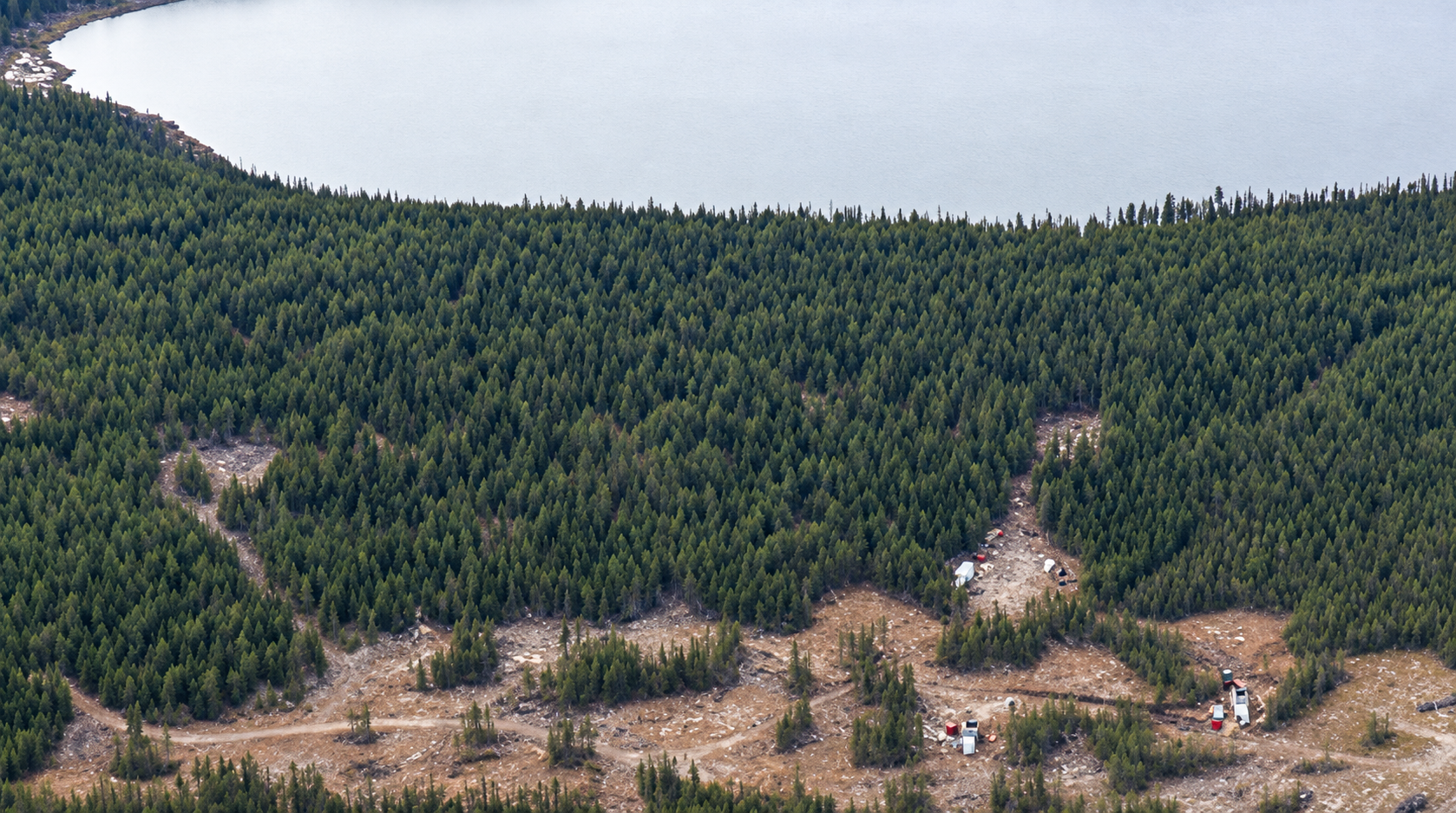
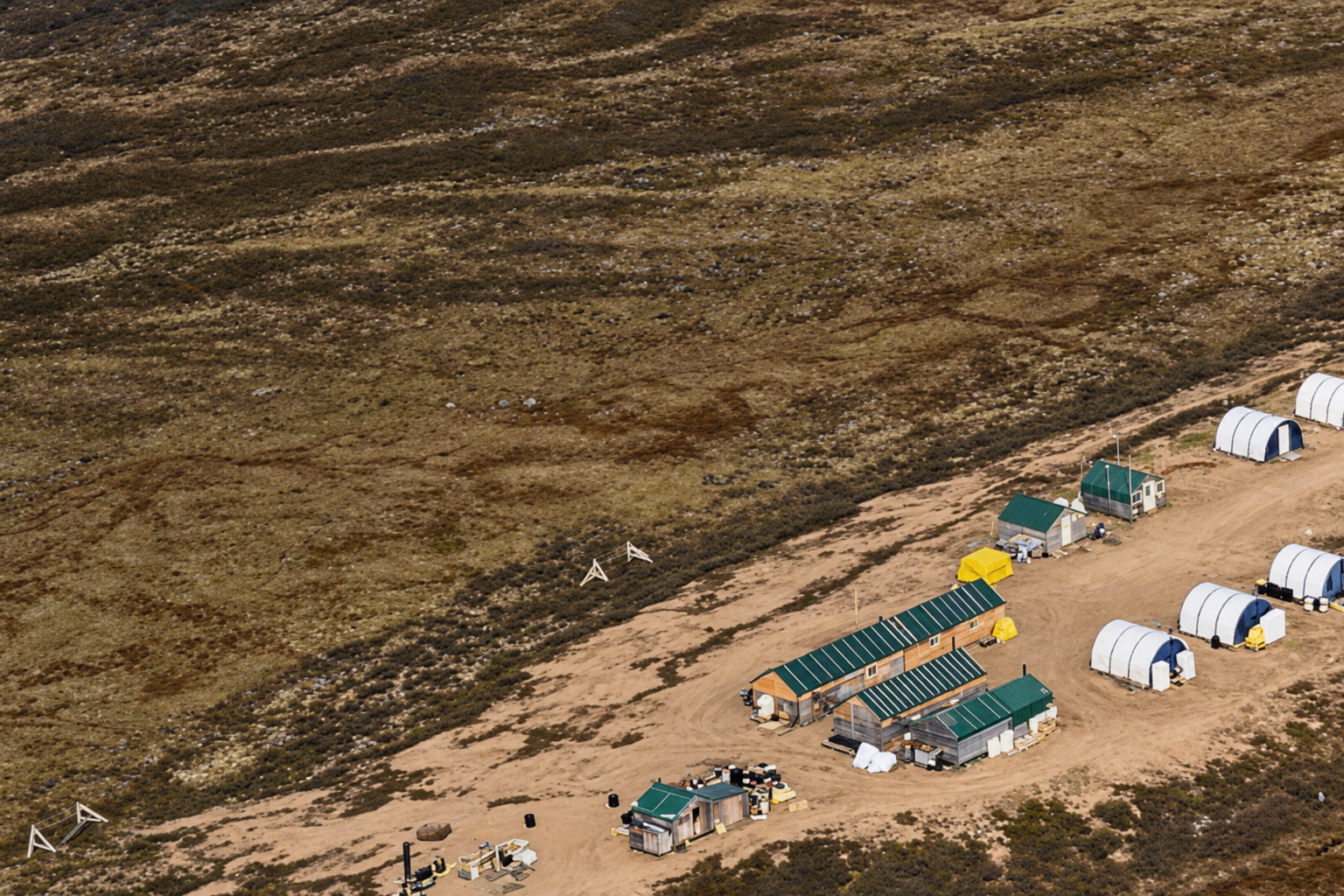
IsoEnergy (NYSE American: ISOU | TSX: ISO) released laboratory results on 12 May 2026 from drilling work carried out earlier this year at its Larocque East project in the Athabasca Basin, a region in northern Saskatchewan, Canada, widely regarded as one of the world's premier uranium-producing areas. The results confirm that uranium is present at high grades in a part of the project that sits south of the main Hurricane deposit - an area that had not previously been drilled as extensively as the rest of the project.
To understand the significance, some context is useful. A uranium deposit is not discovered all at once. Exploration companies drill holes into the ground systematically over time, and with each set of results, they build a clearer picture of how much uranium exists and where it sits. IsoEnergy's Hurricane deposit already holds one of the highest-grade uranium resources in the world. What these latest results suggest is that the mineralised area may extend further south than previously understood.
This matters to investors because any expansion of the area containing high-grade uranium has the potential to increase the project's official resource estimate - the formal count of how much uranium the project is considered to hold. A larger resource estimate is a key milestone in the development of any mining project, as it strengthens the case for advancing toward feasibility and, eventually, production.
What The Drill Results Showed
The most significant result came from a drill hole that intersected high-grade uranium at the contact point between rock layers where uranium mineralisation is typically concentrated in this part of the Athabasca Basin. The grades returned were among the strongest seen at the project to date, and came from a section of the deposit that had previously been modelled as containing only low-grade material. The fact that it returned high-grade uranium instead indicates that the geological understanding of this southern part of the project needs to be updated.
Two additional holes drilled to the east of that location also returned elevated uranium grades. The presence of mineralisation across multiple holes in the same general area supports the view that this is not an isolated result, but rather part of a continuous zone of uranium-bearing rock that has not yet been fully defined.
Taken together, the three intersections form the early outline of what the company is calling the Hurricane South Trend - a newly identified mineralised corridor that sits outside the boundaries of the existing resource and which the company plans to drill more extensively during the coming summer season.
The Project & Its Existing Resource
The Hurricane deposit at Larocque East currently holds an official resource of uranium that places it among the highest-grade indicated uranium deposits in the world. The deposit sits at a relatively accessible depth compared to many other projects in the same region, and is located approximately 40 kilometres from an existing uranium processing facility - a logistical advantage should the project ever progress toward production.
The project also sits along a regional geological structure that hosts other known uranium occurrences, including those associated with major uranium producers Cameco and Orano. This regional context supports the view that the broader area is highly prospective for uranium, and that the Hurricane deposit does not represent the full extent of what the project may ultimately contain.
The latest results are consistent with that view. By confirming high-grade uranium south of the existing resource boundary, IsoEnergy has identified a direction for future resource growth that was not previously supported by drilling data.
What The Company Said
Dan Brisbin, Vice President of Exploration at IsoEnergy, described the significance of the results:
"The LE26-248 intersection is important as it is located along the southernmost known fault strands within the Hurricane fault zone, where drill hole density is lower than on faults to the north that host the high-grade Hurricane uranium mineralization. This intersection, along with mineralization intersected in step-out holes to the east like LE26-243 and LE26-234, highlights the potential along the Hurricane South Trend. We look forward to further testing this mineralized trend in the summer and our Project team is well advanced in program planning."
In plain terms, Brisbin is saying that the southern part of the deposit had simply not been drilled as thoroughly as the rest, and that now that it has, the results suggest it warrants a dedicated follow-up campaign. Brisbin is also the designated independent technical expert responsible for verifying the accuracy of all geological and scientific information disclosed in the release, as required under Canadian securities regulations.
IsoEnergy separately confirmed that its Larocque East operations have not been affected by flooding that has impacted parts of northern Saskatchewan, and stated that it is monitoring conditions in the region closely.
Next Steps
IsoEnergy has announced a summer drilling programme of around 20 holes targeting the Hurricane South Trend. The programme is described as being in advanced planning stages, with the project team well prepared to mobilise. The summer campaign represents the direct follow-through from the winter results, with the goal of establishing how far the newly confirmed mineralised zone extends.
The outcome of the summer programme will determine whether the Hurricane South Trend contains enough additional uranium to support an expansion of the project's official resource estimate. A resource update has not been scheduled in the release, but the summer drilling results will be a key input into any future estimate revision.
FAQs (AI-Generated)
Analyst's Notes





Subscribe to Our Channel



Stay Informed