Atomic Eagle Has a Uranium Project in Zambia & It Thinks the Best Is Still Underground


.webp)
Atomic Eagle (ASX: AEU) owns a uranium deposit in Zambia with a completed mine plan and a fully funded drilling program launched in April 2026 - its largest in 18 years - aimed at confirming enough additional uranium to build a larger, more profitable mine.
- Atomic Eagle launched its largest drilling program in 18 years in April 2026 at Muntanga, fully funded from existing cash.
- The 2025 mine plan was built using only part of the uranium already identified - confirming more could support a larger, more profitable operation.
- Zambia ranked third in Africa on a widely used mining investment safety index in February 2026 and charges uranium miners less than most comparable African countries.
- The uranium extraction method at Muntanga recovered more than 90% of uranium present in project testing and is cheaper to expand than most alternatives.
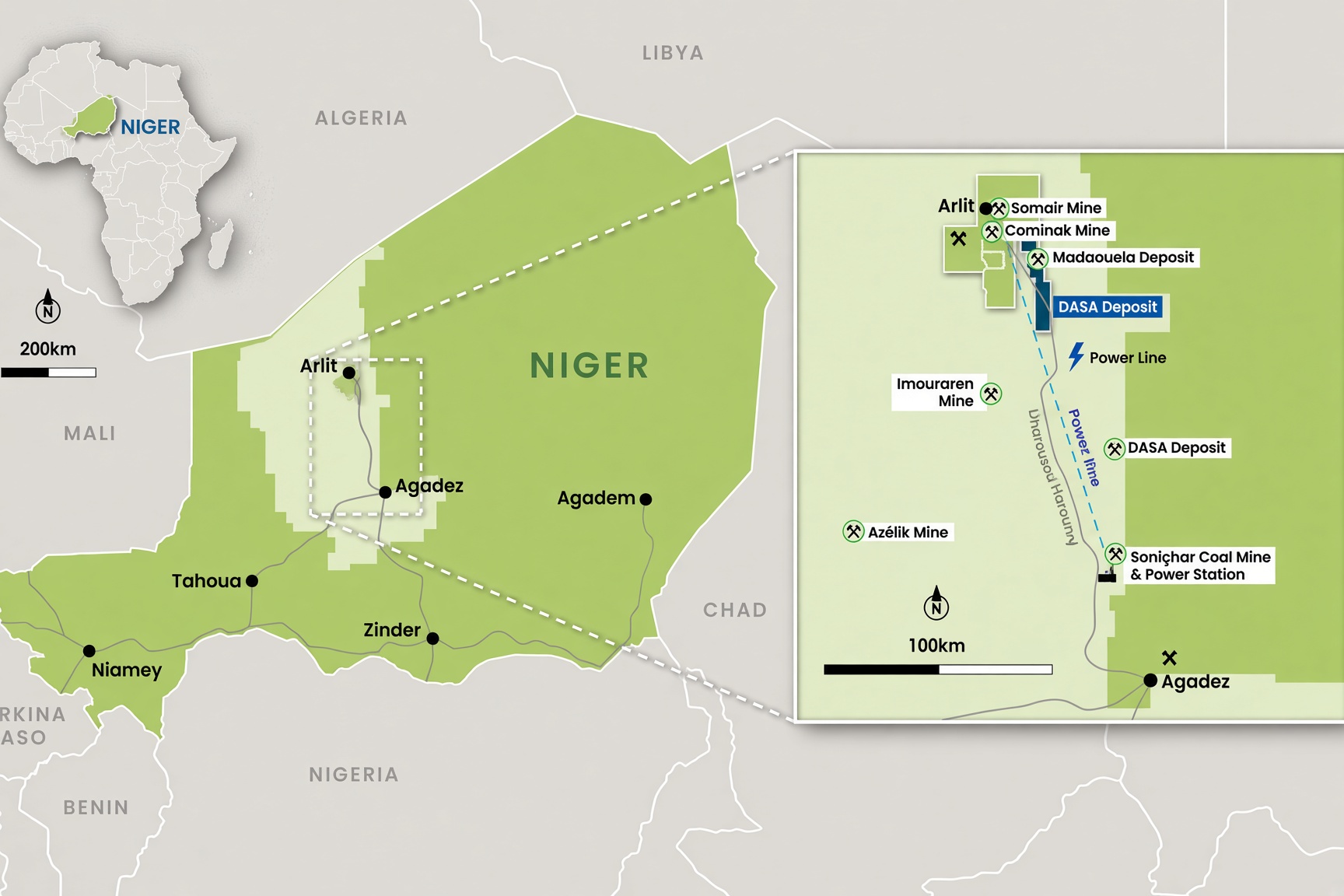
- Atomic Eagle is negotiating with Niger over a separate deposit called Madaouela but holds no rights to it - making it potential upside, not part of the current investment case.
The Mine Plan on the Table Is a Starting Point, Not a Ceiling
Think of a mine plan as a detailed business plan - it sets out how much uranium is in the ground, how it would be mined and processed, how long the operation would run, and whether it makes financial sense. GoviEx Uranium Inc., the company whose Zambian assets Atomic Eagle (ASX: AEU | OTCQX: GVXXF) acquired, completed one of these plans in 2025. It was formally re-released on the ASX on 4 March 2026 after independent engineers signed off on the assumptions used.
The plan projects a mine running for about 12 years, with construction costs paid back within 3.5 years of first production at a uranium price of US$90 per pound. The catch is that it was built using only 56% of the uranium Atomic Eagle has already identified at Muntanga. The remaining 44% - uranium found but not yet drilled in enough detail to be included - was left out entirely. Some of it came from smaller nearby deposits shown to be profitable but excluded to keep the plan simple. Some was added by Atomic Eagle's own first drilling effort in early 2026, which grew total known uranium by 24% on a modest budget.
Phil Hoskins, Chief Executive Officer of Atomic Eagle, sees that gap as the core of the investment case. The extraction method used at Muntanga - where crushed ore is stacked and a mild acid solution draws out the uranium - is well established, recovers more than 90% of uranium present, and is cheaper to expand than most alternatives. A comparable project in Namibia, Bannerman Energy's (ASX: BMN) Etango, shows that more than doubling production capacity through this method added only around 20-25% to construction cost.
The 2026 Drilling Campaign
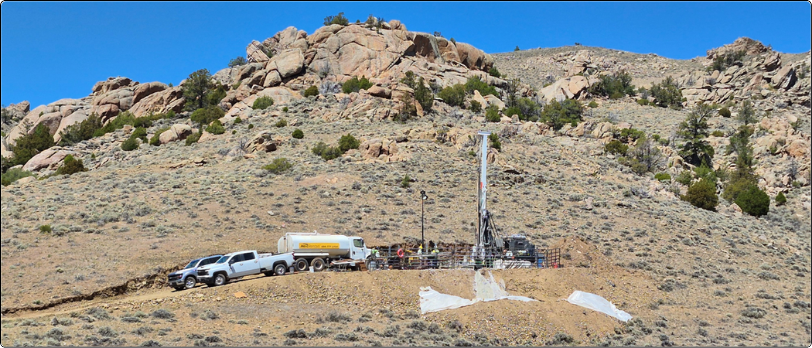
The drilling program started in April 2026 is the most extensive at Muntanga in nearly 20 years. It targets three main areas. At Muntanga North, survey teams have identified multiple targets showing the same underground signals as the uranium deposits already confirmed on the licence. At Namakande 1 and Namakande 2, similar signals have been found close to one of the deposits added in early 2026. At Chisebuka, additional drilling is planned to increase confidence in what is already there - a step needed before that uranium can be included in an updated mine plan.
Management is targeting total drilling to exceed 50,000 metres by year-end. The company has guided that it will finish 2026 with more than $8 million in cash remaining, meaning it does not need to issue new shares to fund the work - removing one of the most common risks for smaller mining companies.
Why Zambia Matters
Major uranium-consuming countries are locking in future supply. The US imported 95% of the uranium used by its nuclear utilities in 2023, as reported by the US Energy Information Administration (EIA), and banned Russian-origin uranium in May 2024. China had 30 reactors under construction in April 2025, the largest nuclear building program in the world, as reported by the World Nuclear Association. India signed a deal with Cameco (TSX: CCO | NYSE: CCJ) in March 2026 to buy nearly 22 million pounds of uranium over nine years at an estimated C$2.6 billion. Each of these agreements leaves fewer available pounds for other buyers, strengthening the negotiating position of developers that can offer credible, near-term supply.
Zambia sits well in this environment. It ranked 25th out of 68 countries globally and third in Africa on the Investment Attractiveness Index in the Fraser Institute Annual Survey of Mining Companies 2025, published February 2026 - ahead of Namibia and South Africa. It charges a 5% royalty and 30% corporate tax with no government free carry, meaning a larger share of earnings stays with the mining company than in most comparable African uranium jurisdictions. All of Muntanga's uranium sits on ground where Atomic Eagle already holds full mining licences. Environmental submissions were lodged with the Zambian authority in October 2025, a public hearing was held in January 2026, and Hoskins is targeting formal approval by mid-2026.
Niger: Potential Upside, No Current Rights
Niger's government cancelled Atomic Eagle's permits for the Madaouela uranium project in July 2024. The company launched international legal proceedings, then agreed in February 2025 to pause them while negotiations continue. As of March 2026, Atomic Eagle holds no rights to the project. Madaouela holds uranium roughly 4 times more concentrated than Muntanga, and more than US$160 million was spent on it over many years. If talks succeed, it adds a significant second asset. If they do not, the Zambian case stands on its own.
Key Takeaway for Investors
Atomic Eagle's completed mine plan shows Muntanga can generate returns using only part of the uranium already identified there. The 2026 drilling program - fully funded from existing cash and the largest at the project in nearly 20 years - is testing whether enough additional uranium exists to support a bigger, faster-paying operation. Zambia's stable tax terms, existing mining licences, and third-place ranking in Africa for investment attractiveness in the Fraser Institute Annual Survey of Mining Companies 2025 reduce the key risks that typically affect development-stage projects. The Niger deposit is additional potential upside. First production at Muntanga is being targeted for around 2030 to 2031, a period in which the World Nuclear Association's 2025 Nuclear Fuel Report projects global reactor demand rising well above what existing mines are expected to supply.
FAQs (AI-Generated)
Analyst's Notes





Subscribe to Our Channel



Stay Informed