Atomic Eagle Builds Uranium Growth Platform With Zambia Core and Niger Option Value


Atomic Eagle advancing Zambia uranium project (58.8M lbs) with 50k-meter 2026 drill program targeting 100M+ lbs. Trading $3/lb vs peers $5-7/lb. Production 2030-31.
- Atomic Eagle listed on ASX in November 2025 through reverse takeover, combining uranium projects in Zambia (Muntanga) and Niger (Madaouela, currently expropriated), led by experienced uranium developers Grant Davey and Keith Bowes
- Current resource of 58.8 million pounds at 309 ppm in Zambia with March 2025 feasibility study showing 12-year mine life producing 2.2 million pounds annually; environmental approvals expected mid-2026
- Targeting 100+ million pound resource and 4-5 million pounds annual production through 50,000-meter drilling program in 2026, with $8+ million cash remaining by year-end without capital raise
- Simple heap leach operation with 90%+ recoveries and low acid consumption enables economic scaling; existing resources could support 3.9 million pounds annually before new discoveries
- Trading at ~$3 per resource pound versus African uranium peers at $5-7 per pound; Niger asset (99 million pounds at 1,319 ppm) under negotiation represents additional option value
Atomic Eagle emerged on the ASX in November 2025 as a focused uranium development company following a reverse takeover that combined an Australian shell company with Canadian-listed GoviEx Uranium. The transaction brought together two uranium projects with contrasting risk profiles: the Muntanga project in Zambia, which forms the company's core development asset, and the Madaouela project in Niger, currently subject to government expropriation and ongoing negotiations. With uranium markets facing significant supply deficits and geopolitical competition intensifying for secure sources, Atomic Eagle's management believes the company is positioned to capitalise on favorable market dynamics through near-term resource growth and project advancement.
Muntanga Project: Technical Characteristics
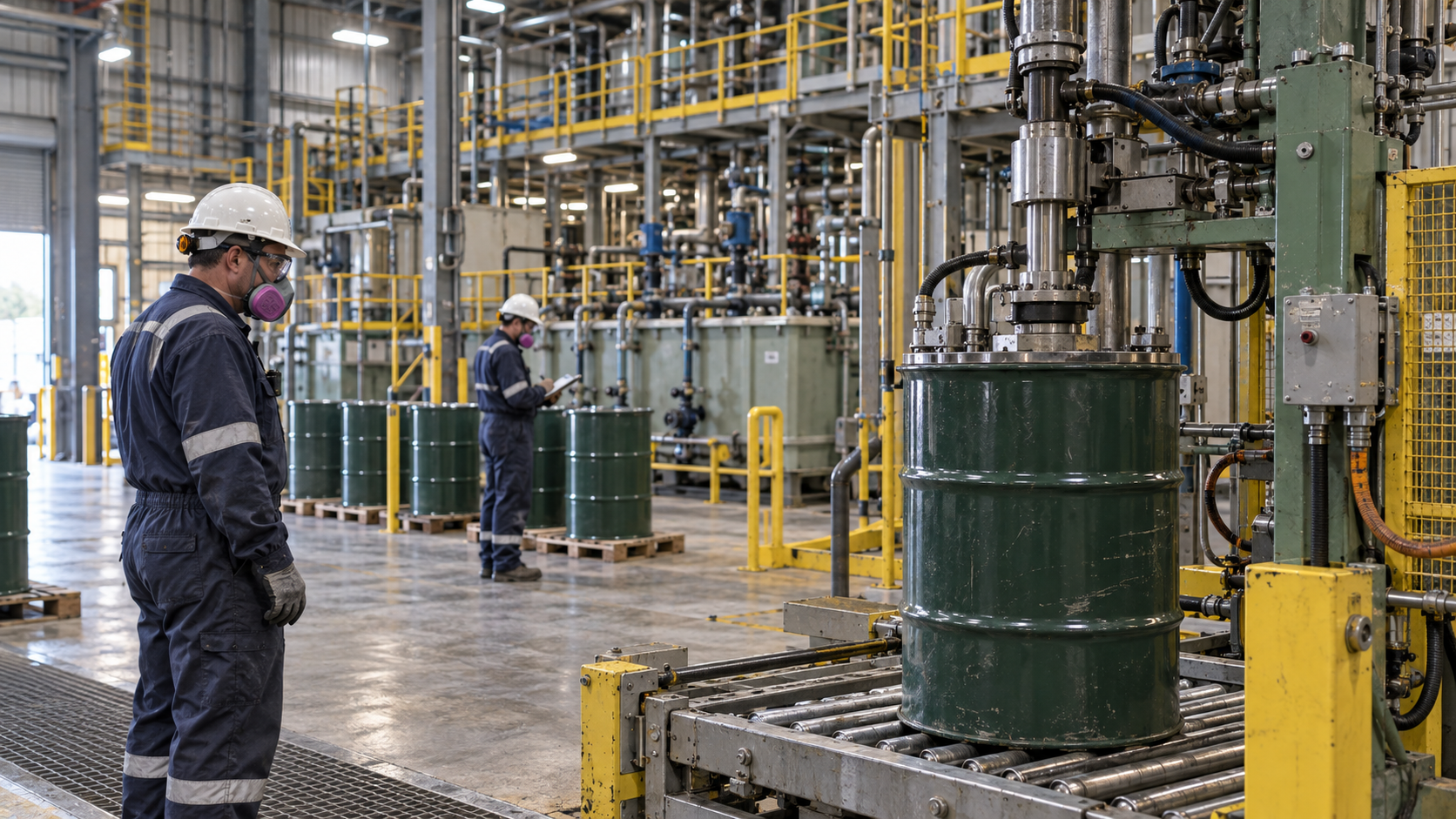
The Muntanga uranium project in Zambia holds a JORC-compliant resource of 58.8 million pounds at 309 parts per million, with 40 million pounds in the measured and indicated category at 359 ppm. The project benefits from favorable metallurgical characteristics that distinguish it from many uranium deposits: recoveries exceeding 90% can be achieved with a relatively coarse grind size of 25 millimeters, while acid consumption averages just 20 kilograms per ton. These technical parameters translate into a simple heap leach processing flowsheet similar to Bannerman Energy's Etango project in Namibia, which Hoskins views as the closest technical analogue.
A feasibility study completed by GoviEx in March 2025 outlined a 12-year mining operation producing 2.2 million pounds annually from the Muntanga and Dibbwi East deposits, based solely on measured and indicated resources. The study estimated capital costs of $282 million and an NPV of $243 million at a uranium price of $90 per pound. Operating costs for logistics to Walvis Bay port in Namibia are projected at approximately $1.40-1.50 per pound.
Mining parameters indicate low-cost ore extraction, with Muntanga showing a strip ratio of 1.2:1 and Dibbwi East in the low 3:1 range. Infrastructure advantages include sealed roads located just eight kilometers from the deposits, providing direct access to Namibian export facilities.
Immediate Resource Growth Opportunity
Atomic Eagle demonstrated its exploration approach shortly after taking control of the project. The company invested $700,000 Australian dollars in drilling at Chisebuka and Muntanga East, two prospects that had not been drilled in 12-15 years. This limited program added 11.4 million pounds to the resource base, representing a 24% increase from the previous 47 million pound resource and validating Hoskins's view that the project remains significantly underexplored.
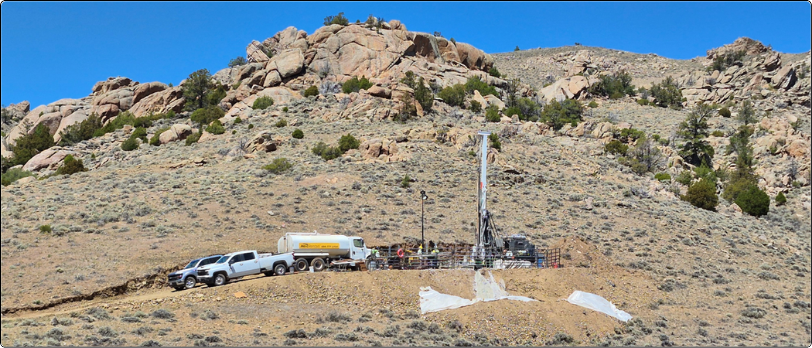
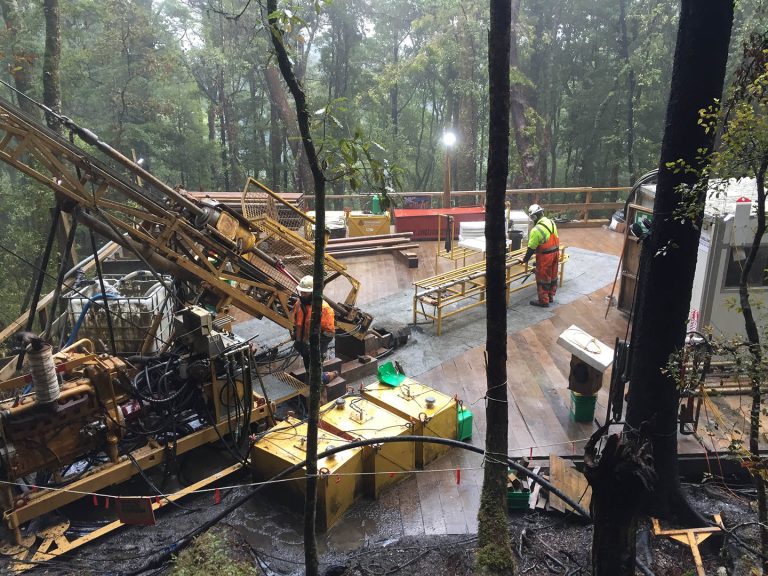
The company launched a 30,000-meter drilling program in April 2026, with total drilling potentially reaching 50,000 meters by year-end when including infill work. Primary targets include Muntanga North, where eight discrete targets have been identified possessing similar geochemical and geophysical signatures to known mineralisation, with some targets extending four to five kilometers in length. The Namakande target in the southwest and continued infill drilling at Chisebuka round out the program.
Hoskins estimates this drilling campaign will cost approximately $8 million, leaving over $8 million in cash reserves by December 2026 without requiring additional capital raises. This represents the largest exploration program at Muntanga since 2008.
Scalability as Value Driver
Hoskins's core thesis centers on project scalability as the mechanism for improving economics at current uranium prices. "These very simple heat bleach operations, low capital intensity, when you seek to scale them up" demonstrate favorable capital efficiency, according to Phil Hoskins, CEO, comparing plant throughputs and capital costs across similar operations.
The Bannerman comparison illustrates this dynamic: Bannerman's stage one Etango project processes 8 million tons annually with capital costs around $350 million, while Muntanga's feasibility study contemplated 3.5 million tons annually at $282 million. Doubling throughput thus requires only a 20-25% capital cost increase while doubling cash flows, potentially transforming project economics without requiring higher uranium prices.
Critically, opportunities to increase production scale exist within the current resource base before any new discoveries. The March 2025 feasibility study excluded 6 million pounds of inferred resources at Dibbwi East and Muntanga that were mined but treated as waste material. Satellite deposits including Dibbwi, Njame and Gwabi, which the previous feasibility study determined were cash flow positive, were also excluded to simplify the mining operation. The 11.4 million pounds recently added at Chisebuka and Muntanga East require infill drilling and metallurgical confirmation but represent additional potential feed.
Hoskins calculates that incorporating these existing resources could support a 12-year operation producing 3.9 million pounds annually, subject to successful infill drilling and confirmation that new deposits exhibit similar metallurgical characteristics. This production level would significantly exceed the 2.2 million pound annual output contemplated in the current feasibility study.
Jurisdiction and Permitting Status
Zambia ranks as the world's seventh-largest copper producer with extensive mining history and infrastructure. From a regulatory perspective, the Fraser Institute ranks Zambia third in Africa for investment attractiveness and political stability, now ahead of Namibia, which hosts multiple operating uranium mines. The fiscal regime includes a 5% royalty for uranium and 30% corporate tax, with no free carry interest for government, meaning a higher proportion of mining returns accrue to the mining company compared to jurisdictions requiring government equity participation.
All current resources sit on granted mining licenses, a legacy of previous development work that benefits Atomic Eagle's timeline. The company submitted its Environmental and Social Impact Assessment and Resettlement Action Plan in October 2025. Following a public consultation hearing in January 2026 and ongoing work addressing final comments from the Zambia Environmental Management Authority, Hoskins expects environmental approval by mid-2026. The resettlement plan covers approximately 180 households representing 900 individuals.
Development Timeline and Market Timing
Hoskins outlined a development pathway targeting production in 2030-2031. The current year focuses on resource growth through the drilling program. In 2027, assuming successful resource expansion, the company would conduct infill drilling to upgrade resource categories, complete metallurgical test work on new deposits, update the mine plan based on increased scale, and complete an updated feasibility study by late 2027. Financing discussions would commence in early 2028, leading to construction and commissioning for production by end-2030 or 2031.
This timeline positions Atomic Eagle to enter production as uranium supply deficits intensify. Current global production stands at approximately 150 million pounds against consumption of 200 million pounds. By 2040, supply from existing operations is projected to decline to 50 million pounds while demand doubles to 400 million pounds, creating a substantial gap requiring new production. "When we come to have offtake and financing discussions with the same set of strategic investors, we think it will be a very tight market to do so," Hoskins noted, referencing intensifying geopolitical competition for uranium supply among U.S., Indian and Chinese buyers.
Valuation Analysis and Peer Comparison
With an enterprise value around $130-140 million and a market capitalisation near $150 million, Atomic Eagle trades at approximately $3 per pound of measured and indicated resources. This compares to Bannerman Energy at $5 per pound and Deep Yellow at $6-7 per pound on a similar basis. Hoskins attributes this discount partly to the company's recent ASX listing, having traded for only four to five months at the time of the presentation.
The CNNC transaction with Bannerman, which established a post-money valuation of approximately $1 billion Australian for the Etango project, provides another reference point. Hoskins views this as indicating potential for 6x valuation uplift if Atomic Eagle successfully increases its resource to a scale comparable with Etango's approximately 200 million pound resource base.
Niger Asset: Option Value
The Madaouela uranium project in Niger represents what Hoskins characterises as option value separate from the company's core Zambian valuation. This world-class deposit holds 99 million pounds at 1,319 ppm, approximately four times the grade of Muntanga, with $160 million spent on acquisition, exploration and development including over 600,000 meters of drilling.
The Niger government expropriated the project in 2024, leading GoviEx to initiate international arbitration proceedings. In 2025, both parties agreed to pause arbitration while exploring a potential negotiated resolution. "As at the date of this presentation, we are in live dialogue with the Niger government about that," Hoskins stated, expressing preference to recover the asset while reserving rights to resume arbitration if negotiations fail. Hoskins expects an outcome during 2026.
Given the asset's world-class characteristics and current uranium market dynamics, Hoskins believes Madaouela would attract significant strategic interest if returned to the company. However, they emphasise that current valuation should be based solely on Zambia, with any Niger resolution representing upside.
Key Takeaways
Atomic Eagle's investment case centers on near-term resource growth at a technically favorable uranium project in a stable African jurisdiction, with production targeted for a period of anticipated supply tightness. The company's immediate focus on expanding the Muntanga resource through its largest drilling program in nearly two decades, combined with demonstrated ability to add significant resources efficiently, positions it to potentially close the valuation gap with peers trading at materially higher multiples.
The scalability of simple heap leach operations provides a clear pathway to improved project economics at current uranium prices, while the expropriated Niger asset represents asymmetric option value. With sufficient cash to execute the 2026 exploration program without additional capital, the company has multiple catalysts for value creation including drilling results, updated resource estimates, revised feasibility economics incorporating increased scale, and potential resolution of the Niger situation.
TL;DR: Executive Summary
Atomic Eagle is advancing the Muntanga uranium project in Zambia (58.8M lbs resource) with technical characteristics enabling low-cost heap leach processing and favorable scalability economics. The company is executing a 50,000-meter drilling program in 2026 targeting 100M+ pound resource growth, with existing resources potentially supporting 3.9M lbs annual production before new discoveries. Trading at ~$3/lb versus African peers at $5-7/lb, the company maintains sufficient cash through 2026 without capital raises, targeting 2030-2031 production as uranium supply deficits intensify.
FAQ's (AI Generated)
Analyst's Notes





Subscribe to Our Channel

Stay Informed