Atomic Eagle Is Building Multiple Pathways to Resource Growth


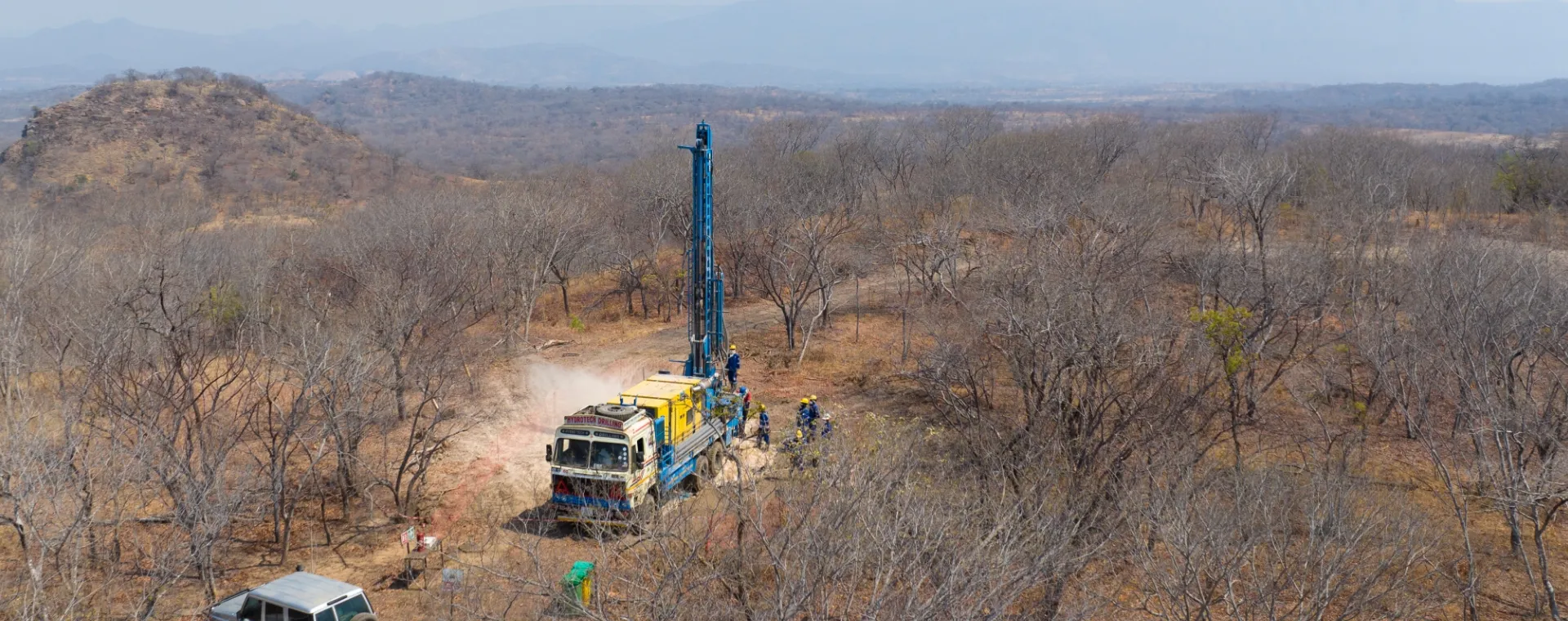
Atomic Eagle is advancing multiple uranium growth targets in Zambia, targeting resource expansion, larger-scale production and potential valuation upside.
- Atomic Eagle has completed 53 line kilometres of a planned 80-kilometre ground radiometric (GR) survey at Muntanga North, confirming large-scale uranium anomalies up to 4 kilometres in strike length across 5 of 8 priority target areas.
- Drilling at Muntanga North is imminent, with simultaneous exploration also advancing at Chisebuka and Namakande, all funded from existing cash without requiring additional capital.
- The company holds a 58.8 million pound uranium oxide resource and is targeting a production profile of 4 to 5 million pounds per annum or above, a scale management believes will make the project financeable at current uranium prices.
- The development timeline targets environmental approvals by mid-2026, a feasibility study (FS) by late 2027, and first production by late 2030 or into 2031, timed to coincide with an expected tightening of global uranium supply.
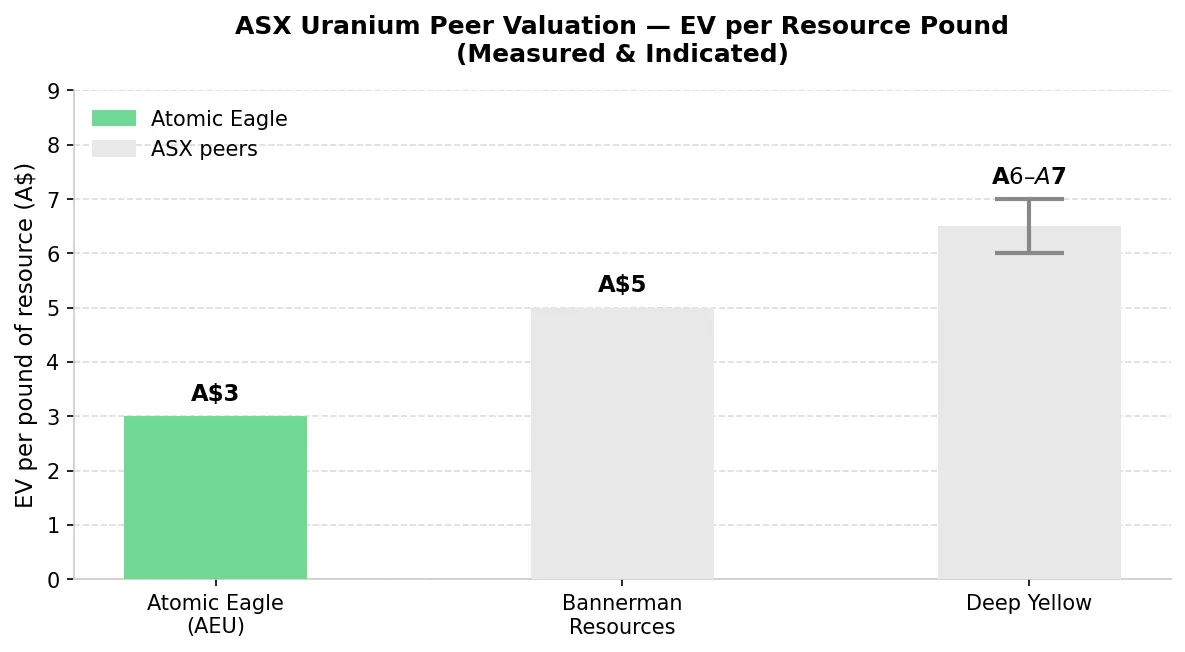
- At approximately A$3 per pound of resource against ASX peers at A$5 to A$7 per pound, Atomic Eagle trades at a material discount to its peer group despite a comparable project profile.
Atomic Eagle Limited (ASX: AEU | OTCQX: AEUXF) has reported results from an ongoing ground radiometric (GR) survey programme at the Muntanga North exploration area within its 100%-owned Muntanga Uranium Project in Zambia, confirming and refining multiple large-scale uranium targets ahead of imminent drilling. The results represent one strand of a broader, simultaneous exploration effort the company is pursuing across its 1,136-square-kilometre tenement package, targeting a substantial increase in its existing 58.8 million pound uranium oxide resource base.
Ground Radiometrics Confirm Drill Targets at Muntanga North
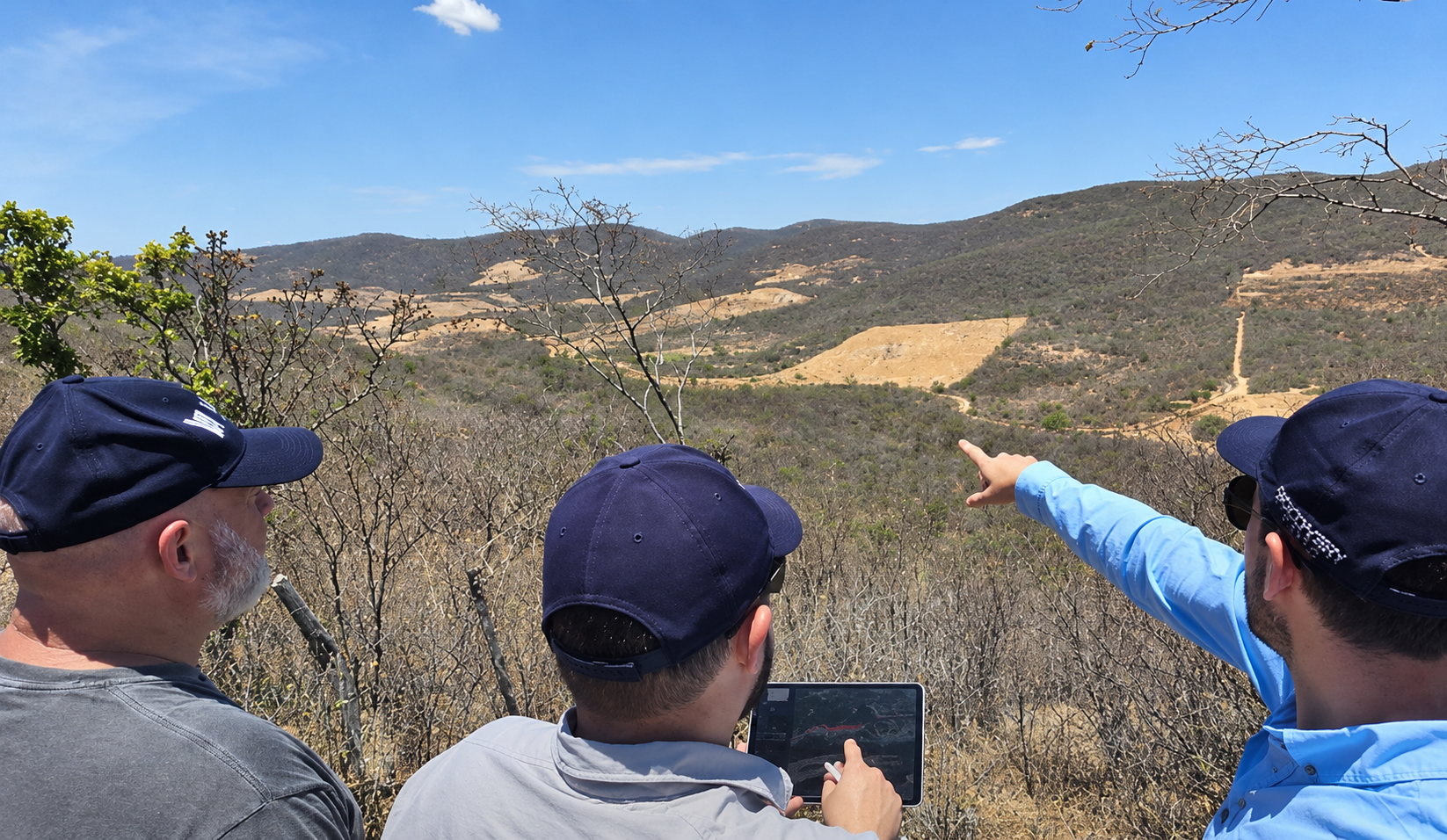
A total of 53-line kilometres of a planned 80-kilometre survey has been completed across 5 of 8 priority target areas at Muntanga North, successfully refining and confirming previously identified radiometric anomalies and providing improved resolution for drill targeting. The remainder of the survey over target areas 6 to 8 will be completed across the Second Quarter and Third Quarter of 2026.
Large-scale radiometric anomalies up to approximately 4 kilometres in strike length have been defined across all 8 target areas, located between 15 and 25 kilometres from the Muntanga and Dibbwi East deposits. Of 854 total readings, 424 exceeded background levels of 300 counts per second (CPS), and 87 exceeded 500 CPS.
Chief Executive Officer of Atomic Eagle, Phil Hoskins, highlighted the geological continuity between the new targets and the company's existing resource areas:
"These anomalies occur along strike from the Company's existing resource areas and are hosted within the same favourable Escarpment Grit Formation."
Geological Setting
Uranium mineralisation across the Muntanga Project is hosted within the Escarpment Grit Formation of the Upper Karoo Basin, the same unit that extends into the Muntanga North target areas and hosts the company's existing resources at Muntanga, Dibbwi East, and Dibbwi. The Muntanga North anomalies lie along strike within this geological corridor and exhibit similar geophysical and geochemical signatures, supporting their prospectivity.
Hoskins pointed to the scale of the Muntanga North targets relative to the company's most recently defined deposit:
"Sometimes these targets stretch up to 4 or 5 kilometres in length. Putting that in context of that 10 million pound resource recently defined at Chisebuka sitting on an 800 by 600 metre postage stamp, the size of the prize there in Muntanga North is significant."
Simultaneous Exploration on Multiple Fronts
The company's exploration approach is multi-faceted. At Chisebuka, drilling is continuing, targeting extensions to recently defined higher-grade mineralisation. At Namakande 1 and 2, GR surveys will commence in June 2026 to refine drill targeting ahead of future drilling.
The 2026 drill programme targets approximately 30,000 metres of shallow drilling across Muntanga North and Chisebuka, with the total expected to grow to north of 50,000 metres, inclusive of infill drilling by year-end. The company does not anticipate requiring additional capital to complete its 2026 exploration objectives, expecting to retain over A$8 million in cash through to December 2026 after funding the full programme. The programme represents the most significant exploration investment at Muntanga in nearly 20 years.
Resource Base & Project Economics
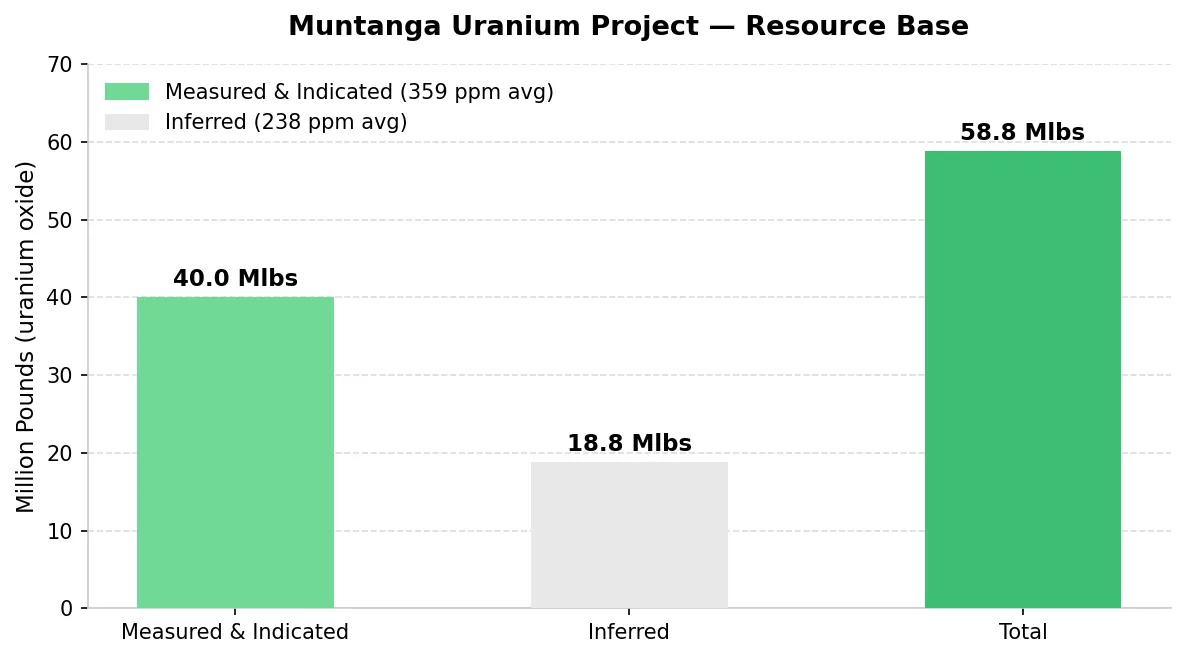
The Muntanga Uranium Project contains a Measured and Indicated resource of 50.4 million tonnes at 359 parts per million (ppm) uranium oxide for a total of 40.0 million pounds, and an Inferred resource of 35.8 million tonnes at 238 ppm for a total of 18.8 million pounds, delivering a combined total of 58.8 million pounds at 309 ppm.
A definitive feasibility study (DFS) completed by predecessor company GoviEx Uranium Inc. in March 2025 and subsequently restated by Atomic Eagle outlines a 12-year heap leach operation producing 2.2 million pounds per annum, with a capital cost of US$282 million and a net present value (NPV) of US$243 million at a uranium price of US$90 per pound. Management considers this a technical baseline rather than the intended end-state.
Hoskins framed the scaling logic by reference to a comparable regional project:
"You can double the plant throughput, and you're only having a 20% to 25% increase in the capital cost. And clearly, doubling the cash flows is going to have a huge impact on the economics."
With that logic, the company is targeting a production profile of 4 to 5 million pounds per annum or above, a scale it believes will make the project financeable without a uranium price increase.
Development Pathway
The project benefits from sealed road access to Lusaka and onward to the Port of Walvis Bay in Namibia, an established uranium export corridor. The company is targeting environmental approvals by mid-2026, with a development pathway pointing toward a feasibility study (FS) by late 2027, project financing in early 2028, and production by the end of 2030 or into 2031.
Why It Matters for Investors
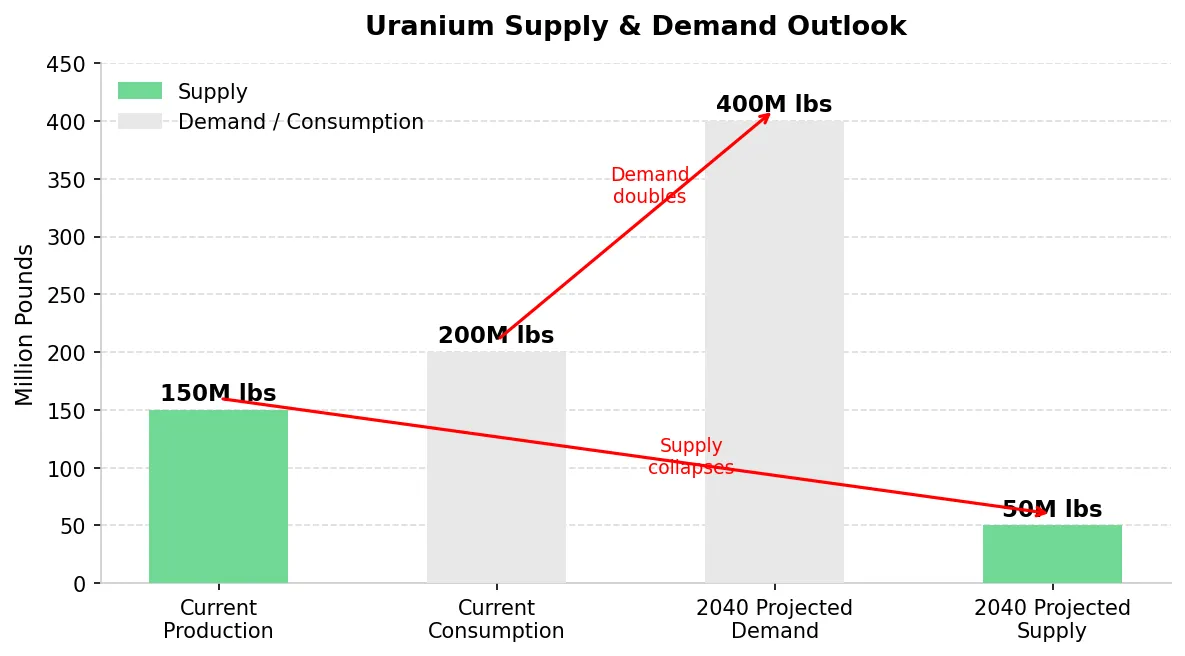
The company's exploration push comes at a time when the uranium supply-demand gap is widening. Current global production of roughly 150 million pounds sits well below consumption of 200 million pounds, with demand projected to double to 400 million pounds by 2040 as supply falls to an estimated 50 million pounds on current production rates. Atomic Eagle's targeted production window of 2030 to 2031 aligns directly with when that shortfall is expected to tighten most acutely.
On a valuation basis, Atomic Eagle is currently trading at approximately A$3 per pound of resource against ASX-listed peers Bannerman Resources and Deep Yellow at A$5 and A$6 to A$7 per pound, respectively, on measured and indicated resources.
The recent Bannerman transaction with China National Nuclear Corporation (CNNC), which implied a post-money valuation of A$1 billion for 100% of that project, offers a reference point for what a scaled, financeable heap leach uranium asset in Africa can attract. With the largest drilling programme the project has seen in nearly 20 years now underway, the next 12 months will largely determine where Atomic Eagle sits in that peer group.
FAQs (AI-Generated)
Analyst's Notes





Subscribe to Our Channel
.jpg)





Stay Informed