Atomic Eagle: The African Uranium Junior Sitting Inside a Supply Crisis



Atomic Eagle owns 47.4Mlb of uranium in Zambia, trades at A$2.53/lb vs peer averages above A$3.33/lb, and is fully funded for its biggest drill program in 17 years.
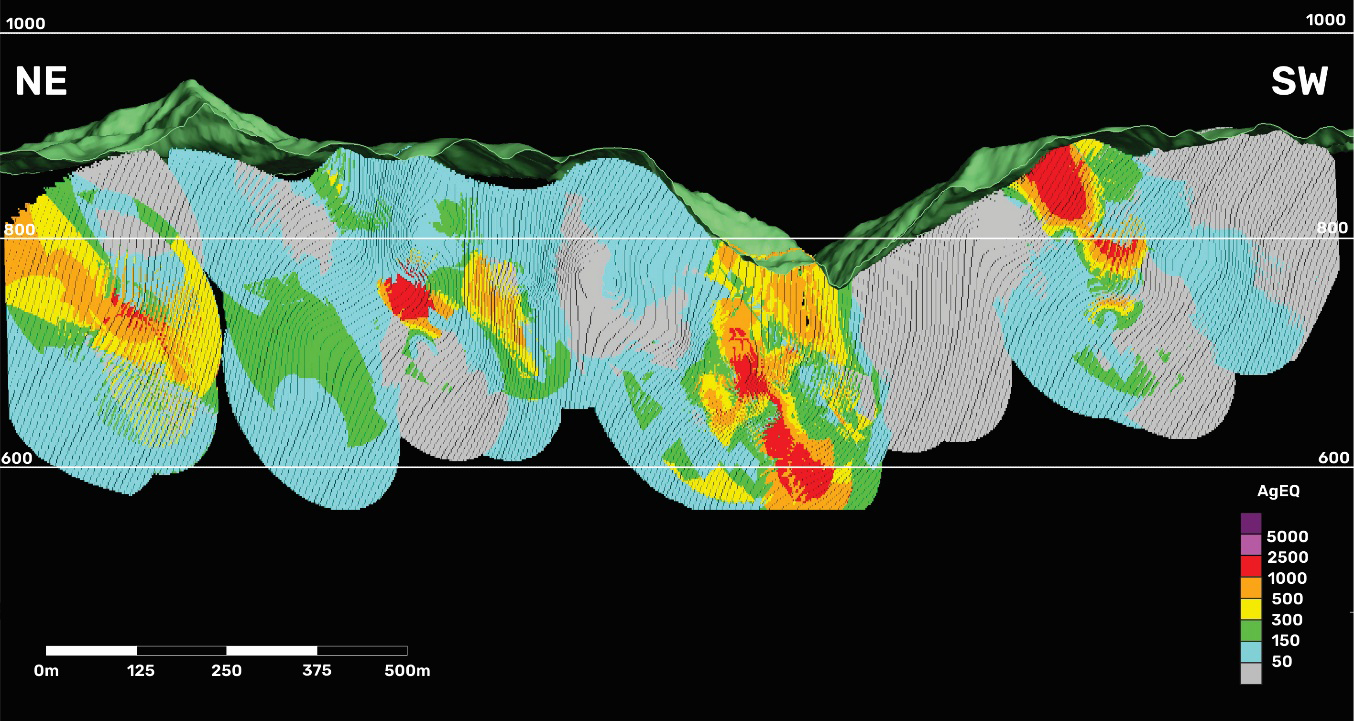
- Atomic Eagle upgraded its Australasian Joint Ore Reserves Committee (JORC) resource by 24% to 58.8 million pounds of uranium trioxide (U3O8) at 309 parts per million (ppm) following its maiden drill program, with maiden resources declared at both Chisebuka (9.7 million pounds) and Muntanga East (1.7 million pounds), per the Australian Securities Exchange (ASX) announcement dated 10 March 2026.
- A completed 2025 Feasibility Study outlines a 12-year open-pit heap leach operation producing 2.2 million pounds per year at a first-quartile (C1) operating cost of US$32.20 per pound, with a post-tax net present value at an 8% discount rate (NPV8) of US$243 million and an internal rate of return (IRR) of 20.8%, per the ASX announcement dated 4 March 2026.
- 44% of the current JORC resource was not included in the Feasibility Study, representing a ready-made scale expansion opportunity as infill drilling and resource conversion work progresses.
- The company holds a published JORC Exploration Target of 40 to 100 million pounds, with the largest drilling program in 18 years commencing in the second quarter of 2026, fully funded by A$19 million in cash on hand.
- At A$3.12 per pound of Measured and Indicated (M&I) resource and reclassified as a development-stage company, Atomic Eagle trades at a material discount to development peers at A$4.80 per pound and A$6.56 per pound as of 25 March 2026.
Why Uranium Demand Is Not a Trend. It Is a Structural Reality.
For most of the past decade, uranium was the commodity the mining industry preferred to forget. Prices collapsed after Fukushima in 2011, bottoming below US$20 per pound and staying depressed for nearly a decade. Mines closed. Capital dried up. The exploration pipeline shrank to almost nothing. Then, quietly, the fundamentals began to reassemble themselves into what Atomic Eagle's March 2026 presentation describes as "the strongest fundamental and strategic backdrop in a generation."
Today, there are about 440 commercial nuclear power reactors operable in over 30 countries with about 400 gigawatts electric (GWe) of total capacity, and about 70 more reactors under construction. Global reactor requirements for uranium in 2025 are estimated at about 68,920 tonnes of uranium (tU), expected to more than double to over 150,000 tU by 2040 under the nuclear industry reference scenario. Supply concentration is acute: more than 70% of global production comes from just 10 mines. Artificial intelligence (AI) and data centres consumed an estimated 450 to 500 terawatt-hours (TWh) in 2025 alone, representing 2% of global energy use, adding a new and durable demand vector to the traditional reactor-driven thesis.
A Developer With a Feasibility Study, Not Just a Drill Target
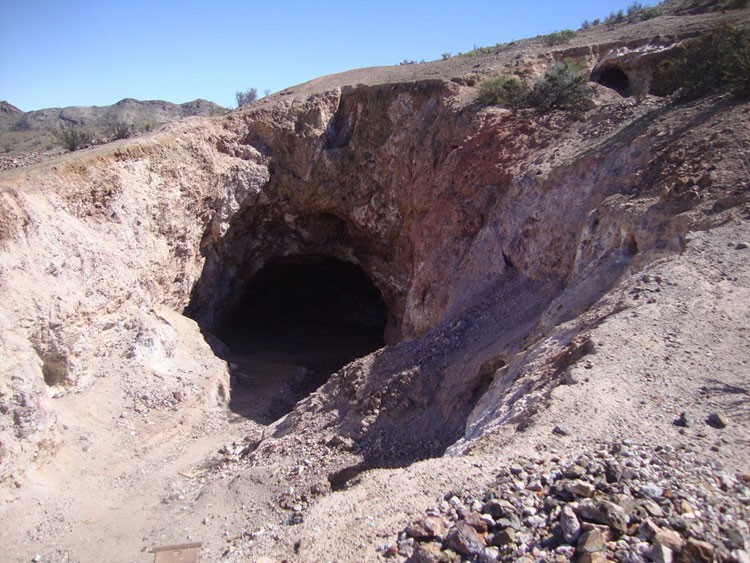
Atomic Eagle Limited entered 2026 with a significant change in status. Following the completion of a 2025 Feasibility Study released on 4 March 2026 and a 24% resource upgrade announced on 10 March 2026, the company is now formally classified as a development-stage company. Its Muntanga Project in southern Zambia covers 1,126 square kilometres across four Mining Licences and two Exploration Licences, with an upgraded JORC resource of 58.8 million pounds of U3O8 at 309ppm across seven defined deposits.
The Feasibility Study is technically robust by any measure. It outlines a 12-year open-pit heap leach operation treating 3.5 million tonnes per year, producing an average of 2.2 million pounds of U3O8 annually over the mine life, at a C1 operating cost of US$32.20 per pound. Pre-production capex is estimated at US$282 million. At an 8% discount rate, the post-tax NPV8 is US$243 million with a post-tax IRR of 20.8% and a payback period of 3.5 years. Life-of-mine free cash flow is projected at US$672 million. The Feasibility Study was based only on M&I resources from the Muntanga and Dibbwi East deposits, leaving 44% of the current JORC resource entirely outside the base case.
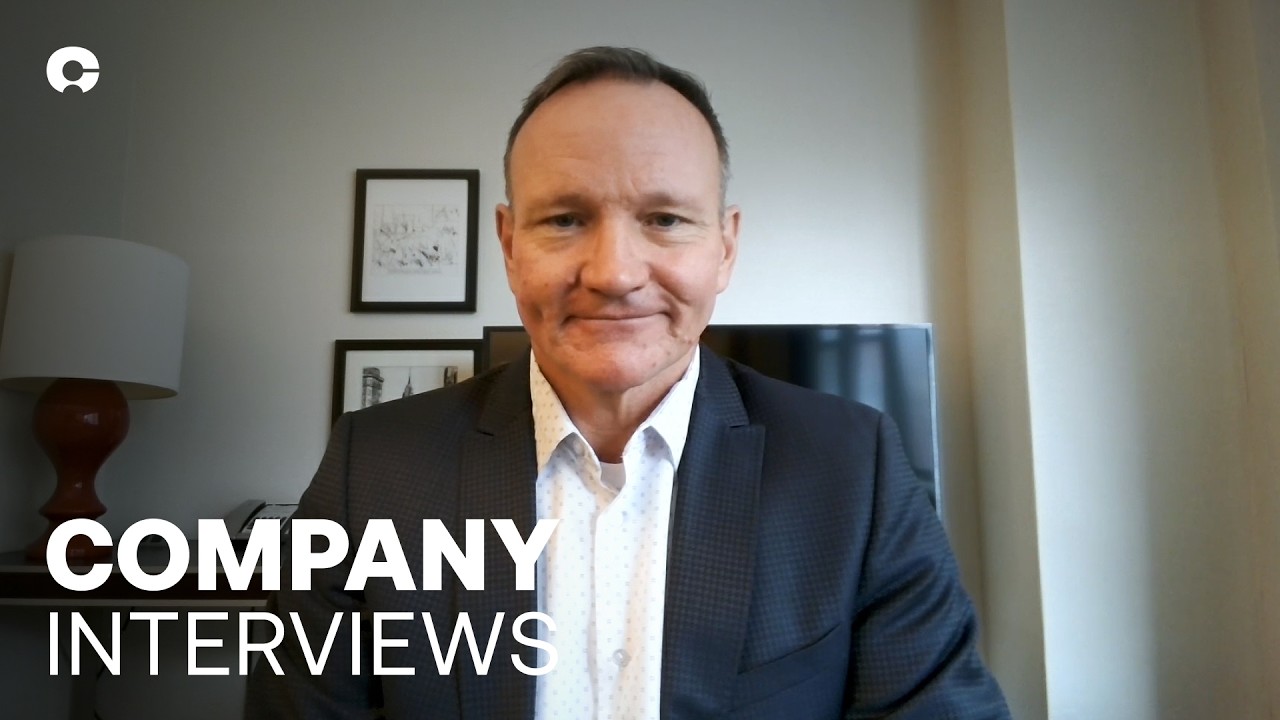
Phil Hoskins, Chief Executive Officer of Atomic Eagle, identified that gap as the company's primary lever for value creation:
"To the trained eye of the guys with the uranium expertise in our group, they could see that these were the hallmarks of a project that would make economic sense - and the way to make it make economic sense is scale."
Zambia: A Geopolitically Neutral Address in a World Hardening Supply Chains
As major governments accelerate their shift away from Russian-origin uranium, where new production pounds come from has become as important as the size of the resource. Zambia sits outside every geopolitical tension line in the current nuclear supply chain. It is the world's seventh-largest copper producer, ranked third in Africa for investment attractiveness by independent mining research, and operates under a fiscal regime with a 5% royalty rate, 30% corporate tax, no import duties or tariffs on mining equipment, and a 10-year carry-forward for tax losses.
The Feasibility Study has confirmed a sealed road to site, power infrastructure nearby, and water within the Mining Licence boundary. Heap leach processing achieves over 90% recovery at an average acid consumption of only 20 kilograms of sulphuric acid per tonne treated. Export routes to both Western and Eastern uranium markets are established through known uranium port infrastructure. In a market where the United States has committed to tripling nuclear capacity by 2050 and imports 95% of the uranium used by its reactors, Zambian pounds carry real strategic value for offtake and financing counterparties.
Hoskins described the implications for Muntanga's longer-term financing outlook:
"Once we have grown it, once we have updated studies and we are ready for strategic offtake and financing discussions, I think it will only be a tighter market at that point."
The Valuation Gap That the Market Has Not Yet Closed
At a share price of A$0.37 as of 25 March 2026, Atomic Eagle has a market capitalisation of A$144 million, cash of A$19 million, and an EV of A$125 million. Against 40.0 million pounds of M&I resource, that equates to A$3.12 per pound of M&I resource. Peer comparison data from Atomic Eagle's March 2026 presentation shows that the two directly comparable development-stage peers trade at A$4.80 per pound and A$6.56 per pound respectively on their M&I resource bases, using data as of 25 March 2026. Atomic Eagle trades at a 35% to 52% discount to those peers on an EV per M&I pound basis.
Critically, those peers do not have 44% of their resource sitting outside their Feasibility Studies waiting to be incorporated. The scale expansion opportunity embedded in Atomic Eagle's Inferred resource base, its published Exploration Target of 40 to 100 million pounds, and its commitment to infill drilling to convert Inferred resources into ore feed all represent potential upward revaluation vectors that the current EV per pound does not yet price. Independent research analysts consistently note that the uranium market rewards scale and project confidence, and Atomic Eagle's trajectory is pointing toward both.
Hoskins pointed to the Bannerman comparison to quantify the capital efficiency of moving to a larger throughput:
"Bannerman's capital expenditure is 20% higher for a plant throughput that's more than twice as large - you can see that you can have large improvements in production for modest increases in capital."
The Drill Program That Will Define This Company's Scale
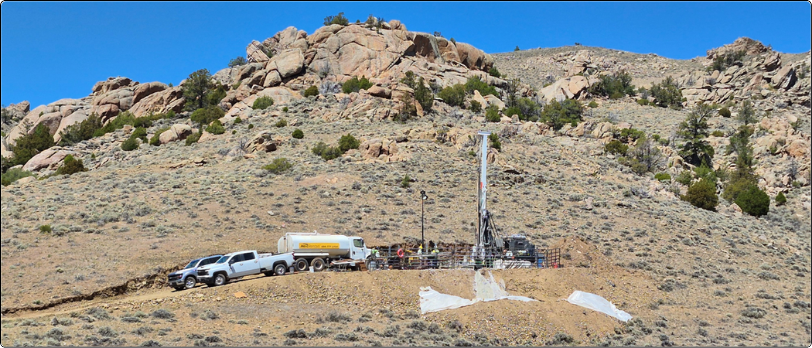
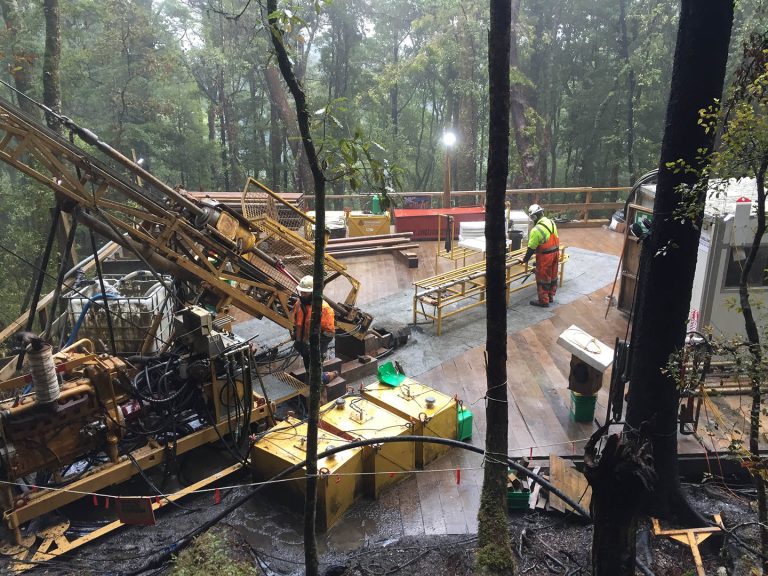
The largest drilling program at Muntanga in 18 years commences in the second quarter of 2026. The program targets a JORC Exploration Target of 40 to 100 million pounds of U3O8, published on 3 December 2025, across multiple areas including Muntanga North, which hosts eight discrete targets within 80 square kilometres, and Namakande 1 and 2, two large targets located near the Chisebuka resource. The Chisebuka deposit itself, which produced a maiden resource of 9.7 million pounds in the first drill program, remains largely open with a large portion yet to be infill drilled, making it a high-priority target for further resource growth.
The maiden drill program has already demonstrated what the geology is capable of delivering. Starting from 47.4 million pounds, a single drilling campaign added 11.4 million pounds of new Inferred resource at Chisebuka and Muntanga East, lifted total resources by 24%, and defined two entirely new deposits. The next program has more targets, more ground, and a larger budget. Environmental and Social Impact Assessment (ESIA) and Resettlement Action Plan (RAP) approvals are expected in 2026, moving the permitting pathway forward in parallel with resource growth.
The Investment Thesis for Atomic Eagle
- The Feasibility Study provides a technical baseline that transforms Atomic Eagle from a speculative explorer to a development-stage company, which typically commands a higher valuation multiple from institutional investors.
- The 44% of JORC resource excluded from the Feasibility Study is a ready-made expansion opportunity: infill drilling success on Inferred resources at Muntanga, Dibbwi East, and satellite deposits could materially improve project economics without new discovery risk.
- Use A$3.12 per pound of M&I as the current valuation reference and reassess relative to development peers at A$4.80 per pound and A$6.56 per pound if the second-quarter 2026 drill program extends the resource base meaningfully.
- Monitor uranium long-term contract prices rather than spot prices, as the Feasibility Study's post-tax NPV8 of US$243 million was modelled at US$100 per pound and economics improve materially as the long-term price moves higher.
- Consider ESIA and RAP approvals in 2026 as the key permitting milestones that de-risk the path to a construction decision and improve the company's eligibility for project financing conversations.
- Size positions to reflect that Inferred resources and Exploration Targets are conceptual and may not convert to Mineral Resources, and that production remains conditional on uranium pricing and financing conditions.
What Investors Should Take Away Before They Decide
Atomic Eagle entered 2026 as an exploration company. It exits the first quarter of 2026 as a development company with a completed Feasibility Study, a 24% resource upgrade, a published Exploration Target of up to 100 million pounds, and the largest drill program in 18 years about to commence. The investment case is no longer purely about whether uranium will rise. It is about whether Atomic Eagle can demonstrate the scale and execution quality to command development-stage valuations.
The risks have not disappeared. The project remains pre-production and pre-ESIA approval. Development is dependent on a sustained uranium price above the Feasibility Study's modelled base case. The Exploration Target is conceptual in nature, and further exploration may not result in additional Mineral Resources. As a mid-cap ASX developer with a single African asset, market sentiment and liquidity dynamics will continue to drive volatility. For investors with conviction on the uranium supply deficit and a medium-to-long horizon, the combination of a credible technical baseline, a large Exploration Target, and a development-stage discount to peers makes Atomic Eagle a compelling, if not risk-free, position.
TL;DR
Atomic Eagle has moved decisively from explorer to developer. A completed Feasibility Study, a 24% resource upgrade, and a published Exploration Target of up to 100 million pounds reframe the investment case. The stock trades at a discount to development peers, with a major drill program weeks away from commencing.
FAQs (AI-Generated)
Analyst's Notes





Subscribe to Our Channel




Stay Informed