




Brazilian PGM Stocks: 2026's Hidden Gem Play



Brazil emerges as precious metals powerhouse with structural PGM deficits, 2.2M oz resources, proven management teams creating compelling investment opportunities.
- Brazil is emerging as a global precious metals powerhouse, presenting compelling investment opportunities in platinum group metals (PGMs) and gold at a critical market inflection point with structural supply deficits converging with established mining infrastructure.
- PGM markets are experiencing persistent supply-demand imbalances with platinum markets recording third consecutive annual deficit of 692,000 ounces in 2025, while palladium has seen deficits from 2012-2024 with combined 2023-2024 shortfall of 1.4 million ounces.
- Brazil ranks as a top-10 global gold producer with $3.8 billion in annual production, targeting expansion to over $6 billion by 2030, supported by stable regulatory frameworks and streamlined approval processes.
- The country's significant underexplored geological potential presents exceptional discovery opportunities, with less than 30% mapped at high-resolution geological or geophysical standards according to the Brazilian Geological Survey.
- Brazil now graduates more mining engineers than the USA and Canada combined, ensuring strong domestic operational capability while established transportation networks and proximity to ports reduce development costs.
Introduction: Brazil's Precious Metals Moment
The convergence of supply constraints in global precious metals markets and Brazil's expanding mining capabilities has created a compelling investment thesis that extends beyond individual company opportunities. Brazil's emergence as a multi-generational mining powerhouse coincides with structural deficits in platinum group metals and sustained gold demand, positioning the country at the center of a transformative period in precious metals investing.
This analysis examines the macro investment case for Brazilian precious metals exposure, using Valore Metals Corporation (TSX-V: VO) as a representative case study. The company's Pedra Branca project, containing 2.2 million ounces of platinum, palladium, and gold resources, exemplifies large-scale, near-surface deposits that position Brazil as a strategic alternative to traditional PGM supply regions.
Global Precious Metals Market Dynamics: Platinum & Palladium Supply Crisis

The platinum and palladium markets are experiencing fundamental supply-demand recalibration creating sustained upward price pressure and compelling investment opportunities for new supply sources. Current market data reveals the magnitude of this structural shift.
Near-term dynamics show historic underinvestment in supply meeting sustained industrial demand. Platinum has surged over 90% from Q2 through year-end 2025, while palladium has gained over 83% in 2025, reflecting these supply constraints and geopolitical concerns. This performance occurs against declining primary supply from traditional sources in Southern Africa and North America, driven by escalating costs and capital expenditure pressures.
Medium-term forecasts through 2028 project persistent supply deficits in both metals. Mine supply concentration in the Russian Federation and South Africa creates additional geopolitical premium in pricing, particularly relevant as global automakers and industrial users seek supply chain diversification. These two regions control the majority of global PGM production, making alternative sources strategically valuable.
CEO Nick Smart mentioned their underexplored remains:
"Brazil remains largely underexplored with less than 30% mapped at high-resolution geological or geophysical standards. The Brazilian Geological Survey has ramped up aerial geophysics, litho-structural mapping, and mineral potential modeling, but datasets remain fragmented and underused."
Long-term demand drivers remain robust despite electric vehicle transition concerns. Internal combustion engine and hybrid vehicles continue forming the majority of PGM demand, with automotive applications accounting for 61% of combined platinum, palladium and rhodium demand. Industrial applications including hydrogen fuel cells, catalytic processes, and electronics provide additional consumption growth supporting the investment case for Brazilian PGM resources.
Brazil's Strategic Mining Advantages: Regulatory & Infrastructure Excellence

Brazil has developed sophisticated mining regulatory frameworks balancing development opportunities with environmental protection standards meeting international ESG requirements. Stable regulatory frameworks support long-term investment commitments and streamline approval processes, providing predictability for capital deployment that contrasts favorably with more volatile mining jurisdictions globally.
Infrastructure development continues enhancing project economics throughout Brazil's established mining regions. Transportation networks, reliable power availability, and proximity to major ports reduce operational costs while accelerating development timelines. This infrastructure foundation proves particularly valuable for bulk commodity projects where transportation costs significantly impact project economics and long-term viability.
Technical Capability & Human Capital Development
A critical competitive advantage for Brazilian mining development centers on the country's expanding technical talent pipeline and operational expertise. Brazil now graduates more mining engineers than the United States and Canada combined, ensuring strong domestic operational capability while reducing dependence on foreign technical expertise and associated cost premiums.
The Brazilian Geological Survey (SGB/CPRM) has intensified systematic geological mapping and mineral potential modeling programs, though significant exploration opportunities remain across vast underexplored territories. With less than 30% of Brazil mapped at high-resolution geological or geophysical standards, the country presents exceptional exploration upside compared to mature mining jurisdictions where easily discoverable deposits have been largely identified and developed.
Company Case Studies: Valore Metals' Comprehensive PGM Development Model
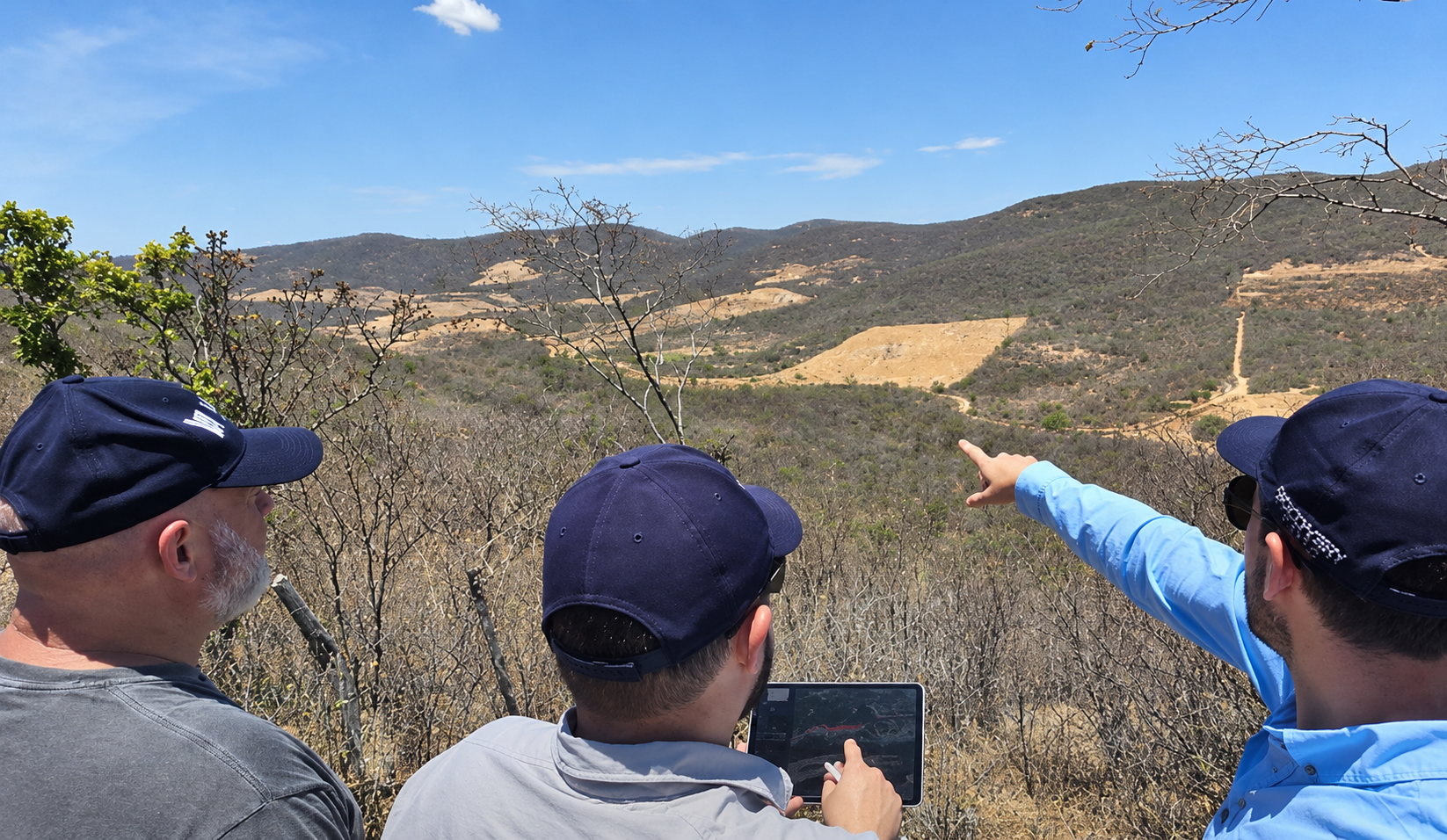
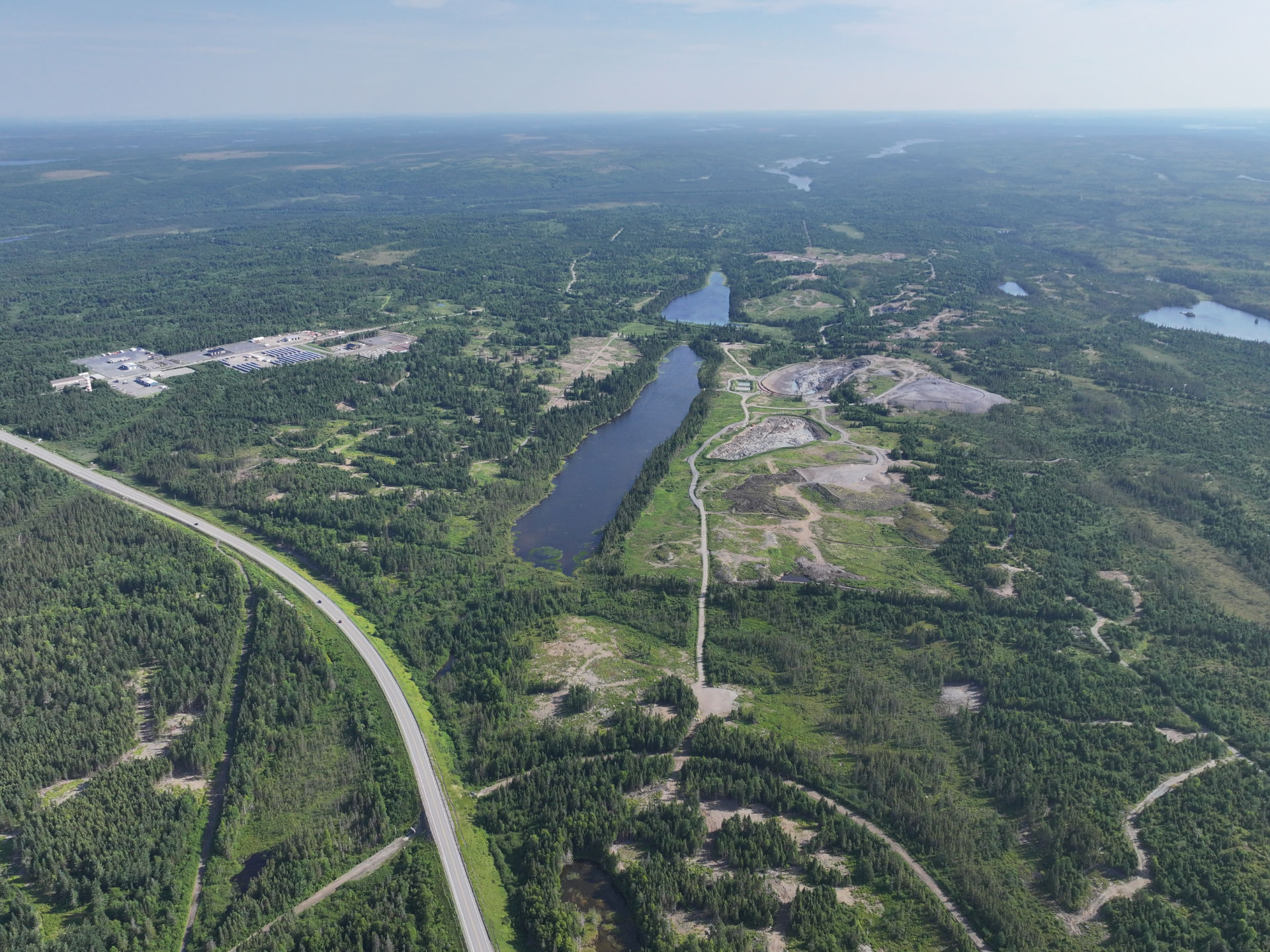
Valore Metals Corporation exemplifies the investment opportunity available in Brazilian precious metals through its flagship Pedra Branca project located in Ceará State. The project contains 2.2 million ounces of platinum, palladium, and gold resources distributed across seven near-surface resource zones, representing significant scale in an accessible location with excellent existing regional infrastructure.
The company's experienced leadership team, led by Chairman Jim Paterson and CEO Nick Smart, brings extensive proven experience from the Discovery Group, which has facilitated over $2.6 billion in merger and acquisition activity across multiple successful mining ventures. This impressive track record includes major transactions such as Great Bear Resources' $1.8 billion acquisition by Kinross Gold and Kaminak Gold's $520 million acquisition by Goldcorp.
Valore's Pedra Branca project demonstrates several key elements of the broader Brazilian precious metals investment thesis. The asset spans 51,096 hectares of 100% owned mineral rights in Ceará State, providing substantial exploration upside potential beyond the current established 2.2 million ounce resource base. Historical combined investment exceeding $40 million by Valore and previous operators has generated substantial geological databases and infrastructure development, significantly reducing future capital requirements for advancement.
The Investment Thesis for Brazilian Precious Metals
- Allocate 5-10% of precious metals portfolio exposure to Brazilian assets for investment outside traditional South African and Russian supply regions, reducing geopolitical concentration risk while accessing high-grade deposits in politically stable jurisdiction.
- Target companies with diversified platinum, palladium, and gold resources to benefit from both automotive-industrial PGM demand cycles and monetary gold demand trends, providing portfolio resilience across varying economic cycles and sectoral rotations.
- Focus investment on companies with proven management teams successfully transitioning resources through PEA and feasibility study phases, where operational expertise and permitting capabilities create significant value inflection points and acquisition premium opportunities.
- Prioritize companies leveraging advanced geological modeling, data analytics, and innovative processing technologies to enhance resource extraction efficiency while reducing environmental impact, commanding ESG-driven valuation premiums in current investment climate.
- If PGM prices rise 20% from current levels, consider increasing exposure to mid-cap Brazilian miners with near-production assets and established infrastructure, as improved project economics accelerate development timelines and attract strategic investment partnerships.
Brazilian precious metals represent a compelling investment theme positioned at the intersection of structural supply deficits, geographic diversification requirements, and resource development opportunities. The convergence of persistent PGM supply constraints, Brazil's expanding mining capabilities, and proven management teams creates multiple pathways to significant value creation for informed investors.
The investment case extends beyond simple commodity price speculation to encompass broader portfolio diversification, supply chain security, and ESG investment considerations. Brazilian precious metals assets provide direct exposure to precious metals price upside while simultaneously reducing geographic concentration risk inherent in traditional mining jurisdiction investments.
Successful implementation requires careful company selection focused on management track records, project quality assessment, and appropriate development stage positioning. Companies like Valore Metals, with experienced teams, substantial resource bases, and clear development pathways, exemplify the high-quality opportunities available to investors willing to engage with this emerging investment theme.
The timing appears particularly favorable for Brazilian precious metals investment, with structural market dynamics supporting both PGM and gold prices while Brazilian regulatory and infrastructure developments continue enhancing project development prospects. Investors seeking precious metals exposure should seriously consider Brazilian assets as a strategic complement to traditional mining jurisdiction investments, providing both geographic diversification and direct upside participation in the ongoing global precious metals recovery cycle.
TL;DR
Brazil's precious metals sector offers compelling investment opportunities driven by structural platinum and palladium supply deficits, with platinum up over 90% and palladium up over 83% in 2025. The country ranks among top-10 global gold producers targeting $6 billion annual production by 2030, while less than 30% remains mapped at high-resolution geological standards. Companies like Valore Metals exemplify the opportunity, with 2.2 million ounce PGM resources and proven Discovery Group management teams that have facilitated $2.6 billion in M&A activity. Investment thesis centers on geographic diversification away from South African and Russian PGM supply, multi-metal exposure providing portfolio resilience, and development-stage value creation opportunities.
FAQs (AI-Generated)
Brazilian precious metals offer geographic diversification away from concentrated supply regions, particularly South Africa and Russia for PGMs. Brazil provides political stability, established mining infrastructure, favorable regulatory environment, and significant underexplored geological potential with less than 30% mapped at high-resolution standards.
Historic underinvestment in new supply combined with sustained industrial demand creates persistent deficits. Mine supply remains concentrated in geopolitically sensitive regions, while declining primary supply from Southern Africa and North America results from cost pressures. Automotive applications still account for 61% of combined PGM demand.
Valore Metals' Pedra Branca project contains 2.2 million ounces of platinum, palladium, and gold resources across seven near-surface zones with excellent regional infrastructure. The company's Discovery Group management team has track record of $2.6 billion in M&A activity, providing proven asset development expertise.
Key risks include currency fluctuation between Brazilian real and international currencies affecting project economics, regulatory changes impacting permitting timelines, and potential PGM price volatility from automotive demand shifts. However, Brazil's established mining framework and technical talent pipeline help mitigate many operational risks.
Investors should consider 5-10% allocation to Brazilian precious metals within broader commodities portfolio for geographic diversification. Focus on companies with multi-metal exposure transitioning through development phases with proven management teams. If PGM prices rise 20%, consider increasing exposure to mid-cap Brazilian miners with near-production assets.
Analyst's Notes





Subscribe to Our Channel



.png)




Stay Informed


