




Platinum Supply Deficits Deepen as Geopolitical Risk Reshapes PGM Investment


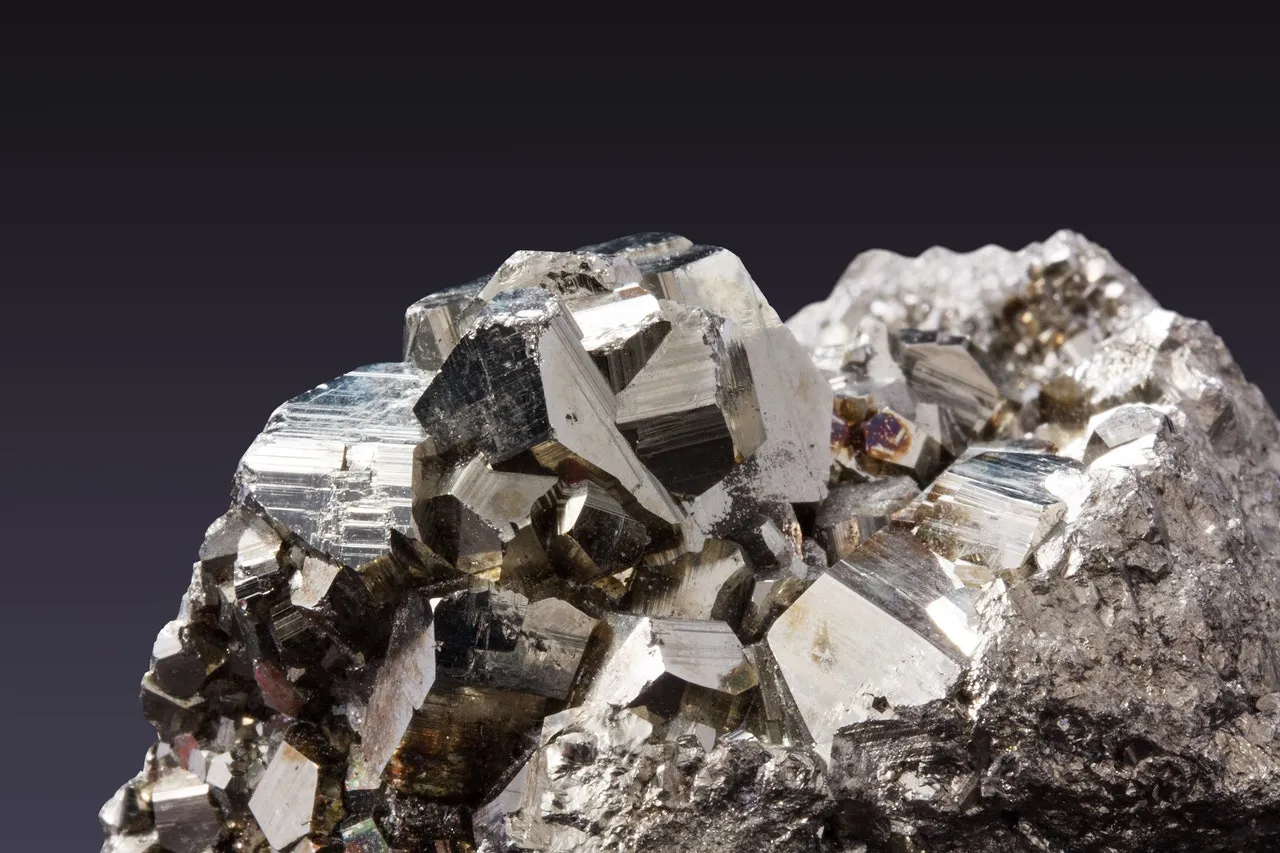
Platinum deficits deepen as South African output declines and geopolitical risks tighten supply, increasing the need for new PGM sources.
- The World Platinum Investment Council (WPIC) confirmed a third consecutive annual platinum supply deficit in 2025, estimated at 692,000 ounces, with above-ground stocks falling to 3,187,000 ounces.
- South African platinum output has declined from 5.3 million ounces in 2006 to 3.9 million ounces in 2025, with Johnson Matthey projecting a further 10% decline over the next five years.
- ValOre Metals Corp. holds a 2.2 million ounce NI 43-101 inferred PGE resource at its 100%-owned Pedra Branca project in northeastern Brazil, one of the few development-stage PGM assets located outside the South Africa-Russia-Zimbabwe concentration zone.
- ValOre is advancing a Preliminary Economic Assessment (PEA) targeted for Q4 2026, supported by Phase II metallurgical testwork with the University of Cape Town and process engineering by Lycopodium.
- Above-ground platinum stocks have declined to less than five months of demand coverage, materially reducing the market’s ability to absorb further supply shocks and increasing price sensitivity to incremental disruptions.
A Structural Supply Crisis, Not a Cyclical Spike
The surge in platinum prices through late February 2026 reflects more than a short-term reaction to geopolitical headlines. While the escalation of US and Israeli military action against Iran, and the subsequent disruption to Middle East logistics, provided an immediate safe-haven catalyst, the underlying supply-demand structure for platinum had been deteriorating for years before the current crisis. According to the WPIC's 2025 Platinum Market Report, total platinum supply declined 2% year-on-year to 7,129,000 ounces, the lowest level in five years, while mine supply fell 5% to 5,510,000 ounces. The deficit for the year reached an estimated 692,000 ounces, representing a third consecutive year of shortfall.
South Africa, which supplies approximately 70% of global platinum mine output, is producing materially less metal than it did two decades ago. Output peaked at 5.3 million ounces in 2006 and declined to 3.9 million ounces in 2025 according to Johnson Matthey. Northam Platinum's Chief Executive Officer Paul Dunne, reporting the company's record half-year results in February 2026, addressed the structural nature of the decline directly, noting that ageing shafts and a decade of underinvestment mean primary supply will continue to fall regardless of current price incentives. Dunne stated that although firm platinum group metal prices have bolstered existing operations, extended development timelines mean primary supply of PGMs will continue to fall and current prices are likely to remain firm in the medium term.
Russia, which accounts for approximately 7.8% of global PGE reserves, presents an entirely different category of supply risk, one defined not by geological depletion but by geopolitical inaccessibility and sanctions exposure. Zimbabwe, the third-largest PGM jurisdiction, demonstrated similar vulnerabilities in early 2026, when Valterra Platinum disclosed that the Zimbabwean government had accumulated $100 million in unpaid export proceeds owed to the company under that country's foreign currency retention rules. The combination of operational decline in South Africa, systemic geopolitical risk in Russia, and institutional instability in Zimbabwe frames the critical question for investors: where does incremental platinum supply come from?
Jurisdiction Scarcity & the Strategic Value of Brazil
The Bushveld Igneous Complex in South Africa and the Norilsk deposits in Russia together account for the overwhelming majority of the world's economically viable platinum and palladium mineralization. According to WPIC data, approximately 88.9% of the world's PGE reserves are in South Africa, with Russia holding a further 7.8%. Finding development-stage PGM assets outside these jurisdictions is uncommon, and that scarcity carries increasing strategic value as supply concentration risk has become a more explicit consideration for both end-users and investors.
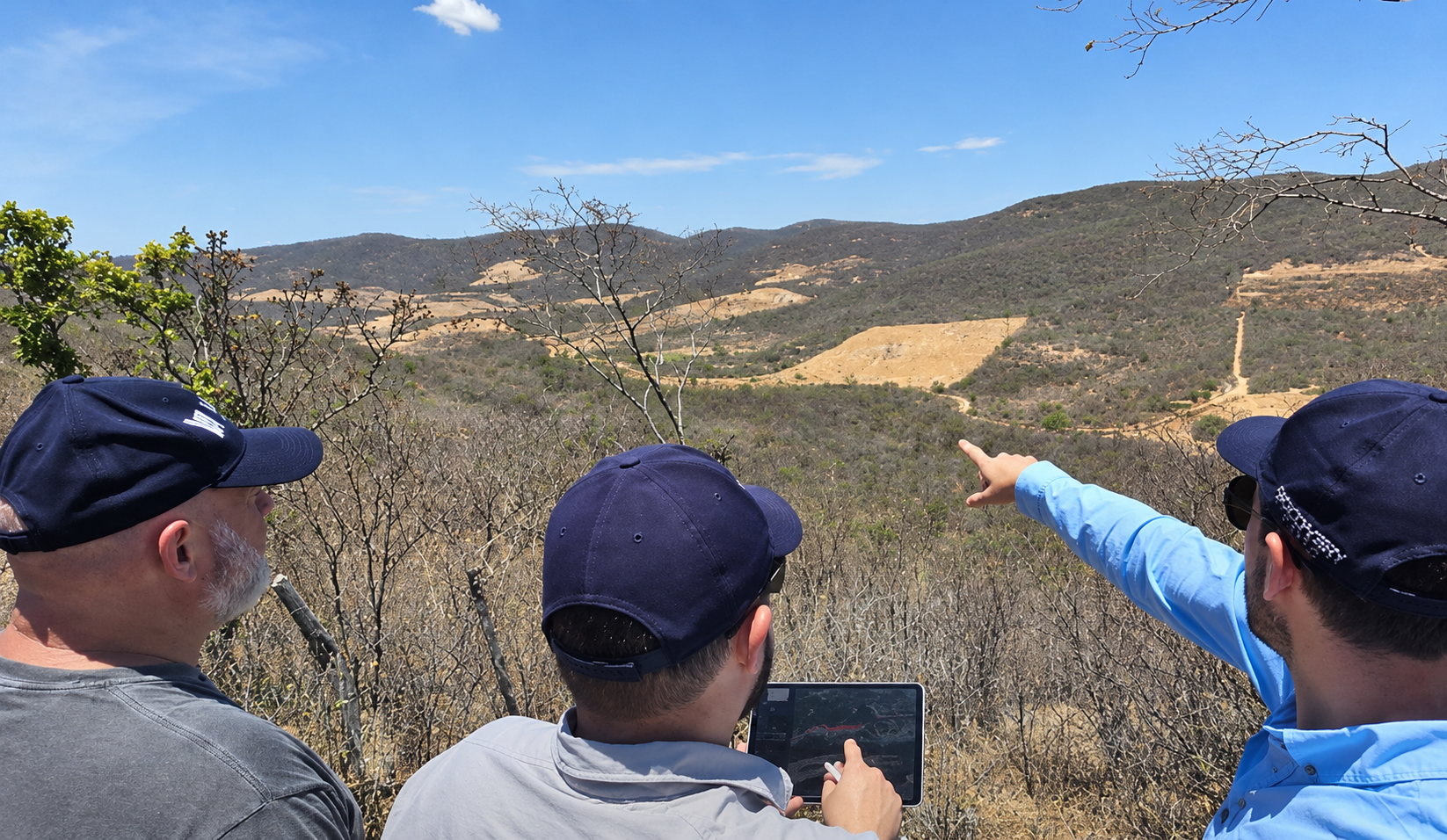
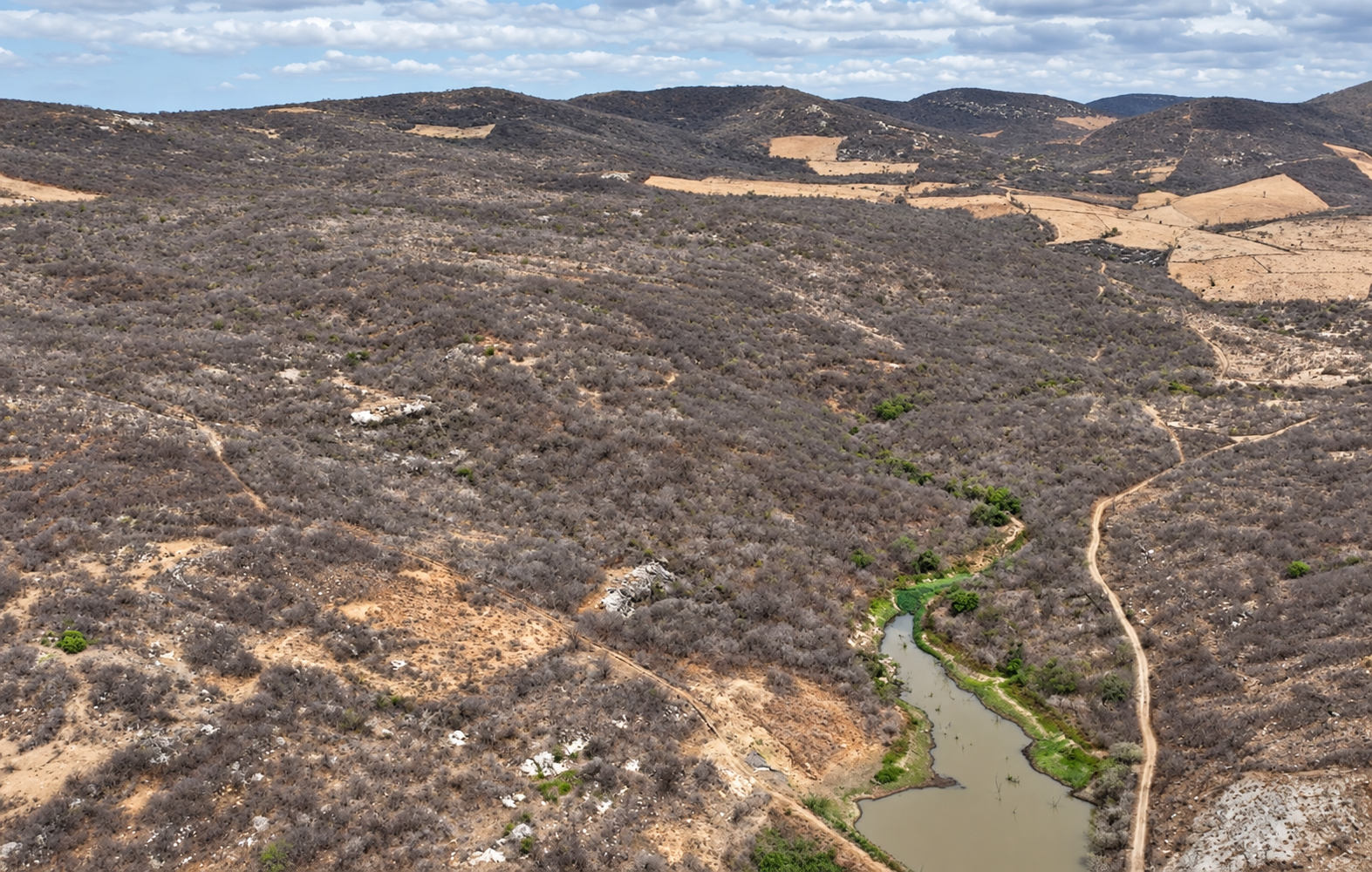
ValOre Metals' Pedra Branca project in Ceará State, northeastern Brazil, hosts a 2022 NI 43-101 inferred resource of 2,198,000 ounces of platinum, palladium and gold across seven near-surface deposit areas, covering 51,096 hectares on an 80-kilometre mineralised trend. The project sits approximately four hours by paved highway from Fortaleza, which provides both international air access and deep-water port infrastructure. More than $50 million has been spent on the project through its history, including over 23,500 metres of drilling by ValOre and approximately 30,000 metres by prior operators.
ValOre Metals Chief Executive Officer Nick Smart articulates the strategic logic of the asset's location with specificity:
“Most of them are in South Africa. The number two position is Russia. Number three is Zimbabwe. So finding an asset, finding an ore body, outside of those jurisdictions is a challenge. And we’re obviously fortunate to be sitting on one of those assets at the moment in Brazil.”
Brazil itself merits consideration as a mining jurisdiction independent of ValOre's specific asset. The country has a long-established legal framework for mineral tenure, a growing pipeline of technically sophisticated projects, and, at the federal level, an increasing emphasis on critical minerals development. Platinum and palladium have been formally classified as critical minerals by the Brazilian government, a designation that creates a more direct pathway for regulatory engagement and project support.
The Resource & Development Case at Pedra Branca
ValOre's inferred resource of 2.2 million ounces of 2PGE + gold (palladium plus platinum plus gold) grading 1.08 grams per tonne is distributed across seven deposits, with four core areas, Esbarro, Curiu, Cedro and Cana Brava, forming the nucleus of the current resource estimate. All mineralization is amenable to open-pit extraction, a structural advantage in terms of capital intensity compared to the deep underground mining that characterizes much of South Africa's primary PGM production.
Nick Smart frames the operational profile clearly:
“Our ore body is near the surface. We’re not looking at massively complex underground development, we’re talking about open-cast mining.
Across an indicative ten to fifteen year mine life, Smart estimates that the project would support annual production in the range of 150,000 to 200,000 ounces of contained platinum per year, which would represent a meaningful addition to a market currently experiencing structural shortfall. At spot platinum prices above $2,000 per ounce and palladium approaching similar levels, the contained metal value of the resource is measured in the trillions of dollars at current prices, even before applying any recovery or economic discount.
The 2025 exploration program delivered tangible progress on resource expansion. ValOre completed an 87-hole Trado auger drilling campaign at the Esbarro deposit, extending mineralisation into the Esbarro East Extension zone with high-grade surface intercepts including 10 metres at 12.95 grams per tonne 2PGE and gold. Separately, the Brazilian National Mining Agency approved Final Exploration Reports for all four core deposits, advancing Esbarro, Cedro, Curiu and Cana Brava to the Mining Concession Application Phase, a material de-risking milestone.
Metallurgy & the Path to Economic Study
For a development-stage PGM project, the technical pathway from resource to production is defined principally by metallurgical testwork and process engineering. At Pedra Branca, the mineralization presents two distinct domains: near-surface weathered material and deeper fresh rock. These domains require different processing approaches, and establishing technically credible and cost-effective recovery routes for each is central to the Preliminary Economic Assessment (PEA) ValOre is targeting for Q4 2026.
Phase I metallurgical testwork, conducted by the University of Cape Town's Centre for Minerals Research, established recovery ranges of 70 to 80% for palladium and platinum from fresh material through conventional flotation, consistent with prior work at Blue Coast Research. For weathered material, Phase I confirmed the refractory nature of the mineralization, identifying bioleaching pretreatment as the most technically promising route for improving PGE liberation prior to downstream recovery. Phase II testwork, approved by the board in early 2026, is scaling the bioleaching process, evaluating column heap leach scenarios, and developing process engineering inputs for Lycopodium, the lead engineering consultant for the PEA.
“Unlocking that metallurgy is key for us. The real focus is on metallurgy. It’s about proving that once you’ve got the rock out of the ground, the critical factor is the extraction route, the route to market.”
Smart's background in chemical engineering, trained at the University of Cape Town, the same institution now conducting Pedra Branca's testwork, provides direct technical oversight over a process that is simultaneously the project's most complex technical risk and its most significant value creation lever. The use of bioleaching, already employed in approximately 20% of global copper production and validated commercially at 14 gold operations worldwide, positions Pedra Branca's weathered material processing within an established, if novel for PGMs, industrial framework.
Geopolitics, Safe-Haven Demand & the EU Policy Reversal
The immediate catalyst for platinum's 19.29% weekly gain in the final week of February 2026 was the combination of intensifying Middle East conflict, US tariff uncertainty, and a weaker US dollar. By early March 2026, US and Israeli military strikes against Iran had expanded to include Lebanon, disrupting commercial aviation across the region and curtailing physical gold flows through Dubai's bullion hub. Gold had risen approximately 23% year-to-date by early March 2026, with spot platinum trading above $2,300 per ounce and palladium above $1,700. Analysts at SP Angel noted that rising geopolitical fragmentation was prompting BRIC central banks to reduce their exposure to dollar-denominated assets in favour of physical precious metals, a structural shift with durable implications for platinum and palladium alongside gold.
Two longer-term policy developments reinforce the structural demand case for platinum specifically. First, the European Union's reversal of its 2035 combustion-engine ban has materially altered the long-term demand outlook for platinum, which is a critical input into the autocatalytic converters that reduce vehicular emissions. The prior certainty around electric vehicle penetration timelines had been a ceiling on platinum demand projections; the EU policy U-turn removes that ceiling. As Nick Smart noted in the context of demand fundamentals, the world is not transitioning to battery electric vehicles as rapidly as prior policy frameworks had assumed, and platinum's role in internal combustion engines and hydrogen fuel cell technology remains structurally intact.
Second, the WPIC data indicates that above-ground stocks have declined to 3,187,000 ounces, representing less than five months of demand coverage. With deficits forecast to persist through 2029, and primary supply structurally constrained by geological depletion, labour intensity and underinvestment in new South African operations, the market is no longer relying on above-ground inventory as a meaningful buffer. This changes the risks for investors, particularly those seeking PGM exposure in jurisdictions outside the South Africa-Russia concentration.
The Investment Thesis for Platinum Group Metals
- Structural supply deficits forecasted through 2029 by WPIC, estimated at approximately 500,000 to 700,000 ounces annually, provide a durable pricing floor that is not dependent on short-term sentiment cycles or geopolitical triggers.
- Geographic diversification outside South Africa and Russia is increasingly valued as a portfolio construction principle, given the systemic and operational risks now explicitly materialising in both dominant production jurisdictions.
- ValOre Metals' Pedra Branca project offers exposure to a 2.2 million ounce NI 43-101 inferred PGE resource with open-pit amenability, near-surface mineralisation, and established infrastructure access in a mining-supportive Brazilian jurisdiction, at a current market capitalisation of approximately C$26 million.
- The Q4 2026 PEA publication represents the first formal economic parameterization of Pedra Branca, a milestone that historically drives material re-ratings for development-stage PGM assets by establishing net present value, internal rate of return, all-in sustaining cost estimates and mine life projections.
- The European Union's reversal of the 2035 combustion-engine phase-out extends the medium-term demand runway for platinum in autocatalysts, complementing growing investment and jewelry demand and hydrogen fuel cell applications.
- Insider and institutional alignment at ValOre, with insiders and advisors holding 20% of shares and resource-focused funds holding a further 25%, substantially reduces dilution risk and aligns management incentives with long-term asset development.
- ValOre's Discovery Group backing provides access to a capital markets network with more than C$1 billion raised and C$2.6 billion in mining mergers and acquisitions facilitated since 2002, a meaningful differentiator in a junior sector where financing risk remains a primary concern.
The platinum market in early 2026 is operating at the intersection of structural supply exhaustion and acute geopolitical stress. What began as a thesis constructed around multi-year supply deficits and South African output decline has been compounded by conflict-driven safe-haven demand, policy reversals on electric vehicle mandates, and the accelerating de-dollarisation trend among BRIC central banks. The result is a market environment in which the scarcity of quality development-stage PGM assets outside the dominant concentration zones is no longer a theoretical investment attribute but a practical and pressing concern for capital allocators.
With a 2.2 million ounce resource, a credible PEA pathway for Q4 2026, Phase II metallurgical testwork underway at one of the world's premier PGM processing research institutions, and a jurisdiction that actively supports critical minerals development, ValOre Metals represents a disciplined, technically grounded entry point into an asset class where the macro conditions have rarely been more aligned with the development fundamentals.
TL;DR
Platinum markets are tightening structurally, not cyclically. The World Platinum Investment Council confirms a third consecutive supply deficit in 2025, while above-ground inventories have fallen below five months of demand coverage and South African output continues its long-term decline. With supply concentrated in South Africa, Russia, and Zimbabwe, geopolitical and operational risks are increasing investor focus on new potential sources of platinum outside these regions. Development-stage projects such as ValOre Metals’ Pedra Branca PGM project in Brazil illustrate the type of emerging assets investors are evaluating as the market looks for future supply beyond the traditional production hubs.
FAQs (AI generated)
Platinum is in a structural deficit because mine supply has been declining while demand remains resilient. The World Platinum Investment Council reported a third consecutive annual deficit in 2025 of approximately 692,000 ounces, with total supply falling to a five year low. South African production, which accounts for roughly 70 percent of global platinum mine output, has declined significantly since its 2006 peak. At the same time, above ground inventories have dropped to less than five months of demand coverage, reducing the market’s ability to absorb further disruptions.
PGM supply is highly concentrated geographically. Approximately 88.9 percent of global PGE reserves are located in South Africa, with Russia holding around 7.8 percent, and Zimbabwe ranking third. This concentration creates systemic risk because operational challenges in South Africa, geopolitical sanctions exposure in Russia, and policy instability in Zimbabwe can materially impact global supply. Development stage projects outside these jurisdictions are comparatively rare.
Pedra Branca is one of the few development stage PGM assets located outside the dominant South Africa, Russia, and Zimbabwe supply corridor. The project hosts a 2.2 million ounce NI 43-101 inferred 2PGE plus gold resource in Ceará State, Brazil, with near surface mineralization amenable to open pit mining. Its location in a mining supportive jurisdiction with established infrastructure and critical mineral classification adds strategic diversification value for investors seeking exposure to potential new PGM supply.
ValOre is advancing Pedra Branca toward a Preliminary Economic Assessment targeted for Q4 2026. Current work focuses on Phase II metallurgical testwork with the University of Cape Town and process engineering led by Lycopodium. Metallurgy, particularly bioleaching for weathered material, is central to unlocking economic value. The PEA is expected to establish key economic metrics such as projected mine life, costs, and potential returns.
Recent price strength has been supported by geopolitical tensions in the Middle East, US tariff uncertainty, and safe haven demand trends. Longer term, structural deficits forecast through 2029, declining South African output, reduced inventory buffers, and the European Union’s reversal of its 2035 combustion engine phase out contribute to a more durable demand outlook. Combined with growing interest in hydrogen fuel cells and jewelry demand, these factors reinforce the medium term investment case for platinum.
Analyst's Notes





Subscribe to Our Channel


.png)












Stay Informed


