




Cabral Gold's Phase 1 Is Built to Fund Phase 2


Cabral Gold's president explains how Phase 1 gold production is designed to fund a much larger hard rock resource across its Brazil district.
- Cabral Gold is in the commissioning phase of its first mine in Brazil and has already begun mining and stacking ore ahead of targeted commercial gold production in the fourth quarter of 2026.
- Management describes a deliberate 2-stage development strategy, using a low-cost, low-risk oxide operation to generate cash flow before pursuing a much larger hard rock resource.
- The company is currently modelling 6 gold deposits for an updated district resource estimate, up from 3 deposits in its last district-wide update, with results targeted by the end of 2026.
- Phase 1 is expected to produce gold at an all-in sustaining cost (AISC) of US$1,210 per ounce, which management says leaves a substantial margin even after recent gold price weakness.
- With 6 drill rigs operating and 50 untested targets identified across the district, management frames the current build as the funding mechanism for a second, larger phase rather than the end goal itself.
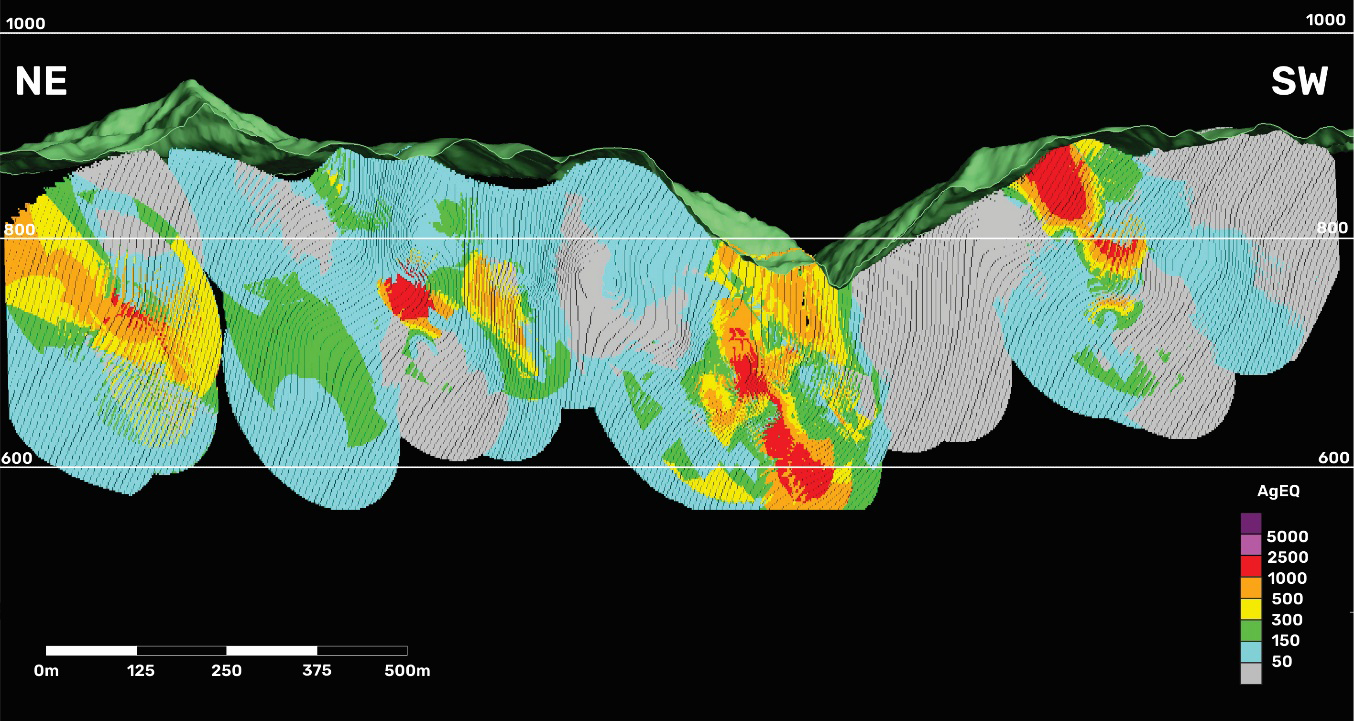
Cabral Gold (TSXV: CBR, OTCQB: CBGZF) is transitioning from a pure exploration company into a junior gold producer, a shift Alan Carter, Cabral Gold's president and chief executive officer, describes as having taken place over roughly 9 months. The company is building its first mine in Brazil and is currently in the commissioning process, with mining and ore stacking already underway. The company controls an entire district in Brazil rather than a single deposit, and is currently modelling 6 gold deposits, up from 3 in its last district-wide resource update, with as many as 6 more potentially present within the district it controls.
Beyond First Gold
Junior mining companies moving from explorer to producer are typically judged on a single milestone: whether they hit first gold on schedule and on budget. Cabral Gold is approaching that milestone, with construction of its first mine roughly 85% complete and ore already being mined and stacked as part of commissioning. But according to Carter, the more consequential story is not the startup itself, but what it is designed to fund.
The company laid out a 2 stage development strategy in which the current, near term operation exists primarily to generate the cash flow needed to prove up and eventually develop a much larger hard rock resource across the district the company controls. That framing shifts the investment question from whether Phase 1 will work to what Phase 1 makes possible.
Where the Project Stands Today
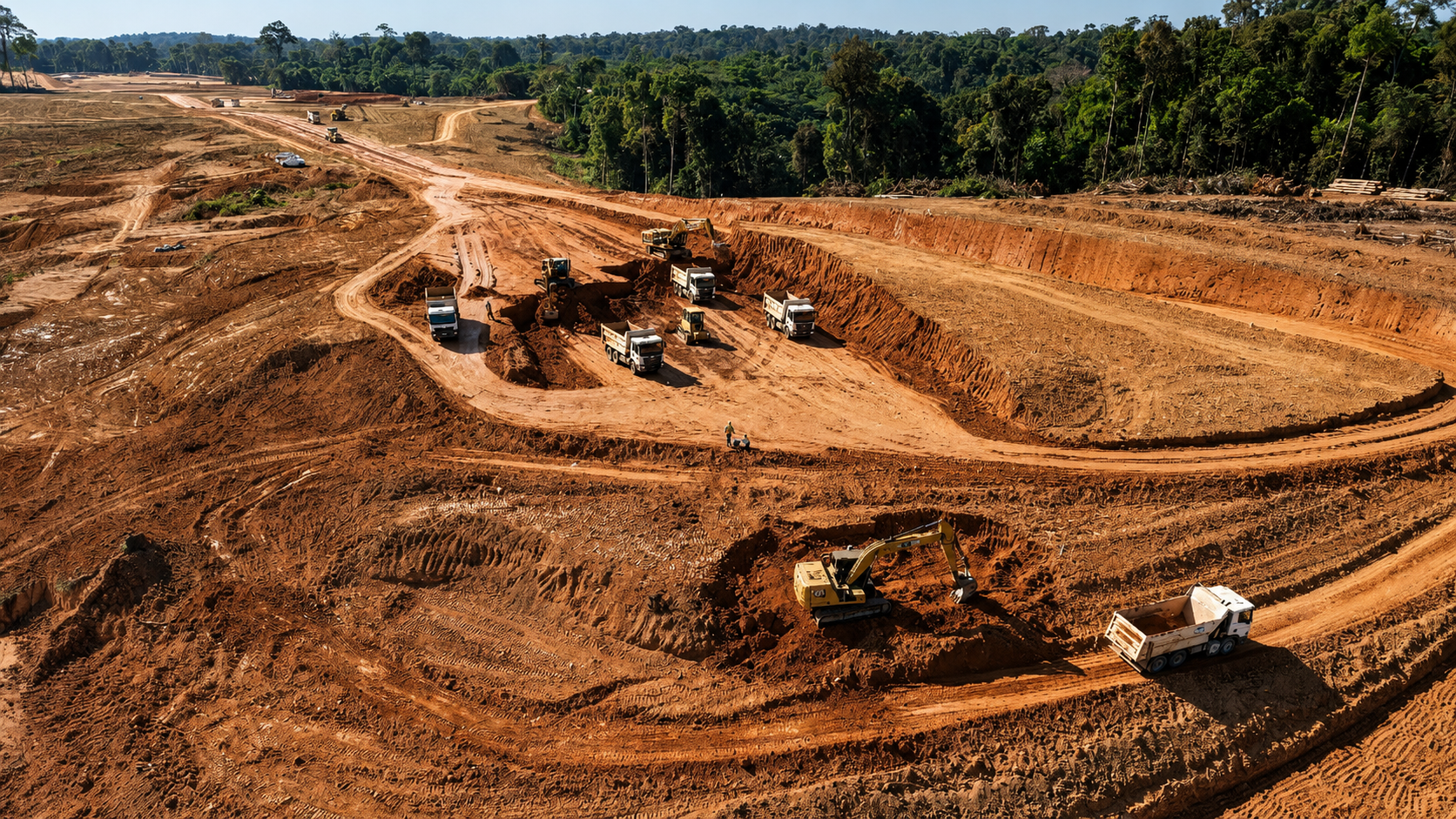
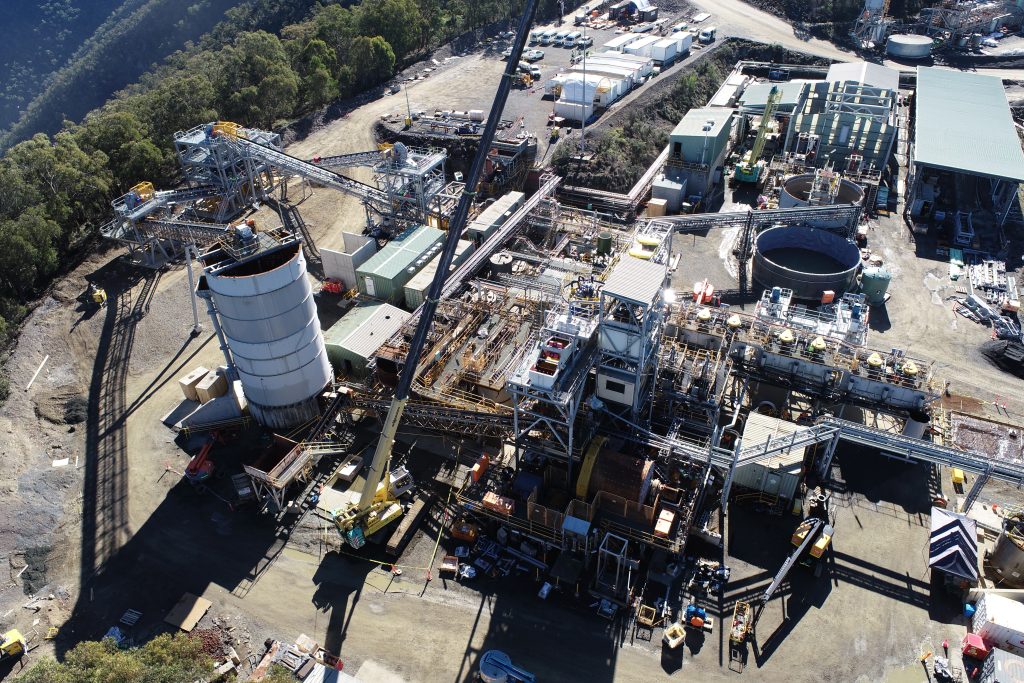
Ore is mined from a weathered, saprolite material and transported to the plant, where it passes through a dry circuit that removes larger rock fragments before cement is added to form pellets, which are then stacked on the leach pad, a process already underway. The remaining commissioning work centres on the wet circuit: the absorption-desorption (ADR) plant, built in Perth, Western Australia before being shipped to Brazil, is expected to be delivered on site, while the solution storage ponds, carbon columns, and solution containment area are complete.
The project remains largely on budget against the original scope of its Preliminary Feasibility Study (PFS). Management has also identified opportunities to upsize the initial Phase 1 operation and expects to provide further guidance in the coming weeks and months.
Why Phase One Comes First
The strategic rationale centres on sequencing risk. Phase 1 targets weathered material roughly 60 meters deep that requires no drilling or blasting, since it is soft saprolitic mud, and no crushing or grinding at the plant, since the ore is not hard rock. This keeps both mining and processing costs low, with the company expecting to produce gold at an AISC of US$1,210 per ounce, even accounting for recent weakness in the gold price.
Carter explained why the second stage represents the larger opportunity for the company:
"The second phase is to prove up the economic viability of this much larger hard rock resource, and then put a plan together for actually building a much bigger mining operation to tackle that material."
What's Happening on the Ground
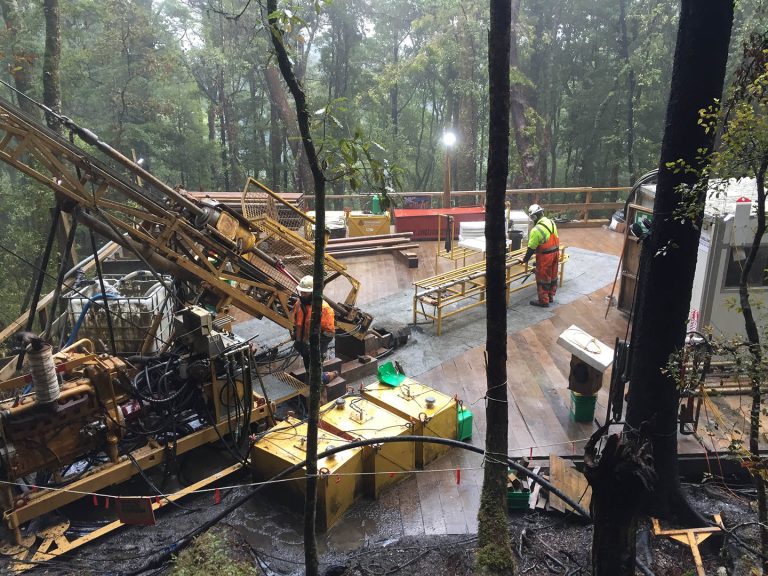
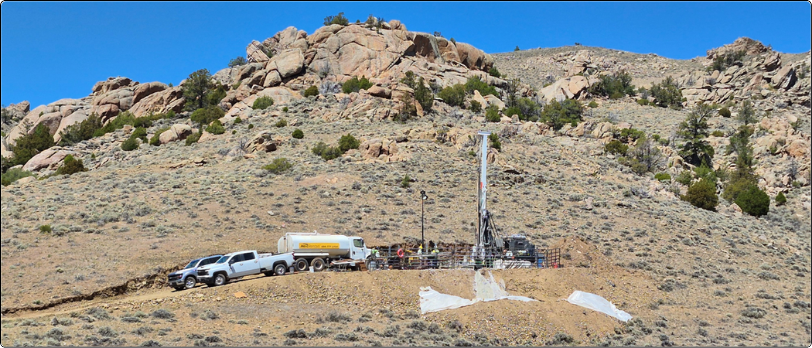
Cabral Gold continues to run an active exploration program with 6 drill rigs operating across the district, targeting 50 untested targets, including boulder fields returning grades averaging 3 ounces per ton. The company is also working toward an updated district-wide resource estimate, expanding from 3 to 6 modelled deposits, targeted by the end of 2026. Construction has largely taken place through the middle of Brazil's rainy season, with the project remaining on or ahead of schedule in some areas.
What Comes Next for Shareholders
Carter said he anticipates a market re-rating once commercial production begins, noting Cabral Gold's share price has held up relative to peers despite broader pressure on junior gold equities from gold price pullbacks and geopolitical tension in the Middle East. For investors, the near-term catalyst remains hitting commercial production on schedule in the fourth quarter of 2026. What differs in Cabral Gold's case is that this milestone is explicitly positioned as a funding step rather than a standalone outcome, with the larger hard rock resource across the district framed as the longer-term value driver.
The Investment Thesis for Cabral Gold
- Phase 1 commissioning is already underway, with ore being mined and stacked ahead of a targeted fourth quarter 2026 commercial production date, placing the company close to a re-rating milestone.
- The starter operation is built around low cost, low technical risk oxide material, supporting an expected all-in sustaining cost of US$1,210 per ounce and a substantial margin even at recent gold prices.
- Phase 1 cash flow is designed to fund a much larger hard rock resource across the wider district, giving the project a second, longer-term growth avenue beyond first production.
- An active exploration program, with 6 drill rigs and 50 untested targets, is feeding an updated district resource estimate expected to grow from 3 to 6 modelled deposits by the end of 2026, expanding the scale of the opportunity.
- The company controls an entire mineral district rather than a single deposit, giving it room to run for further discoveries beyond its currently modelled resource base.
- Management has identified potential upside from upsizing the initial Phase 1 operation, adding a further layer of value not yet reflected in current guidance.
Taken together, these points describe a company whose near-term valuation case rests on hitting a single operational milestone, while its longer-term case rests on a resource opportunity that has not yet been defined by a completed technical study. Investors weighing the stock are effectively pricing 2 separate outcomes on 2 different timelines, with the first expected to be tested within months and the second still dependent on drilling and ongoing study work.
TL;DR
Cabral Gold's president and chief executive officer, Alan Carter, says the company's first mine in Brazil is roughly 85% complete and already mining and stacking ore as part of commissioning, with commercial gold production targeted for the fourth quarter of 2026. The company remains largely on budget against its original feasibility study, has identified potential upside from upsizing Phase 1, and continues to run an active exploration program with 6 drill rigs aimed at expanding its district resource estimate from 3 to 6 modelled deposits by year-end. Carter frames Phase 1 as a low cost, low risk starter operation designed to generate cash flow that can help fund a much larger hard rock resource the company believes exists across the wider district it controls, with commercial production positioned as the near term catalyst for a broader market re-rating.
FAQs (AI-Generated)
Analyst's Notes





Subscribe to Our Channel






Stay Informed






















