




Gold Holds Above $4,300 Despite Fed & BOJ Rate Hikes


Goldman Sachs’ $5,400 forecast, central-bank buying and dealer audits support gold’s long-term upside despite higher real-yield risk.
- Spot gold rose 0.2% to $4,346.65 per ounce by 0145 GMT on September 18, holding above $4,300 despite the Fed’s rate hike and the Bank of Japan’s move to a 31-year-high 1.25%.
- On September 18, Goldman Sachs maintained its end-2027 forecast of $5,400 per ounce, indicating that tighter policy may delay gold’s rally rather than reverse it.
- On September 18, Ahmad Assiri, Research Strategist at Pepperstone, said rate-driven yields cap near-term gains, but deficit- or war-driven yields could weaken the dollar and support gold.
- On August 19, 2026, the World Gold Council reported that bar and coin buyers purchased 1,200 metric tons in 2025, about 25% of gold demand, while BSI’s fourth-quarter audit program could reduce dealer risk.
- After September 18, the dollar and real yields following the Fed’s next statement will test gold’s rate risk, while BSI’s fourth-quarter launch will test whether audited dealers reduce physical-market risk.
Central Bank Rate Rises Push Spot Gold Toward $4,350
Spot gold rose 0.2% to $4,346.65 per ounce, while US gold futures fell 0.3% to $4,385.70. Gold held above $4,300 after the Fed’s first rate increase under Chair Kevin Warsh and before the Bank of Japan raised its policy rate to a 31-year high of 1.25%. A 1% oil decline reduced inflation pressure, while a subdued dollar lowered bullion’s cost for non-US buyers.
The opposing spot and futures moves showed no clear price direction, but gold’s resilience above $4,300 despite tighter policy supports the contrarian case that higher rates are slowing the rally rather than reversing it. The Bank of England held rates but warned of further increases, extending rate risk across three major central banks and leaving the dollar and real yields as the main tests of gold’s near-term support.
Rate Expectations Cap Gold While Fiscal Deficits Could Reverse It
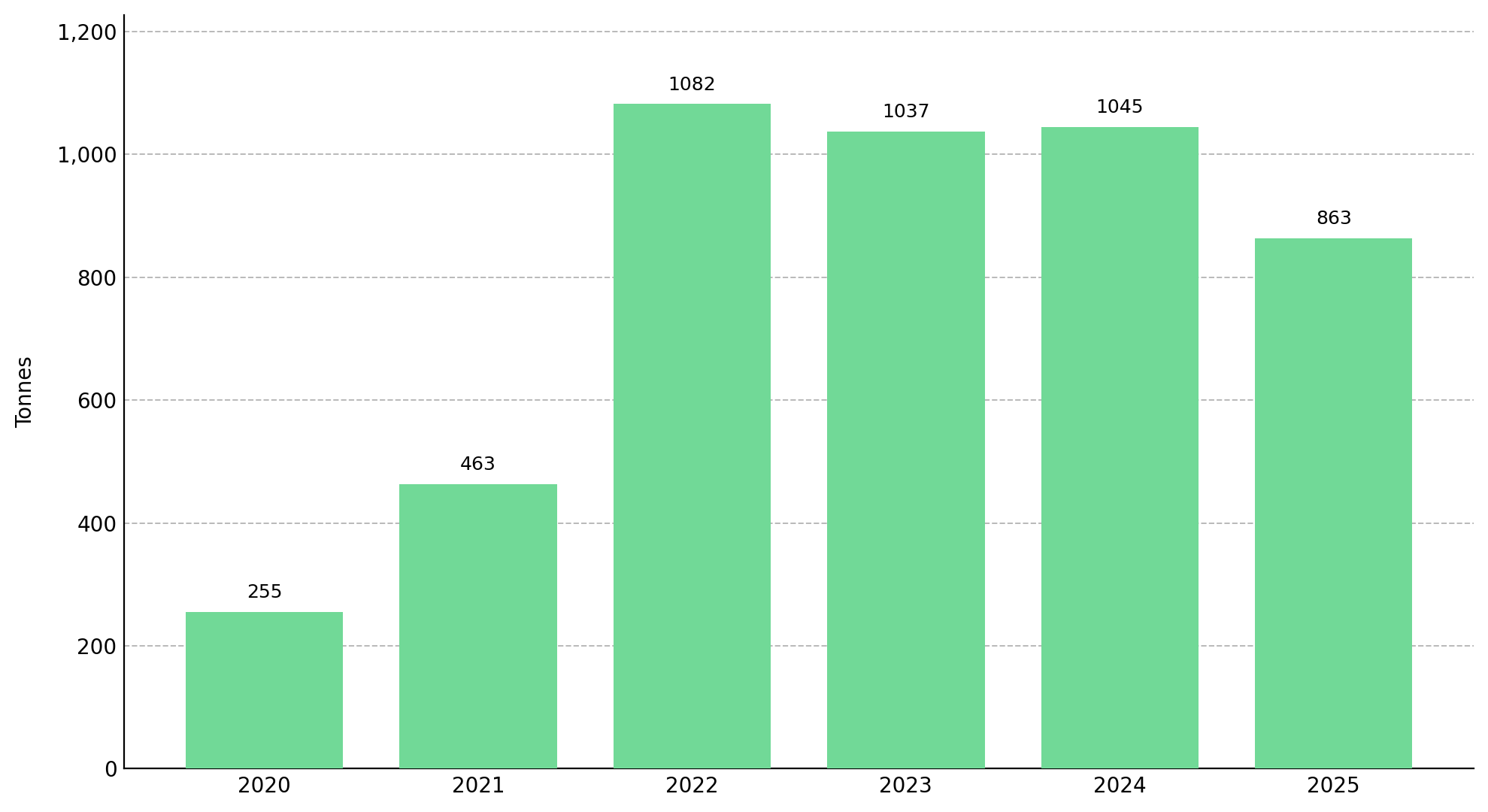
Higher Fed and Bank of Japan rates raise returns on cash and bonds, increasing the opportunity cost of holding non-yielding gold. Central-bank purchases exceeded 1,000 metric tons annually from 2022 through 2024, more than double the 2010-2021 average of roughly 450 metric tons. Purchases fell 17% to 863 metric tons in 2025 as prices rose but remained nearly twice the earlier average, preserving substantial demand support.
Higher yields weigh on gold when driven by policy tightening, but they can support bullion when fiscal concerns weaken the dollar. Ahmad Assiri, Research Strategist at Pepperstone, said war spending and wider deficits could raise yields while weakening the dollar, making gold cheaper for non-US buyers. This distinction supports the contrarian case that high yields are not automatically bearish for gold.
Long-Term Gold Forecasts Hold Steady Despite This Week's Hikes
Goldman Sachs maintained its end-2027 gold forecast at $5,400 per ounce after the Fed’s hike, assuming continued central-bank reserve diversification will offset weaker near-term demand caused by higher rates. Ahmad Assiri, Research Strategist at Pepperstone, said high rates cap gold’s near-term upside.
If further Fed and Bank of Japan hikes raise real yields and keep the dollar firm, gold could remain near $4,300 or move lower over the next several quarters. If war spending and wider deficits raise yields while weakening the dollar, stronger non-US demand could move gold closer to Goldman Sachs’ $5,400 target. The dollar index and 10-year real yields after the Fed’s next statement will show which mechanism is driving gold.
Record Bar & Coin Demand Meets New Dealer and Custody Risks
Bar and coin purchases reached a 12-year high of 1,200 metric tons in 2025, or about 25% of global gold demand. BSI’s fourth-quarter audit program will assess dealers across eight areas and award qualifying businesses a trust mark to help reduce counterparty risk.
Venezuela’s roughly 31 metric tons held at the Bank of England highlights a separate custody risk. Its proposed transfer to the New York Fed still requires a UK court order, showing that ownership does not always guarantee access.
Gold’s Next Direction Depends on the Dollar and Real Yields
Gold holding above $4,300 despite Fed and BOJ rate hikes suggests tighter policy has limited, not reversed, demand. A stronger dollar and rising real yields would increase correction risk, while dollar weakness would support gold.
Key signals include central-bank buying, Goldman Sachs’ $5,400 forecast and BSI’s dealer-audit launch. Investors can manage risk through limited positions, audited dealers and diversified custodians.
Analyst's Notes





Subscribe to Our Channel




Stay Informed






















