




Can China’s Million-Ton Battery Recycling Target Offset Mine Supply?


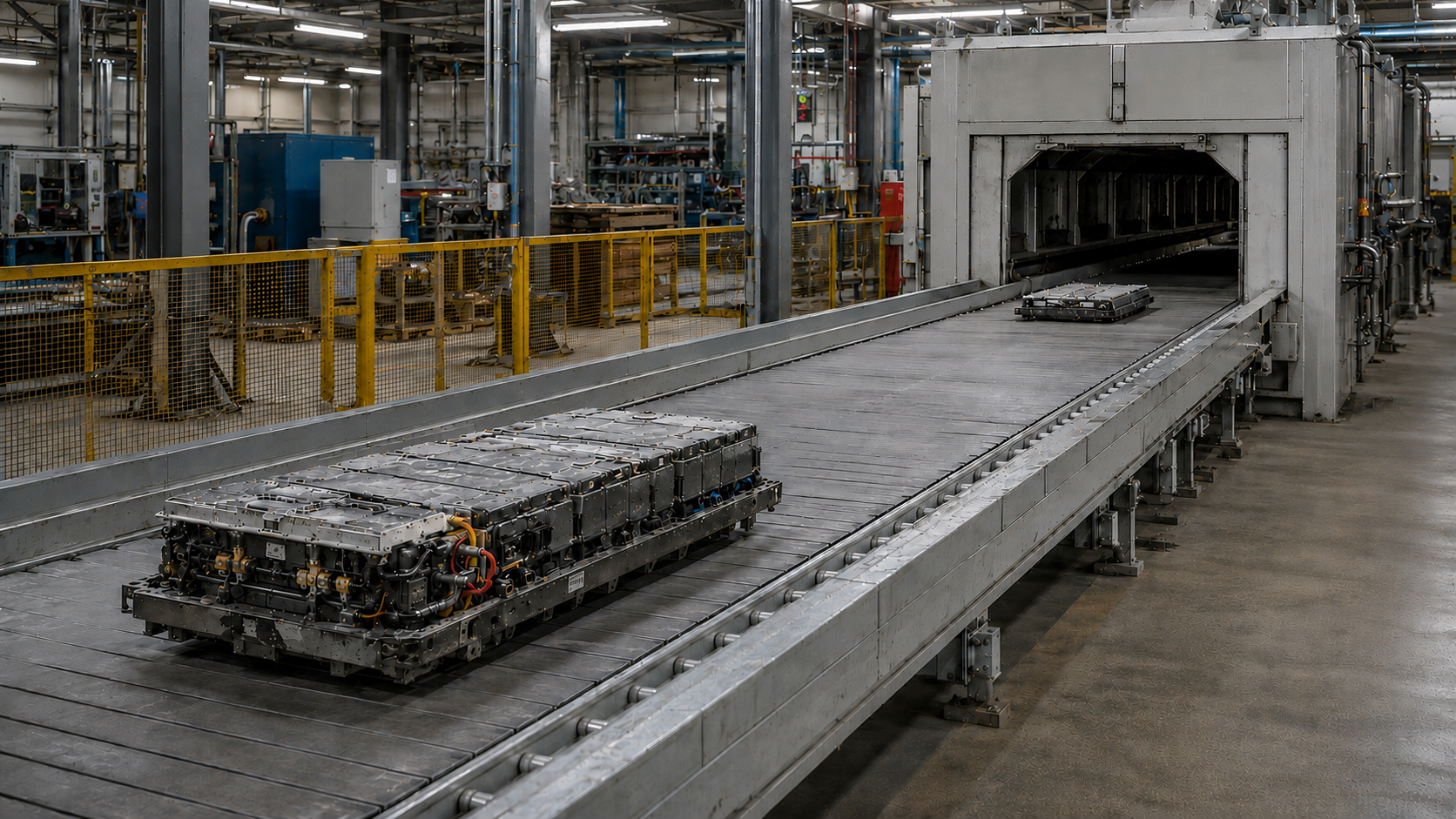
China’s million-ton battery recycling target meets only 10%-15% of demand, leaving lithium and nickel mines central as scrap remains scarce.
- China’s industrial roadmap targets recycling more than 1 million metric tons of spent electric vehicle (EV) batteries annually by 2030 and using recovered lithium, nickel, and cobalt to meet 10% to 15% of raw material demand for new batteries, leaving primary mines to supply the remaining 85% to 90%.
- Licensed Chinese battery recycling plants are currently processing only 20% to 30% of their installed capacity on average because available scrap has not kept pace, making secured feedstock a stronger indicator of near-term revenue potential than plant size.
- Under Article 8 of the European Union (EU) Batteries Regulation, batteries placed on the EU market from August 18, 2031 must contain at least 6% recycled lithium and 6% recycled nickel, leaving most demand open to primary mine supply.
- The International Energy Agency (IEA) estimates that recycling could supply 20% to 30% of lithium, nickel, and cobalt demand by 2050 if collection rates improve substantially, leaving primary mines to provide the remaining 70% to 80%.
- Recyclers with secured non-battery feedstock, such as spent automotive catalysts, do not need to wait for EV battery retirements to expand after 2030, providing clearer near-term plant utilization and revenue visibility than battery-dependent recyclers.
China’s Battery Recycling Target Leaves Primary Mines Supplying up to 90% of Demand
Battery recycling can reduce the volume of new mine supply required, but China’s 2030 target shows it will remain a supplement rather than a replacement this decade. China’s Ministry of Industry and Information Technology (MIIT) published a five-year industrial roadmap on July 31, 2026, targeting recycling more than 1 million metric tons of spent EV batteries annually by 2030. The roadmap sets a target for recovered lithium, nickel, and cobalt to meet 10% to 15% of raw material demand for new batteries, leaving primary mines to provide the remaining 85% to 90%.
IEA data show that global battery pretreatment and material-recovery capacity grew 50% in 2023, with China accounting for 80% of capacity in both stages, confirming that processing scale alone does not determine recovered supply. Under the Stated Policies Scenario (SPA), lithium demand rises from 205,000 metric tons in 2024 to 928,000 metric tons in 2040, while nickel demand increases from 3.37 million to 5.69 million metric tons, reinforcing the need for recycling and primary mine supply to expand together.
Recycling Capacity Outruns Available Scrap, Pushing Plant Utilization to 30%
Licensed Chinese battery recycling facilities operate at average utilization rates of only 20% to 30%, meaning installed capacity is three to five times current throughput, which limits the revenue generated from those assets until more feedstock becomes available. The China Automotive Technology and Research Center (CATARC) reports that China processed more than 400,000 metric tons of spent EV batteries in 2025, up approximately 33% year over year, and projects more than 2.8 million EVs reaching end of life by 2030, producing more than 1 million metric tons of retired batteries. Benchmark Mineral Intelligence forecasts that global end-of-life and production scrap available for recycling will exceed 2.5 million metric tons by 2030. These projections show that feedstock is expanding but installed capacity is expanding faster, making secured scrap supply the main determinant of near-term plant utilization and revenue.
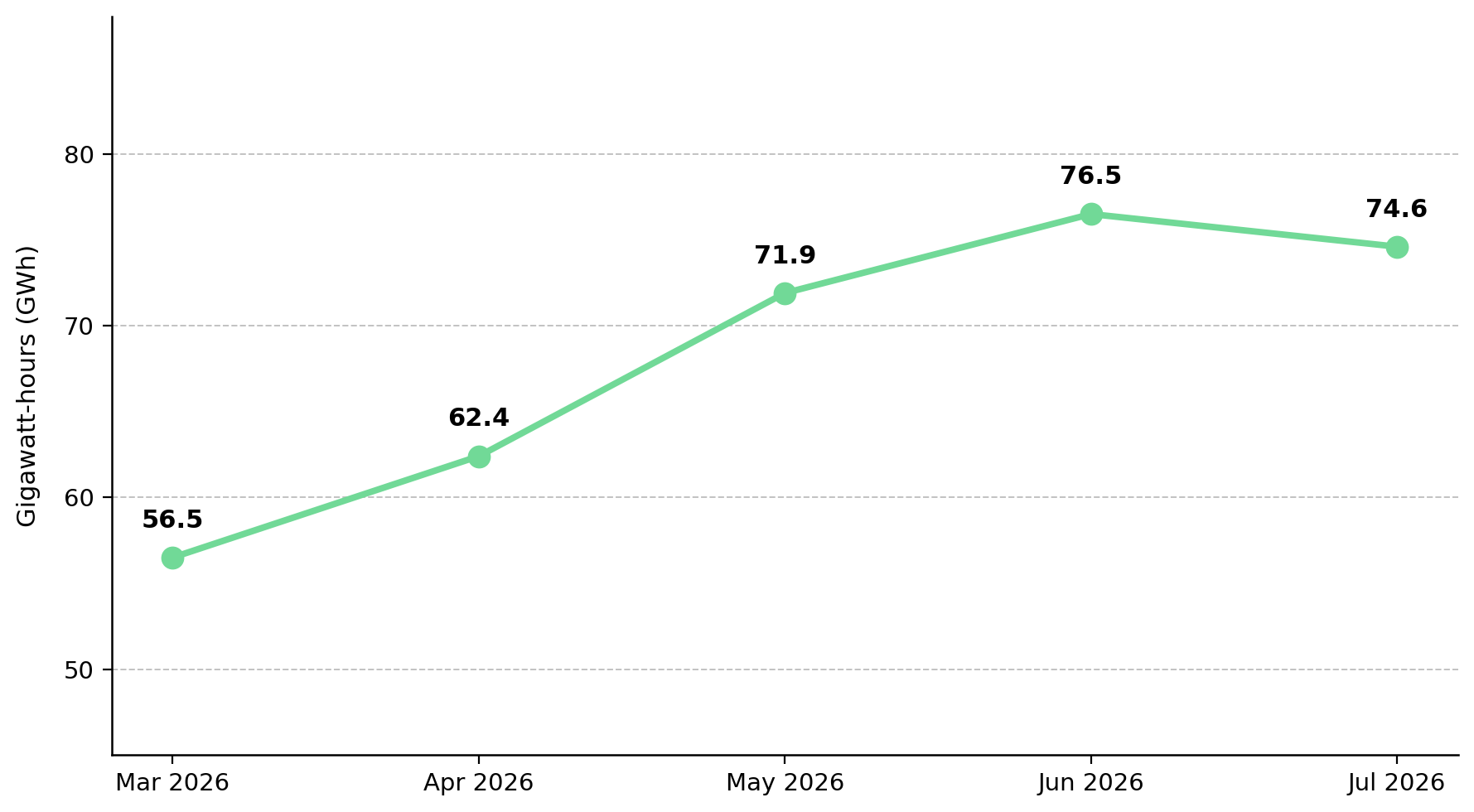
Informal workshops have outbid regulated processors for battery scrap because licensed facilities incur compliance costs, diverting feedstock from regulated plants and reducing their utilization. China implemented the Interim Measures for the Management of Recycling and Comprehensive Utilization of Waste Power Batteries for New Energy Vehicles on April 1, 2026, targeting more waste batteries entering regulated collection and processing channels. The framework targets redirecting existing scrap to licensed facilities but does not accelerate battery retirements, so it can improve feedstock allocation without increasing the total volume of recoverable metal before 2030.
LFP Adoption Reduces Recycled Nickel Availability, Reinforcing Demand for Mined Supply
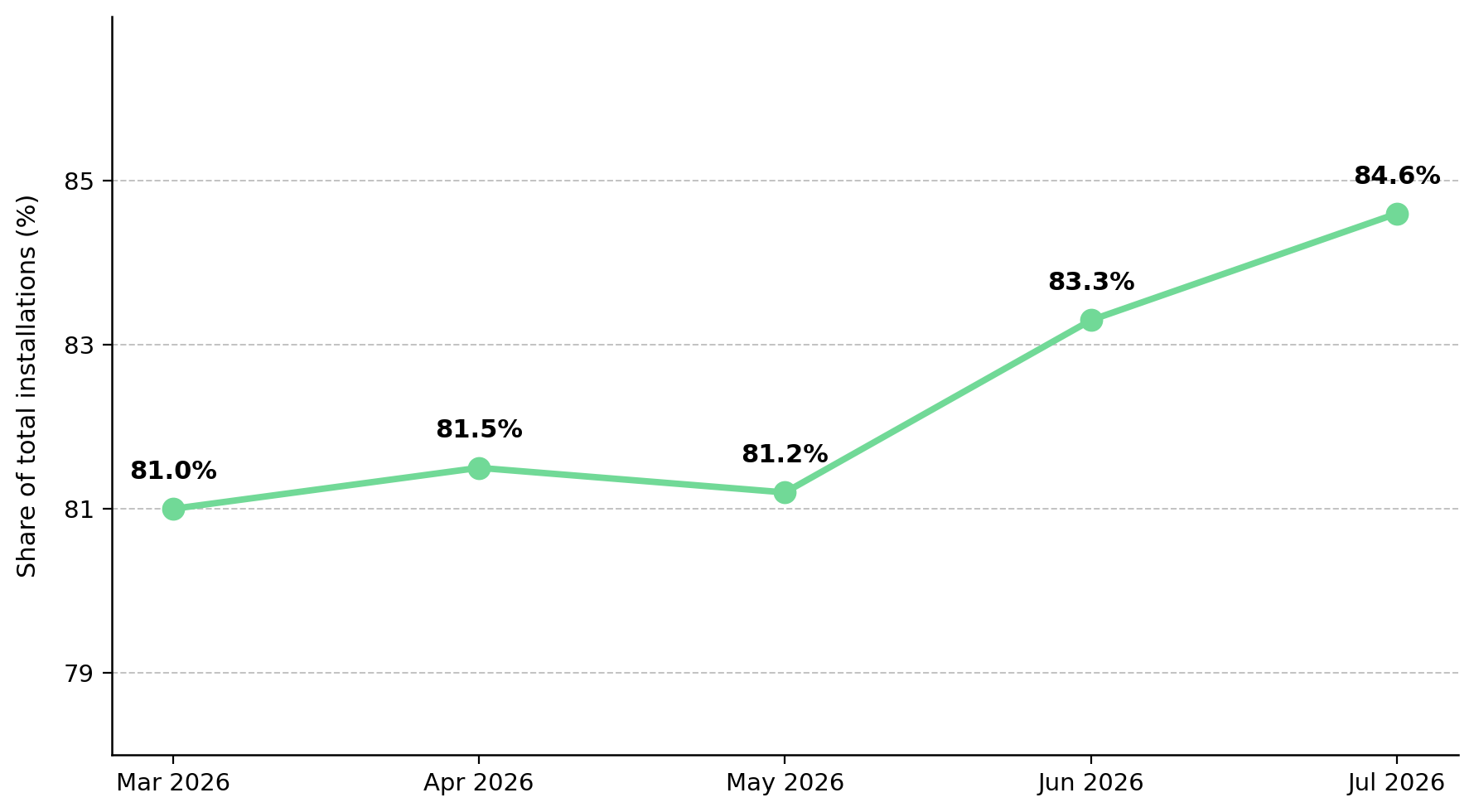
Lithium iron phosphate (LFP) batteries accounted for a record 84.6% of Chinese power battery installations in July 2026, compared with 14.9% for ternary batteries, shifting future scrap away from nickel and cobalt recovery. Platts assessed Chinese LFP black mass at 6,000 yuan, equivalent to US$888.40, per metric ton for each 1% of lithium content on August 3, down 300 yuan week over week even as lithium carbonate approached its August high. From August 18, 2031, Article 8 of the EU Batteries Regulation requires 16% recycled cobalt and 6% each for lithium and nickel, but only the lithium requirement applies to LFP batteries, limiting regulatory support for their scrap value.
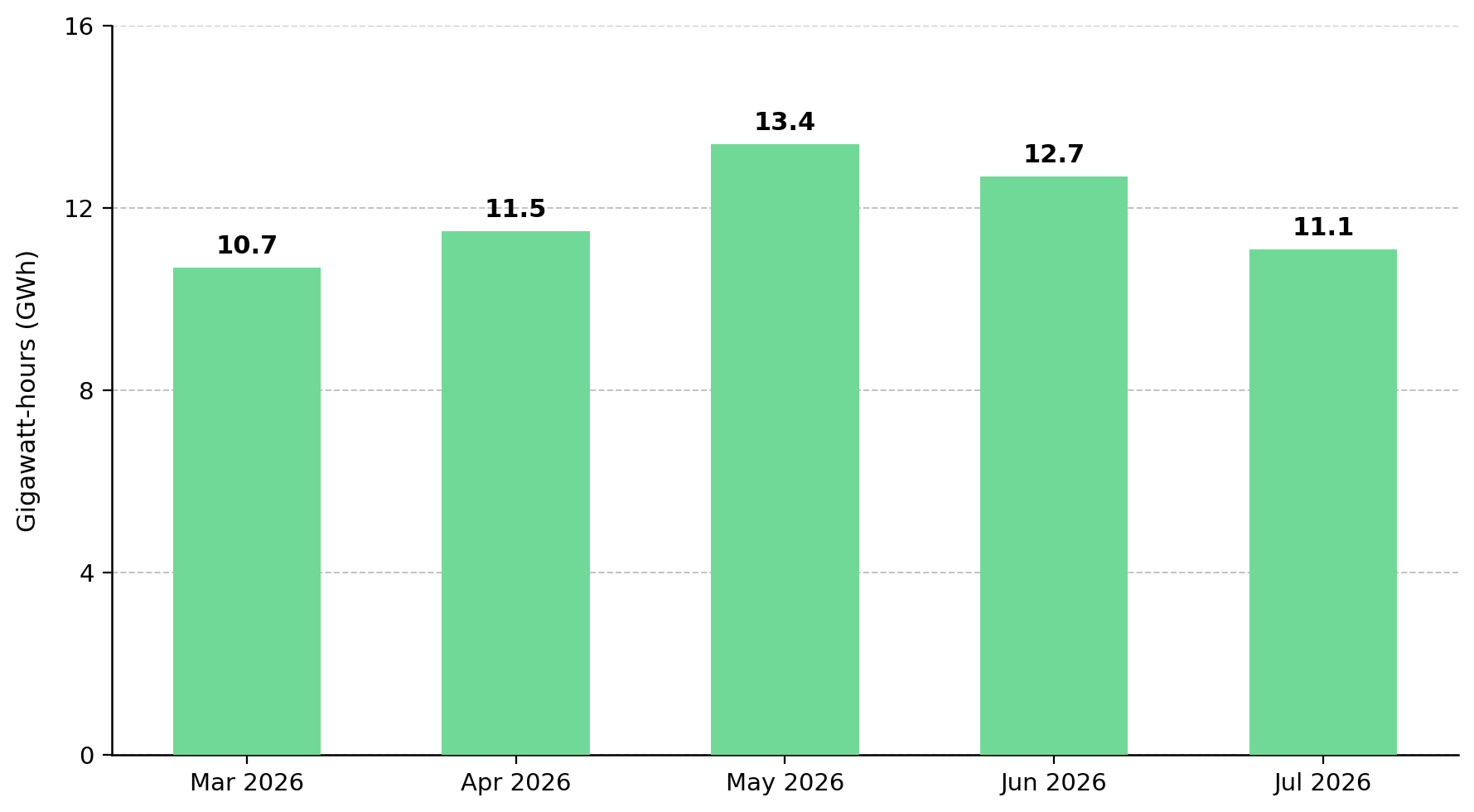
Lifezone Metals reported in its July 2026 interim results that the Kabanga Nickel Project had released approximately US$854 million of contracts to market, while multiple strategic equity offers and initial funding indications from selected lenders advanced financing discussions. Kabanga centers the company’s development portfolio on nickel sulfide, with copper and cobalt as additional products. Its separate US recycling pilot recovered more than 99% of platinum and palladium from spent automotive catalysts, providing feedstock that does not depend on retired EV batteries.
Ingo Hofmaier, Chief Financial Officer of Lifezone Metals, explains why managed supply refocuses nickel on demand:
“Because of Indonesia, everyone looked at supply, and there is now this shift. They manage supply, and I think they will manage it wisely in their own interest in the years to come, which means it ultimately becomes a demand story again. Demand is something that people really seem to ignore, which is actually the most interesting part of the nickel space.”
5% Annual Nickel Demand Growth Raises the Need for Primary Supply Beyond Recycling
MIIT’s 10% to 15% recycling target leaves primary mines to supply 85% to 90% of new-battery raw material demand by 2030, creating a defined market for projects that can complete permitting and construction before then. IEA estimates that battery recycling could meet 20% to 30% of lithium, nickel, and cobalt demand by 2050 if collection rates continue to improve, leaving 70% to 80% of demand outside battery recycling even at mid-century.
The EU Batteries Regulation requires recyclers to recover 90% of the cobalt, copper, lead, nickel, and 50% of the lithium contained in collected waste batteries by December 31, 2027, rising to 95% for cobalt, copper, lead, nickel, and 80% for lithium by December 31, 2031. These percentages measure recovery from collected batteries, so higher recovery rates cannot increase plant utilization unless scrap volumes also rise. Nickel demand from stainless steel remains outside the battery scrap cycle, meaning increased battery recycling cannot address all nickel demand.
Canada Nickel closed an upsized C$21 million private placement on August 28, 2026, with net proceeds targeting project permitting and engineering, debt repayment, and working capital. The financing supports the near-term advancement of its nickel sulfide portfolio, anchored by the Crawford project in Ontario, as the company targets demand from the EV and stainless steel markets.
Mark Selby, Chief Executive Officer of Canada Nickel, connects Indonesia’s supply limits with rising nickel demand:
“The reality is, with Indonesia basically limiting supply going forward and nickel demand growing at 5%-plus a year, which is another almost 200,000 tons of nickel per year, we’re in great shape. People want supply from somewhere other than Chinese-controlled entities.”
Announced Mine Supply Covers 60% of 2035 Lithium Needs, Intensifying Feedstock Competition
New conversion and refining plants depend on feedstock from mines or scrap, so capacity commissioned before those supplies arrive risks low utilization and delayed revenue. IEA projects announced mine supply will meet only 60% of lithium’s primary supply requirement in 2035, leaving downstream plants competing for limited feedstock.
Lithium Ionic’s September 2025 feasibility study for the Bandeira project in Brazil, using a base-case price of US$2,212 per metric ton of 6% spodumene concentrate, reported a US$1.45 billion post-tax net present value at an 8% discount rate (NPV8) and a 61% post-tax internal rate of return (IRR) against US$191 million in initial capital. Binding five-year offtake agreements signed in March 2026 cover approximately 170,000 metric tons annually, protecting contracted volumes with a US$1,000-per-metric-ton price floor while retaining exposure to higher lithium prices. An associated US$20 million prepayment facility further supports project financing, strengthening Bandeira’s path toward development.
Blake Hylands, Chief Executive Officer of Lithium Ionic, explains why refining capacity may outpace lithium supply:
“The capacity and refiners that are being built now are being built in the scale of five to 10 times the current consumption or capacity. You’d almost need four or five Bandeiras just to keep up with the capacity that one company is looking to expand right now.”
Recycling Uptake Reduces Mining Investment Requirements to US$600 Billion Through 2040
IEA estimated in 2024 that approximately US$600 billion of mining investment remains required through 2040 and that the amount would be about 30% higher without increased recycling, showing that secondary supply lowers capital needs without eliminating new mine development.
Recycling reduces new mine development needs for lithium and nickel by 25% by 2050, but limited feedstock keeps primary supply necessary through 2030. As EVs reach end of life after 2030, available battery-recycling feedstock is projected to exceed announced processing capacity by 60% in 2040. China is projected to retain excess capacity relative to domestic scrap, while announced capacity covers only 30% of feedstock in Europe and the US and 10% in India by 2040, creating a post-2030 need for additional processing investment in those regions.
In 2024 the market value of recycled battery metals grew nearly elevenfold between 2015 and 2023 and projected a value of US$200 billion by 2050. Recycled nickel, cobalt, and lithium generate 80% lower greenhouse gas emissions on average than primary materials produced through mining, but limited feedstock before 2030 means this emissions advantage does not remove the need for new mine development.
The Investment Thesis for Battery Metals
- China’s 2030 roadmap sets a target for recovered lithium, nickel, and cobalt to meet 10% to 15% of new-battery raw material demand, leaving primary mines to supply the remaining 85% to 90% this decade.
- Licensed Chinese battery recycling plants operate at only 20% to 30% average utilization because available scrap remains insufficient, making secured feedstock access and collection networks stronger indicators of near-term revenue than installed processing capacity.
- Recyclers with secured non-battery feedstock, such as spent automotive catalysts, do not need to wait for EV battery retirements to increase after 2030, providing clearer near-term plant utilization and revenue visibility than battery-dependent operators.
- LFP batteries contain no nickel or cobalt, so only the EU’s 6% recycled lithium requirement applies from 2031, reducing recoverable metal value per metric ton of scrap relative to ternary batteries.
- Lithium and nickel projects targeting production before EV battery retirements expand recycling feedstock after 2030 face limited competition from secondary supply, while those in the lowest-cost 50% of their commodity retain more margin during weaker prices.
- Approximately US$600 billion of mining investment remains required through 2040, and the amount would be about 30% higher without increased recycling, showing that secondary supply lowers capital needs without eliminating financing demand for new mines.
TL;DR
China targets recycling more than 1 million metric tons of spent EV batteries annually by 2030, but recovered lithium, nickel, and cobalt would meet only 10% to 15% of new-battery material demand. Scrap scarcity keeps licensed Chinese plants at just 20% to 30% utilization, making secured feedstock more important than installed capacity. LFP adoption further reduces the nickel and cobalt available in future battery scrap. Primary mines must therefore supply most battery-metal demand this decade, including nickel used in stainless steel. Recycling becomes more important after EV retirements expand beyond 2030, but it complements rather than replaces mining, leaving approximately US$600 billion of mining investment required through 2040.
FAQs (AI-Generated)
Analyst's Notes





Subscribe to Our Channel




.png)

.png)



.jpg)
Stay Informed


