




Europe’s Processing Push Makes Buyer Contracts Key to Battery Metals Financing


.png)
Product fit and binding sales contracts could turn European processing support into revenue and financing opportunities for battery metals suppliers.
- Europe’s October 9 project selection supports refining and battery-material facilities that could become additional customers for compatible nickel, lithium, and graphite products.
- The selection includes 11 processing projects, 19 recycling projects, and five combining both stages, totaling 35 of 46 projects and identifying potential markets for suitable mineral and recycled inputs.
- Suppliers must meet processors’ product specifications and delivery requirements to secure sales, making product testing and development schedules central to contract negotiations.
- Binding purchase agreements can support project debt financing by documenting future sales, while strategic designation and buyer introductions do not guarantee funding or purchase commitments.
- Competitive delivered costs and realistic production schedules help developers, explorers, and recyclers meet buyers’ price and delivery requirements, supporting negotiations for future sales.
EU Project Designation Could Expand Markets for Battery Metals Suppliers
On October 9, 2026, the European Commission (EC) selected 46 strategic raw materials projects under the Critical Raw Materials Act (CRMA), giving them access to streamlined permitting and assistance in securing financing. The list includes 11 processing projects, 19 recycling projects, and five combining processing with recycling, together accounting for approximately 76% of the selection. Developing the facilities could create additional customers for compatible mineral and recycled materials.
Designation benefits apply to the selected projects; overseas suppliers’ opportunities arise through independently negotiated sales agreements. Contracts establishing purchase volumes, prices, and delivery dates can provide revenue assumptions for development financing.
Processing Support Broadens Potential Markets for Battery Metals Supply
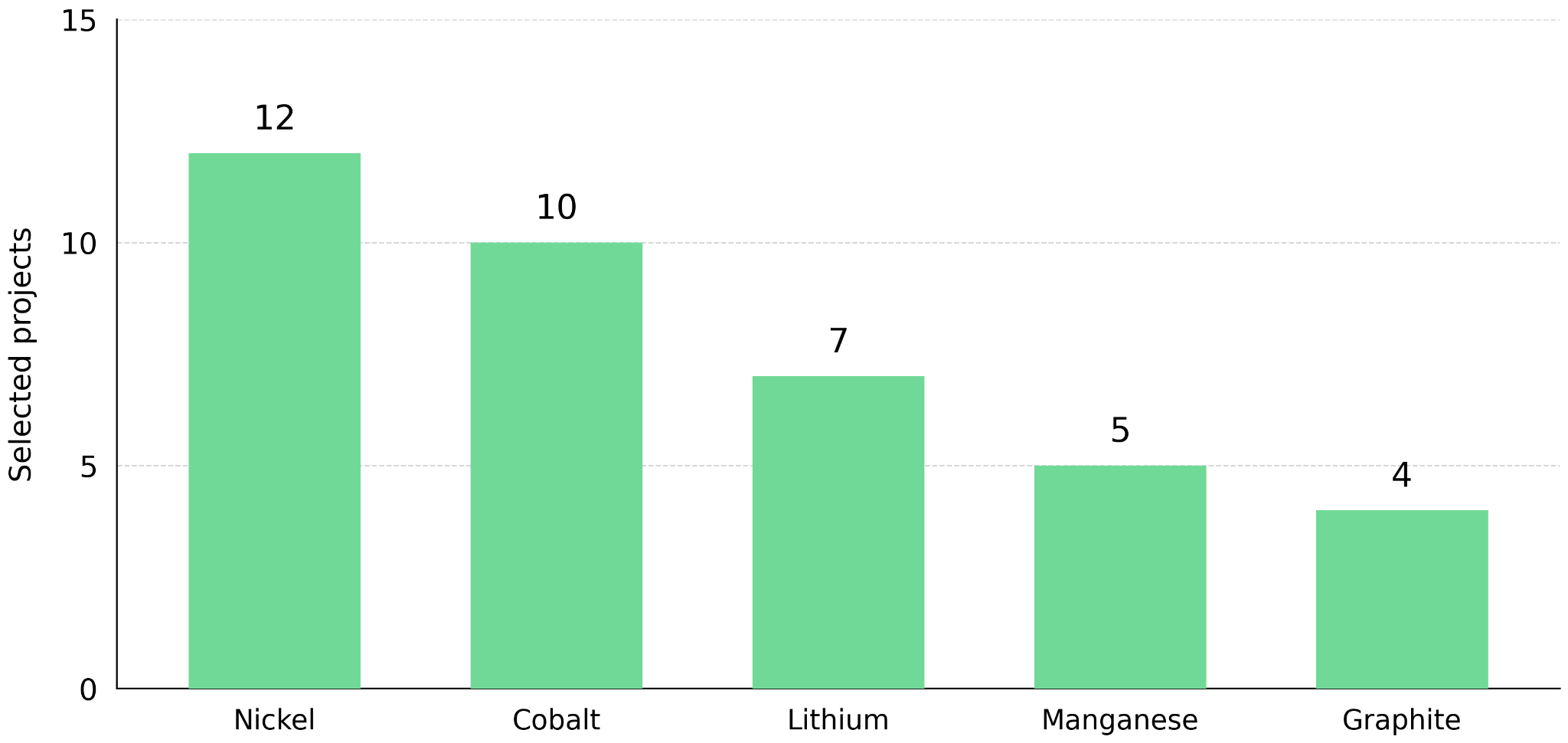
The EC’s October 9 selection includes 12 projects involving nickel, seven involving lithium, and four involving graphite, with some covering more than one commodity. These include extraction, processing, and recycling, so each project’s role must be assessed before treating it as a potential customer.
Imports remain part of the European Union (EU) raw materials supply strategy, leaving potential sales opportunities for overseas suppliers. Concentrates, partially processed materials, and recyclable waste require different buyers, making each facility’s accepted inputs and purchasing schedule central to securing sales.
Nickel Refining Support Expand Markets for Future Supply
The selected CoNiKo refining project, NEOMAT-PCAM, and Pure Battery Technologies precursor cathode active material (pCAM) plant identify potential customers for compatible nickel-based inputs. Agreements combining project investment with long-term purchases can connect future supply with development financing.
Canada Nickel targets a full financing package for Crawford in the first quarter of 2027 and a Final Investment Decision (FID) in the third quarter of 2027. Samsung SDI holds a US$100 million option to acquire a 10% project interest, with long-term nickel purchase rights upon exercise. Exercising the option would contribute project capital alongside future sales commitments.
Lithium Conversion Support Could Broaden Concentrate Sales Options
The selected Bitterfeld lithium refining and recycling hub could provide a sales outlet for compatible primary lithium materials used in battery-component production. Purchase volumes, pricing terms, and delivery commitments would determine how a future supply agreement contributes to revenue forecasts.
Lithium Ionic reports five-year binding sales agreements covering approximately 170,000 tonnes annually of spodumene concentrate containing 6% lithium oxide, with a US$1,000-per-tonne floor and no ceiling. The associated US$20 million prepayment facility is linked to FID and construction, supporting future working capital. Engineering at Bandeira is approximately 65% complete, advancing construction preparation.
The US$1,000-per-tonne floor protects the minimum selling price above the projected costs described below, helping lenders assess whether future sales could cover costs and debt repayments.
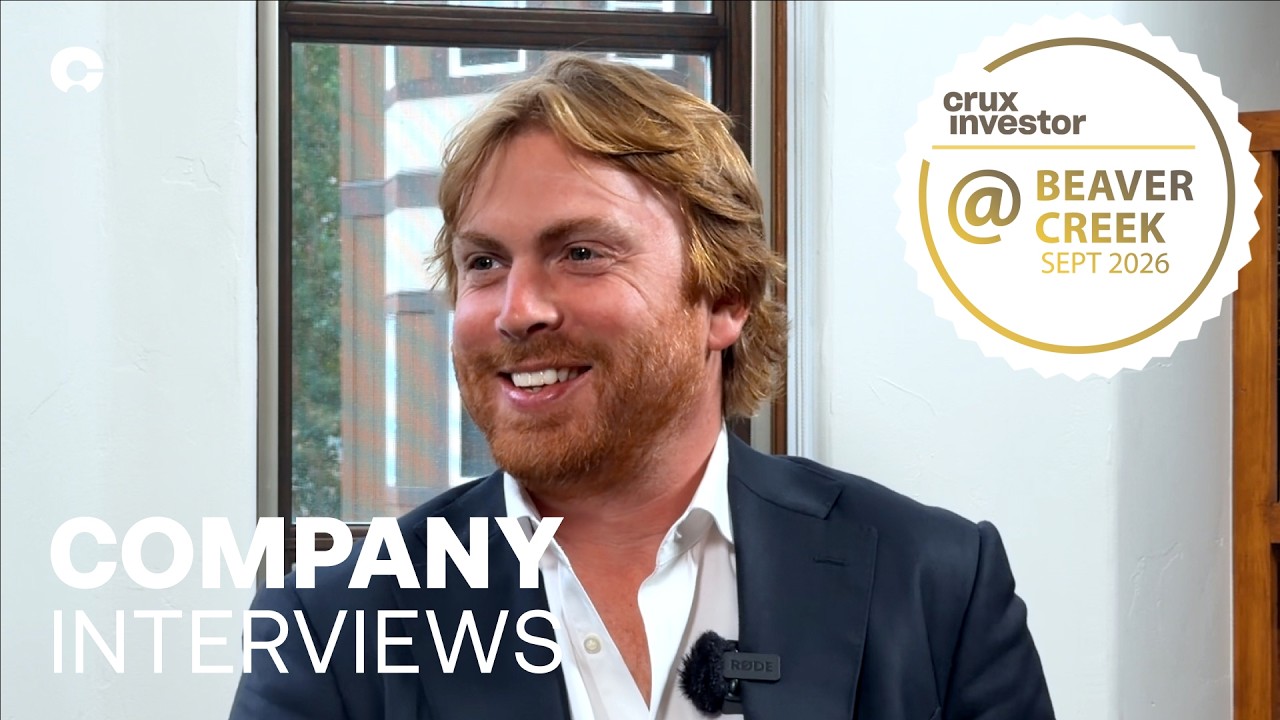
Blake Hylands, Chief Executive Officer, links the price floor to projected operating margins:
“So we're looking at about a $650 all-in sustaining cost. So we make money on every single ton selling to them.”
Graphite Processing Support Makes Product Fit Central to Sales
The October 9 annex identifies Alkeemia PureGraph as a battery-grade graphite processing project and classifies the other three graphite projects as recycling. Potential concentrate sales would depend on PureGraph’s accepted inputs and qualification requirements. Matching graphite with its intended industrial use determines which customers can purchase the product.
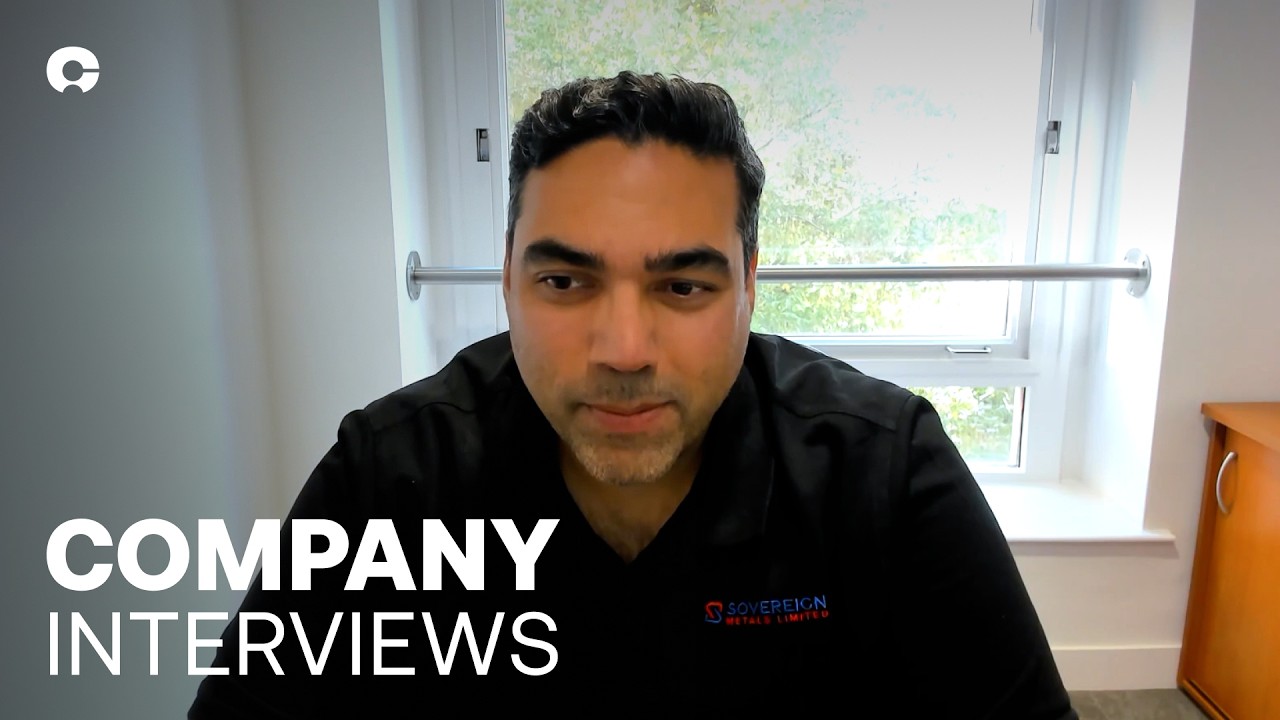
Sovereign Metals sets out a US-focused strategy for Kasiya, with planned graphite production of 275,000 tonnes annually at full capacity, alongside rutile. The company is targeting binding rutile and graphite sales agreements with Mitsui and Traxys, which could provide revenue commitments to support project financing.
Sapan Ghai, Chief Commercial Officer, explains how graphite supports processing in industrial furnaces:
“70% of our graphite is what's called refractory grade or industrial grade graphite that ends up lining the insides of your electric arc furnaces for smelting copper, steel, aluminum.”
Recycling Support Could Expand Markets for Platinum Group Metals
The October 9 selection includes the Refinis recycling project and the integrated ReSuPLIR project, both covering platinum group metals (PGMs). Their designation provides access to permitting and financing assistance. Commercial returns from recycling depend on recovering saleable metals at prices that cover purchasing, processing, and delivery costs.
Lifezone Metals’ October 7, 2026, release describes its US-based recycling partnership targeting recovery of platinum, palladium, and rhodium from spent automotive catalysts. The partnership offers a potential route to recovered-metal sales, with profitability dependent on feedstock purchasing and processing costs.
Processing Support Makes Sales Contracts Key to Battery Metals Finance
In its October 9, 2026, questions and answers on strategic projects, the EC estimates that the 46 selected projects require approximately €21.1 billion to become operational. Strategic designation provides permitting and financing assistance but does not automatically fund this investment. Potential sales depend on processing projects, securing financing and agreeing to purchase compatible materials.
The International Energy Agency (IEA) reports that critical mineral investment fell 9% in 2025 from 2024, while investment by battery-material companies fell 20%. It identifies pooling buyers’ demand and arranging purchase agreements as ways to support project financing. On October 9, the EC reported more than 30 buyer-supplier matches across 10 materials through its Raw Materials Mechanism (RMM); these introductions require contract negotiations before becoming purchase commitments.
Purchase volumes, pricing formulas, and buyers’ ability to pay shape the revenue assumptions available to lenders. Suppliers must also match delivery commitments with permitting and production schedules. Sales prices that cover production, transport, and processing costs determine whether additional customer access translates into operating margins.
The Investment Thesis for Battery Metals
- Developers can pursue contracts with supported European processors when their products meet customer requirements and agreed prices leave a margin after production, transport, and processing costs.
- Explorers can focus early spending on drilling and product testing to establish whether future output could meet processors’ requirements before committing construction capital.
- Producers can reduce reliance on individual buyers by qualifying output for additional European customers, while contract pricing determines margins after production and delivery costs.
- Recyclers with reliable waste supplies and verified recovery rates can pursue industrial sales when recovered-metal prices leave a margin after purchasing, processing, and delivery costs.
- Suppliers that combine purchase commitments with permits and matched delivery schedules can give lenders evidence of future revenue to assess debt repayment capacity.
Europe’s processing push could widen the customer base for battery metals suppliers, extending the commercial opportunity beyond the projects receiving strategic designation. Focus on suppliers whose products meet buyers’ requirements, whose delivered costs leave a margin, and whose purchase commitments support development financing. These characteristics connect supply-chain diversification to potential revenue and cash flow, making commercial execution a practical basis for assessing mining and recycling exposure.
TL;DR
Europe’s selection of 46 strategic raw materials projects includes 35 focused on processing, recycling, or both. These facilities could become additional customers for compatible nickel, lithium, graphite, and recovered metals, including supplies from outside the European Union (EU). Sales opportunities depend on facilities becoming operational and suppliers meeting product specifications, delivery schedules, and pricing requirements. Binding purchase agreements can document future revenue for lenders, while strategic designation provides permitting and financing assistance without guaranteeing funding. Competitive delivered costs and enforceable purchase commitments determine whether additional customer access supports operating margins and project financing.
FAQs (AI-Generated)
Analyst's Notes





Subscribe to Our Channel






Stay Informed


