Cassiar Gold's 2.5Moz Gold Resource, Live Permit and Mill Refurbishment Underway to Deliver PEA by August 2026


Cassiar Gold's Steve Letwin targets near-term cash flow from a 2.5Moz BC project with $100M+ in existing infrastructure, a live permit, and strategic partnership ambitions.
- Cassiar Gold holds approximately 2.5 million ounces of gold resource (cut-off grade of 0.3 g/t) supported by over $100 million in pre-existing infrastructure including a mill, camp, core shack, tailings pond, and 170 kilometres of road acquired for roughly $1 million worth of Cassiar shares.
- Steve Letwin, former president and CEO of IAMGOLD who oversaw a share price rise from $2–3 to $33 during his tenure, is applying his Côté Gold development playbook to Cassiar Gold's northeastern BC project as chairman and largest independent shareholder.
- Mill refurbishment and metallurgical work are currently underway, with Cassiar South's historically high-grade veins (15–20 g/t) targeted for near-term cash flow generation through a 300-tonne-per-day mill optimised for high-grade feed.
- A Preliminary Economic Assessment (PEA) covering Cassiar South, tailings reprocessing, and the bulk tonnage Cassiar North open-pit scenario, is targeted for completion by August 2026, providing a formal economic framework across three independently valued project components.
- Letwin is actively pursuing a strategic partnership modelled on the $450 million Sumitomo-IAMGOLD transaction, with a live operating permit, and direct highway access cited as the key differentiating factors for prospective partners.
Steve Letwin is channelling that experience into a different kind of gold project that is smaller in scale, but one he argues is considerably closer to production-ready than most of its peers in the junior mining sector. As chairman of Cassiar Gold (TSXV:GLDC) and its largest independent shareholder with over 7 million shares, he laid out why Cassiar Gold's northeastern British Columbia project represents a structurally similar opportunity to the one he helped build at IAMGOLD's Côté Gold Mine and why the timing to act is now.
Deal to Fast-Track Cassiar Gold
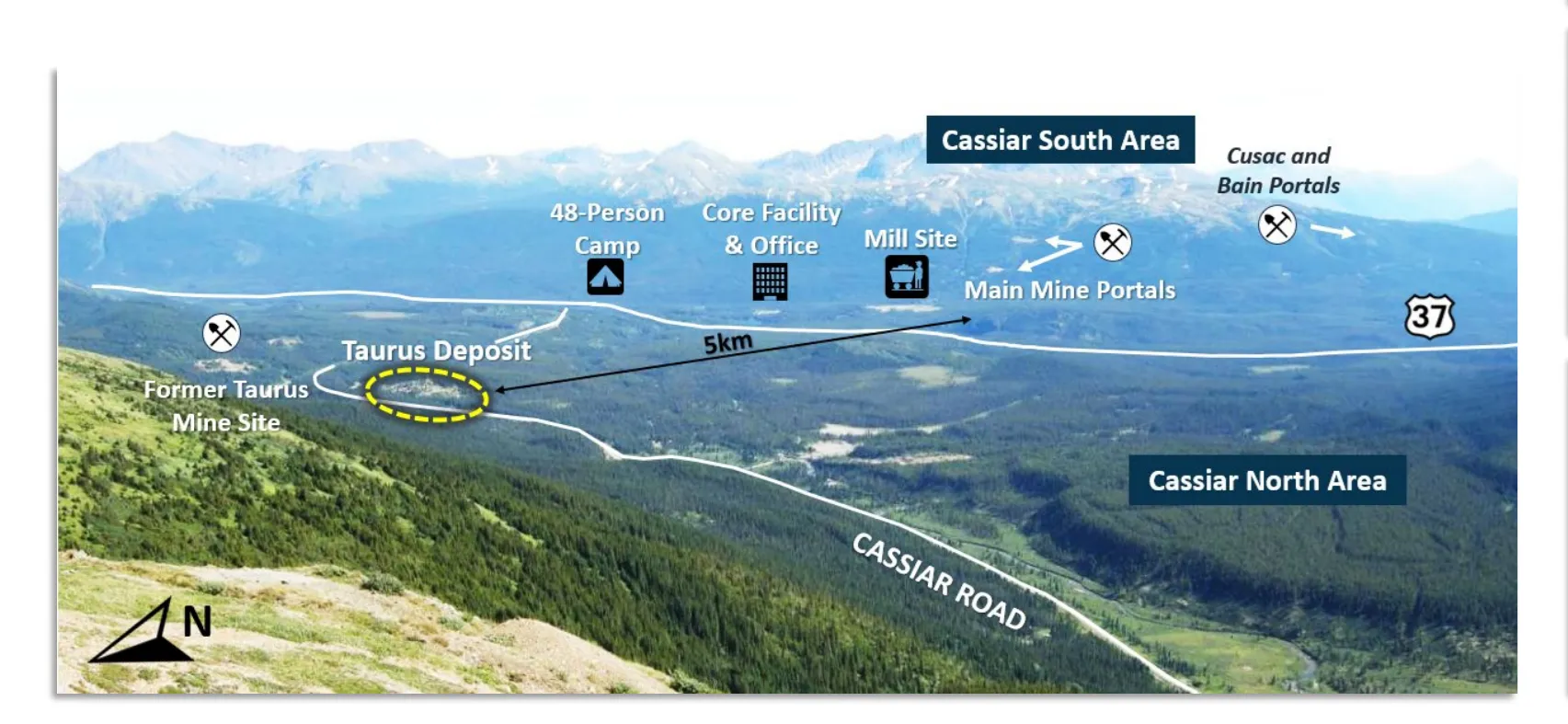
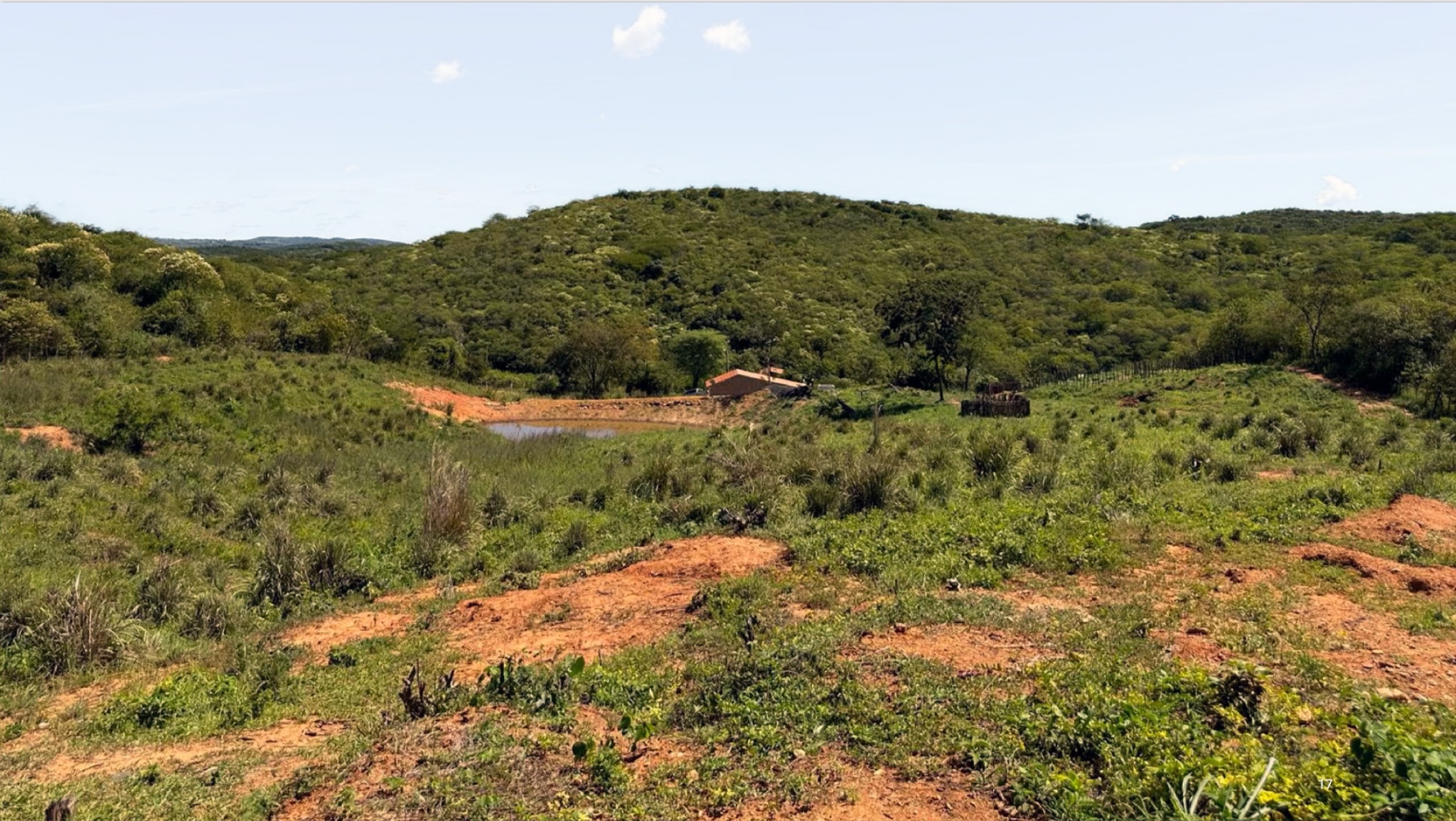
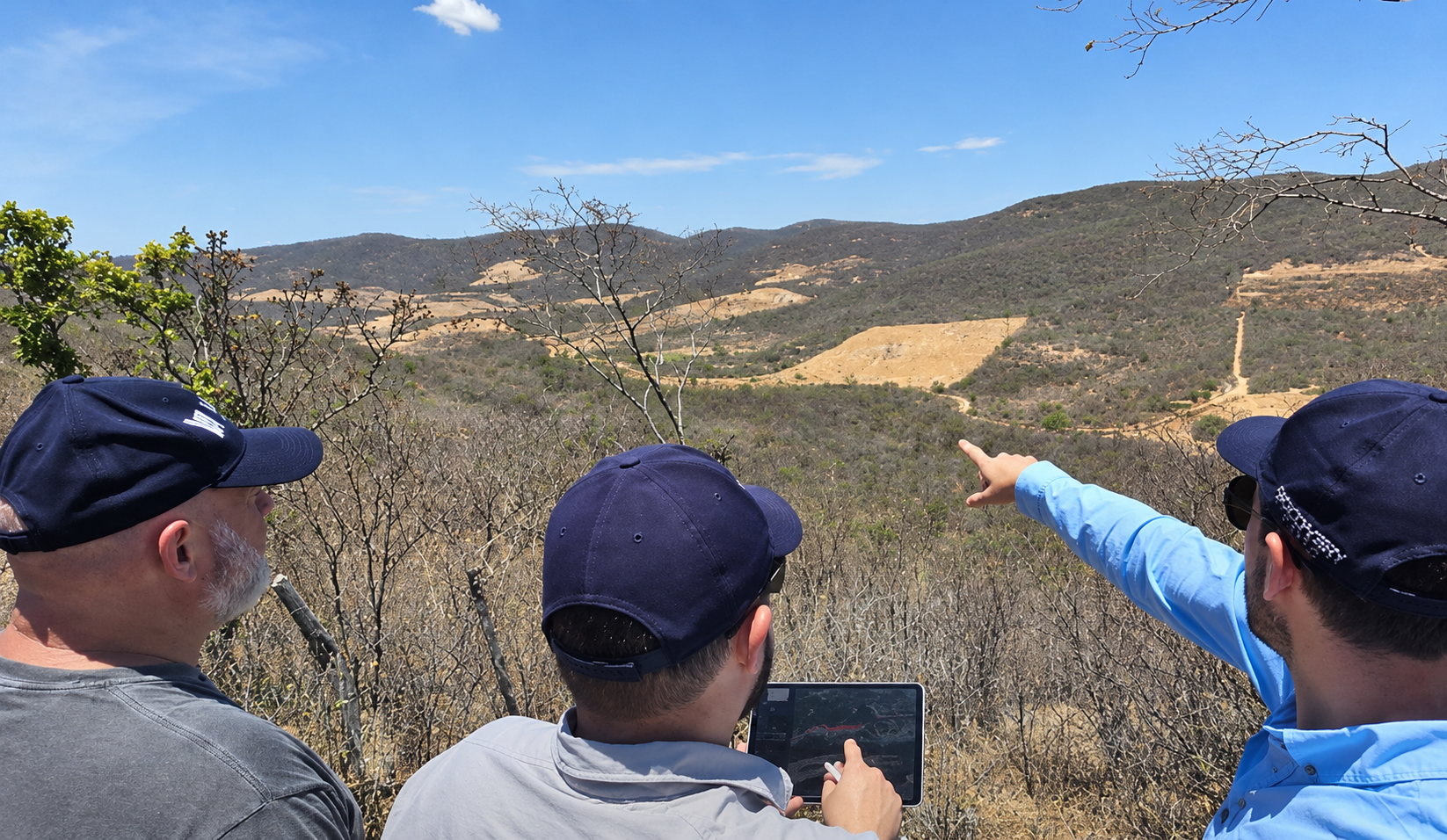
The central argument underpinning Cassiar Gold's investment case is infrastructure. The project site in northeastern BC comes with a mill, a camp, a core shack, an active tailings pond, and approximately 170 kilometres of developed road which are all pre-existing assets that the company did not have to build. Letwin estimates the replacement value of that infrastructure at over $100 million, and the company acquired access to it for approximately $1 million worth of Cassiar shares.
"You come off the highway and you're right into the deposit," Letwin noted. "The mill is sitting there, the core shack is sitting there, the camp is sitting there, 170 kilometres of road is sitting there, all developed, all paid for prior to us acquiring it."
In a sector where exploration-stage companies routinely spend years and hundreds of millions of dollars on access roads, power lines, and permitting processes before a single ounce is processed, Cassiar Gold's starting position is materially different. The company has been able to allocate capital toward drilling and resource growth rather than baseline infrastructure development, which has allowed it to build the current resource to approximately 2.5 million ounces (with a cut-off grade of 0.3 g/t).
The Resource and Geology
The current mineral resource sits at roughly 2.5 million ounces total: approximately 1.9 million ounces inferred at 0.95 grams per tonne (g/t) and approximately 400,000 ounces indicated at 1.4 g/t. The deposit is shallow, which Letwin characterises as an important factor in its mineability and economic profile.
The project is divided into two principal zones. Cassiar North represents the bulk tonnage, lower-grade open-pit opportunity.. Cassiar South is a structurally different animal: a high-grade narrow-vein system where historical production ran at grades between 15-20 g/t, with approximately 400,000 to 500,000 ounces already produced from the deposit historically.
It is Cassiar South that anchors the near-term strategy. The mill, which last operated in 2009, is being optimised for high-grade feed from Cassiar South. At current gold prices, circa $5,300 per ounce, even a modest 300-tonne-per-day mill throughput generates substantial revenue relative to refurbishment and operating costs.
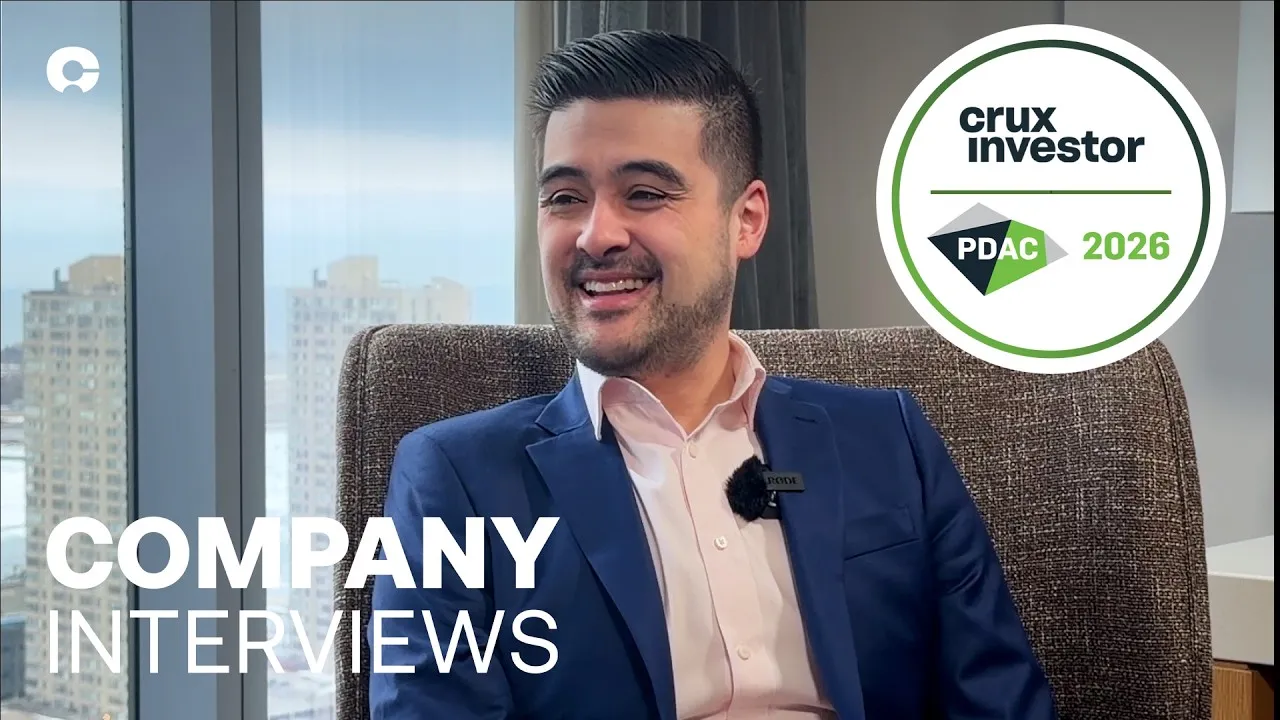
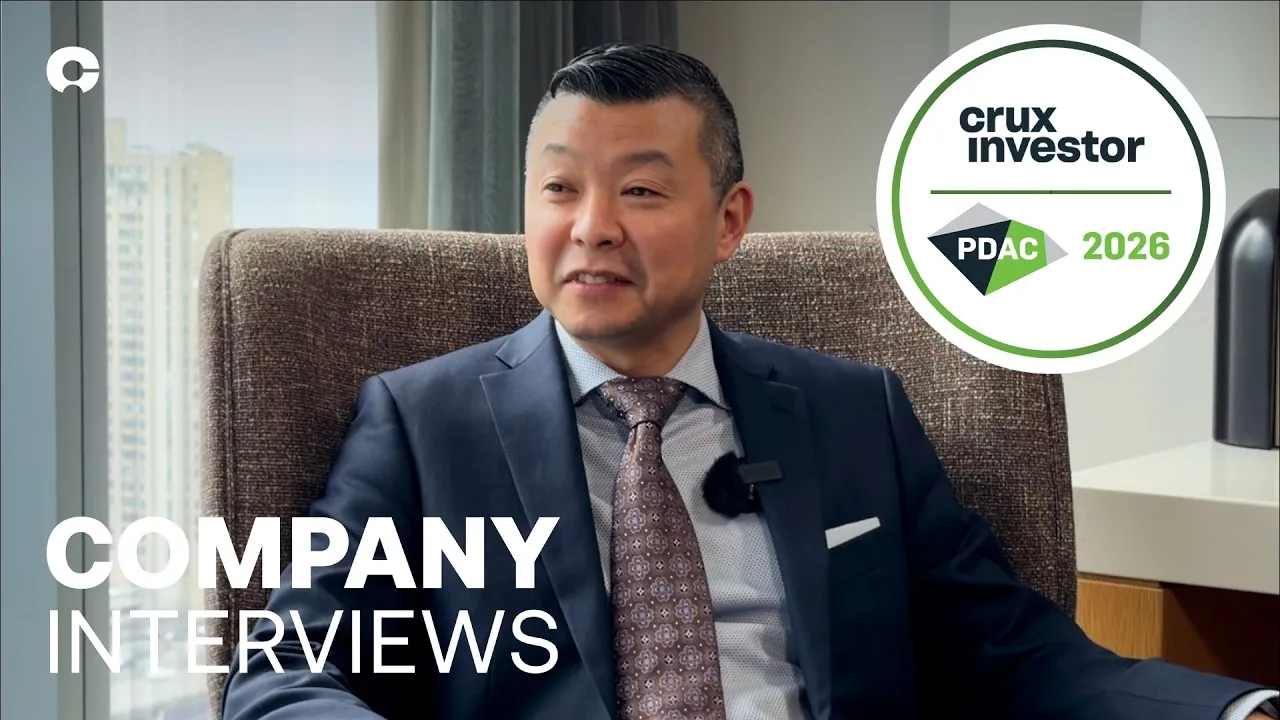
Interview with Steve Letwin, Chairman of Cassiar Gold
Near-Term Catalysts: Mill Refurbishment and the PEA
The company is currently advancing two parallel workstreams:
First, a firm has been engaged to refurbish the existing mill, with metallurgical work also underway. Letwin indicated that this technical work is expected to be completed within the current quarter.
Second, a Preliminary Economic Assessment (PEA) is being developed, targeting completion by August 2026. The PEA will cover three components: the Cassiar South high-grade vein mining scenario, the tailings reprocessing opportunity, and the potential to develop Cassiar North as a bulk tonnage open-pit operation. The tailings opportunity has not yet been fully characterised and remains a prospective upside, while Cassiar South and the mill refurbishment represent the more immediate commercial focus.
Cassair Gold's land package spans 59,000 hectares, all permitted, with road access throughout. Mill expansion capacity also exists if warranted by resource growth or production scale-up.
The Strategic Partnership Ambition
Letwin is not seeking to grow the company incrementally through the equity markets. While he acknowledged that Cassiar could raise an additional $10 million, Letwin's stated preference is to identify a strategic partner capable of providing the balance sheet and operational capacity to develop the asset at pace.
The Sumitomo-IAMGOLD precedent is explicitly the model. Letwin made 33 trips to Tokyo before securing the $450 million USD agreement, and he is applying the same logic here: that a well-capitalised strategic partner with a longer-term production mandate will see in Cassiar the same abbreviated path to net present value that Sumitomo saw in Côté. Letwin states:
"Whoever comes in on Cassiar is going to make a lot of money... a lot"
The pitch to prospective partners centres on several converging factors: a live operating permit, strong and settled First Nations relationships, BC's status as a mining-friendly jurisdiction, direct highway access, and a resource that has been built up over years of systematic drilling.
First Nations Relationships and the IBA
One of the more distinctive aspects of the Cassiar Gold story is the company’s approach to First Nations engagement. While Cassiar does not yet have an Impact Benefit Agreement (IBA) in place, CEO Steve Letwin brings direct experience negotiating such agreements from his time leading the development of IAMGOLD’s Côté Gold project in Ontario. That project ultimately secured an IBA that included approximately a 0.8% net smelter return (NSR) to the relevant First Nations community.
Letwin has previously described the process of reaching that agreement in practical terms. Rather than relying solely on a formal legal framework, he prioritised direct dialogue with community leadership - an approach he believes helped establish trust and ultimately produced an agreement that materially improved economic outcomes for the participating communities.
That experience informs how Letwin thinks about Cassiar Gold’s path forward. The parallel to Côté Gold’s First Nations relationships is intentional. In his view, mine development rarely advances without meaningful alignment with local communities, regardless of resource quality or infrastructure advantages. When that alignment exists, however, the pathway from resource discovery to project development can become materially less risky
The Self-Funding Growth Model
The operational logic Letwin is describing follows a sequenced self-funding model: generate near-term cash flow from Cassiar South and potentially the tailings, use that cash flow to fund further vein extension drilling at Cassiar South, and eventually build the pro forma financial case for the larger Cassiar North open-pit development approximately one kilometre away. Each stage funds the next, reducing dependence on equity dilution and demonstrating operational capability to prospective strategic partners.
The Investment Thesis for Cassiar Gold
- Cassiar Gold offers a rare combination in the junior gold sector: an existing resource of 2.5 million ounces (cut-off grade 0.3 g/t) combined with pre-built, paid-for infrastructure (mill, camp, roads, and tailings facility) estimated at over $100 million in replacement value.
- The project carries a live operating permit, removing a significant time and cost variable that typically delays junior development projects by years.
- High-grade Cassiar South, with historical production grades of 15–20 g/t, provides a near-term cash flow catalyst once the mill refurbishment is complete, which Letwin indicates is underway now with completion targeted within the current quarter.
- At a gold price of approximately $5,300 USD per ounce, the economics of running high-grade material through a 300-tonne-per-day mill are compelling relative to refurbishment and operating costs. Letwin characterised the mill refurbishment cost as "a rounding error" relative to projected revenue at current prices.
- A Preliminary Assessment targeting August 2026 will provide a formal economic framework for Cassiar South, tailings reprocessing, and Cassiar North, offering investors three independently valued components within one project.
- The chairman is the company's largest independent shareholder with over 7 million shares and has never sold a share, providing meaningful alignment between management and investors.
- The strategic partnership process currently underway could deliver a step-change re-rating event if successfully concluded. Investors with a medium-term horizon should monitor this process closely.
Macro Thematic Analysis
Gold's sustained move above $5,000 USD per ounce with spot prices referenced as high as $5,300 during recent interviews has fundamentally altered the economics of marginal and near-marginal gold assets globally. Projects that were uneconomic or only marginally viable at $1,800–2,000 gold are now capable of generating substantial free cash flow, and the mining industry is in the process of repricing that reality.
Within this environment, a specific category of asset is attracting disproportionate interest: projects in stable, mining-friendly jurisdictions with pre-existing infrastructure and near-term production capability. Gold producers and major mining companies generating record cash flows are increasingly motivated to acquire or partner in projects that shorten the path to net present value. Greenfield development in remote or politically complex jurisdictions, with 7–10 year timelines to first production, is less competitive in this environment than it was when gold sat below $2,000. The premium has shifted decisively toward permitted, accessible, infrastructure-complete assets in jurisdictions like Canada, Australia, and select parts of West Africa.
British Columbia, despite occasional regulatory friction at the provincial level, remains a globally recognised mining jurisdiction with strong institutional support, developed legal frameworks, and increasingly settled First Nations engagement models. Cassiar Gold's northeastern BC location, with direct highway access, a live permit, and established First Nations agreements, positions it squarely within the category of assets that a strategic acquirer or major partner would find most immediately actionable.
TL;DR
Cassiar Gold is a northeastern BC gold project with 2.5 million ounces of resource at a cut-off gradeof 0.3g/t, a live operating permit, and over $100 million in pre-existing infrastructure including a mill currently being refurbished. Chairman Steve Letwin, who led IAMGOLD through the Côté Gold development and secured a $450 million USD partnership with Sumitomo Corporation, is pursuing an equivalent strategic deal at Cassiar. The near-term plan is to generate cash flow from high-grade Cassiar South veins (historically 15–20 g/t) through the refurbished mill, fund further drilling from that cash flow, and use an August 2025 PEA to underpin the broader development case including bulk tonnage at Cassiar North. At current gold prices near $5,300 USD per ounce, the economics of even a modest 300-tonne-per-day operation are materially favourable. The project is fully permitted, and sits directly off a highway in one of Canada's established mining jurisdictions. The principal risk is execution on the mill timeline, metallurgical programme, PEA outcomes, and strategic deal terms.
Frequently Asked Questions (FAQs) AI-Generated
The project holds a total mineral resource of approximately 2.5 million ounces at a cut-off grade of 0.3 g/t: roughly 1.9 million ounces inferred at 0.95 g/t and approximately 500,000 ounces indicated at 1.4 g/t. The indicated category carries a higher degree of geological confidence than inferred. The company has been building this resource through systematic drilling funded in part by its infrastructure cost advantage. The August 2025 PEA will provide a formal economic assessment against this resource base.
The mill was previously operated by earlier owners of the site and last ran in 2009. It forms part of the pre-existing infrastructure package the company acquired for approximately $1 million worth of Cassiar shares. A specialist firm has been engaged to refurbish the mill, with that work currently underway and expected to complete within the current quarter. Metallurgical work is also in progress. The mill is being optimised for high-grade feed from Cassiar South, with capacity of approximately 300 tonnes per day and the ability to expand.
Many junior mining projects in Canada face multi-year permitting processes that delay development and consume capital. Cassiar Gold's operating permit has remained live since the site's previous operational period, meaning the company does not need to navigate a full re-permitting process before commencing production. This is a material time and cost advantage that reduces the path from current status to first ounce produced.
Letwin's stated objective is to replicate the Sumitomo-IAMGOLD transaction structure, in which a well-capitalised partner provided $450 million USD to accelerate Côté Gold's development. At Cassiar, a comparable deal would provide the balance sheet capacity to develop the project at a pace that would be difficult to achieve through equity markets alone, without the sustained dilution typical of junior mining companies in development mode. A successfully concluded partnership with a credible counterparty would likely represent a significant re-rating catalyst for the share price. The terms of any such deal particularly the valuation at which a partner acquires an interest which will be the critical variable for assessing its impact on existing shareholders.
Analyst's Notes





Subscribe to Our Channel





.jpg)


Stay Informed