



Central Asia Metals Self-Funds 70,000m Copper Drill Programme at Chibougamau


Central Asia Metals funds its Chibougamau copper-gold project from $0.91/lb Kounrad cash, with 70,000 meters of drilling and an economic study in mid-2027.
- Kounrad produced copper at a C1 cash cost of $0.91 per pound in the first half of 2026 and generates around 75% of group cash.
- Dump recovery at Kounrad has beaten forecast leach curves, which supports the company’s case for extending the 2034 license.
- The Chibougamau acquisition adds 6.4 million tonnes Measured and Indicated at 2.3% copper and an existing 900,000-tonne-per-year mill site in Québec.
- Up to 70,000 meters of drilling run through 2027, with an expanded preliminary economic assessment in mid-2027 and an updated resource in the third quarter of 2027.
- Cash of $97.2 million and a 30% to 50% dividend policy let the company fund growth without a planned equity raise.
Central Asia Metals (AIM: CAML, TSX: CAML) completed its acquisition of Cygnus Metals and the Chibougamau copper-gold project in Québec on October 27, 2026, the same day its shares were listed on the Toronto Stock Exchange. The deal adds a high-grade, underground development asset in a tier-one jurisdiction to a group whose Kounrad copper operation in Kazakhstan produced cathode at a C1 cash cost of $0.91 per pound (lb) in the first half of 2026.
Copper peaked at $14,096 per tonne in May 2026, and the company’s average received price in the first half rose 39% year on year. Central Asia Metals generated $46.8 million of adjusted free cash flow in that period and held $97.2 million of cash at June 30, 2026.
Management now describes the company as a self-funding growth vehicle. As recently as 2 years ago, it was a dividend-paying producer with 2 operating mines. It is now targeting a feasibility-ready copper project in Canada, exploration in Kazakhstan and Québec, and a dividend of 30% to 50% of free cash flow, all from internal cash.
Kounrad Generates Group Cash
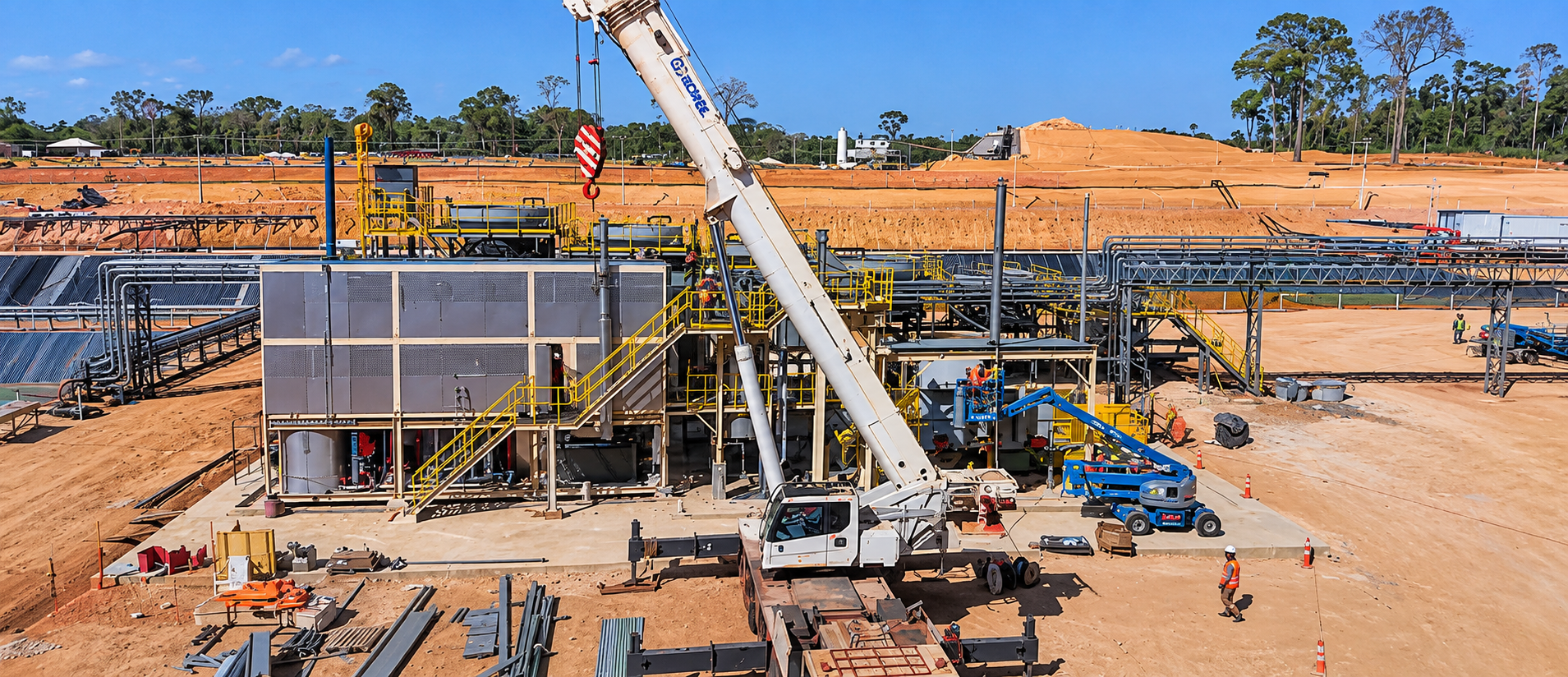
Kounrad is guided to produce 12,000 to 13,000 tonnes (t) of copper cathode in 2026, and it had produced 9,758 t in the first 9 months. The operation leaches historical waste dumps. Solution is percolated through the dumps, collected at the base, and processed through a solvent extraction and electrowinning plant. There are no haul trucks, crushers, or mill on site, and sustaining capital runs at $2 million to $3 million a year for dripper pipe, pumps, boilers, and anodes.
Management estimated that Kounrad delivers around 75% of group cash. The first half is typically heavier on costs than the second, and management estimated that doubling the first-half figure gives roughly $100 million a year of group free cash flow. If commodity prices hold near current levels, management expects that contribution to continue for at least another 2 to 3 years before Kounrad production starts to decline.
C1 cash cost rose to $0.91/lb from $0.79/lb a year earlier, mainly because the tenge strengthened against the US dollar and payroll costs rose with inflation. Kounrad still posted an 84% EBITDA margin, with copper at about $5.60/lb at the time of the interview. As output falls, unit costs will rise, but the company can shut 1 of its 2 electrowinning sections once production drops below their combined capacity. A $5 million, 4.7-megawatt solar plant now covers its cost, and a second is under consideration.
Dump Outperformance Builds the Case Beyond 2034
Kounrad’s license runs to 2034. Leach curves built from bench-scale and pilot test work set the original production forecast, and actual recovery across the eastern and western dumps has beaten those curves. The company published updated Mineral Resource and maiden Ore Reserve statements in August 2026. It estimates 75,400 t of recoverable copper at the end of 2025, enough to support operations until at least 2034.
Chief Executive Officer of Central Asia Metals, Gavin Ferrar, explained why the license extension has moved up the agenda:
“We know they’ve outperformed so far and we believe they’ll continue to, which means more copper post-2034 than we ever originally envisaged.”
A few years ago, management expected only around 1,000 t a year of copper after 2034, a volume too small to interest a group targeting 25,000 t or more. Ferrar now expects multiples of that figure. A dedicated team is defining the documentation and studies the extension requires, and the company is targeting an answer on the process by the end of 2026. Ferrar described the extension as a bureaucratic process and pointed to about 14 years of uninterrupted operation, 300 employees, and the approvals the company secured for the Cygnus transaction after a long review.
Interview with Gavin Ferrar, CEO of Central Asia Metals PLC
Chibougamau Brings High-Grade Copper & Gold to the Portfolio
The Chibougamau acquisition includes the Copper Rand mill, a 900,000-t-per-year processing plant with 2 tailings dams that last operated in 2008. Apart from steelwork, concrete, and some tanks, the plant is in poor condition and needs extensive refurbishment. Ferrar sees that work as a chance to install modern wiring, automation, and control systems. The site has power lines and sealed roads, and the town of Chibougamau is about a 10-minute commute away, so no remote camp is required.
The project’s current mineral resource estimate (MRE), published by Cygnus in 2025, comprises 6.4 million tonnes (Mt) Measured and Indicated at 2.3% copper, 0.8 grams per tonne (g/t) gold, and 7.6 g/t silver, plus 8.5 Mt Inferred at 2.1% copper, 1.7 g/t gold, and 7.9 g/t silver. Corner Bay is the largest deposit. Cedar Bay, Devlin, and Golden Eye complete the 4 deposits that management plans to feed a central plant in a hub-and-spoke model. The gold-rich Joe Mann deposit, further south, will be assessed separately.
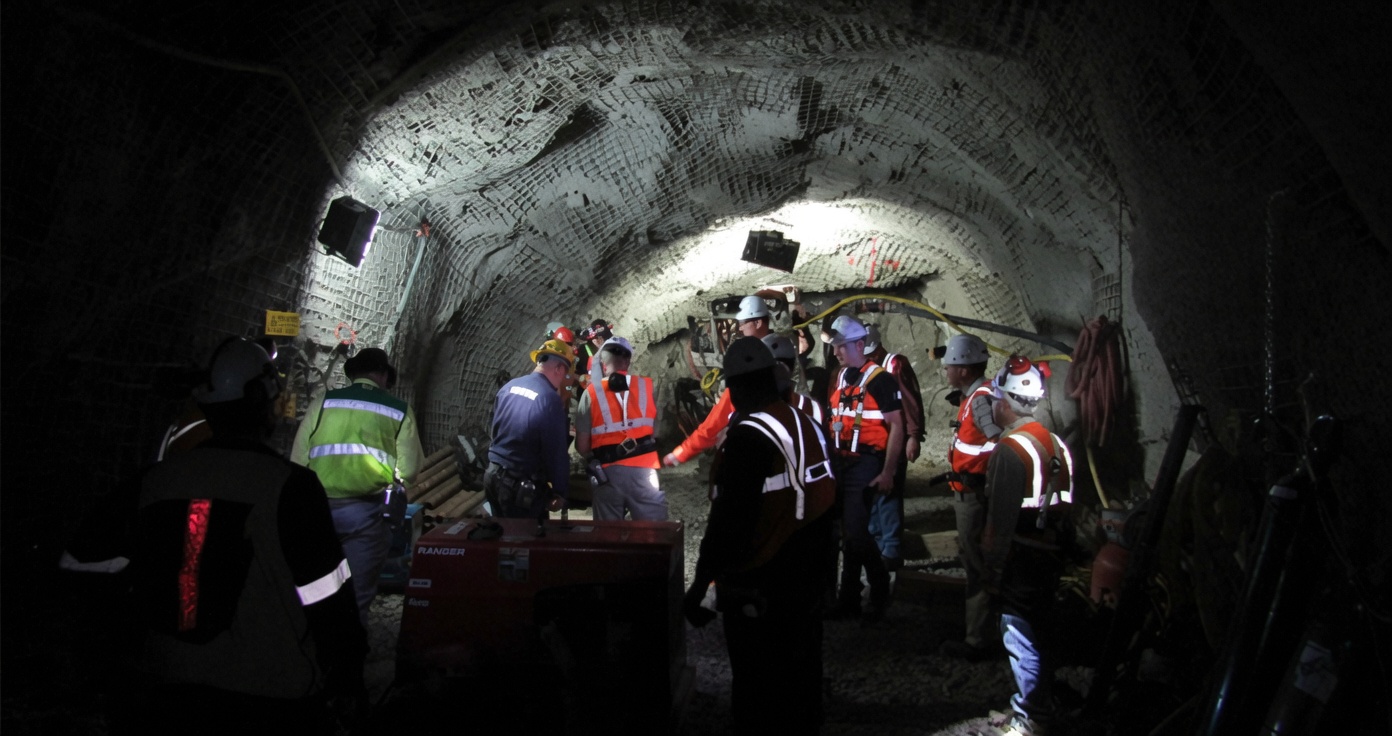
The ore bodies are steeply dipping and extend to depths of around 1,200 meters (m). Ferrar said they suit the same underground mining methods the company uses at its Sasa zinc-lead mine in North Macedonia. Corner Bay and Golden Eye already have exploration declines, so the first steps are dewatering and accessing the ore bodies. Because Central Asia Metals bought a defined mineral resource, the company is not taking discovery risk on the development case.
A 70,000-Meter Programme & Studies Through 2027
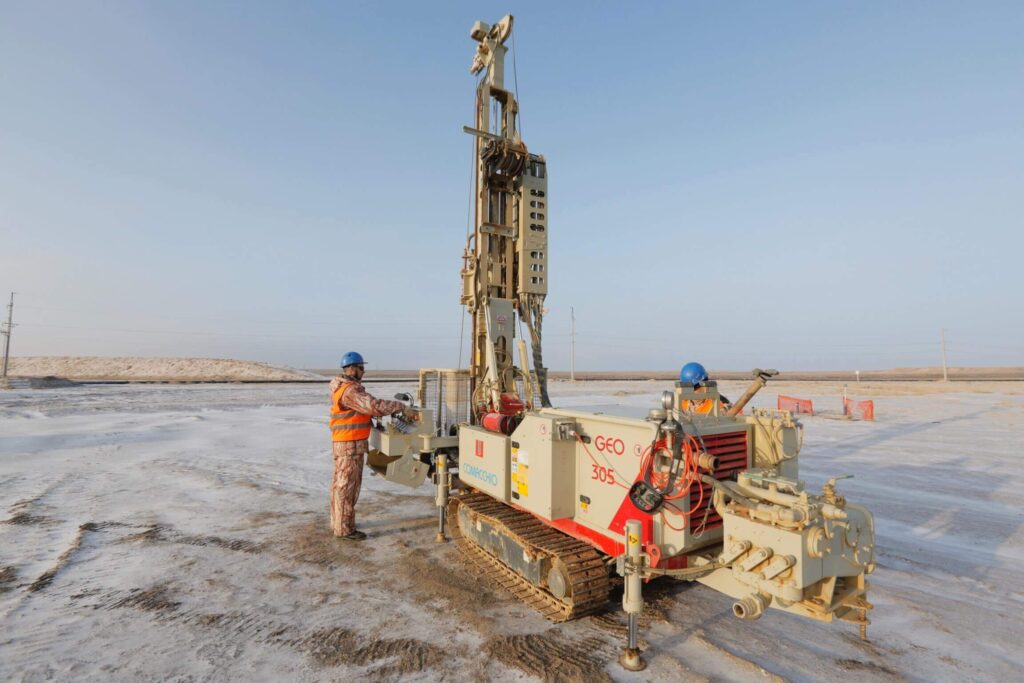
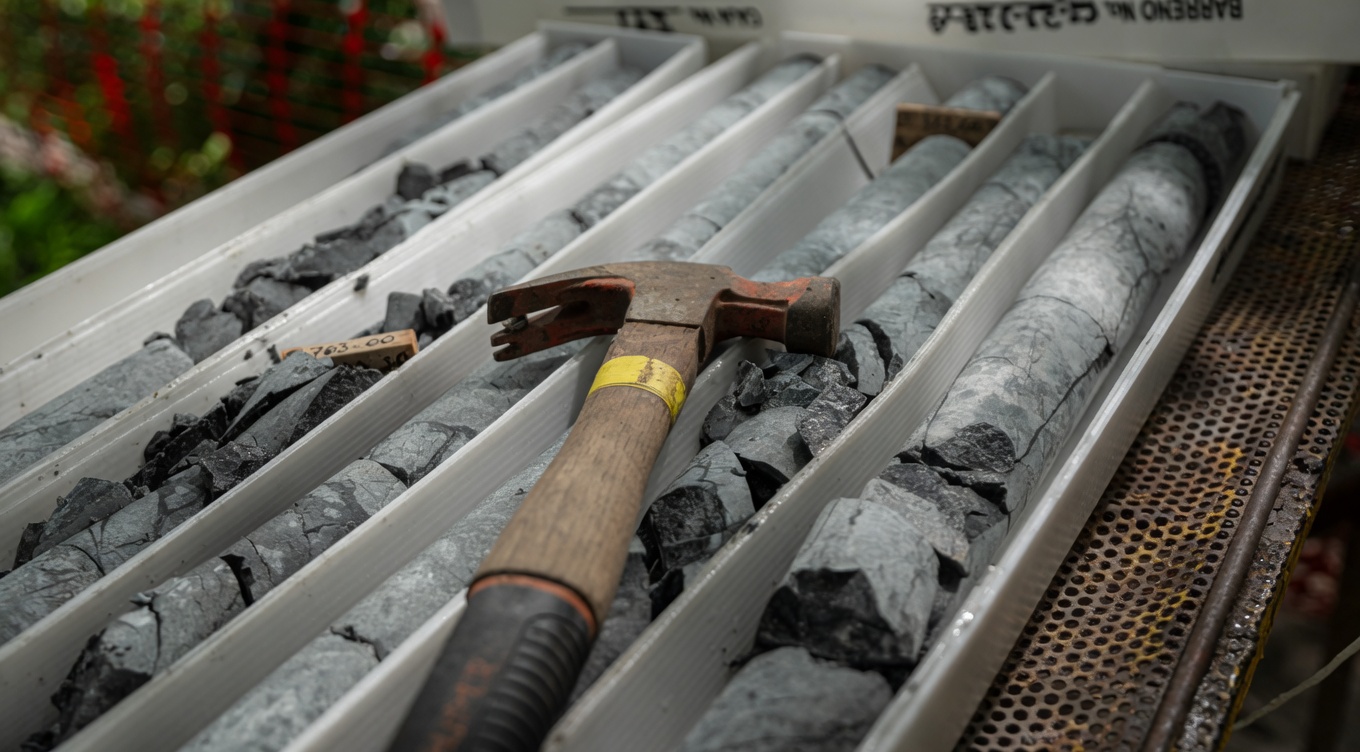
The company has secured 3 drill rigs, with 1 on site and the others due before the end of November 2026 so that ice pads can be built for winter drilling. In the first half of 2027, drilling will test depth extensions at Corner Bay, Golden Eye, and Cedar Bay and strike extensions at Golden Eye. In the second half, the focus shifts to infill drilling at all 4 deposits to upgrade inferred resources to indicated. A fourth rig joins in the second quarter of 2027 for geotechnical and metallurgical work. The programme totals up to 70,000 m through the end of 2027.
Central Asia Metals has retained Ausenco to lead an expanded-scope preliminary economic assessment (PEA). The PEA will use the current MRE and is targeted for mid-2027. An updated MRE is scheduled for the third quarter of 2027. Ferrar said Cygnus ran only 1 rig and could not drill enough infill, and he is targeting a firm view of the project by December 2027 before moving it into a feasibility study.
The land package covers around 18 kilometers of strike, and an electromagnetic survey over frozen lakes is planned for this winter. The district has historically produced nearly 1 Mt of copper and 3.5 million ounces of gold.
Capital Allocation & Self-Funded Growth
Over the next 4 years, cash will fund exploration in Kazakhstan, drilling at Sasa to extend its life, Chibougamau engineering studies, and exploration in Canada. The dividend policy pays 30% to 50% of free cash flow, and the first-half 2026 dividend of 8 pence represented 40%. The remaining cash builds a balance toward construction at Chibougamau.
Sasa has come through a turnaround after an impairment in March, with new management and a smaller workforce. Zinc-in-concentrate production rose 9% to 14,062 t and lead-in-concentrate rose 11% to 20,568 t over the first 9 months of 2026. Sasa’s reserves and resources currently run to 2034, and the company plans further drilling there to extend that life.
Ferrar argues that if both Kounrad and Sasa stopped at the end of 2034, Chibougamau alone would replace them. He also said the company does not plan to raise equity unless a value-accretive deal requires it.
The Investment Thesis for Central Asia Metals
- Kounrad produced copper at a cash cost of $0.91 per pound in the first half of 2026 and delivers around three-quarters of group cash flow.
- Dump recovery at Kounrad has outperformed forecast leach curves, which supports the company’s case for extending the license beyond 2034.
- Chibougamau adds a high-grade copper-gold resource with an existing 900,000-tonne-per-year mill site in Québec.
- A drilling programme of up to 70,000 meters through 2027 targets resource growth in the first half and resource upgrades in the second half.
- The updated preliminary economic assessment in mid-2027 and the updated mineral resource estimate in the third quarter of 2027 are the next valuation markers to monitor.
- Cash of $97.2 million and a 30% to 50% dividend policy fund growth without planned equity dilution.
The company’s case rests on Kounrad cash funding Chibougamau to a development decision while dividends continue.
Macro Thematic Analysis
Copper prices peaked near record levels in May 2026, and prices in the first 9 months of 2026 were 43% higher than in the same period of 2025. Ferrar called the current macro narrative around copper inconsistent, but said the company holds a long-term view that copper will remain fundamental to society. Buying a project with copper as the main metal was an explicit objective of the acquisition.
Québec offers a rare combination of mining history and limited current base metals production. Lithium and gold dominate current activity, while the Horne copper smelter operates in the province. Ferrar expects an early start to help with hiring, government relations, and consolidating the camp. Ferrar tied that advantage to speed of execution:
“The real opportunity here for us at Chibougamau is if we can get this asset up and running as quickly as possible. We’ve kind of almost got first mover advantage there.”
The structure of the deal is also unusual for a development-stage copper asset. Most junior developers fund each stage with a new equity raise, then pause to raise again. Central Asia Metals is funding drilling, studies, and early site work from operating cash flow, which lets the Chibougamau team run 3 to 4 rigs where Cygnus ran 1. The company’s own trading comparison puts it 2.1x estimated 2026 enterprise value to EBITDA, against a peer median of 5.9 times among copper producers such as Lundin Mining, Hudbay, and Capstone. The re-rating question is whether the market begins to price Chibougamau once the PEA defines capital and operating costs.
TL;DR
Central Asia Metals closed its Cygnus Metals acquisition on October 27, 2026, adding the high-grade Chibougamau copper-gold project in Québec (6.4 million tonnes Measured and Indicated at 2.3% copper). The company is funding it from its Kazakh Kounrad operation, which produces copper at $0.91/lb and generates around 75% of group cash. Up to 70,000 meters of drilling run through 2027, with an expanded preliminary economic assessment in mid-2027 and an updated resource in the third quarter. Kounrad’s dumps have beaten forecast leach curves, which supports a license extension beyond 2034. Cash of $97.2 million and a 30% to 50% dividend policy mean no equity raise is planned.
FAQs (AI-Generated)
Analyst's Notes





Subscribe to Our Channel



Stay Informed


