




Trilateral Fuel Pledge Rests on Chinese Crude Imports, Testing Oil Surplus


With US and Russian refineries near their limits, extra fuel falls to idle Chinese plants, and December customs data shows whether crude producers gain.
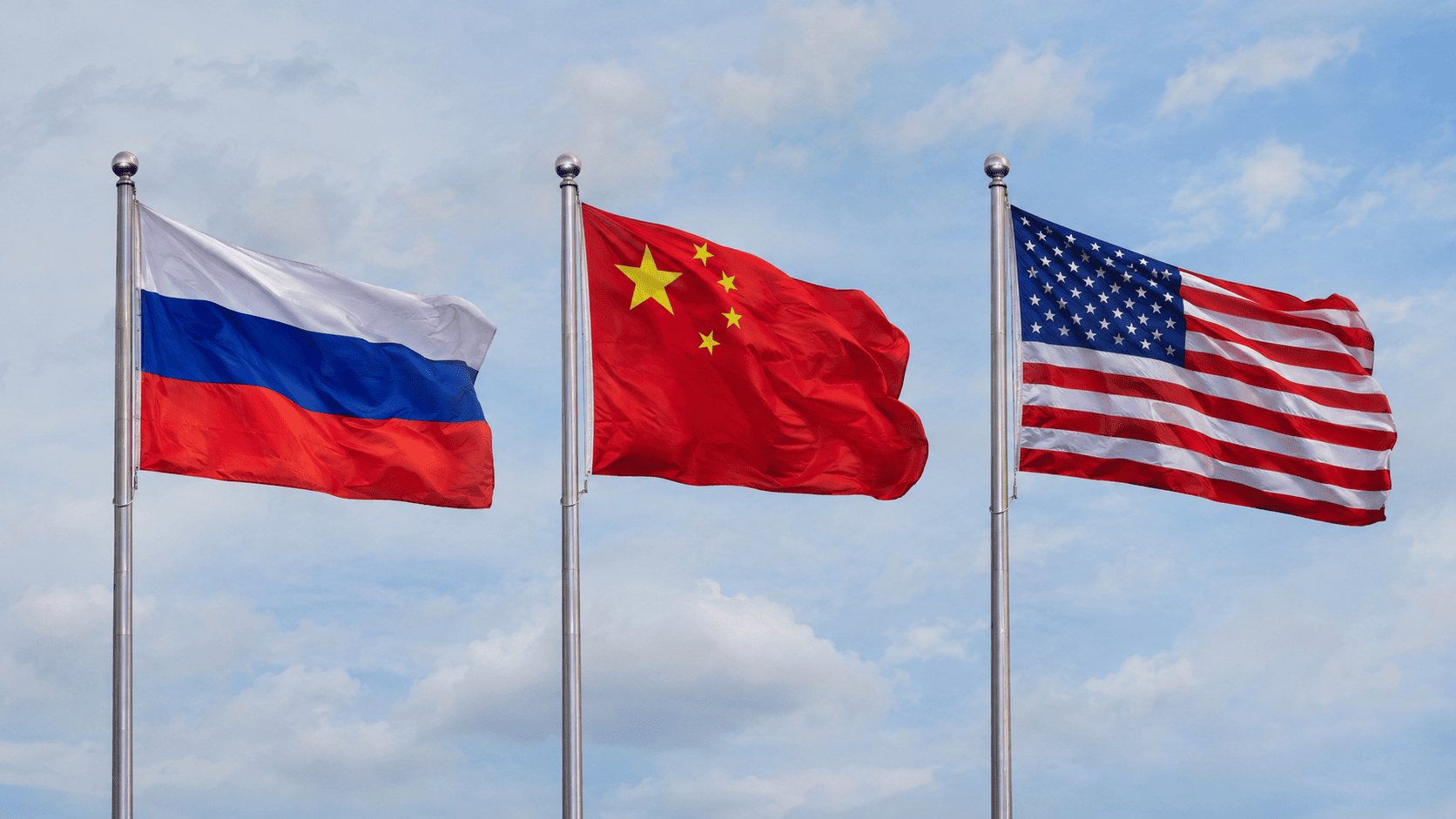
- US, Chinese and Russian leaders pledged in Shenzhen on November 19, 2026, to raise refined fuel supply, and diesel's premium over crude fell to $57.61 a barrel from $61 in London trading.
- US refineries ran at 95.7% of capacity in the week to November 13, and drone strikes have cut Russian crude processing by about 45% since late October, leaving idle Chinese refining as the main source of extra fuel.
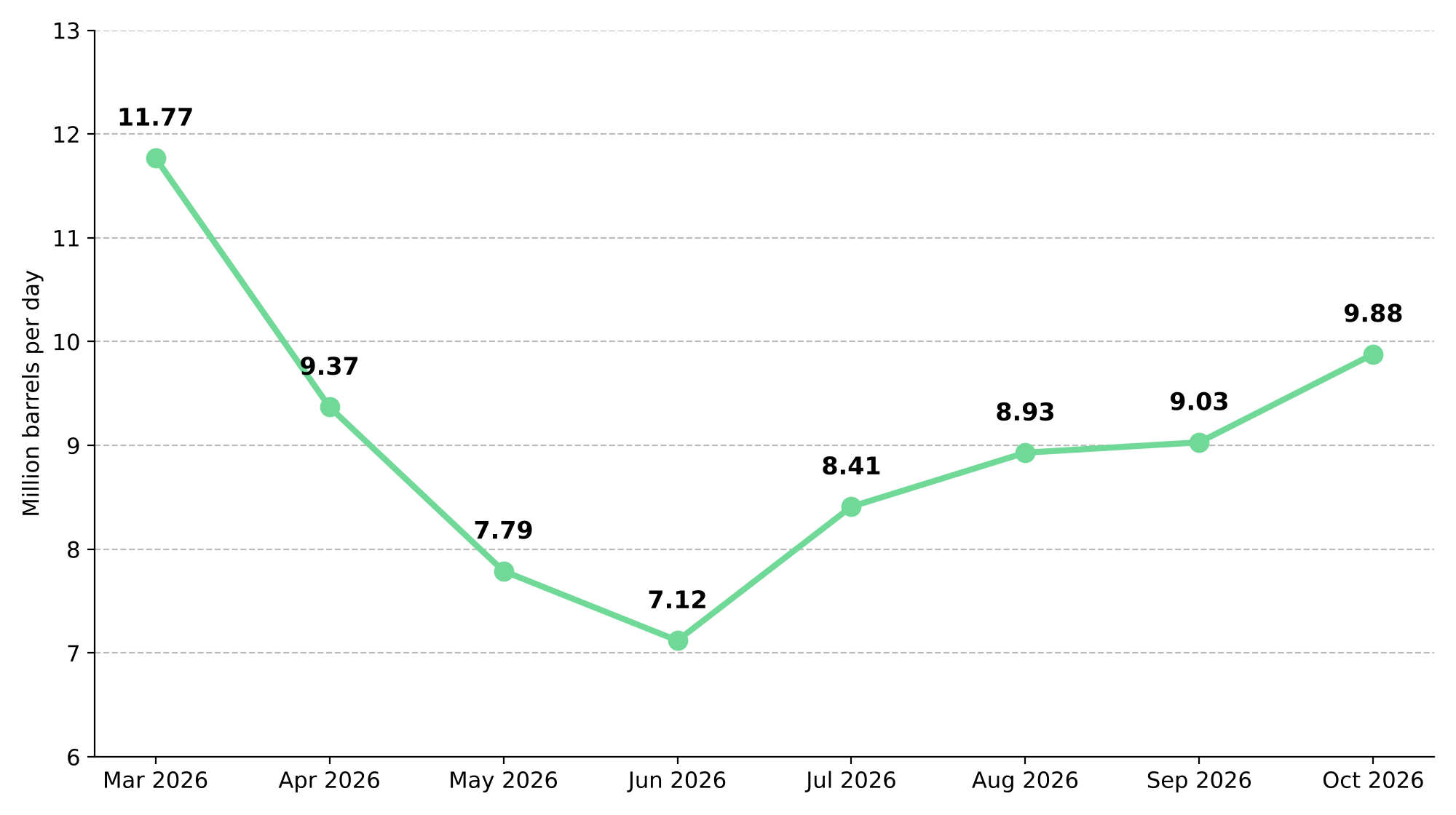
- China can export more fuel only by importing more crude or drawing stocks, and October imports of 9.88 million barrels per day (bpd) sit below March's 11.77 million bpd.
- The pledge specifies no fuel volumes, deadlines, or Chinese export quotas, leaving any potential increase in China's crude imports unquantified.
- China's November crude imports below September's 9.03 million bpd would signal weaker buying despite the fuel pledge, limiting near-term demand support for oil producers.
Shenzhen Fuel Pledge Weighs on Diesel Premium at $57.61
Donald Trump, Xi Jinping, and Vladimir Putin pledged to increase refined fuel supplies after their first trilateral meeting in Shenzhen, potentially relieving diesel shortages. Brent touched $91.21 a barrel, while diesel's premium over crude narrowed from a session high of $61 to $57.61, indicating some relief in fuel-scarcity pricing. Brent later rose to $92.57 amid Houthi attacks and tanker disruptions, but expectations of a crude surplus kept it on course for a 3.5% weekly decline.
The IEA's November Oil Market Report projects fourth-quarter oil supply 1.7 million bpd above demand, yet Gulf exports of refined fuels and liquefied petroleum gas remain near half their pre-war levels. Additional refining could increase crude demand to address the fuel shortage, but the pledge sets no production targets or timetable.
Russia's 45% Refining Drop Creates Fuel Sales Opportunity for China
US refineries processed 16.9 million bpd of crude at 95.7% utilization, leaving little spare capacity. Ukrainian drone strikes cut Russia's daily crude processing by about 45% from late October levels to roughly 400,000 metric tons, disrupting 15 of 35 major refineries. Chinese refineries, meanwhile, operated below 80% capacity, offering the most room among the three to expand fuel output if Beijing permits additional exports.
Beijing's export quotas restrict overseas fuel shipments, while refined-product exports fell from 7.16 million metric tons in September to 5.18 million in October, leaving room for additional sales if allowances rise. Russian fuel output remains exposed to drone strikes, with no refinery ceasefire announced at Shenzhen. Dmitry Peskov, Kremlin Spokesperson, said Ukraine was not the main topic of the talks.
China's 1.89M bpd Import Gap Leaves Room for More Crude Purchases
For crude producers, China's October crude imports of 9.88 million bpd were 1.89 million bpd below March's 11.77 million, leaving a gap larger than the IEA's projected fourth-quarter oil surplus of 1.7 million bpd. The comparison shows the scale of reduced Chinese buying, not a direct offset to the global surplus, because imported crude may enter inventories rather than refineries.
Russia's earlier diesel pledge demonstrates the importance of actual deliveries. October diesel and gasoil loadings reached 1.13 million metric tons globally, yet none had reached the US by November 18. Matt Smith, Director of Commodity Research at Kpler, said two of three US-bound Russian diesel cargoes had diverted elsewhere.
Beijing's Quotas Cap Diesel Exports Despite $58.87 Margins
Singapore's gasoil margin remained at $58.87 a barrel on November 16, nearly triple its pre-war $20.91 level, yet Chinese diesel exports fell from 500,000 bpd in September to 313,000 bpd in October.
China's spare refining capacity could lift crude demand if Beijing expands fuel export quotas and refiners buy additional crude rather than draw inventories. Satoru Yoshida, Commodity Analyst at Rakuten Securities, said expectations of continued OPEC+ production cuts at its November 29 meeting are also supporting crude prices.
China's fuel export quotas lack a fixed release schedule, making the pledge an unreliable trading deadline. Its crude stockpiles were estimated at 1.2 billion to 1.5 billion barrels in May, allowing refiners to raise output without necessarily importing more oil.
Who Captures Value From the Fuel Pledge
The Shenzhen pledge has not yet increased fuel supply. China has the most spare refining capacity among the three countries, but Beijing controls whether that capacity can be used for additional exports. More fuel shipments could reduce shortages, but they would not necessarily close China's gap with pre-war crude imports because refiners can draw inventories.
Crude-weighted producers could benefit if China purchases more crude, but that demand remains unconfirmed. Asian refining margins could narrow if Beijing increases diesel export quotas, making government policy a risk beyond normal changes in fuel demand.
The surplus forecast alone does not rule out potential upside for crude-weighted producers, although the timing of additional Chinese buying remains uncertain. Asian refining exposure may warrant a lower weighting while margins reflect fuel scarcity, since export quotas can change without notice.
Analyst's Notes





Subscribe to Our Channel






Stay Informed


