




China’s Rare Earth Relief Lets Alternative Suppliers Sell at High Prices


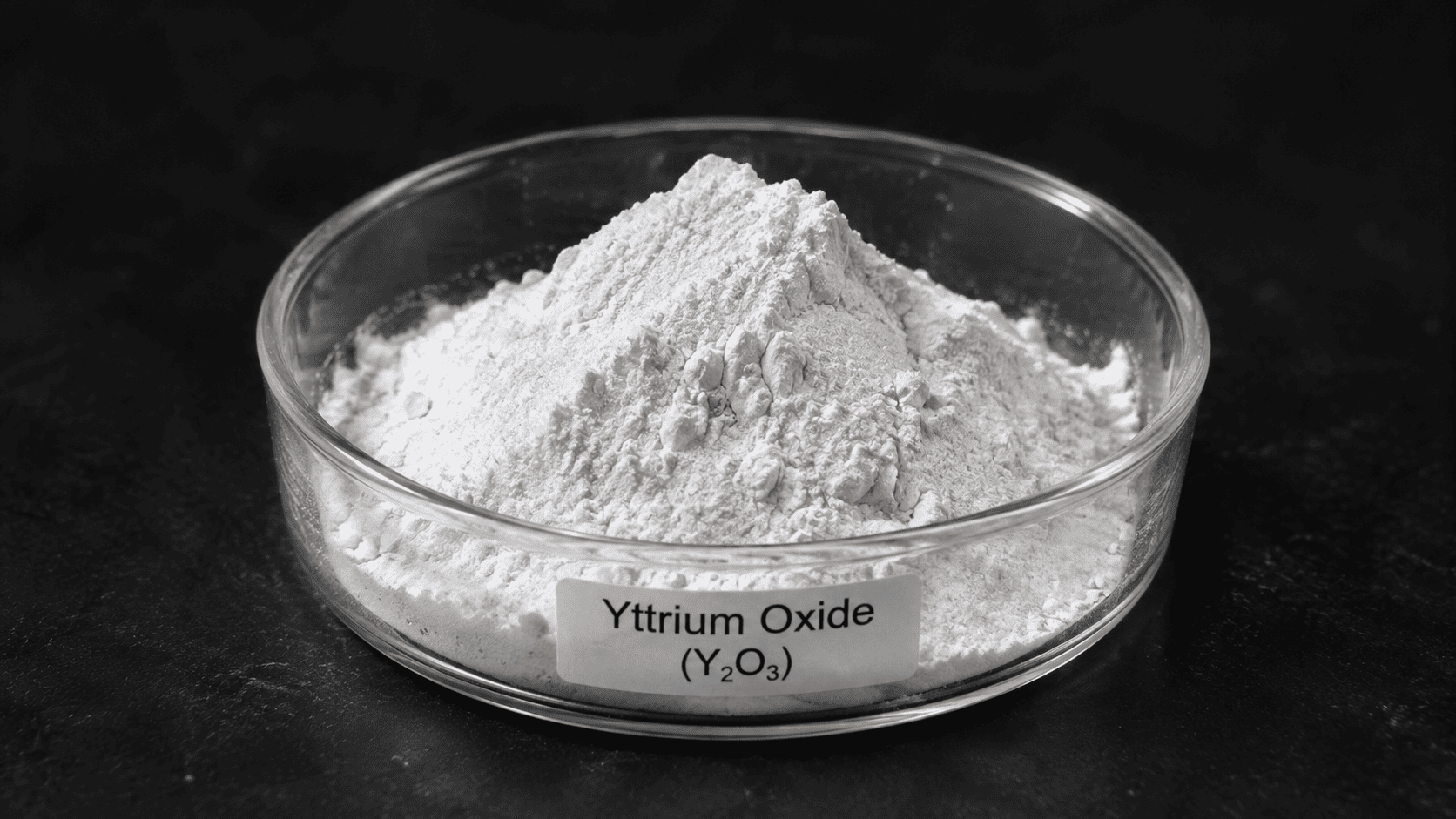
China left its April 2025 licenses untouched, keeping yttrium 125 times costlier in Europe until new supply arrives in 2028 or a Shenzhen deal lifts them.
- China's Ministry of Commerce (MOFCOM) on November 9, 2026 moved the expiry of its suspended October 2025 rare earth export controls from November 10, 2026 to January 10, 2027.
- Licensing imposed in April 2025 on samarium, gadolinium, terbium, dysprosium, lutetium, scandium and yttrium stays in force, so the constraint that set prices outside China is unchanged.
- Yttrium costs about $1.15 million per ton in Europe versus $9,144 in China, a 125-fold price gap favoring suppliers outside China.
- The leaders' meeting at the Shenzhen summit in the week of November 16, 2026 cannot be forecast, so a position sized on one outcome carries full risk of loss.
- A MOFCOM notice suspending the April 2025 licences would reverse the premium and pull prices outside China toward Chinese domestic levels.
MOFCOM Extension Excludes Heavy Rare Earths as Dysprosium Oxide Gains 242%
MOFCOM extended the suspension of October 2025 export controls on five rare earth elements, including europium and ytterbium, and processing technology until January 10, 2027. Platts assessed dysprosium oxide at $4,100/kg CIF North America on October 30, 2026, up 242% from its $1,200/kg launch price on March 31.
The extension leaves April 2025 export licenses in place for seven medium and heavy rare earth elements, including dysprosium, terbium, and yttrium. These restrictions have limited China's yttrium oxide exports to about 40% of their 2023-2024 average, with almost none reaching Japan in 2026.
Export Licensing Cuts Yttrium Shipments & Splits Rare Earth Pricing
Jamieson Greer, US Trade Representative, said China's rare earth deliveries have fallen short of the expected volume and pace. US imports of yttrium alloys, compounds, and metal fell from 457 tons in 2024 to an estimated 300 tons in 2025, with net import reliance at 100%. Export-restricted material remains in China, leaving overseas buyers competing for previously exported supplies. Dysprosium trades at 20 times its Chinese domestic price, while terbium trades at eight times.
China's leverage rests on its 61% share of global mined supply and 91% of refining capacity in 2024. Greer pressed Vice Premier He Lifeng to fulfill China's rare earth commitments ahead of the leaders' meeting in Shenzhen in the week of November 16, 2026.
Ex-China Supply Lag to 2028 Extends the Heavy Rare Earth Price Premium
Almost no yttrium is mined outside China, with the first new supply source, Lynas Rare Earths' Malaysian plant, not scheduled to start until 2028. David Merriman, Research Director at Project Blue, said supply outside China would remain very limited over the next one to two years.
If the April 2025 licenses stay through January 10, 2027, non-Chinese producers and developers with their own heavy rare earth separation capacity continue to sell at prices set outside China. If the Shenzhen talks produce general licenses for the seven elements, those prices would fall toward Chinese levels, as before the curbs, when the two were only marginally apart.
Falling Export Volumes Shift Margin From Oxide Buyers to Ex-China Producers
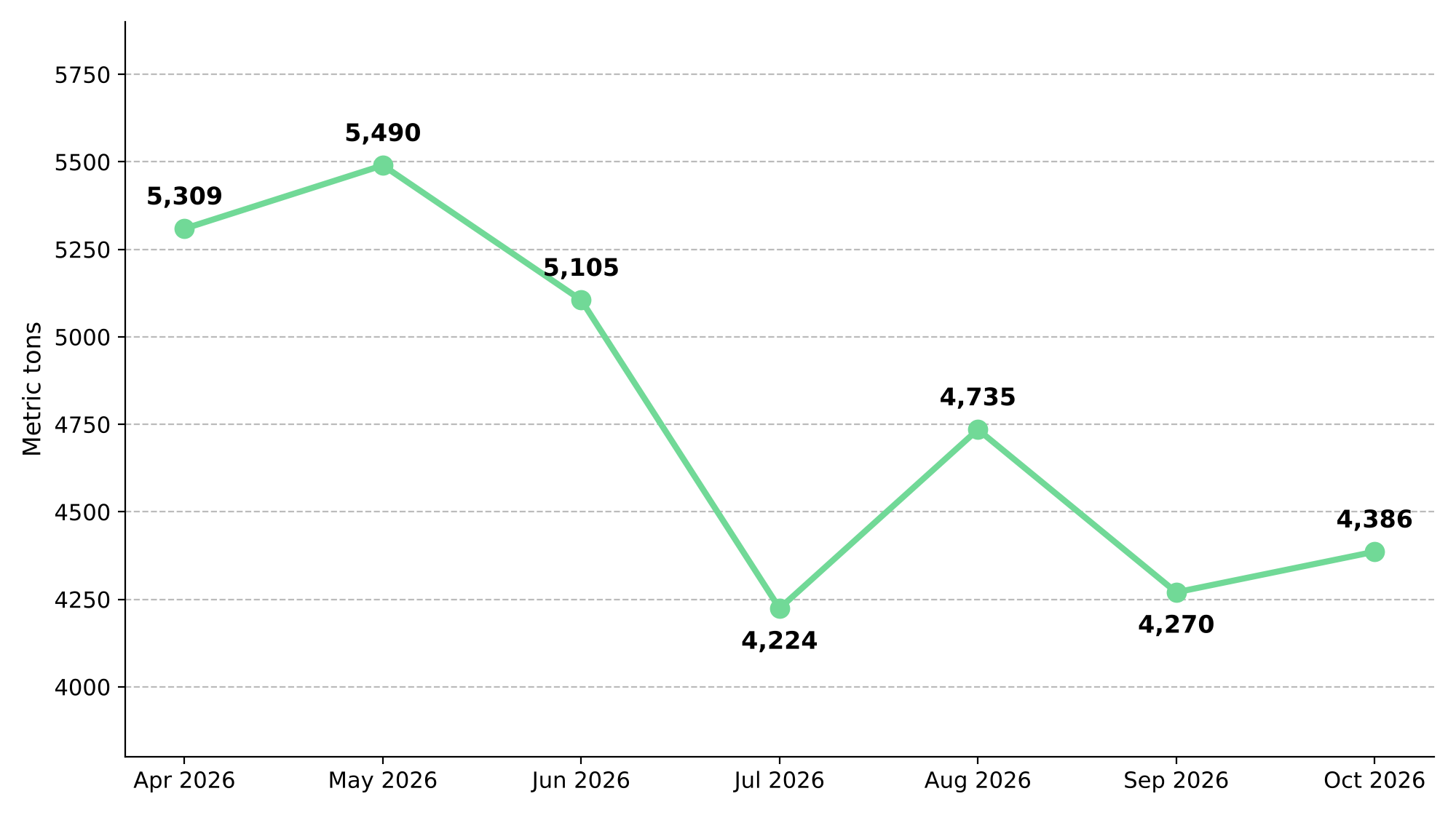
China's rare earth exports fell from 5,490 tons in May 2026 to 4,386 tons in October 2026. Overseas buyers paid $584.3 million over the first 10 months of 2026, up 46.4% from a year earlier despite receiving 8.7% less tonnage. Higher rare earth oxide prices outside China can squeeze margins for magnet makers and semiconductor equipment suppliers.
The other side of that transfer shows in producer pricing. Lynas Rare Earths, which produced 23 tonnes of dysprosium and terbium in the September 2026 quarter, reported an average selling price of A$102.1/kg across its products, up from A$54.3/kg a year earlier.
With the Shenzhen outcome dependent on negotiations between two governments, a retail portfolio holding rare earth equities is better sized to withstand either outcome than to trade the deadline. Development-stage companies also face financing and permitting risks, including the potential loss of all invested capital.
125x Yttrium Gap Rewards Ex-China Heavy Supply
China's extension delayed a deadline without adding heavy rare earth supply, so pricing power stays with suppliers able to deliver outside its licensing system.
For non-Chinese heavy rare earth separators, the overseas price premium now belongs in revenue forecasts, where it was once treated only as a policy risk. A trade truce does not guarantee a return to pre-2025 prices. Funds seeking to limit dependence on a single country's supply have a reason to shift toward non-Chinese heavy rare earth oxide capacity.
Analyst's Notes




Subscribe to Our Channel



Stay Informed


