




Chisebuka Leads Atomic Eagle's Push for Indicated Uranium in a 2027 Update


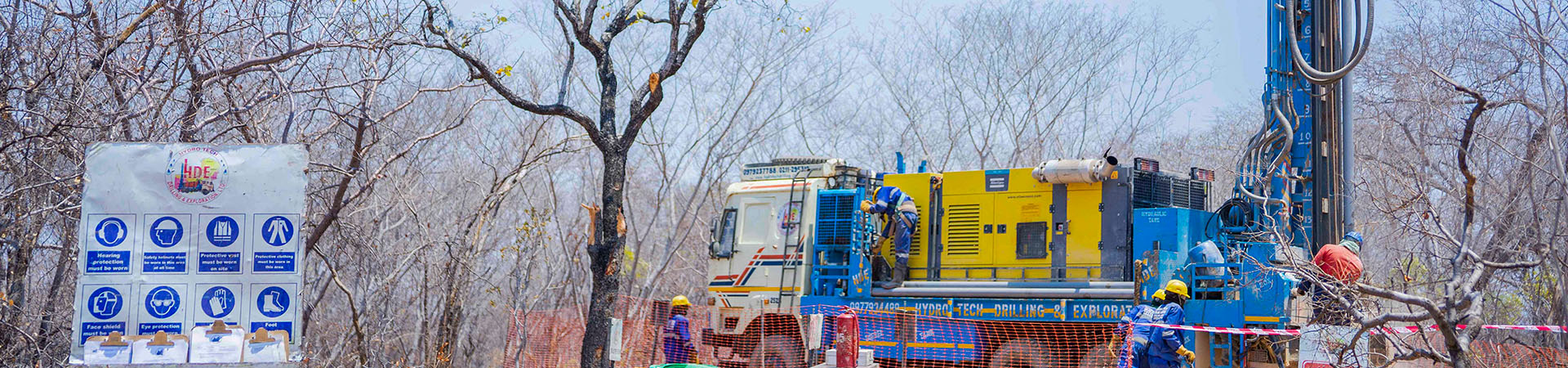
Atomic Eagle found 2 coherent uranium zones at Muntanga North and is now drilling Chisebuka toward a 2027 Muntanga resource update.
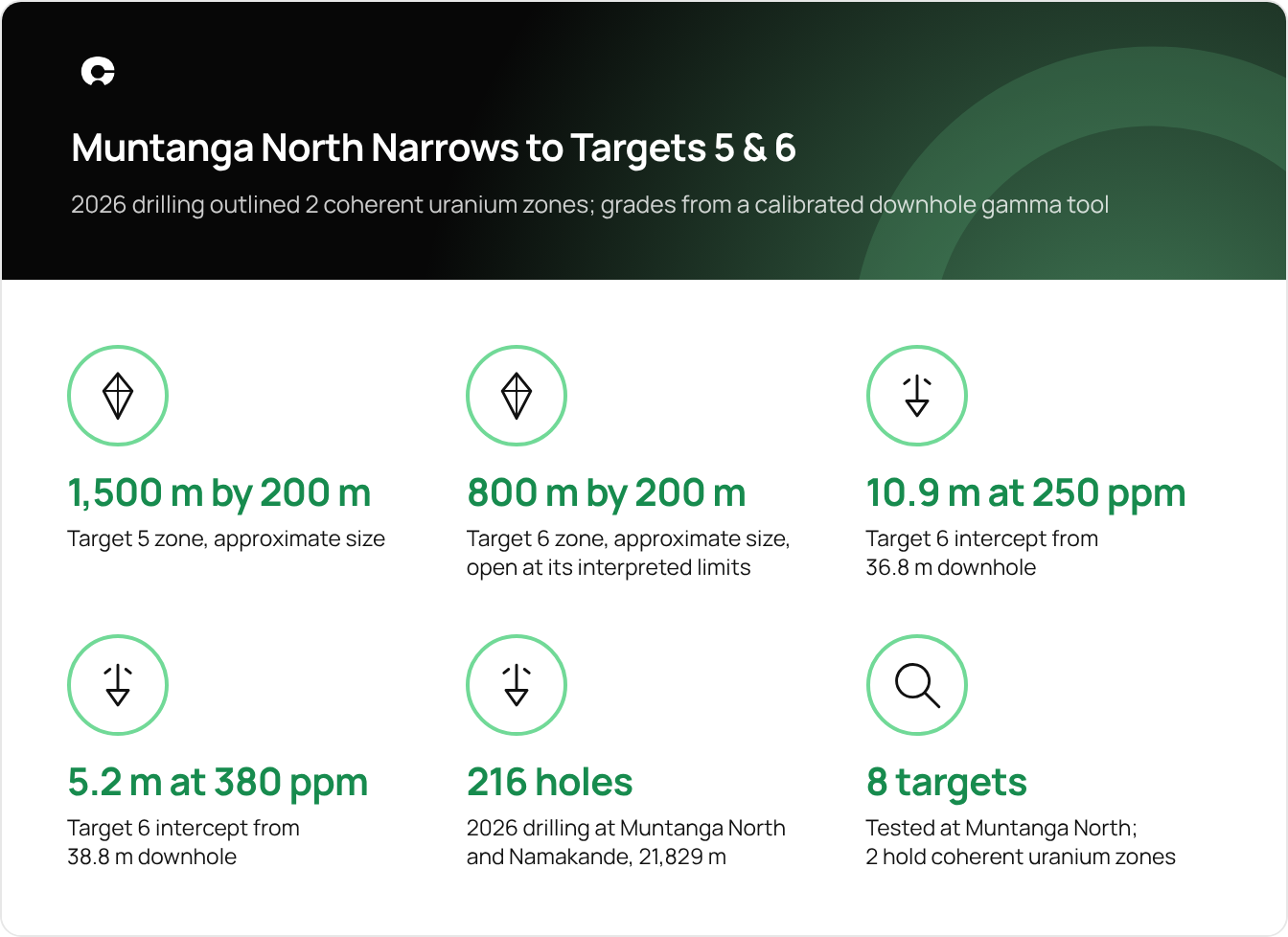
- Atomic Eagle drilled 216 holes for 21,829 meters (m) at Muntanga North and Namakande in 2026.
- The Target 5 zone at Muntanga North now measures about 1,500 m by about 200 m.
- A new Target 6 zone covers about 800 m by about 200 m and is open at its interpreted limits.
- Drilling has returned to Chisebuka for the rest of the 2026 season.
- The work is intended to support an updated mineral resource estimate (MRE) in 2027, including conversion of mineralization to the Indicated category.
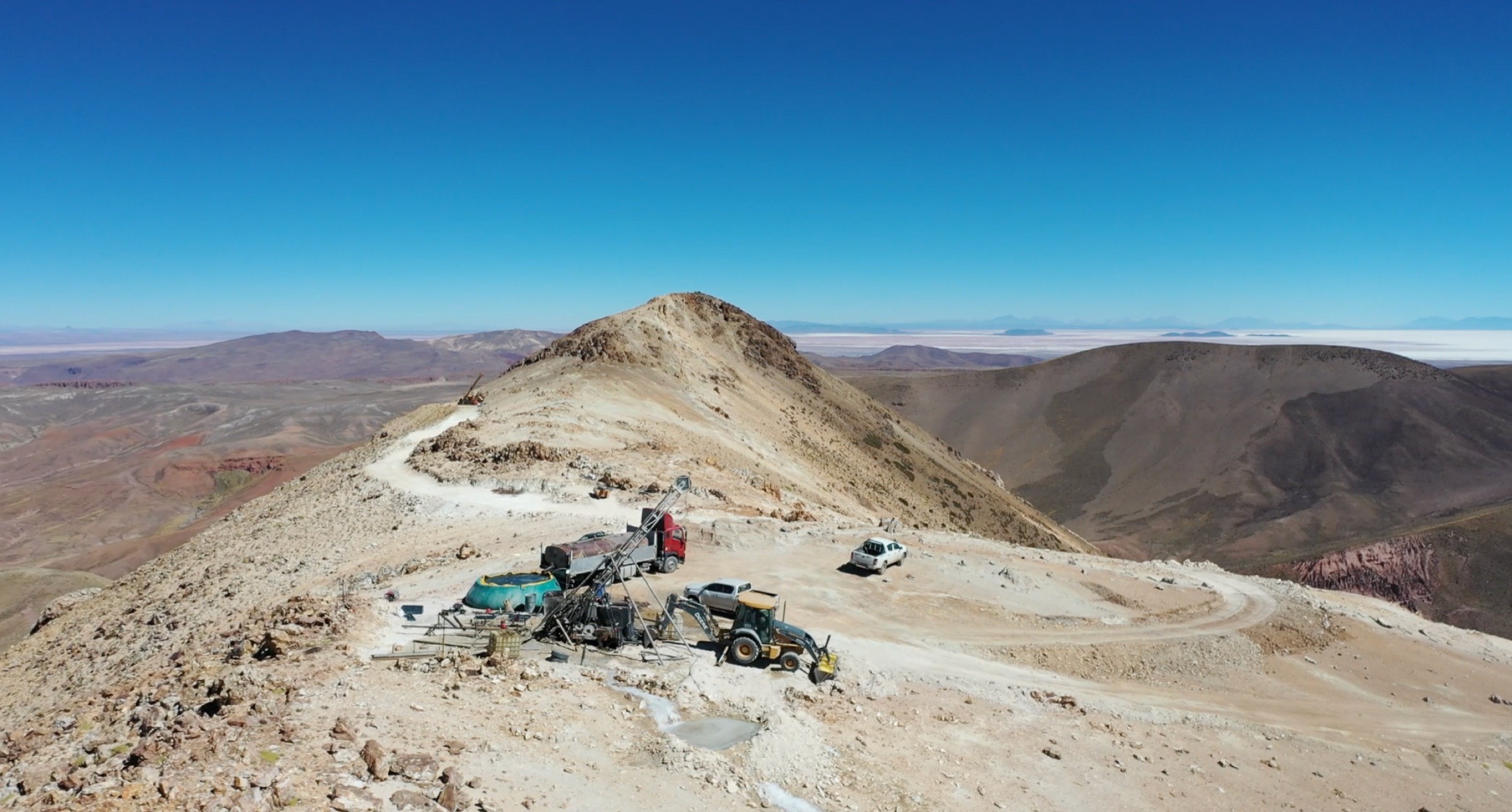
Atomic Eagle (ASX: AEU | OTCQX: AEUXF) has now tested 8 targets at Muntanga North and 2 at Namakande on its 100%-owned Muntanga Uranium Project in Zambia. Two of them, Targets 5 and 6, contain coherent uranium zones. A total of 84 holes for 8,367 meters (m) went into Muntanga North Targets 5, 6, 7, and 8 after the September 16, 2026 exploration update. That took 2026 exploration drilling at Muntanga North and Namakande to 216 holes for 21,829 m. For the rest of the 2026 season, the program returns to Chisebuka for extensional and infill drilling aimed at an updated mineral resource estimate (MRE) in 2027.
Muntanga North Narrows to Targets 5 & 6
The zone, first reported at Muntanga North Target 5, now measures about 1,500 m by about 200 m after follow-up drilling; it is a shallow-dipping body lying broadly parallel to bedding. Its lenticular, or lens-shaped, geometry may reflect structural control. Holes to the southeast hit unmineralized mudstone, which may mean the horizon is faulted and downthrown, meaning dropped lower along a fault, or that the mudstone did not take up the mineralizing fluids. Target 5 intercepts include 5.7 m at 184 parts per million (ppm) equivalent uranium oxide from 93.1 m downhole.
The Target 6 zone is new: a coherent, shallow-dipping body about 800 m by 200 m, averaging about 3 m in thickness, and open at its interpreted limits. Its intercepts include 10.9 m at 250 ppm from 36.8 m and 5.2 m at 380 ppm from 38.8 m downhole. Other intercepts were 5.0 m at 261 ppm from 21.9 m and 4.3 m at 273 ppm from 45.4 m downhole. These grades come from a calibrated downhole gamma tool. This probe estimates uranium grade from the natural radiation the rock gives off, with a 100 ppm cut-off grade over a minimum width of 1 m.
Chief Executive Officer of Atomic Eagle, Phil Hoskins, ties the choice of mine scale to how much of the ground drilling has covered:
"We don't want to select that scale and go down that path until we're comfortable that we've tested a lot of the exploration potential. And that's what we're doing through the end of this calendar year."
As part of that testing, ground radiometric surveys covered Muntanga North Targets 1 to 8 and broadly replicated the anomalies identified in earlier airborne data.
What the Other Targets Showed
Targets 1 to 4, 7, and 8 returned no significant uranium mineralization, and those results do not justify follow-up drilling at this stage. The surface radiometric response at those targets is interpreted to reflect uranium daughter products, the elements uranium forms as it decays, migrating along permeable bedding planes, fractures, and other structural pathways. The source mineralization may lie nearby along-strike, down-dip, or beneath cover, or may have been partly removed by erosion.
At Muntanga North, the strongest radiometric response at the surface did not necessarily indicate where uranium accumulated most underground. Future drill targeting therefore needs further refined structural and stratigraphic interpretation, and the Muntanga North and Namakande datasets will be reinterpreted for offset, covered, or eroded mineralization. The company is also evaluating opportunities to expand the project landholding and generate more targets.
Drilling Returns to Chisebuka
Chisebuka, on the Kariba Valley license granted in 2025 for 25 years, already holds a resource of 9.7 million pounds (lb) of uranium oxide at 220 ppm over an 800 m by 600 m area. Earlier 2026 drilling confirmed a higher-grade southwest zone of 830 m by 400 m. Intercepts outside the resource area included 12.7 m at 673 ppm, 24.0 m at 448 ppm, and 15.9 m at 361 ppm. Hoskins ranks the deposit within the project:
"One of the focuses of that program was Chisebuka down in the southwest, which was the largest addition to the historical resource when we upgraded it earlier this year. So, almost 10 million pounds, and now the second-largest deposit on the property."
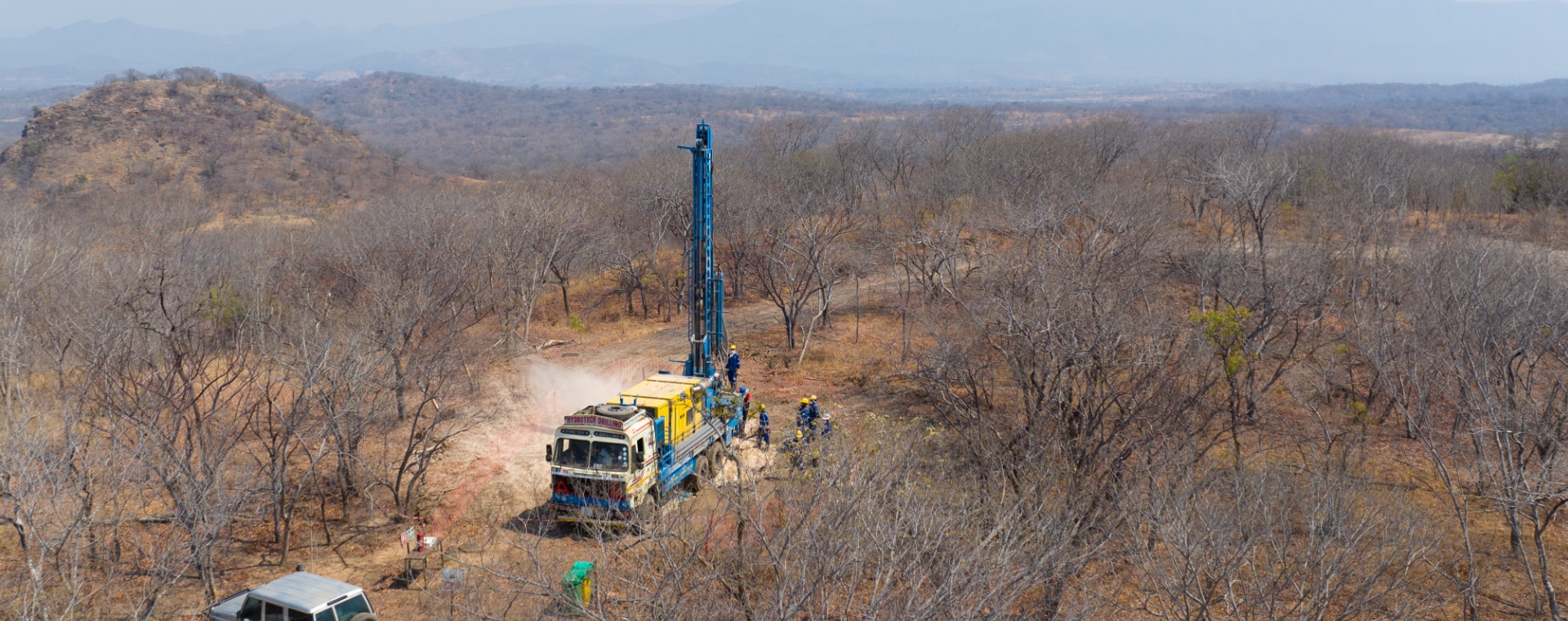
Infill and extensional drilling has restarted there. Twelve reverse-circulation holes have been drilled to confirm grades estimated from downhole gamma logging; laboratory assays are pending. Twenty-five diamond holes are planned to supply samples for metallurgical testwork and laboratory assays. More down-the-hole drilling, a percussion method, is planned to infill known mineralization and test selected priority extensions.
Where drilling density and geological continuity support it, the program is intended to convert mineralization to the Indicated category for use in updated development studies. Indicated is a resource classification that carries greater geological confidence than Inferred.
From a 2027 Resource to Updated Studies
The planned 2027 MRE would update a Muntanga JORC resource totaling 58.8 million lb of uranium oxide at 309 ppm, of which 18.8 million lb at 238 ppm is Inferred. The 2025 feasibility study did not consider 44% of the JORC resource, and infill drilling and technical studies will seek to convert those resources into ore feed. Hoskins lays the Muntanga calendar out year by year:
"So, the plan with this asset is to drill through to the end of 2026. JORC resource first quarter of 2027, updated feasibility studies through 27 and into financing by 2028."
Financing in 2028 would, in management's view, lead to production by 2031.
What Comes Next at Muntanga
The Target 5 and 6 assessments will determine whether either zone receives further resource-definition work. The updated development studies are meant to draw on the 2027 MRE, including any Indicated conversion at Chisebuka.
FAQs (AI-Generated)
Analyst's Notes





Subscribe to Our Channel




Stay Informed


