




APEC Trade Corridor Push Could Widen Coastal Salt Mine Cost Advantages


With US salt import reliance at 31%, APEC's transport agenda and Canadian corridor funding could help regional mines reach more customers at lower cost.
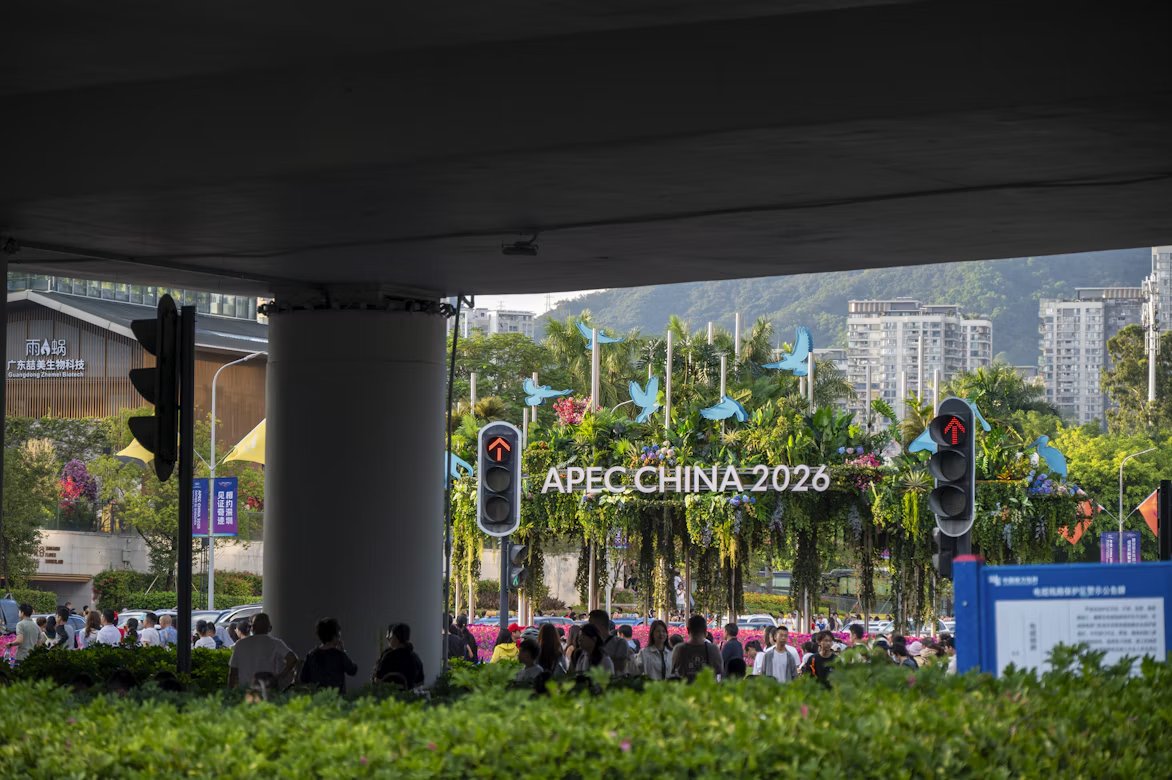
- The Asia-Pacific Economic Cooperation (APEC) Leaders' Declaration, published on November 21, 2026, endorses a renewed Connectivity Blueprint prioritizing transportation infrastructure upgrades that could improve bulk salt distribution.
- US net salt import reliance increased from 23% in 2024 to 31% in 2025, according to the United States Geological Survey (USGS), increasing the importance of transportation networks in supplying the domestic market.
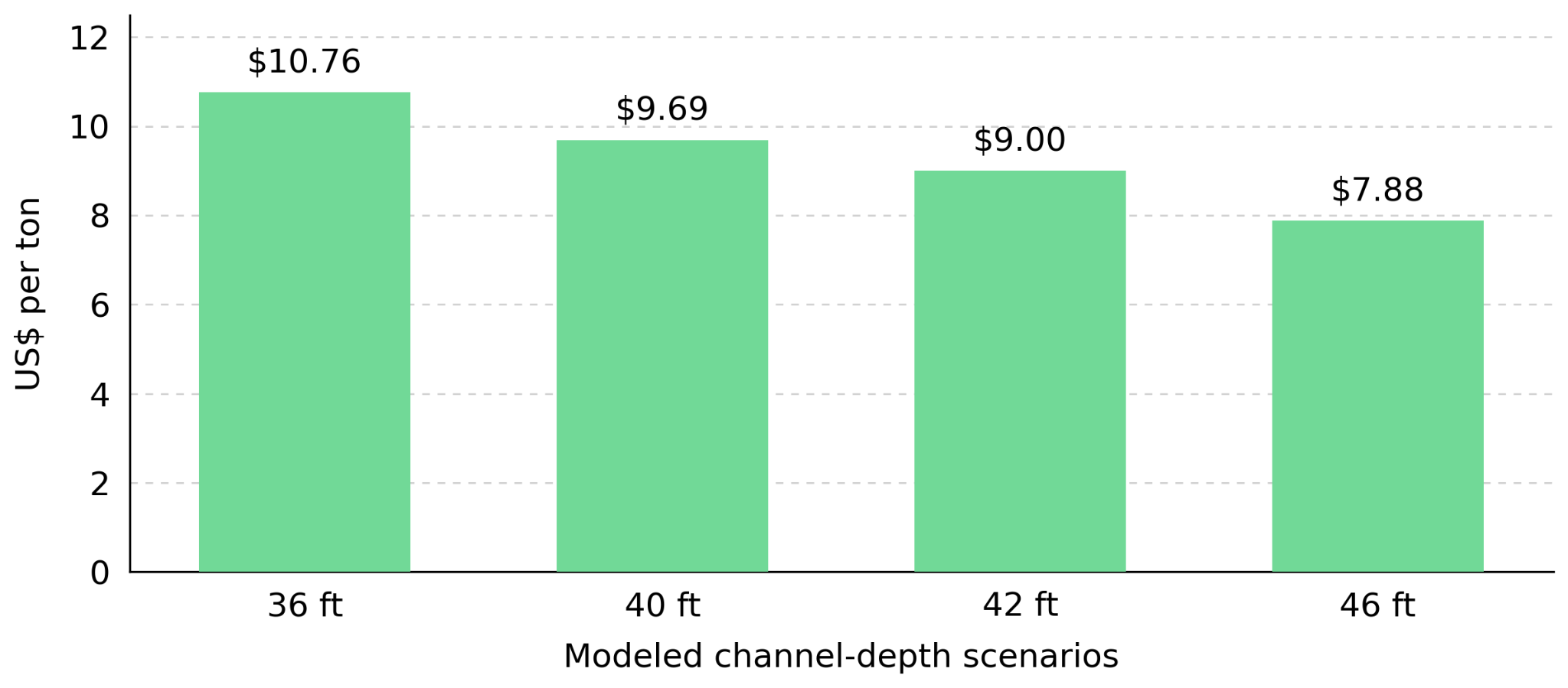
- The US Army Corps of Engineers (USACE) estimates that increasing Gulfport Harbor's channel depth from 36 to 46 feet could reduce rock salt transportation costs from US$10.76 to US$7.88 per ton, demonstrating how port capacity influences delivered costs.
- Canada and Ontario announced C$250 million in combined financing for the Port of Sault Ste. Marie on November 20, 2026, targeting a threefold increase in annual cargo-handling capacity to more than 3.5 million metric tons by 2031.
- Canada's C$5 billion Trade Diversification Corridors Fund targets bulk commodity transportation capacity, potentially expanding regional market access for coastal salt suppliers.
APEC Transport Plans Could Improve Regional Salt Competitiveness
Leaders from 21 APEC member economies endorsed a renewed Connectivity Blueprint at the November 18 and 19, 2026 summit in Shenzhen, China, formalized in the Leaders' Declaration published on November 21. The blueprint prioritizes maritime and inland transportation upgrades to improve regional trade efficiency.
The USGS estimates that the average US rock salt value was US$54 per metric ton free on board (FOB) at mines and plants in 2025, compared with US$150 for solar salt and US$260 for vacuum and open pan salt. Rock salt's relatively low selling value makes controlling freight, cargo handling, and inland distribution costs essential to maintaining competitive margins.
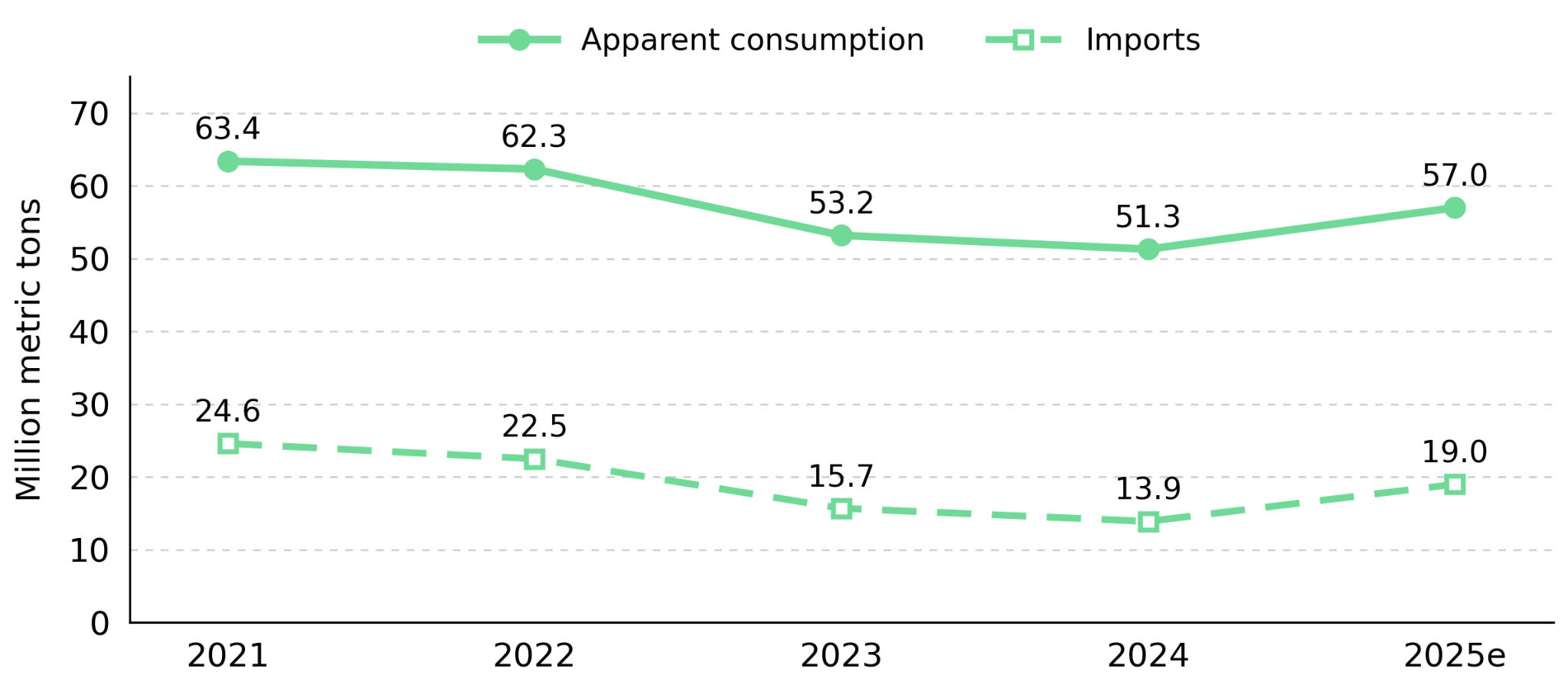
US apparent salt consumption increased from 51.3 million metric tons in 2024 to an estimated 57 million metric tons in 2025, while imports rose from 13.9 million to 19 million metric tons. Highway deicing accounted for approximately 37% of total salt consumption in 2025, and shifting coastal storm patterns could increase road salt demand along the US East Coast. Between 2021 and 2024, Mexico supplied 26% of total US salt imports, followed by Chile at 23%, Canada at 21%, and Egypt at 6%. Improvements to regional trade routes could widen the transportation cost advantage of coastal North American salt projects positioned closer to US customers.
Deeper Ports Reduce Shipping Costs Through Larger Cargo Loads
The USACE's April 7, 2026 Gulfport Harbor Integrated Feasibility Report examines how deeper navigation channels could reduce rock salt transportation costs for a chemical manufacturing facility in Mississippi. At a channel depth of 36 feet, the modeled maximum cargo load is 36,884 tons, with transportation costs of US$10.76 per ton. Increasing the depth to 40 feet raises cargo capacity to 51,684 tons at US$9.69 per ton, while the 42-foot scenario accommodates 55,646 tons at US$9.00 per ton. The 46-foot alternative accommodates 63,571 tons at US$7.88 per ton.
Modeled voyage costs increased from US$382,216 for the 36-foot channel to US$469,975 for the 40-, 42-, and 46-foot alternatives. Larger cargo loads spread these higher voyage expenses across more tons of salt, allowing suppliers to lower delivered costs without reducing mining or processing expenses.
Based on projected annual rock salt imports of 154,000 tons, the estimated annual transportation savings reach US$165,659 at 40 feet, US$271,884 at 42 feet, and US$444,608 at 46 feet. Similar shipping efficiencies along road salt supply routes could allow coastal suppliers to offer more competitive contract prices or retain higher profit margins.
Canadian Corridor Investment Could Expand Coastal Salt's Market Reach
Canada's infrastructure investment program aligns with APEC's renewed trade connectivity priorities. On March 4, 2026, Transport Canada published details of its C$5 billion Trade Diversification Corridors Fund (TDCF), targeting greater transportation capacity for bulk commodity exports. Funding for projects that reduce congestion and improve connections between transportation networks could expand market access for Canadian salt suppliers.
On October 21, 2026, Transport Canada announced up to C$254 million for the Saint John Trade Corridor in New Brunswick, including upgrades to 103 kilometers of railway track targeting speeds of 64 kilometers per hour. On November 20, Canada and Ontario announced C$250 million in combined financing for the Port of Sault Ste. Marie, targeting a threefold increase in annual cargo-handling capacity to more than 3.5 million metric tons by 2031. Such investments could improve distribution efficiency for coastal salt projects with access to established maritime and railway networks.
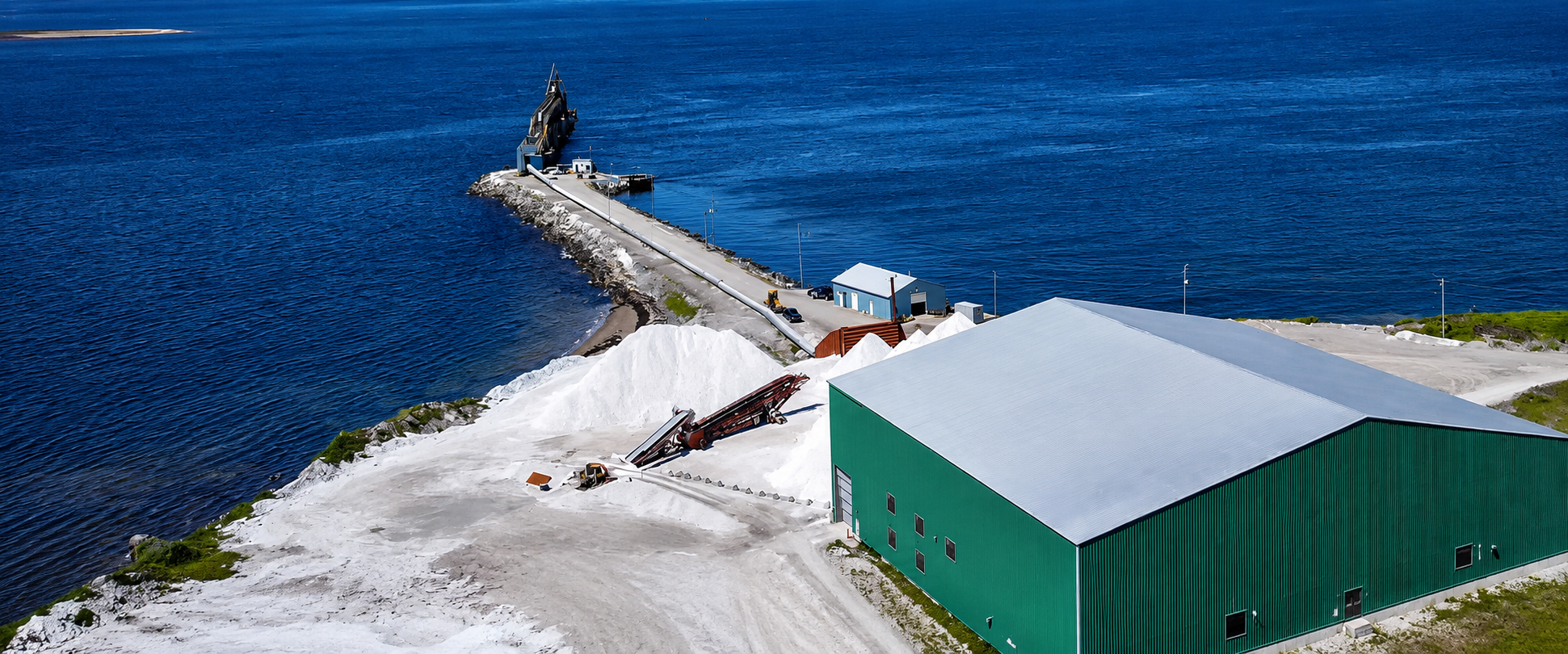
Atlas Salt announced a memorandum of understanding with Canadian National Railway on August 20, 2026, to explore distribution options that could reduce delivered salt costs and expand market access. Its Great Atlantic Salt Project targets an annual production capacity of 4 million metric tons and is located approximately 2 kilometers from Turf Point deepwater port. The company estimates shipping times to Boston of 3 days, compared with more than 14 days from Egypt or Chile, indicating a potential transportation cost advantage.
Nolan Peterson, Chief Executive Officer of Atlas Salt, explains how shipping costs influence regional mining margins:
"It's very hard to be competitive with a mine close to its territory because their shipping costs become less, their margins become higher. But if you can find an area that you can ring a fence and protect, then they just can't jump over it."
Lower Delivered Costs Could Strengthen Coastal Salt Mine Returns
With US net salt import reliance rising from 23% in 2024 to 31% in 2025, transportation infrastructure is becoming increasingly important to regional supply competitiveness. The modeled reduction in rock salt shipping costs from US$10.76 to US$7.88 per ton demonstrates how port upgrades could improve delivered-cost competitiveness without requiring higher salt prices. APEC's renewed connectivity commitments could extend these economic benefits through investments in maritime and inland transportation networks.
Canada's C$5 billion TDCF provides a funding mechanism for expanding transportation capacity and addressing distribution constraints. Through 2027 and beyond, project valuations should account for funded port expansions, railway connections, and distribution agreements alongside mine operating costs and capital requirements. Coastal salt projects that combine shorter shipping distances with access to expanded transportation networks could capture a larger share of North American salt demand and strengthen long-term operating margins.
The Investment Thesis for Salt
- Trade corridor infrastructure investment could improve the commercial reach of coastal salt assets by expanding transportation capacity and reducing the cost of supplying regional markets.
- Access to deepwater ports provides a potential source of long-term cost competitiveness because larger cargo loads can distribute maritime transportation expenses across greater volumes of salt.
- Developers with established port access and advanced distribution arrangements could reduce infrastructure capital requirements and strengthen their delivered-cost advantage over overseas salt suppliers.
- Access to complementary maritime and railway networks allows salt projects to evaluate a wider range of customer markets, improving opportunities for commercially efficient distribution beyond their immediate geographic area.
- Project valuations should incorporate delivered-cost competitiveness alongside mine operating expenses because transportation and distribution arrangements determine how much revenue can ultimately be retained as operating cash flow.
- Salt assets with geographically efficient supply routes and disciplined capital allocation could generate competitive returns across commodity cycles without requiring sustained increases in selling prices.
APEC's renewed trade connectivity agenda could strengthen the competitive position of coastal salt projects by improving the transportation networks that connect mines with customers. Established port access and efficient distribution routes offer opportunities to reduce infrastructure spending, expand market reach, and protect operating margins. Long-term salt investment should prioritize projects that combine competitive mining costs with geographic advantages and efficient distribution networks. The ability to supply customers at lower delivered costs offers a foundation for sustainable market share and competitive returns without relying on higher salt prices.
TL;DR
APEC's renewed Connectivity Blueprint prioritizes transportation infrastructure upgrades that could strengthen coastal salt suppliers' competitiveness. US net salt import reliance increased from 23% in 2024 to 31% in 2025, creating opportunities for regional suppliers with efficient distribution networks. A US Army Corps of Engineers assessment demonstrates that deeper navigation channels could reduce rock salt shipping costs from US$10.76 to US$7.88 per ton. Canada's C$5 billion Trade Diversification Corridors Fund could further expand regional market access. Coastal salt projects with established port access and advanced distribution arrangements could achieve lower delivered costs, expand market share, and improve long-term operating margins.
FAQs (AI-Generated)
Analyst's Notes





Subscribe to Our Channel






Stay Informed


