




CK Gold: The Trade-Off Between Permitting Speed & Resource Optimisation


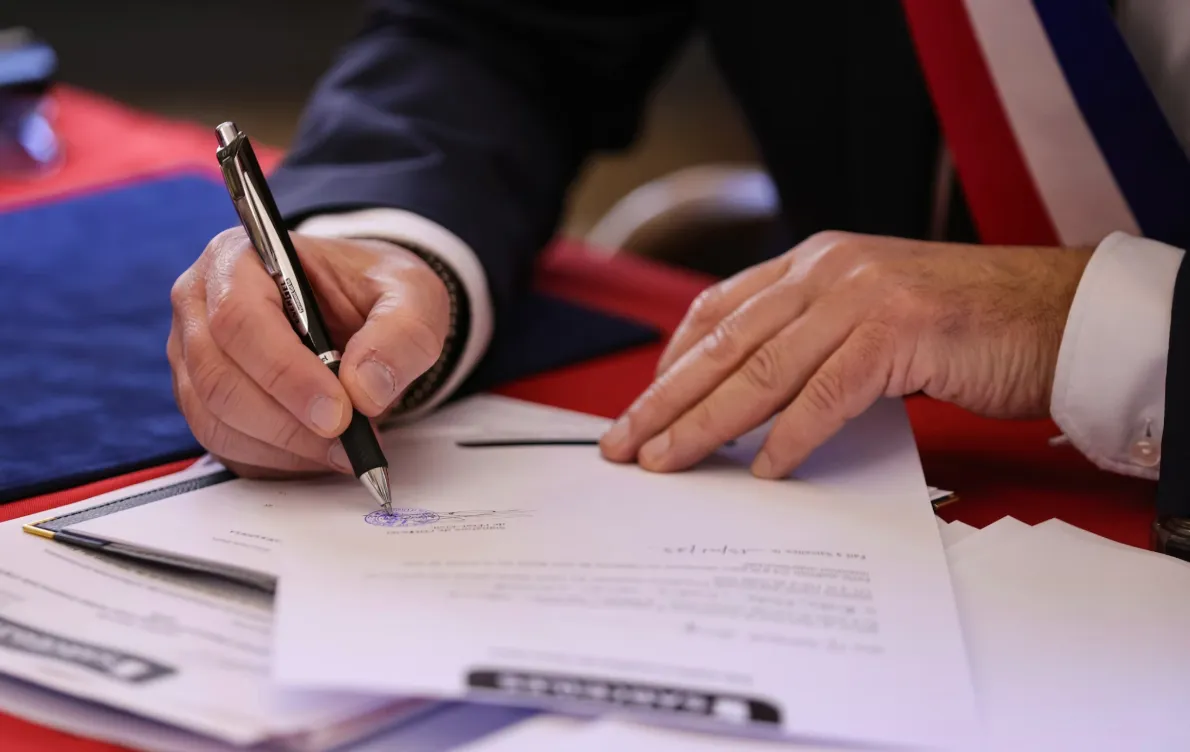
CK Gold’s state-only permitting shaped mine design over a 20-month approval process, leaving approximately 900,000 gold equivalent ounces outside the FS plan.
- US Gold Corp advanced the CK Gold Project through an approximately 20-month state-level agency review process, securing all major permits entirely on Wyoming State land with no direct federal involvement.
- The pit was intentionally constrained to Wyoming State land boundaries to ensure only state-level approval was required, leaving approximately 900,000 gold equivalent ounces outside the current production schedule.
- The completed feasibility study (FS) returns an after-tax net present value at a 5% discount rate (NPV5%) of $632 million at base-case metal prices of $3,250 per ounce gold, $4.50 per pound copper, and $40 per ounce silver, with an after-tax internal rate of return (IRR) of 27% and a 2.5-year payback period.
- Permitting success followed more than 200 meetings with over 300 individuals, culminating in unanimous approval for the Industrial Siting Permit by the Wyoming Industrial Siting Council.
- The project is expected to generate approximately 255 direct local jobs and pay a 2.1% mineral lease royalty earmarked for Wyoming State education funding. A construction decision is expected in 2026.
Overview of the CK Gold Jurisdiction
When evaluating development-stage mining projects, the regulatory jurisdiction directly affects the timeline to production. US Gold Corp (NASDAQ: USAU) operates the CK Gold Project in southeast Wyoming. The state generates significant revenues from the extractive sector, including coal, oil, gas, and trona, providing an established framework for mineral development.
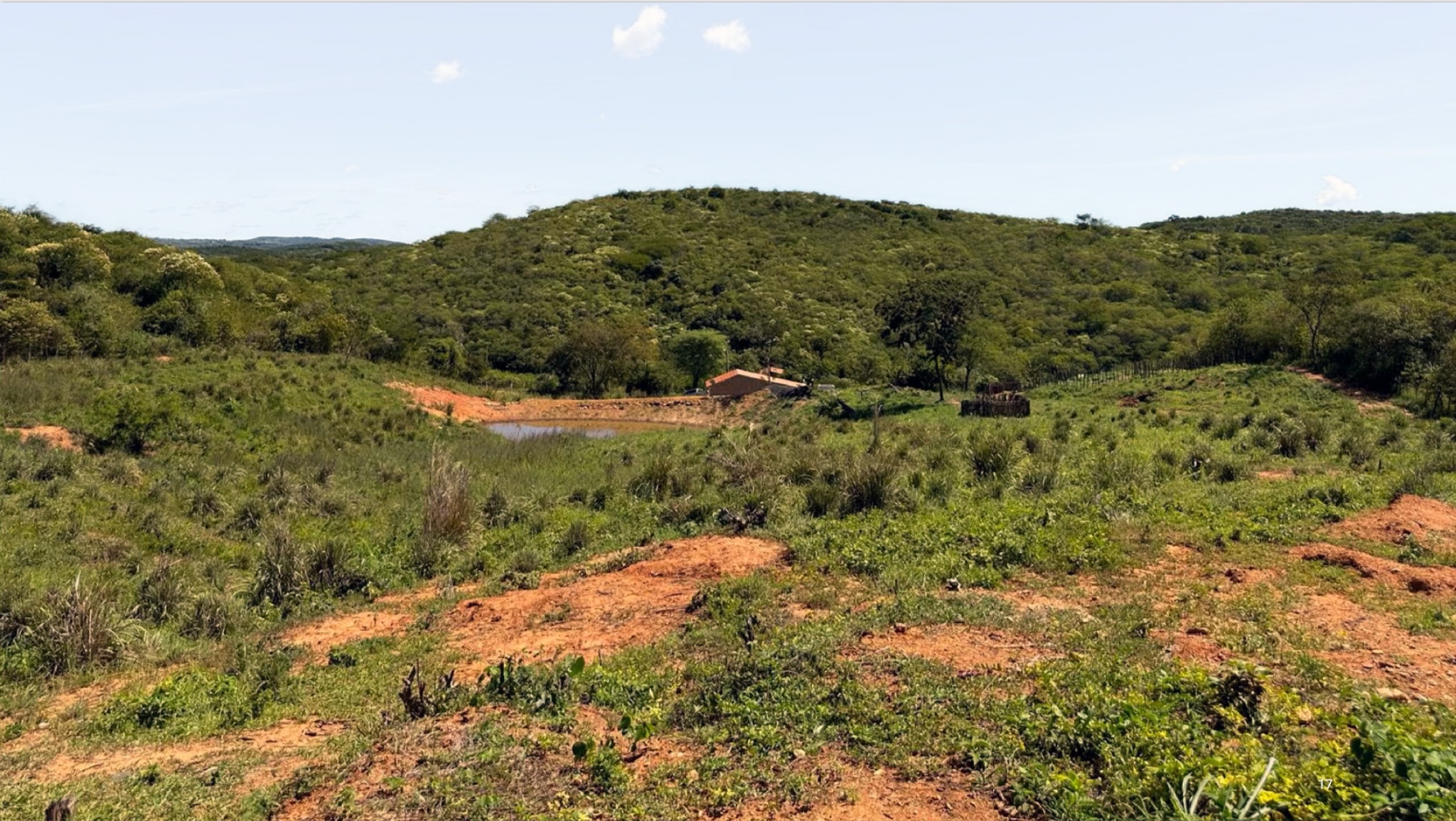
The project's physical location offers distinct logistical advantages. It is situated approximately 20 minutes west of Cheyenne and three miles north of Interstate 80. Road, power, and water are available, and labour is accessible nearby. The operation requires no man-camp, allowing for a short commute that integrates the workforce into the local economy. This logistical footprint fundamentally alters the project's capital and operating risk profile. The site will utilise competitive power pricing from regional generation and employ vacuum filtration for dry-stack tailings to recycle water and minimise consumption.
President and Chief Executive Officer of US Gold Corp., George Bee, highlighted this structural advantage:
“So the thing is that, unlike many projects out in the back of beyond, and I've been in the back of beyond building those projects, we have all the resources. So, as you look at our capital cost, you know it benefits from having all that infrastructure nearby."
How CK Gold Navigated the Wyoming Permitting Process
US Gold Corp navigated the CK Gold Project through a state-only pathway. The project sits on Wyoming State land, meaning no direct federal involvement was required. The US Army Corps of Engineers confirmed the project footprint does not impact waters of the US. The permitting process involved approximately two years of preparatory work and approximately 20 months of agency review and optimisation from submission to approval. The company conducted continuous social outreach, including more than 200 separate meetings involving over 300 individuals, ranging from the Governor of Wyoming to regulatory agencies, local landowners, and community members.
This local engagement extended to binding municipal agreements. The company successfully navigated an Outside Water Users Agreement, secured water purchase approvals from the Cheyenne City Council, and coordinated with Wyoming State Parks regarding the nearby Curt Gowdy State Park. This municipal engagement culminated in the Wyoming Industrial Siting Council approving the Industrial Siting Permit unanimously in June 2023. The Mineral Lease royalty rate is 2.1%, with revenues earmarked for Wyoming State education funding. The project is expected to generate approximately 255 direct local jobs.
The Permitting Trade-Off: Timeline Certainty at a Cost
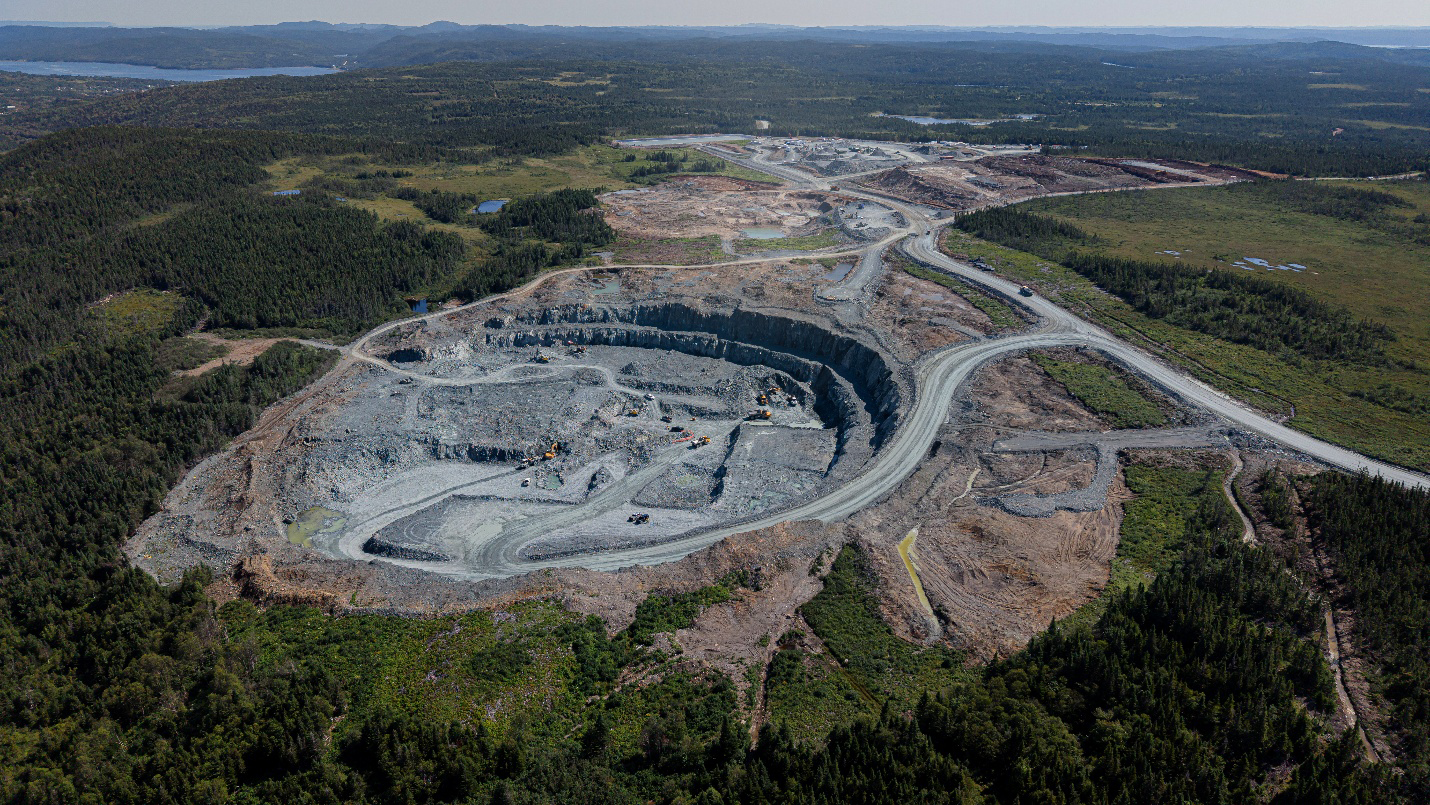
Securing the state-only permitting pathway required a geological trade-off. The current mine plan reflects a pit intentionally constrained by permitting boundaries to ensure only state-level approval was required. The consequence is that approximately 900,000 gold equivalent ounces of mineral resource sit within the mineral resource pit but are not included in the feasibility study (FS) production schedule. Incorporating existing resources below the current pit would require future permit amendments.
The completed FS, published in March 2026, quantifies the base case of that constrained plan with a $632 million after-tax net present value at a 5% discount rate (NPV5%) at base-case metal prices of $3,250 per ounce gold, $4.50 per pound copper, and $40 per ounce silver. The $394 million initial capital expenditure (capex) required for construction is the next financing step the company must complete.
President and Chief Executive Officer of US Gold Corp., George Bee, highlighted this structural advantage:
“What we did was we focused on that first resource and reserve, because to grow it, which it will grow, doesn't mean anything until you've got a value proposition and a permit."
Strategic Relevance: Timeline & Construction Decision
With permitting complete and the FS published, a construction decision is expected in 2026. The company held $36.1 million in cash as of January 2026 and is exploring traditional and non-traditional funding sources, including vendor financing for the $394 million initial capex requirement. For the broader market, CK Gold’s fully permitted status represents a distinct strategic advantage. As capital returns to the resource sector, the ability to deploy it immediately into a de-risked asset is rare. The current constrained pit is not the geological limit of the asset.
Bee noted the upside that sits outside the current permitted boundary:
"With the CK Gold Project, we just focused on the first million ounces of gold and 260 million pounds of copper contained. We know that we bottom out in mineralisation. A fairly modest exploration program can potentially double our mine life."
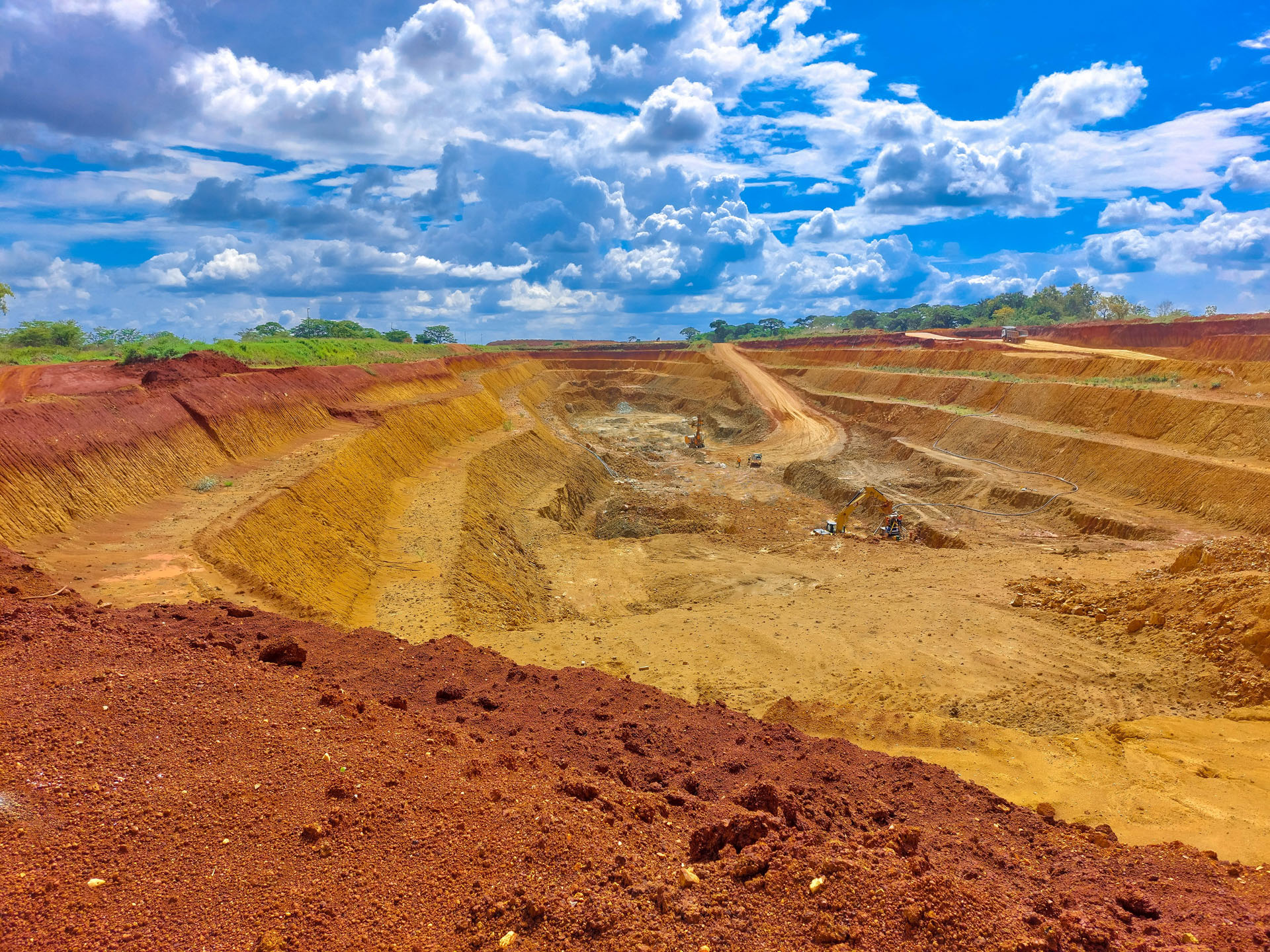
The project is structurally aligned with local socioeconomic priorities. The project also retains optionality through potential waste rock monetisation and post-mining water storage use cases. Finally, a potential alternative closure scenario envisions the exhausted open pit serving as a future water storage facility. This plan would utilise planned connections to the Cheyenne Board of Public Utilities, eliminating the need for the city to create additional water storage to cater to its future growth while preserving recreational facilities around local parks.
Investment Thesis for US Gold Corp
- US Gold Corp is advancing the fully permitted, shovel-ready CK Gold Project in southeast Wyoming.
- The project's development pathway reflects how regulatory strategy directly shaped mine design: to secure a state-only permitting process and avoid federal involvement, management intentionally constrained the reserve pit boundary.
- That constraint excluded approximately 900,000 gold equivalent ounces from the current production schedule, leaving identified production potential at current recoveries outside the current mine plan. Incorporating those resources would require future permit amendments.
- The strategy delivered timeline certainty, with all major operating permits secured through an approximately 20-month state-level process and a construction decision expected in 2026.
- The completed feasibility study quantifies the economics of the permitting-optimised mine plan with a $632 million after-tax net present value at a 5% discount rate at base-case pricing, with construction financing of $394 million the next step required.
CK Gold's permitting structure and mine design are directly linked. The state-only pathway compressed development timelines, and the mine plan it produced is, by design, not the full extent of the resource. The construction financing for the $394 million initial capital expenditure is the next step the company must complete.
TL;DR
The CK Gold Project advanced through an approximately 20-month state-level agency review process, avoiding federal triggers to become fully permitted on Wyoming State land. The pit was intentionally constrained to state land boundaries to secure that pathway, leaving approximately 900,000 gold equivalent ounces outside the current production schedule. A construction decision on the $394 million initial capex is expected in 2026, with an 18 to 24-month build and potential operations starting by the end of 2027 or 2028.
FAQs (AI Generated)
The project sits entirely on Wyoming State land, meaning no direct federal involvement was required. The US Army Corps of Engineers confirmed the project footprint does not impact waters of the US.
The pit was intentionally constrained by permitting boundaries to ensure only state approval was required. As a result, approximately 900,000 gold equivalent ounces of mineral resource sit outside the current FS production schedule. Incorporating those resources would require future permit amendments.
The FS, completed in March 2026, returns a $632 million after-tax net present value at a 5% discount rate at base-case pricing. The $394 million initial capital expenditure required for construction is the next financing step.
The project is expected to generate approximately 255 local direct jobs. The Mineral Lease includes a 2.1% royalty, with revenues earmarked for Wyoming State education funding.
A construction decision is expected in 2026. Management has referenced an 18 to 24-month build, with potential operations starting by the end of 2027 or 2028.
Analyst's Notes





Subscribe to Our Channel





Stay Informed






















