




Hycroft Mining: How Brownfield Infrastructure & High-Grade Silver Shift the Peer Comparison


Hycroft Mining trades at US$2 per silver-equivalent ounce versus a developer median of US$3, backed by 562.6 million ounces of silver, zero debt, and $189 million in cash.
- Hycroft Mining holds a Measured and Indicated (M&I) resource of 16.4 million ounces of gold and 562.6 million ounces of silver, established in an Initial Assessment Technical Report filed February 18, 2026, at metal prices of $3,100 per ounce of gold and $36 per ounce of silver.
- The company's enterprise value per silver-equivalent ounce stands at US$2 below the silver developer peer median of US$3 per ounce and the silver producer median of US$8 per ounce, per Bank of Montreal (BMO) Capital Markets benchmarking analysis dated February 9, 2026.
- Hycroft reported cash and cash equivalents of US$189 million and zero debt as of March 31, 2026, providing a funded runway of more than 3 years without returning to equity markets.
- An initial high-grade silver resource within the Brimstone and Vortex systems totals 90.2 million ounces of M&I silver and 299 thousand ounces of M&I gold at a 68.57 grams per tonne cutoff grade, with mineralisation confirmed open along strike and at depth.
- Two Preliminary Economic Assessments (PEAs) are in progress: the sulfide milling PEA targeting the second quarter of 2026 and the high-grade underground PEA for Brimstone and Vortex targeting early 2027, representing the key catalysts for a re-rating of the current valuation discount.
Why the Valuation Gap Exists
Per the Bank of Montreal (BMO) Capital Markets benchmarking analysis dated February 9, 2026, Hycroft Mining’s (NASDAQ: HYMC) 2,140 million-ounce silver-equivalent resource is the largest among silver developers by a factor of more than 3x versus the peer median of 298 million ounces silver equivalent. Despite this scale, its enterprise value per ounce silver equivalent of US$2 sits at the bottom of the silver developer group, below the developer median of US$3 per ounce. Fresnillo, a producing peer with 5,766 million ounces of silver equivalent, trades at US$7 per ounce. The 1.2 percentage-point gap between Hycroft's in-situ enterprise value ratio of 2.2% and the silver developer median of 3.4% represents a discount that widens in absolute dollar terms as the resource base scales beyond the peer group.
The gap is attributable to the absence of published mine economics, not resource quality. Hycroft has no production revenue, no completed feasibility study (FS), and no mine plan published for either the large-scale sulfide milling operation or the high-grade underground systems. Two Preliminary Economic Assessments (PEAs) are now in progress: the sulfide milling assessment is confirmed for the second quarter of 2026 per the April 28, 2026, press release, and a separate assessment for Brimstone and Vortex targeting early 2027. Until both documents are published with net present value (NPV) and internal rate of return (IRR) outputs, the US$6-per-ounce gap relative to the silver producer median of US$8 remains unaddressed.
The Brownfield Advantage: Infrastructure No Greenfield Developer Can Match
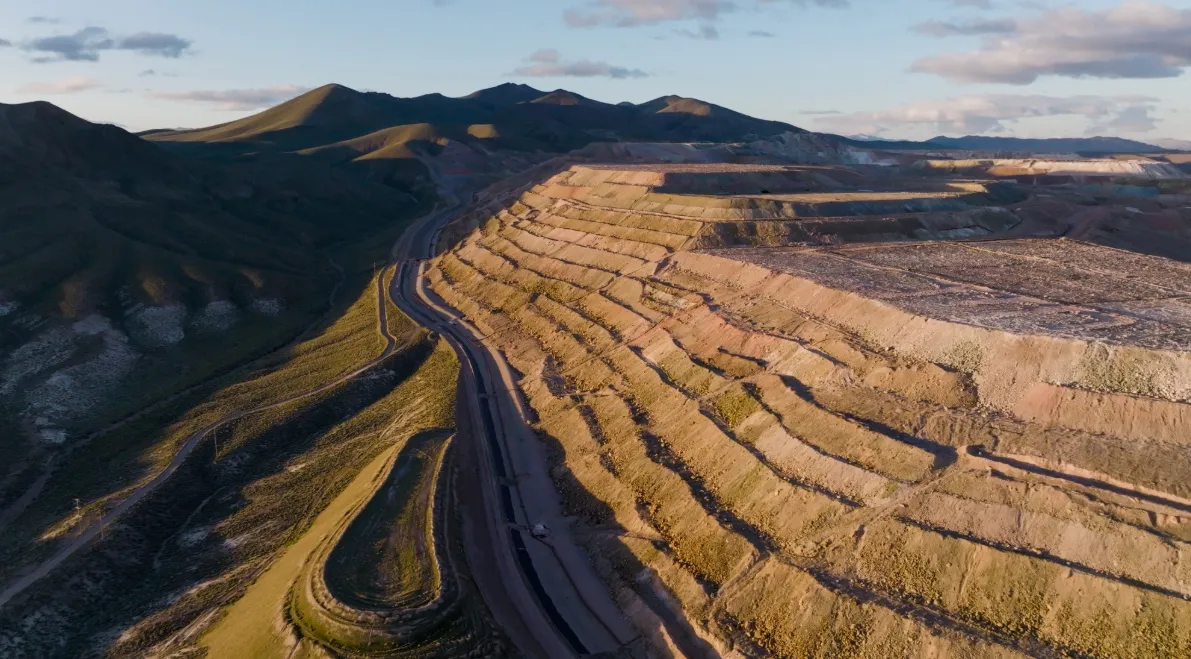
Hycroft operated as a heap leach mine from the 1980s through 2021. Physical assets remaining on site include 2 Merrill-Crowe processing facilities, a crusher and conveyor belt circuit, a permitted new leach pad available for ore loading, an on-site laboratory, administrative and maintenance buildings, a truck shop, warehouse facilities, power, and water. The company has estimated the replacement value of this infrastructure at more than $1 billion. Greenfield developers must budget the full capital cost before reaching first production; Hycroft does not, thereby reducing the front-end capital expenditure requirement at the initial development stage.
Hycroft already holds heap leach and milling permits for the site. The Union Pacific rail line running through the property provides a transport route for concentrate sales without requiring new road construction. High-grade concentrate produced from a 3,500 to 5,000 tonnes-per-day operation targeting Brimstone and Vortex could be trucked or railed to an existing processing facility in the region, eliminating the need to construct a full back-end plant and reducing the capital outlay required to reach first revenue.
The High-Grade Resource: What Changed in 2026
Prior to the 2023 discovery of Brimstone and Vortex, Hycroft was classified by the market as a low-grade bulk deposit with a gold-equivalent grade below 0.5 grams per tonne, placing it in the gold developer peer group with correspondingly lower silver developer multiples. The 2026 Initial Assessment Technical Report, filed February 18, 2026, at $3,100 per ounce gold and $36 per ounce silver, established a separate high-grade silver resource at underground cutoff grades, reclassifying the primary value driver from bulk gold to high-grade silver and shifting the relevant peer comparison from gold developers to silver developers.
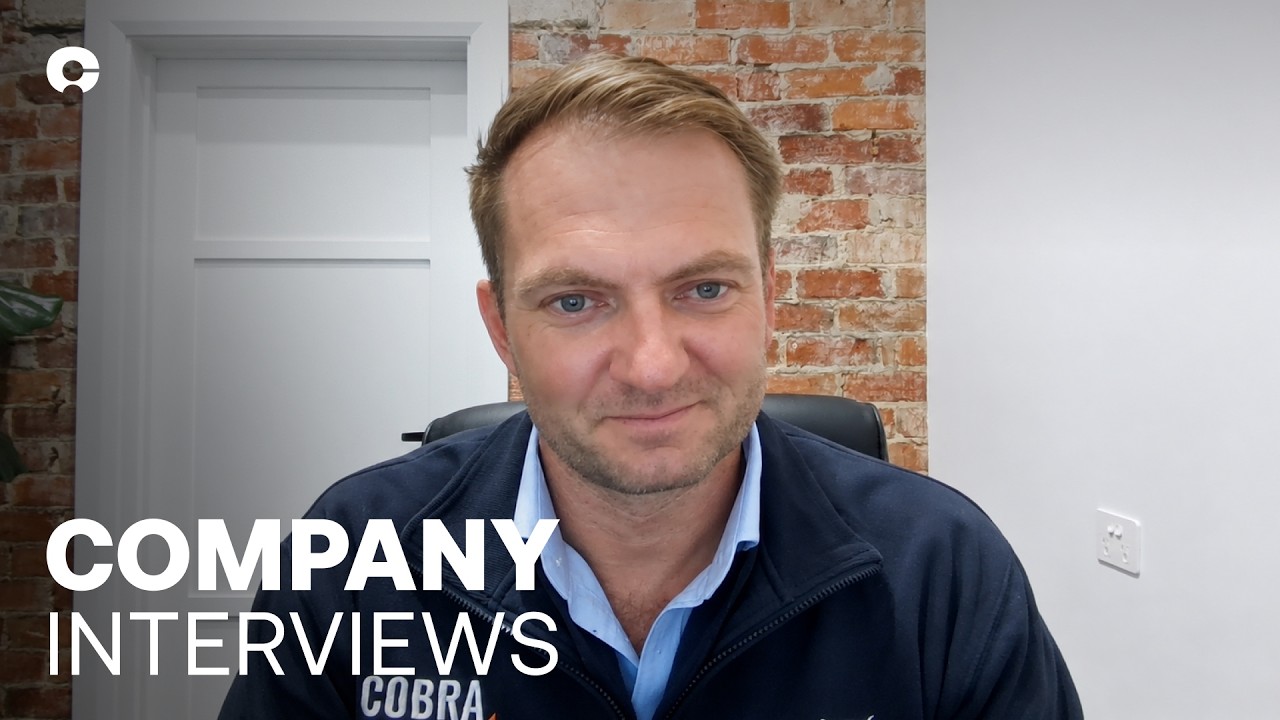
President and Chief Executive Officer of Hycroft Mining, Diane Garrett, outlined how the discovery shifted the market's perception of the asset:
"The high-grade, nobody thought there was high-grade at Hycroft, and so this is the game-changer, and this is what's attracting the attention of the market, and this is, this is the focus of the institutions."
At a 68.57 grams per tonne silver cutoff grade, the Brimstone system carries 3,198 thousand tonnes at 269.54 grams per tonne silver and 0.368 grams per tonne gold. The Vortex system carries 14,940 tonnes at 130.14 grams per tonne of silver and 0.543 grams per tonne of gold. The silver-to-gold ratios of 3,000:1 at Brimstone and 600:1 at Vortex define these as primary silver systems, with silver as the primary revenue driver and gold as a byproduct credit. The 2025 drill program extended Vortex approximately 150 meters westward, returning 53.4 meters at 304.14 grams per tonne of silver, and extended Brimstone approximately 150 meters down-dip, returning 35.5 meters at 542.78 grams per tonne of silver. Both systems remain open along strike and at depth.
Balance Sheet: Debt Elimination as a Re-Rating Mechanism
Hycroft entered 2025 carrying debt inherited from a predecessor company, accruing at approximately $1 million per month. That structure functioned as a barrier to institutional equity ownership, as any equity position would have been subordinate to a growing senior obligation. Through private placements with Eric Sprott and Tribeca Asset Management, followed by a single-day institutional transaction that retired all outstanding debt.
Garrett explained the institutional barrier:
"When you're a non-cash-flowing developer, you shouldn't have debt on your balance sheet; that's what we believe, and so any institution wanting to take a position in the company, their equity would be at risk. I mean, the debt wasn't due until 2027, but it was growing at about a million dollars a month, so you can't outrun that when you're not a cash-flowing company."
The debt-free balance sheet with US$189 million in cash as of March 31, 2026, provides a funded runway of more than 3 years per company disclosure, covering both PEA publication milestones without additional equity issuance.
Development Pathway: Sequencing High-Grade First
Rather than advancing the large-scale sulfide milling operation first, management has disclosed a plan to advance Brimstone and Vortex as the initial production stage at 3,500 to 5,000 tonnes per day. The two PEAs' structures formalise this sequencing: the sulfide milling assessment in the second quarter of 2026 establishes the economics for the large-scale option, while the high-grade underground assessment targeting early 2027 establishes the economics for the lower-capital-expenditure first-production path.
Garrett, explained the operational basis for this sequencing:
“Because it would be a smaller operation, 3500-5,000 tonnes a day, we could produce a high-quality concentrate and then sell that concentrate and not have to build the back end of the plant. That gives us a lot of optionality to look at.”
An engineering firm has been engaged to evaluate a decline installation through the Brimstone pit. If constructed at production dimensions, the decline would serve both the exploration phase and eventual underground mining, allowing exploration capital to be carried forward into production infrastructure.
Development Risk: What the PEAs Cannot Yet Resolve
Permitting and reserve conversion represent secondary risk factors. The company holds permits for heap leach and milling operations, but management has disclosed that some permit modifications may be required for the underground development option. Hycroft is located in Nevada, a favourable mining jurisdiction that leads the nation in mining activity in the lower 48 states, indicating a low baseline permitting risk relative to global peers.
Mineral resource estimates (MREs) are not mineral reserves, and detailed economic considerations or modifying factors for mine and process design have not been applied. Both PEAs, when published, will provide preliminary economics but do not represent mineral reserves, meaning the net present value and internal rate of return figures they contain will reflect preliminary estimates rather than economic viability.
Investment Thesis for Hycroft Mining
- Largest silver resource among silver developer peers: Hycroft Mining holds 562.6 million ounces of Measured and Indicated silver and 16.4 million ounces of Measured and Indicated gold, the largest silver resource among silver developers in the BMO Capital Markets benchmarking analysis dated February 9, 2026, yet trades at US$2 per ounce silver equivalent versus the developer peer median of US$3 per ounce.
- Valuation discount is a function of absent mine economics, not asset quality: The 1.2 percentage-point gap between Hycroft's in-situ enterprise value ratio of 2.2% and the silver developer median of 3.4% closes when mine economics are published. Two Preliminary Economic Assessments provide that mechanism: the sulfide milling assessment targeting the second quarter of 2026 and the high-grade underground assessment for Brimstone and Vortex targeting early 2027.
- Brownfield infrastructure removes the largest greenfield capital expenditure barrier: On-site assets - including 2 Merrill-Crowe facilities, a permitted leach pad, power, water, and administrative infrastructure - carry an estimated replacement value of more than $1 billion per company disclosure, eliminating costs greenfield peers must fund before reaching first production.
- Zero debt and US$189 million in cash funds, both Preliminary Economic Assessment milestones without equity issuance: The debt-free balance sheet as of March 31, 2026, provides a funded runway of more than 3 years per company disclosure, removing dilution risk through both catalyst events.
- Both high-grade systems confirmed open, with resource growth probable ahead of the 2027 underground assessment: Brimstone and Vortex carry a combined 90.2 million ounces of Measured and Indicated silver at underground cutoff grades. The 2025 to 2026 drill program extended each system beyond its prior defined limits, indicating the early 2027 resource base will likely exceed the current estimate.
- Initial production plan targets highest-grade material first at the lowest capital expenditure threshold: A 3,500 to 5,000 tonne per day underground operation at Brimstone and Vortex is designed to reach first revenue by selling concentrate without constructing the full back-end processing plant, reducing initial capital expenditure intensity relative to the large-scale sulfide milling alternative.
Hycroft's discount to both silver developer and silver producer medians reflects absent mine economics, not resource scale or balance sheet position. The sulfide milling assessment in the second quarter of 2026 and the high-grade underground assessment in early 2027 are the sequential mechanisms to close that gap, both funded from existing cash.
TL;DR
Hycroft Mining trades at US$2 per ounce silver equivalent versus a silver developer median of US$3 and a producer median of US$8, according to BMO Capital Markets on February 9, 2026. The discount stems from a lack of published mine economics, not resource quality or balance sheet strength. With 90.2 million ounces of high-grade Measured and Indicated silver at Brimstone and Vortex, more than $1 billion in existing brownfield infrastructure, zero debt, and $189 million cash as of March 31, 2026, the company leads silver developers on scale. Sequential catalysts include the sulfide milling PEA in the second quarter of 2026 and the high-grade underground PEA in early 2027.
FAQs (AI-Generated)
Analyst's Notes





Subscribe to Our Channel


.png)
.png)

Stay Informed






















