




Kasiya's Rare Earth Layer: 7 Compliance & Logistics Checks Before the 2027 Pre-Feasibility Study


Kasiya's rare earth Scoping Study leaves 7 compliance and logistics checks open, from Class 7 handling to Malawi licensing, before a 2027 pre-feasibility study.
Where the Scoping Study Hands Off to Regulators
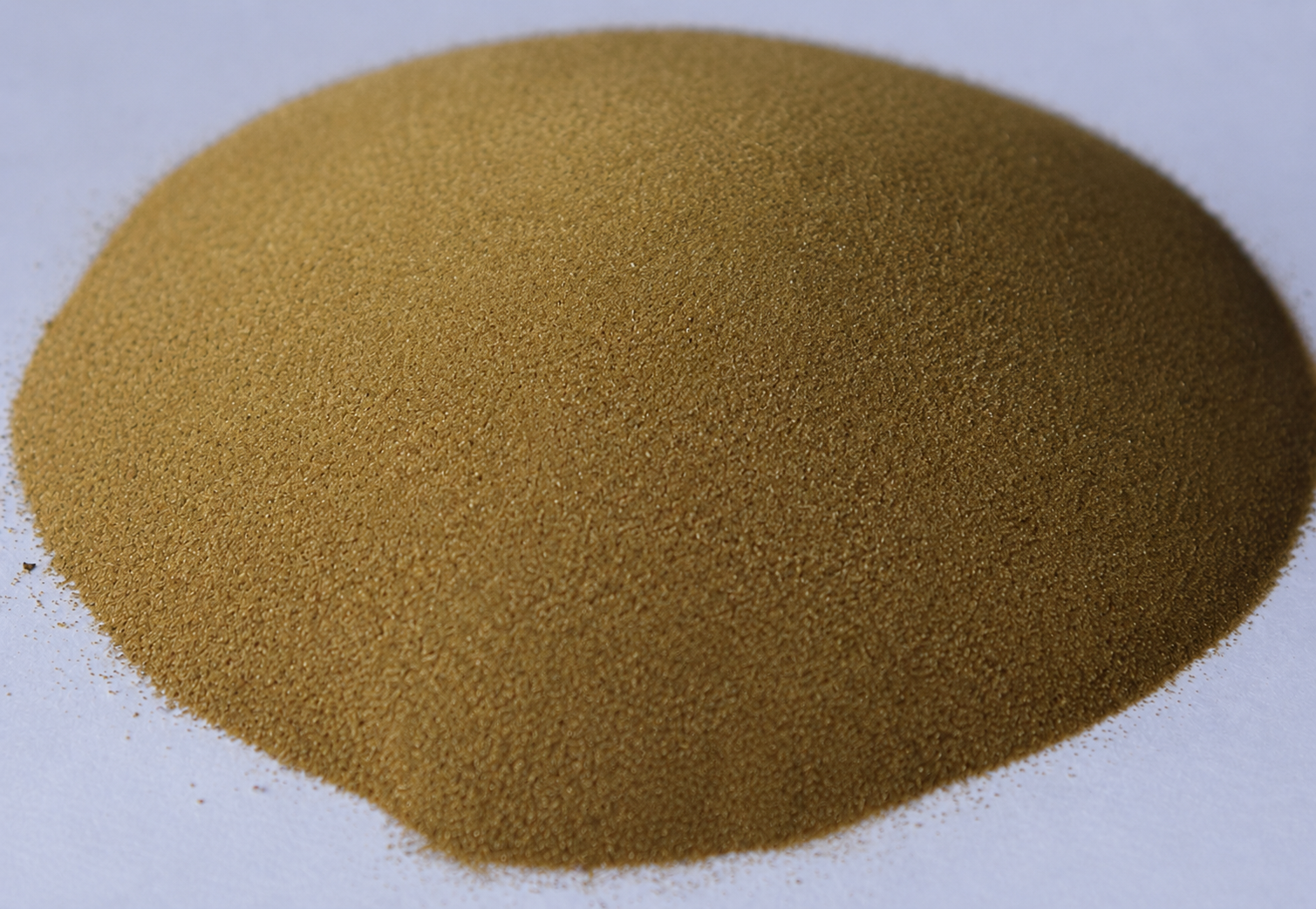
Sovereign Metals Limited (ASX: SVM | AIM: SVML | OTCQX: SVMLF) released a Scoping Study on September 9, 2026 for a monazite rare earth concentrate (REC) by-product at the Kasiya Critical Minerals Project in Malawi. The concentrate would come from the non-conductor stream that the April 2026 definitive feasibility study (DFS) flowsheet already generates, leaving the mine plan, ore reserve, and throughput unchanged. The Study estimates incremental capital of US$29 million to first production and site operating costs of US$0.90 per kilogram of REC.
With the ore, flowsheet, and capital already framed, the open items sit elsewhere. The concentrate contains naturally occurring thorium and uranium and would travel by a different route from Kasiya's rutile and graphite. That puts classification, transport approvals, and government terms on the path to the pre-feasibility study (PFS) that Sovereign is targeting for 2027. The 7 checks below map that path.
1. Thorium & Uranium Content Puts the Concentrate Under Class 7 Controls
Sovereign's analyses report thorium oxide and uranium oxide within the monazite composition. The Study assumes Class 7 controls, subject to final classification and permits. Its allowances include controlled-access storage and handling areas, sealed and compliant packaging, monitoring and dosimetry as required, trained personnel, emergency-response planning, real-time tracking and security controls.
The classification outcome sets the packaging, handling and licensing requirements that then flow into cost and route. Final product classification is the first item on the Study's list of matters still requiring confirmation. Investors should focus on when that classification is settled, because the remaining logistics items depend on it.
2. Customers Must Accept the Radionuclide Content, Not Only Regulators
The Study lists variability, optimization, radionuclides, and qualification as key remaining work. Final radiological risk assessment, activity-concentration testing and package design are also scheduled as the project advances. Product specification, payability, impurity limits, customer qualification, radionuclide acceptance and final commercial terms all remain subject to confirmatory testwork and customer engagement.
Payability carries the revenue assumption, at 50% in the Base Case and 60% in the Western Supply Case. Those terms remain among the items to be confirmed. Sovereign plans to send REC samples from its Lilongwe facilities to prospective customers, with offtake discussions with Western processors and government procurement programs commencing immediately. Customer feedback on radionuclide levels and payability is the commercial counterpart to the regulatory work.
3. The Export Route Runs Through Dar es Salaam, Not Nacala
The DFS base case moves rutile and graphite by road and rail to the Port of Nacala in Mozambique. The Study's base-case route for the concentrate is road haulage to the Port of Dar es Salaam in Tanzania, with onward shipping to the US. Sealed drums would travel in 20-foot containers, 1 container per truck, in convoys of up to 4 trucks with emergency-response capability, security escorts as required, journey management and real-time tracking. The indicative shipment basis is 4 to 7 containers per month at approximately 26 tonnes per container.
Approvals for Class 7 material, customs, border, port and export are required in both Malawi and Tanzania. The Study also flags packaging and payload, shipping availability, container cycles, documentation and potential demurrage as items to confirm. The concentrate's route therefore adds Tanzanian approvals to the Malawian ones. Sovereign targets confirming the final shipment frequency, route-specific costs, and port arrangements in the next study phase. Investors should focus on whether the PFS confirms the route and approvals in both countries.
4. Compliance Is Priced In, at Scoping Study Accuracy
Off-site costs of US$0.48 per kilogram of REC, principally Class 7-compliant road transport to Dar es Salaam and port charges, account for approximately 35% of total free-on-board operating costs. The Study attributes them to the specialist packaging, handling, documentation and transport requirements of a concentrate containing thorium and uranium. Site cash cost of US$0.90 per kilogram rises to US$1.39 free on board at Dar es Salaam, US$3.68 delivered to Houston, Texas after US$1.93 in mineral royalties and US$0.36 in sea freight, insurance, and surcharges, and US$3.85 with other regulatory fees. The US$29 million capital estimate includes Class 7 handling provisions.

The sensitivity table shows the value is most sensitive to the rare earth basket price and discount rate. A 30% change in selling expenses moves pre-tax net present value at an 8% discount rate only between US$718 million and US$727 million against the US$722 million base case. The estimates carry plus-or-minus 30% accuracy and will be refined through testwork, logistics studies, product classification and supplier quotations. Investors should watch whether the classification and quotations change the off-site line, since it is the cost most exposed to the compliance outcome.
5. The Mining License & Malawi Fiscal Terms Are Still Open
After the April 2026 DFS, Sovereign applied for a Mining License covering the DFS and Scoping Study areas, and the application specifically includes rare earth oxides. The Company holds 100% of the relevant licenses through its Malawi subsidiaries and notes no known issues or impediments to obtaining the Mining License in the normal course of business.
Under the 2023 Mines Act, the Government of Malawi has a right to equity in large-scale mining licenses, defined as more than 5 million tonnes mined per annum or more than US$250 million of capital cost. The right is a matter of negotiation, likely handled in a Mine Development Agreement. The agreements signed by Mkango Resources Limited and Lotus Resources Limited included a 10% non-diluting government interest.
Sovereign also notes uncertainty in how Malawian mining tax law applies. The government has proposed a supernormal profits tax under which profits up to MWK 10 billion (approximately US$6 million) are taxed at the standard income tax rate of 30% and profits above that at 40%, and the Mkango and Lotus agreements are exempt. Until Kasiya's own fiscal terms are known, the Study's headline results are reported on a pre-tax basis. Investors should focus on when the Mining License is awarded and the fiscal terms are set.
6. Rio Tinto & International Finance Corporation Review Already Cover the Environmental & Social Base
The Environmental and Social Impact Assessment and the environmental, social and governance workstreams draw on multi-season baseline studies, trial mining, soil-rehabilitation programs and agricultural livelihood-restoration programs. The workstreams include developing an Environmental and Social Management System aligned with the International Finance Corporation (IFC) Performance Standards and have received substantial review from Rio Tinto experts through workshops, site visits, and stakeholder engagement. The DFS assesses mining, processing, tailings, infrastructure, and environmental and social disciplines.
Sovereign's Collaboration Agreement with the IFC provides a pathway to project financing focused on debt, and the IFC holds rights to participate as lender, mandated co-lead arranger, and/or investor. Chief Commercial Officer of Sovereign Metals, Sapan Ghai, described why lenders look for that alignment:
"The fact that we have the actual IFC telling us that you now have those performance standards baked in is just signaling to any future lender that we have ticked that box immaculately."
The concentrate-specific piece is still to be added to that framework. Final radiological risk assessment, management plans and stakeholder engagement will be completed as the project advances, and the rare earth scope requires final legal, regulatory and specialist confirmation before operations commence. Investors should focus on when the concentrate-specific radiological assessments are completed within that framework.
7. First Production Is Timed From Financial Closure, Not a Calendar Date
Sovereign is targeting PFS completion in 2027, with rare earths integrated into Kasiya's definitive development case. The Study schedules first concentrate production 2.5 years after Financial Closure for Phase 1 and 5 years after the start of Phase 1 for Phase 2. It assumes the DFS project is funded, constructed, and operated broadly as scheduled. Because the Study measures first production from Financial Closure rather than a calendar date, the compliance items would need to close within the 2.5 years following Financial Closure for Phase 1.
The Study rests on a maiden monazite Mineral Resource of 524.4 million tonnes at 0.0132% monazite, classified 74% Indicated and 26% Inferred. It carries plus-or-minus 30% accuracy and does not support an Ore Reserve for the additional products. It also notes that additional funding will likely be required to achieve its range of outcomes. Investors should focus on whether the PFS confirms the classification, route, and approvals, since those set the date the concentrate can ship.
Key Takeaways for Investors
The Scoping Study indicates the rare earth layer could potentially be recovered from streams the definitive feasibility study already produces. That leaves the remaining questions with classification, transport, government terms, and customer acceptance. The next disclosures that address them are:
- Final product classification and the radiological risk assessment for the rare earth concentrate.
- Customer feedback on samples from the Lilongwe facilities, including radionuclide acceptance and payability terms.
- Confirmation of the Dar es Salaam route and the Malawi and Tanzania approvals for Class 7 material.
- Award of the Mining License, including rare earth oxides, and the fiscal terms that would allow a firmer post-tax view.
- Integration of rare earths into Kasiya's definitive development case in the pre-feasibility study targeted for 2027.
Bottom Line
Kasiya's rare earth layer draws on streams the DFS already produces, so its open items are regulatory and commercial: Class 7 classification of a concentrate containing naturally occurring thorium and uranium, Malawian and Tanzanian approvals on a Dar es Salaam route, customer acceptance of radionuclide levels, and the Mining License and fiscal terms. The Scoping Study has plus-or-minus 30% accuracy and does not support an Ore Reserve for the additional products, so closing those items would move the estimates toward a definitive case in the pre-feasibility study targeted for 2027.
Analyst's Notes





Subscribe to Our Channel




Stay Informed


