




Western Pivot from China Could Fuel Africa’s Critical Minerals Growth


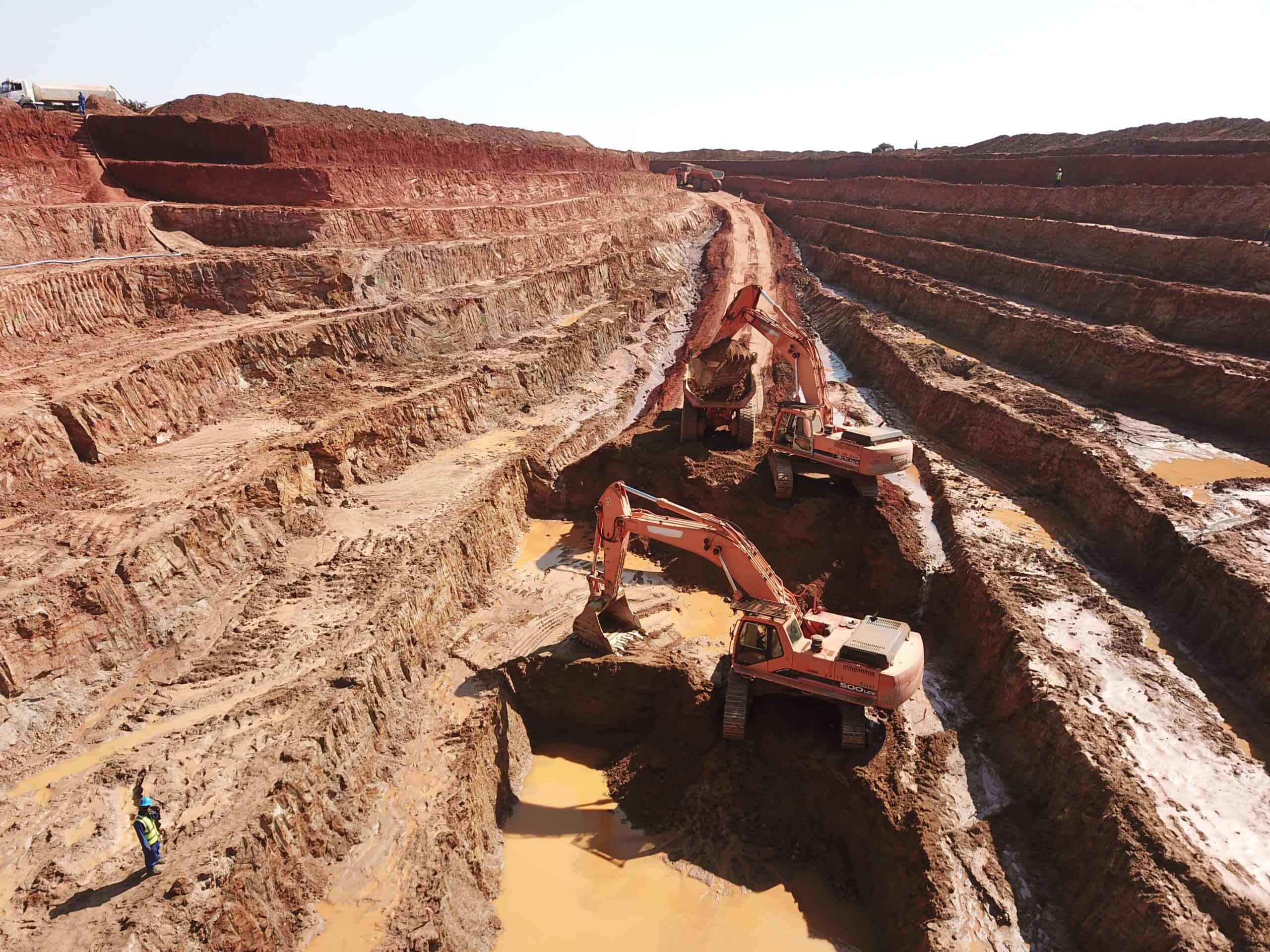
Western efforts to reduce reliance on China could direct capital to cost-competitive African rare earth, graphite, and rutile projects.
- China’s export controls on seven heavy rare earth elements and graphite anode materials have raised supply risk for Western manufacturers, strengthening the case for financing qualified non-Chinese projects.
- International Energy Agency (IEA) reports US$65 billion of public financing commitments in 2025, but project funding still depends on competitive costs, completed studies, and buyer access.
- Africa holds at least 25% of graphite reserves yet captures under 1% of clean-energy manufacturing value, making local processing a route to diversified supply and higher domestic revenue.
- Western sourcing policies direct financing and procurement toward graphite and rare earth supply, while natural rutile broadens potential revenue across aerospace, defense, welding, and pigment markets.
- Development-stage projects with low-cost by-product recovery, shared infrastructure, and qualified products are better positioned to secure capital as governments finance and manufacturers procure non-Chinese supply.
Chinese Export Controls Raise the Value of Non-Chinese Supply
IEA reports that dominant refining countries accounted for more than 75% of global refined-supply growth during the two years through 2025, converting geographic concentration into a measurable industrial risk. China led refining for most energy minerals and supplied nearly all additional graphite output over that period, leaving Western manufacturers dependent on Chinese export approvals. Licensing delays or restrictions can therefore raise input costs, reduce factory utilization, and redirect procurement toward qualified non-Chinese suppliers with reliable delivery.
Rare Earth Controls Increase the Cost of Supply Dependence
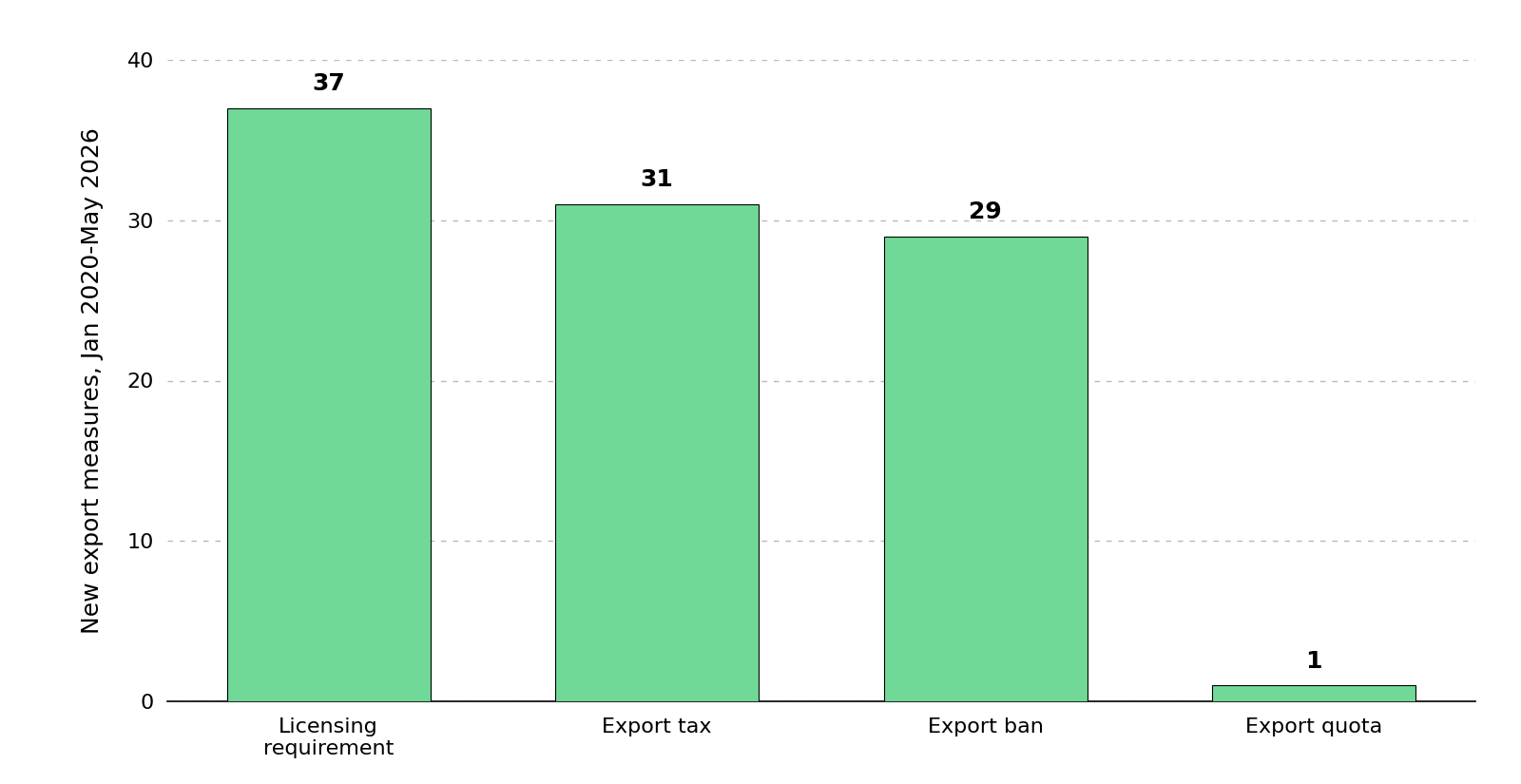
China introduced export controls covering seven heavy rare earth elements (REEs) in April 2025, including dysprosium, terbium, samarium, gadolinium, and yttrium. Because these materials support permanent magnets, thermal-barrier coatings, electronics, aerospace, and defense, export licensing can raise costs or delay production across high-value industries. Expanded controls announced in October 2025 were suspended until November 2026, but the April licensing requirements remain in force. In September 2026, yttrium shipments to the US had become intermittent and resulting shortages had caused production stoppages in parts of the coatings supply chain.
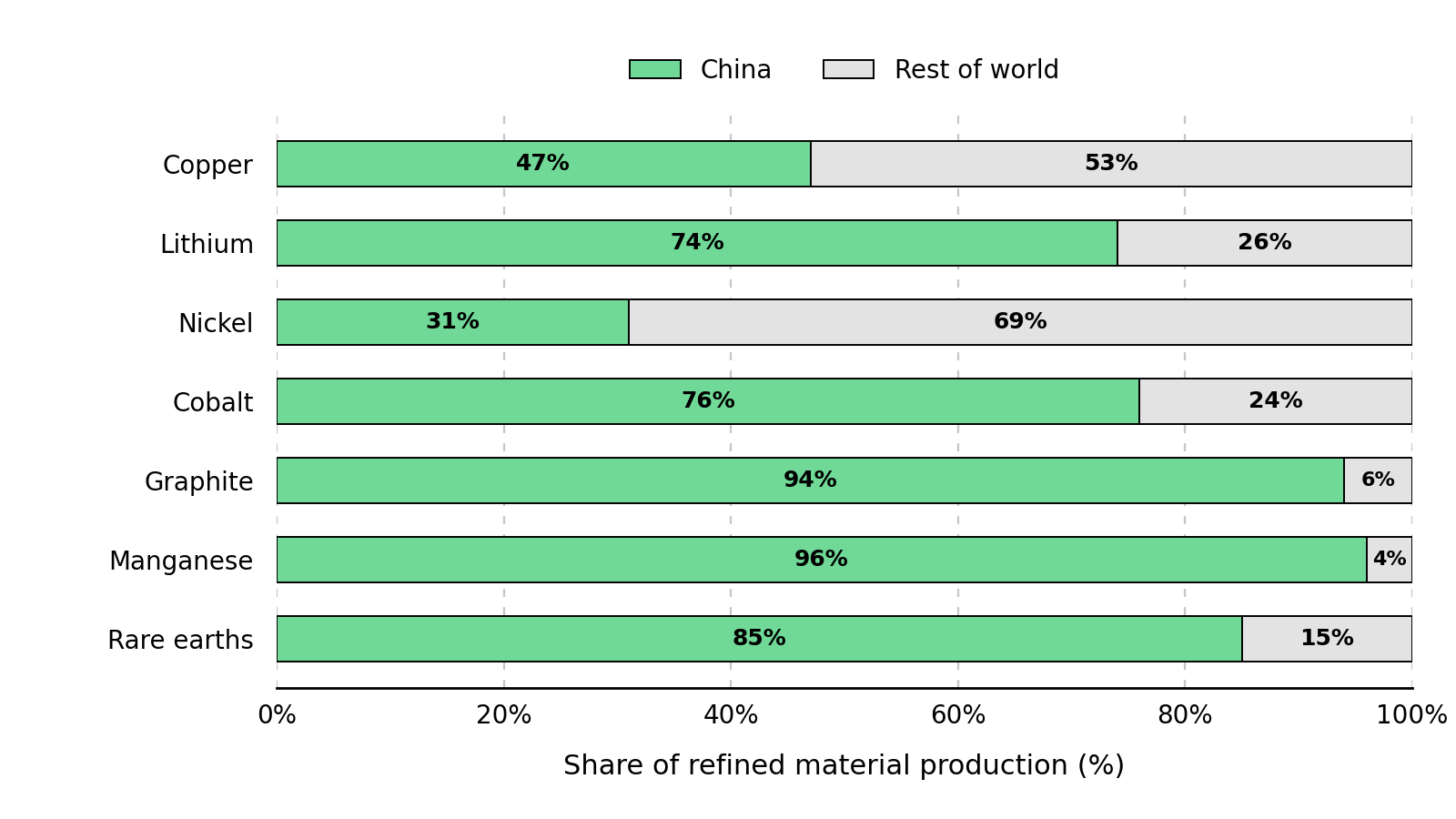
IEA estimates that fully implemented rare earth export restrictions could place US$6.5 trillion in annual downstream production outside China at risk. European dysprosium and terbium prices were approximately five times Chinese domestic prices in 2026, raising input costs for manufacturers sourcing outside China. China’s rare earth refining share fell from more than 90% in 2023 to approximately 85% in 2025, but its share is projected to remain 70%-73% in 2035 even if all announced projects proceed. Alternative mines therefore require matching investment in separation, refining, alloy production, and magnet manufacturing before their output can reduce reliance on Chinese supply.
Graphite Concentration Raises the Value of Alternative Supply
Graphite concentration extends beyond mining into battery processing, exposing manufacturers to disruptions across several connected production stages. China is projected to supply more than 85% of battery-grade graphite by 2030 and processed 70%-95% of global lithium, cobalt, phosphate, manganese, and graphite in 2025. It also produced 98% of lithium iron phosphate cathode materials and 80% of battery cells, allowing restrictions on materials or equipment to raise costs throughout the battery supply chain.
China expanded export controls in October 2025 to cover graphite anode materials, cathode products, and battery-manufacturing equipment. A full disruption to battery-grade graphite trade could place more than US$300 billion in annual downstream production outside China at risk. Graphite demand is projected to double by 2040 under current policy settings, driven by batteries for electric vehicles and energy storage. Product qualification for flake size, purity, consistency, and delivery can help alternative graphite projects convert resource scale into binding offtake and project financing.
Western Finance Directs Capital Toward African Critical Minerals
Western governments are directing public finance, strategic stockpiles, equity participation, and procurement support toward critical-mineral supply outside China. Public financing commitments in advanced economies reached approximately US$65 billion in 2025, more than four times the 2023 level. Since January 2025, the US has signed or approved 160 critical-mineral agreements worth more than US$40 billion. Together, these commitments expand the available capital pool, placing projects with completed technical studies and defined market access in a stronger position to secure funding.
Public Finance Reduces Early-Stage Project Risk
Government grants can fund engineering and testing before construction begins. Lower-cost loans and guarantees reduce financing costs, while equity participation can attract commercial lenders. Price support and government purchasing can strengthen revenue visibility and borrowing capacity.
In August 2026, the US International Development Finance Corporation (DFC) provided project-development funding for Madagascar’s Harena rare earth project, directing US strategic finance toward African supply and local economic activity. The transaction shows that African rare earth projects can qualify for Western support when they present a credible development plan and defined role in allied supply chains.
CRMA Designations Expand Finance & Buyer Access
In June 2025, the European Union selected 13 strategic raw-material projects outside the bloc under the Critical Raw Materials Act (CRMA). The portfolio included rare earth projects in Malawi and South Africa alongside graphite and other battery-material projects. The portfolio requires an estimated €5.5 billion, with the European Commission coordinating member-state finance and participation from lenders and prospective buyers.
By 2030, the CRMA targets domestic extraction at 10% of European requirements, processing at 40%, and recycling at 25%. Because the extraction target covers only 10% of requirements, Europe will continue to rely on imported feedstock. African projects that deliver traceable material at competitive costs can therefore enter European supply chains without being located inside the bloc.
Local Processing Expands Africa’s Share of Mineral Value
Africa’s mineral resources create a base for project development, but national income depends on how much processing remains within producing countries. The continent holds at least 25% of global graphite reserves and hosts rare earth deposits, yet captures less than 1% of clean-energy technology and component manufacturing value. Most downstream value is earned outside Africa because refining and manufacturing occur elsewhere, limiting local revenue and industrial activity.
Beneficiation Converts Extraction Into Jobs & Revenue
Mineral production contributes approximately 8% of government revenue across resource-rich African economies. Under the High Potential Case, expanded mining and processing could increase Africa’s mineral-sector value by almost 75% to US$120 billion by 2040. Local spherical graphite production in East and southeastern Africa can retain more battery-anode value, while rare earth concentration and separation can capture additional revenue before export to Western manufacturers.
The African Union adopted the Africa Green Minerals Strategy in February 2025 to expand local processing and create industrial jobs. The strategy aligns Western demand for alternative supply with Africa’s goal of retaining more mineral value. Western buyers gain new supply sources, while producing countries retain more tax revenue and create more skilled jobs than they would through unprocessed exports.
Byproduct Recovery Strengthens Margins & Access to Western Funding
Recovering multiple strategic minerals through shared infrastructure can strengthen access to Western financing and procurement programs designed to secure non-Chinese supply. Adding products from an existing process stream broadens revenue and supports margins without requiring a separate mine.
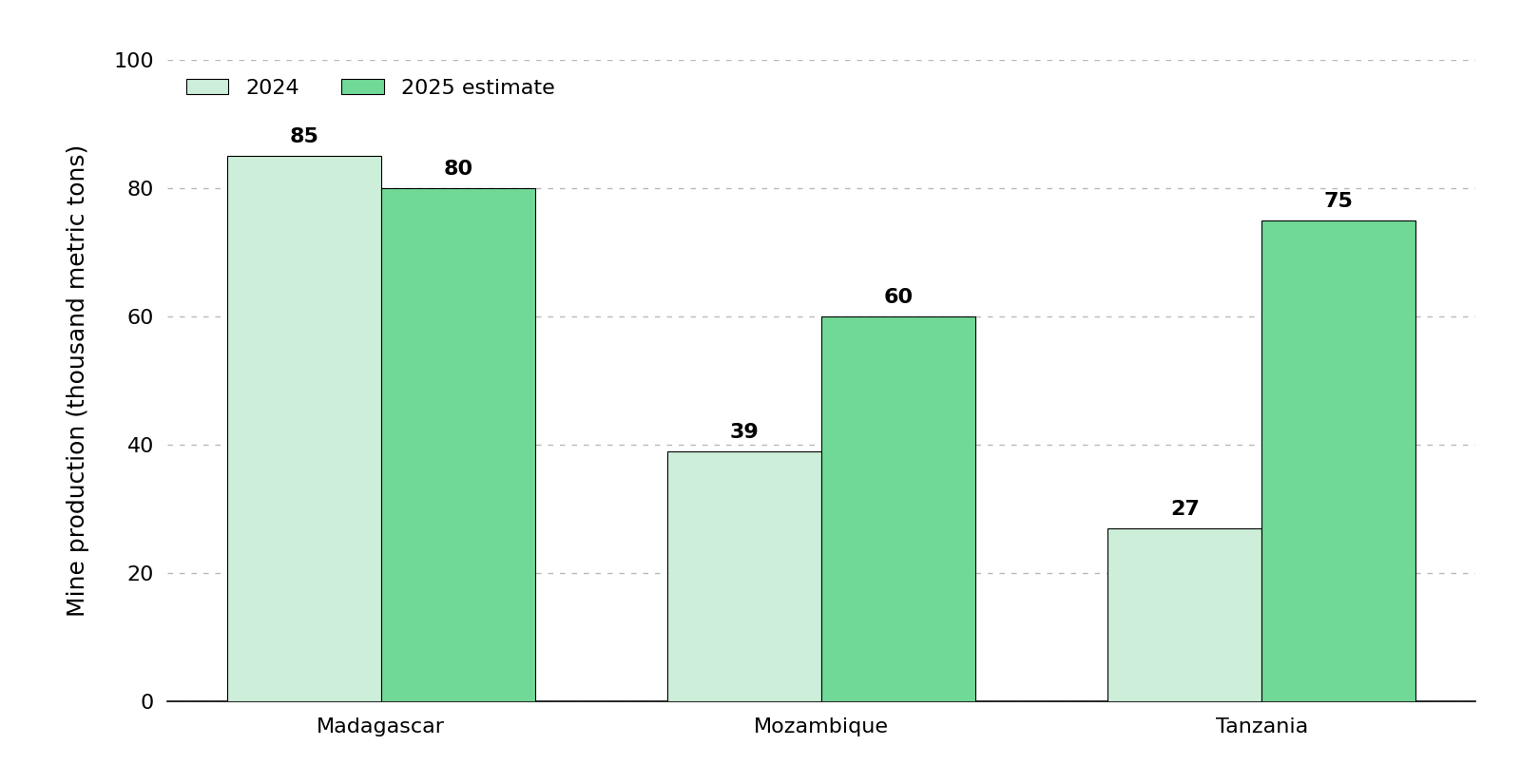
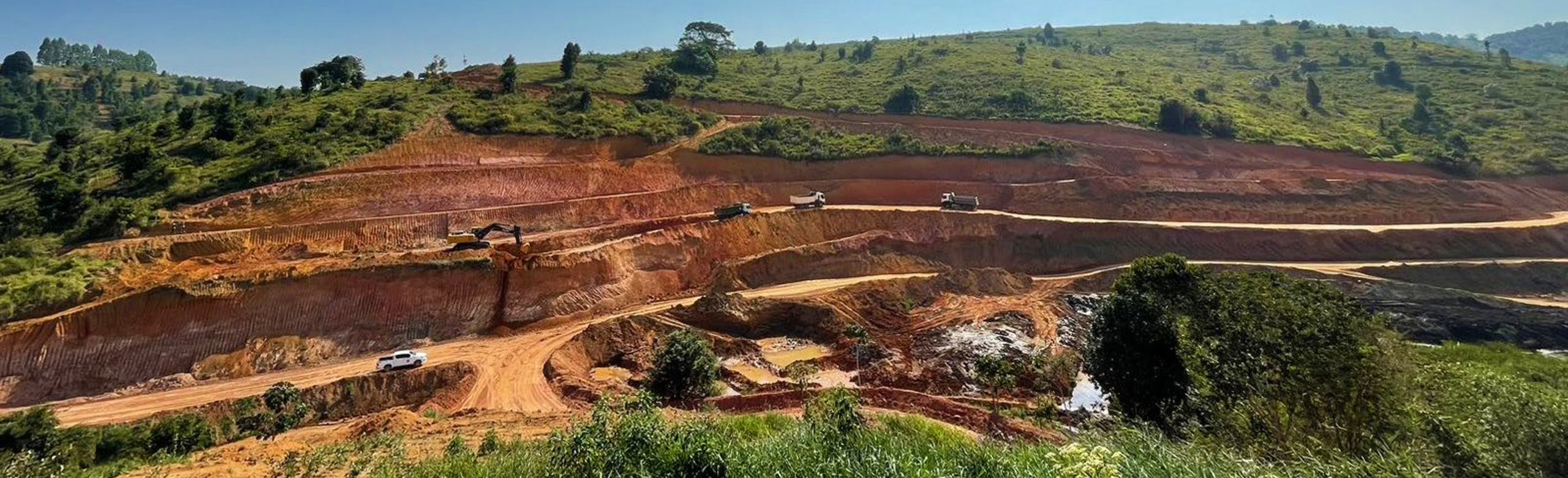
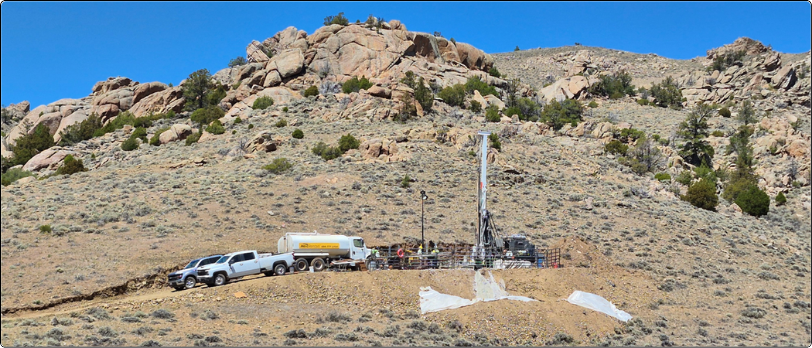
Sovereign Metals is targeting annual production of 222,000 tonnes of rutile and 275,000 tonnes of graphite, advancing the Kasiya Critical Minerals Project in Malawi after completing a definitive feasibility study for a 25-year operation. Its September 2026 scoping study found that monazite concentrate could be recovered from the existing processing stream without additional mining or front-end processing, adding 1,485 tonnes per annum of total rare earth oxides, including five elements covered by Chinese export controls.
Ben Stoikovich, Chairman of Sovereign Metals, explains Kasiya’s potential to compete with Chinese graphite:
“Kasiya will potentially compete with low-cost Chinese production, even in today’s market. Some of these anode plants will undoubtedly be built, and if they are, we will be ready to provide them with high-quality, high-margin graphite.”
Rutile serves titanium markets, graphite supplies battery anodes, and rare earths support permanent magnets. Exposure to these separate demand streams reduces reliance on any one market and can support steadier cash flow across commodity cycles.
Processing Bottlenecks Make Refining Access Essential for Funding
Western sourcing policy directs capital toward projects that can convert funding into qualified non-Chinese supply. Global critical-mineral investment fell 9% in 2025, while battery-material spending declined by more than 20%. Exploration spending also fell by more than 10%, showing that private capital remains selective as government support expands.
Processing capacity will determine how much new mine supply reaches Western manufacturers. Existing and announced rare earth refining capacity outside China equals approximately two-thirds of projected mine supply in 2035, while planned magnet capacity covers only one-third. Planned cathode production also equals approximately one-third of projected lithium mine output, creating a comparable bottleneck in the battery supply chain. Projects with secured processing access and competitive costs are better positioned to obtain buyer commitments and construction funding, helping Western support translate into African production.
The Investment Thesis for Critical Minerals
- Producers with qualified products, established processing capacity, and access to Western customers can benefit from procurement policies designed to reduce dependence on concentrated Chinese supply chains.
- Developers with completed feasibility studies, competitive operating costs, and visible permitting pathways are better positioned to convert government interest into construction finance and binding sales agreements.
- Multi-commodity projects can reduce single-product price exposure when by-products share mining, processing, power, and transport infrastructure with the primary operation.
- Rare earth and graphite projects outside China can secure customer contracts and Western financing by meeting buyer specifications and demonstrating reliable refining routes.
- African jurisdictions can capture more economic value through local processing, infrastructure investment, workforce development, and transparent fiscal policy while supplying Western markets with alternative critical minerals.
- Projects with disciplined capital requirements, positive margins across weaker price assumptions, and long operating lives are better equipped to remain financeable across commodity cycles.
Western sourcing policies are increasing funding for non-Chinese critical minerals, giving Africa a route to turn its resource base into local processing and production. For graphite, rare earths, and titanium, projects that meet buyer specifications at competitive costs are better positioned to secure financing. Government commitments moving into project funding now provide advanced African projects with a clearer route to financing and production.
TL;DR
China’s control of rare earth and graphite processing has increased supply risk for Western manufacturers, prompting governments to finance alternative sources. Africa offers significant graphite and rare earth resources, while local processing could retain more jobs, tax revenue, and industrial value. Public finance, strategic designations, and procurement support can improve access to capital and buyers. However, funding is likely to favor advanced projects with completed studies, competitive costs, reliable processing routes, and products that meet customer specifications. Multi-commodity projects may gain an advantage by sharing infrastructure and spreading revenue across rutile, graphite, and rare earth markets.
FAQs (AI-Generated)
Analyst's Notes





Subscribe to Our Channel






Stay Informed


