




Drilling for Certainty: How Cabral Gold's MG Infill Program De-risks the Path to First Pour


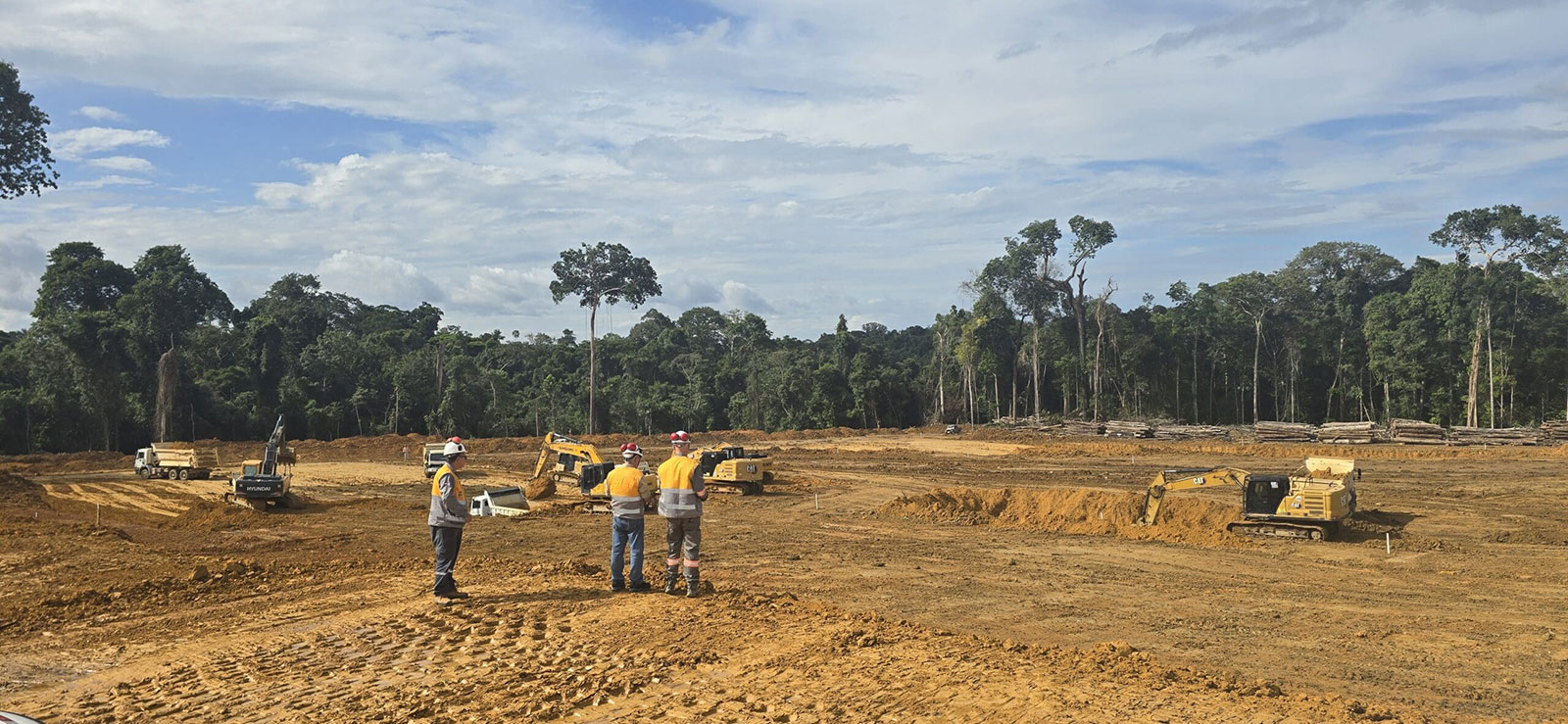
Cabral Gold's 166-hole MG drill program confirms Year 1 gold grades from surface, with Phase 1 construction 70% complete and a Q4 2026 first gold pour on schedule.
- Cabral Gold has completed a large infill drilling program at the MG gold deposit, with results from the majority of holes confirming consistent near-surface gold grades within the planned mining area ahead of a fourth quarter 2026 production start.
- The standout result from the latest batch of holes is RC737, which returned some of the highest gold grades ever recorded in the Cuiú Cuiú district from near surface, ranking 14th by the combined measure of grade and thickness across all holes drilled in the district to date.
- The drilling program is designed to upgrade resource confidence ahead of an updated estimate targeted by the end of June 2026, and to confirm the gold grades the mine plan relies on during the first 2 years of operation.
- Phase 1 construction was 70% complete as of Apr 29, 2026, on budget and on schedule, funded by a US$45 million gold loan closed on Nov 26, 2025; the July 2025 pre-feasibility study (PFS) by Ausenco Brazil returned an after-tax return of 78% and a project value of US$73.9 million at a US$2,500 per ounce gold price.
- In parallel with construction, Cabral is increasing its active drill rig count from 3 to 6 across the district, aiming to grow its total gold resource base and advance a larger study on the district's hard rock gold potential in 2027.
The market rewards gold discoveries. It re-rates gold developers when uncertainty starts disappearing. Cabral Gold (TSXV: CBR | OTCQB: CBGZF) has spent the opening months of 2026 doing exactly that work: drilling a large number of short holes into a deposit it already knows is there, close enough together to confirm that what the geological model predicts matches what will actually be mined.
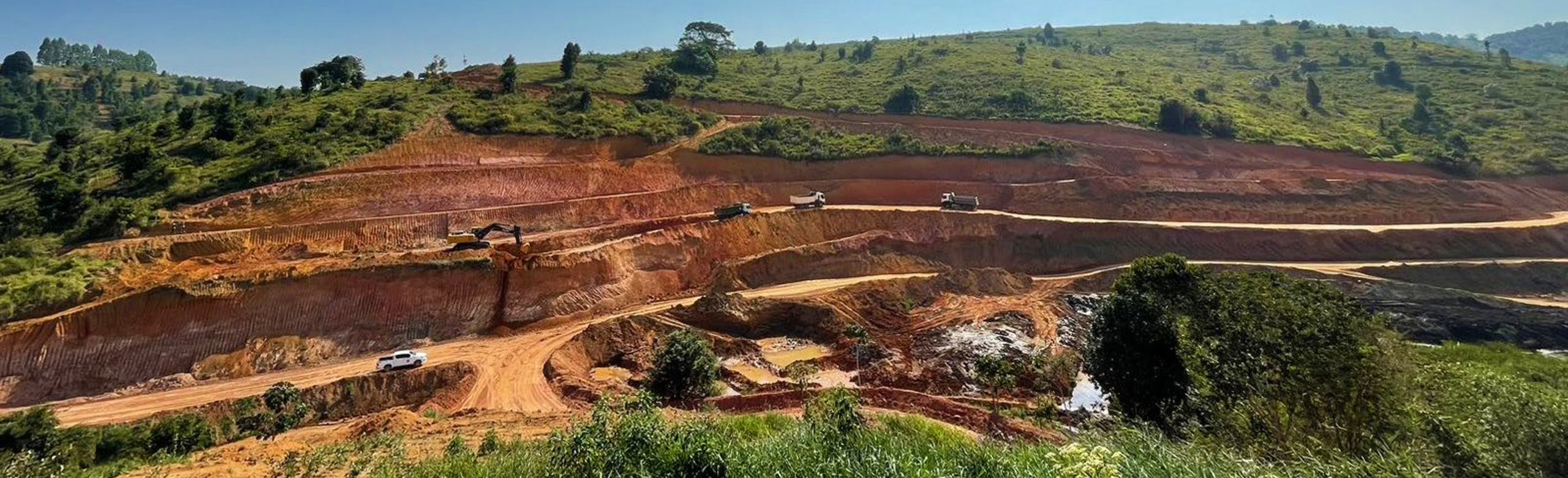
The MG gold deposit at the Cuiú Cuiú Gold District in Brazil's Tapajós Region is a permitted, construction-stage mine. What the drilling adds is confidence - converting a mine schedule built on modelled grades into one built on measured data.
Confirming What the Mine Plan Depends On
The near-surface gold material at MG sits within a layer of weathered rock and overlying soils. It requires no blasting before mining, and laboratory tests confirm it responds well to the heap leach processing method Cabral is building - where gold is extracted by passing a solution through ore stacked on a lined pad. The July 2025 pre-feasibility study (PFS) by Ausenco Brazil confirmed the operation can produce over 113,000 ounces of gold across a mine life of more than 6 years.
The holes were drilled within the planned Year 1 mining area to shallow depths, specifically to confirm the grades the mine plan relies on during the period most sensitive to whether the ore in the ground matches the model. Getting this right before the first excavator arrives matters: if the grades delivered to the processing pad are lower than expected, early cash flow suffers. If they match or beat the model, the operation ramps up on schedule.
President & Chief Executive Officer, of Cabral Gold, Alan Carter, stated:
"These additional infill drill results at MG continue to confirm the presence of consistent, higher gold-in-oxide grades over significant widths, from surface, providing us with greater confidence in planned ore delivery during the initial years of mining at MG."
What the Drill Results Are Telling Investors
The latest batch of results includes some of the richest gold grades recorded across the wider Cuiú Cuiú district, intersected from surface. The highest-grade interval ran 10 meters and included a narrow streak of exceptionally concentrated gold. On a grade-times-thickness basis, the standard measure geologists use to compare drill results, that intercept ranks among the best ever returned in the district.
The high grades near surface suggest the early-mined material may sit directly above a richer gold body below, one that could anchor a larger future operation. Beyond the standout intercept, the wider batch tells a story of consistency: result after result returned solid gold grades from surface across the planned mining footprint. That consistency is what a mine plan requires, not one exceptional intercept, but many reliable ones that give operators confidence the ore will perform as modeled, day after day.
An updated resource estimate incorporating the full drilling dataset is targeting completion by the end of June 2026. MG is the largest contributor to Phase 1, but the operation also draws ore from the nearby Central and Machichie deposits, giving the project a combined reserve base of nearly 129,000 ounces across the three areas.
Built, Funded & on Schedule
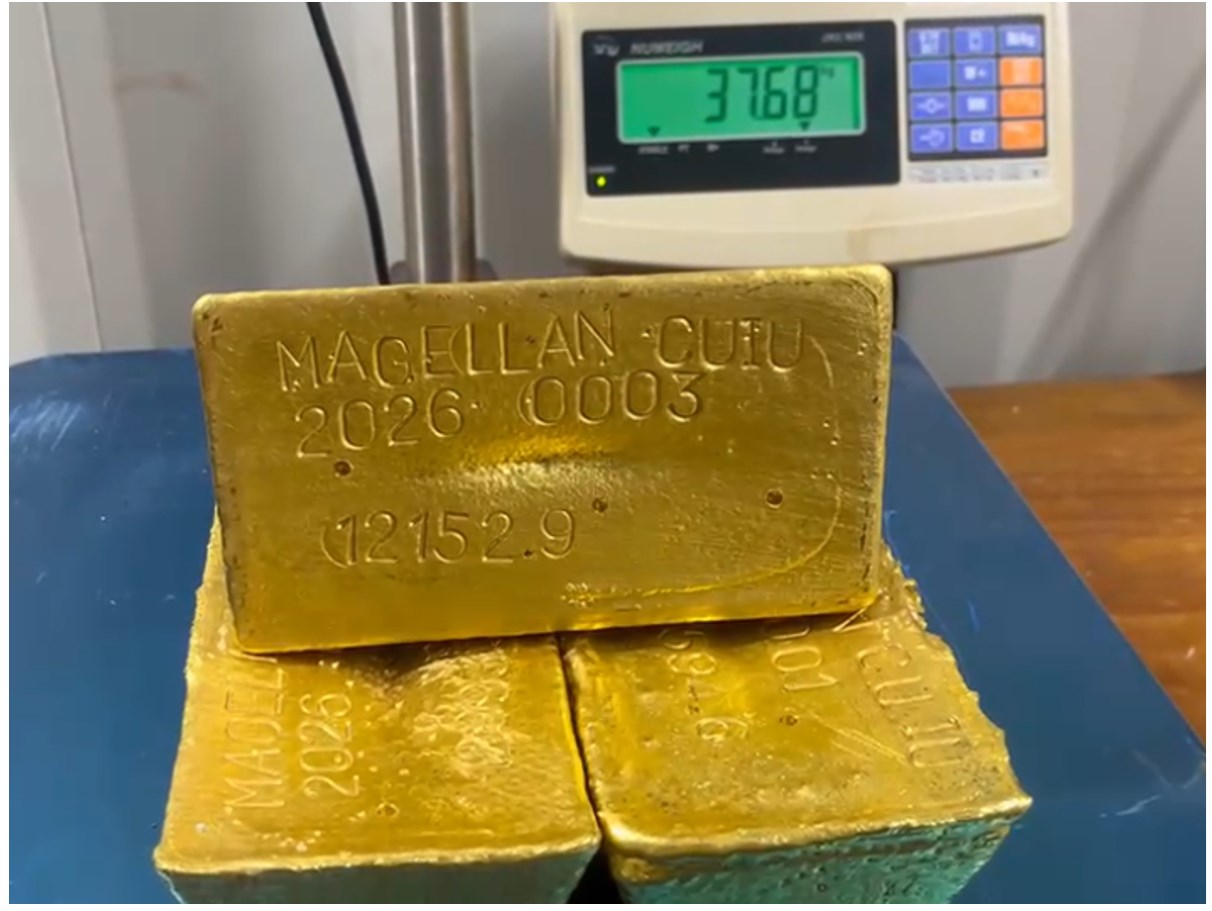
Construction is 70% complete as of Apr 29, 2026, with the large majority of costs locked in under contract. The Full Mining License was granted in March 2026. First gold pour is targeting fourth quarter 2026.
The project is fully funded through a gold loan closed in late 2025, which covers the full construction cost and working capital. At a US$2,500 per ounce gold price, the PFS returned an after-tax internal rate of return (IRR) of 78% - meaning the project generates returns well above what most investors would require - with a payback period of just 10 months. At higher gold prices, those returns improve significantly.
One Operation Funding the Next
Rather than fund district-wide exploration by issuing new shares - which reduces the value of existing shareholders' stakes - Cabral's plan is to use cash from Stage 1 production to pay for it. The Cuiú Cuiú district holds more than 50 drill targets and hosts a resource base management is aiming to grow significantly. The district sits within the Tapajós Gold Province, one of the most historically productive gold regions in Brazil, and Cuiú Cuiú itself produced an estimated 10 times more placer gold historically than the adjacent Tocantinzinho deposit, which GMining Ventures commissioned as Brazil's third-largest gold mine in September 2024.
Drilling continues at Jerimum Cima, a newer target where gold mineralisation has already been traced for nearly half a kilometer and remains open in all directions. A resource estimate at PDM, another district target, is expected in the second half of 2026. A larger study on the district's hard rock gold potential is planned for 2027 - funded by the cash Cabral expects to be generating from MG by then.
FAQs (AI-Generated)
Analyst's Notes





Subscribe to Our Channel



Stay Informed






















