enCore Energy First Quarter 2026 Financial Results: 7 Things You Need to Know


enCore Energy returned to profit in first quarter 2026 as uranium extraction rose 22%, but older contracts and costly purchased uranium continue to cap margins. Here is what investors need to know.
Project Overview
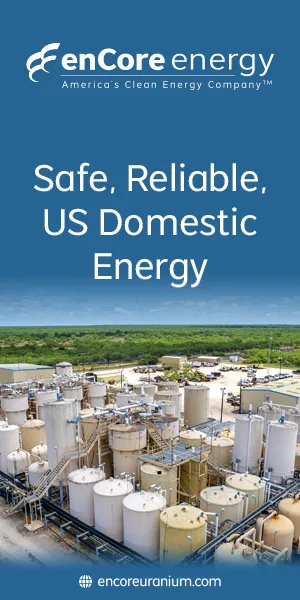
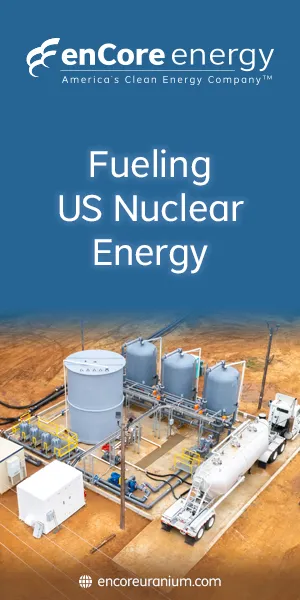
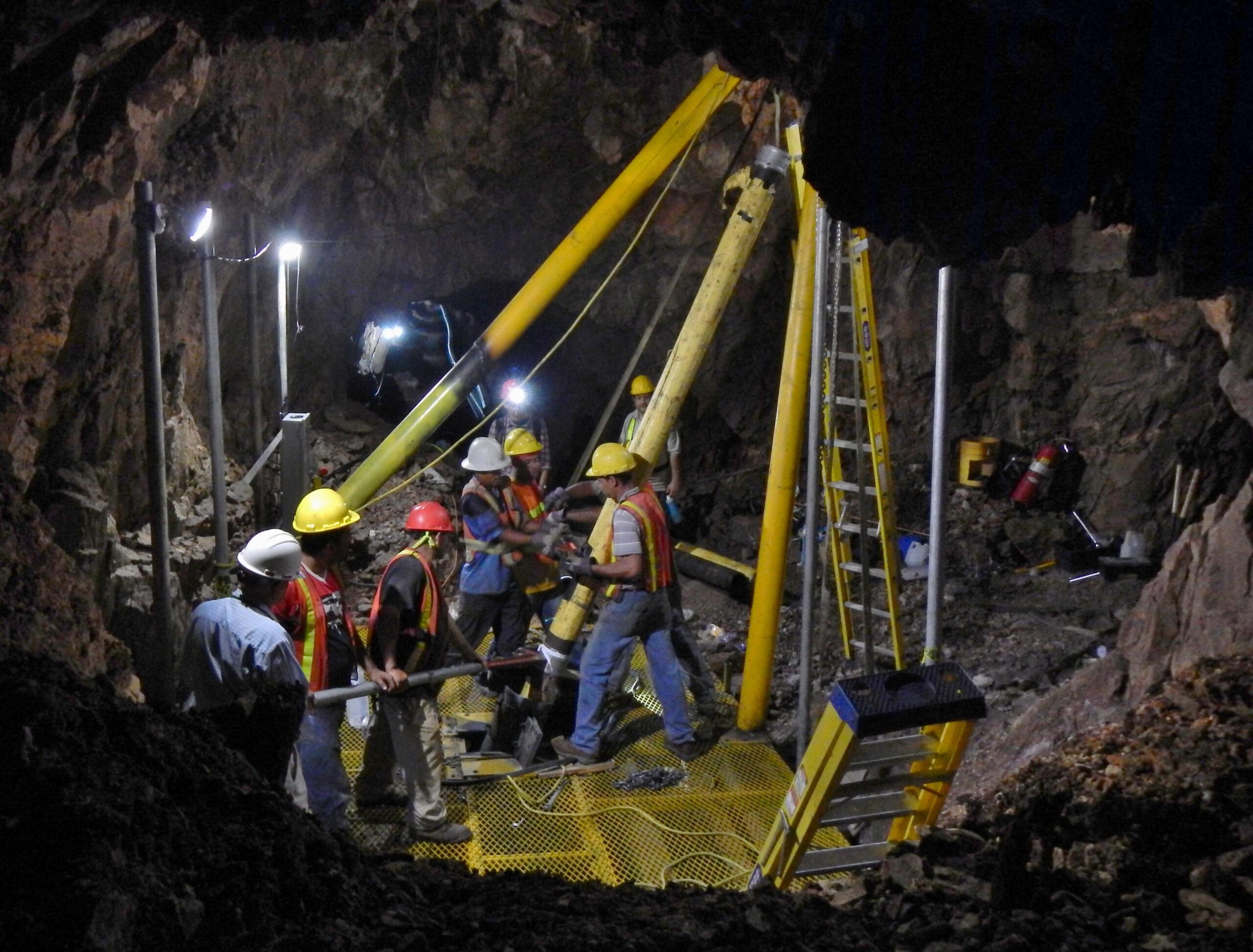
enCore Energy (NASDAQ: EU | TSX.V: EU) is a uranium producer based in Dallas, Texas. It is the only uranium company in the United States operating two active processing facilities, both located in South Texas. The company uses a mining method called In-Situ Recovery, or ISR, which pumps oxygenated water through underground uranium deposits to dissolve the mineral and bring it to the surface for processing, without disturbing the land above. This approach costs less to run than conventional mining and carries a smaller environmental footprint.
enCore currently generates all of its uranium revenue from its South Texas operations, which include the Alta Mesa and Rosita processing plants. Beyond Texas, the company holds two development projects waiting on government approvals: Dewey Burdock in South Dakota and Gas Hills in Wyoming. Both are designed to use the same ISR method and would, once permitted and built, roughly double the company's production capacity. The first quarter 2026 results, released May 14, 2026, cover the three months ended March 31, 2026, and represent the first full quarterly report under a new management team led by incoming CEO Richard Little and Executive Chairman William Sheriff.
1. The Return to Profit Is Real, But Not Entirely From Mining
enCore went from a loss of $0.13 per share in first quarter 2025 to a profit of $0.03 per share in first quarter 2026, but two separate things drove that improvement.
The first is that the company's Texas mining operations performed better: more uranium was extracted at costs that stayed roughly stable. The second is a one-time financial gain from selling its New Mexico assets to a company called Verdera Energy. The company's own quarterly filing, submitted to US regulators on May 14, 2026, identifies both as contributors. This matters because one of those drivers, the asset sale, will not repeat. The mining improvement will, if production keeps growing. Investors looking at the profit number should ask how much of it comes from the mine and how much from the sale before treating it as a sign of what future quarters will look like.
2. Producing More Uranium In-House Is the Most Important Number in the Quarter
The company extracted 22% more uranium from its Texas wells in first quarter 2026 than in the same quarter last year, and that single fact has the largest influence on the company's cost structure going forward.
Here is why it matters. When enCore produces uranium from its own wells, it costs roughly $35 per pound in direct cash costs. When it has to buy uranium from someone else to fill its delivery contracts, it paid roughly $79 per pound in first quarter 2026. That is more than double. In the first quarter of 2026, two out of every three pounds delivered to customers came from purchases rather than the company's own production. Every additional pound the company can produce itself instead of buying closes that gap and puts more money in its pocket per delivery. Growing the share of self-produced uranium is therefore not just an operational goal. It is the most direct route to turning positive margins on deliveries.
3. Right Now, Buying Uranium to Sell It Is Losing Money
The average price enCore received from customers in first quarter 2026 was slightly below the average price it paid to source that uranium, meaning the delivery business ran at a small loss per pound before head office costs are counted.
This is the clearest risk in the current results. The contracts enCore has with its utility customers were signed when uranium prices were lower than they are today. Those contracts lock in the selling price. At the same time, when enCore needs to buy uranium from outside to fill those contracts, it pays today's market price for that material. In first quarter 2026, outside purchases cost around $79 per pound while the average contract price paid only $67.78 per pound. That difference of roughly $11 per pound on two thirds of deliveries is what produced the negative margin. The fix is not complicated: produce more from owned wells at $35 per pound, and renew contracts at higher prices when they expire. Neither happens overnight, but both are moving in the right direction.
4. The Company Has Enough Cash to Keep Operating Without Asking Shareholders for More Money
Total available funds of $84.7 million as of May 8, 2026, including cash and shareholdings in another uranium company, give enCore a comfortable financial cushion for the year ahead.
The cash portion alone was $41.6 million at the end of March 2026. The rest includes shares in Ur-Energy, another uranium producer, and other investments. This matters because small mining companies frequently need to raise money from shareholders by issuing new shares, which reduces the value of existing ones. With $84.7 million available, enCore does not face that pressure in the near term. One note of caution: the Ur-Energy shareholding rises and falls with the uranium market, so the non-cash portion of that $84.7 million is not as stable as the cash component. The cash position on its own is what provides the genuine operational runway.
5. Uranium Already in Storage Tells Two Different Stories
At the end of first quarter2026, the company held just over 153,000 pounds of uranium in inventory, split between material it mined itself and material it purchased. The two portions carry very different financial profiles.
The roughly 84,000 pounds produced from its own wells cost around $52 per pound to hold. With uranium currently trading at $86.25 per pound on the spot market, those pounds represent profit waiting to be unlocked when delivered into higher-priced contracts. The roughly 70,000 pounds purchased from outside cost around $80 per pound, which is above the current average contract price of around $67 to $68 per pound. Delivering that purchased inventory at today's contract prices would generate a loss. How quickly the company can work through that purchased stock, and what prices it can negotiate for the next round of customer contracts, will directly shape the financial results of the next two quarters.
6. The Management Plan Has Four Parts, But One Matters More Than the Others
The company's leadership has outlined plans to cut costs, speed up government approvals, talk to shareholders more often, and explore buying or merging with other companies.
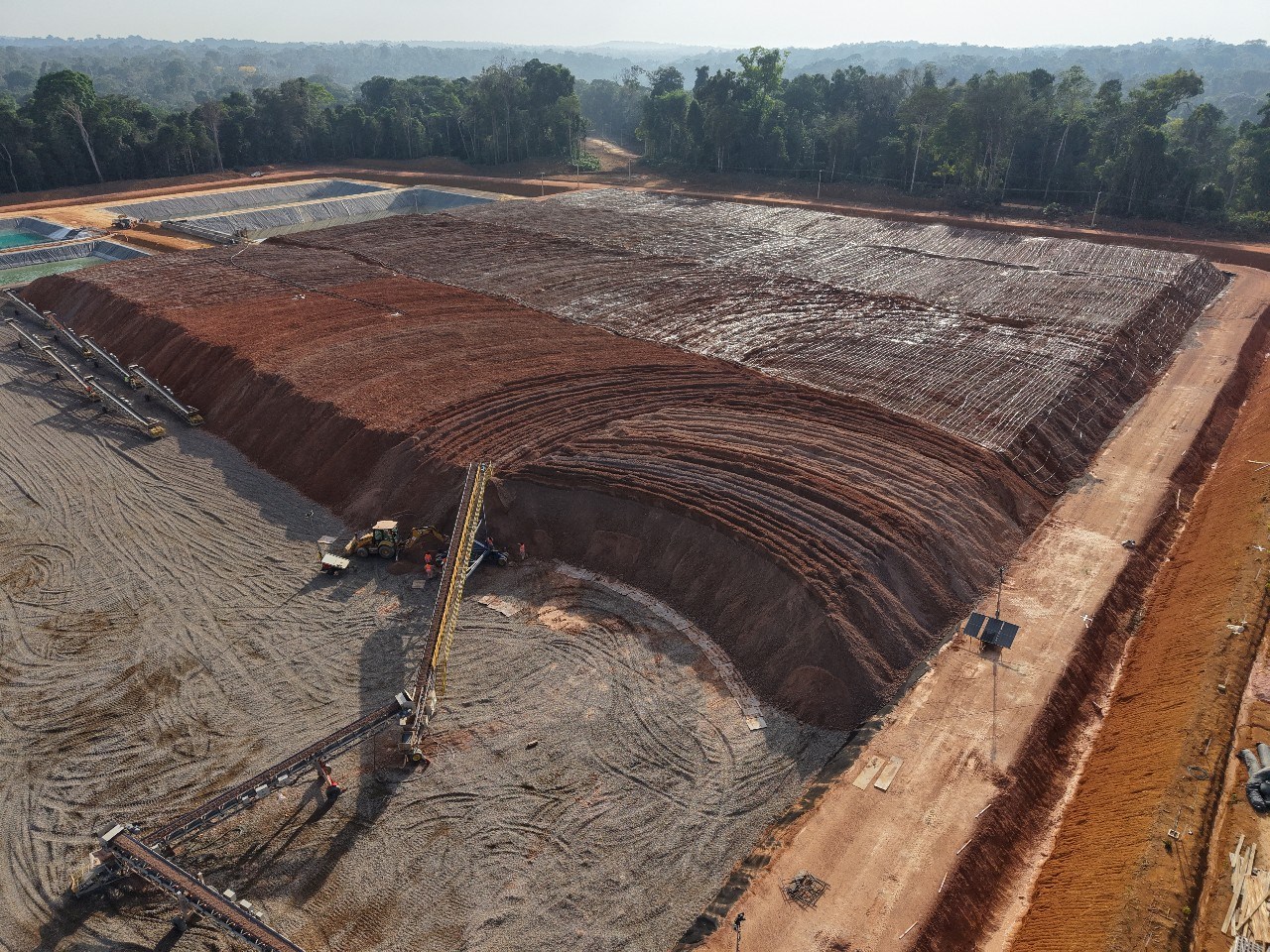
Cost control is already showing results: the per-pound cost of mining uranium barely moved year-over-year even as the company produced 22% more of it, which reflects genuine operating discipline. Shareholder communication is straightforward to deliver. Consolidation, meaning potential acquisitions, is interesting but speculative at this stage. The approval process for new projects is where the most value sits and where progress is hardest to predict. The Dewey Burdock project in South Dakota has cleared all its federal government hurdles after more than a decade of regulatory reviews, but still needs state-level sign-off. The Gas Hills project in Wyoming is further back in the process. Until one of those projects gets full approval and construction begins, the company remains a single-region producer dependent on its Texas operations.
7. Two Things Will Determine Whether This Company Is Worth More in 12 Months
The price gap between what enCore earns per pound today and what the market now pays is large, and closing it does not require anything to go right beyond what is already in motion.
Uranium traded at $70.00 per pound a year ago. It stood at $86.25 per pound as of the week ending May 12, 2026, a rise of 23.2% over 12 months. More importantly for enCore, the price at which utilities are currently signing new long-term supply agreements reached $93.00 per pound on March 31, 2026, the highest level in more than 18 years. enCore's average contract price in first quarter 2026 was $67.78 per pound. That gap between what the company currently earns and what new contracts would pay does not require a rising uranium price to close. It requires existing contracts to expire and be replaced. On current delivery volumes, closing that gap fully would add roughly $6.8 million per quarter in revenue, a 37% increase from the quarter's level.
The second factor is project approvals. The Dewey Burdock project in South Dakota, targeting 1 million pounds of uranium per year once running, holds all federal permits but is waiting on South Dakota state approvals, with a construction start targeting early 2027 per the October 2024 technical assessment. A confirmed timeline for that start would change the production outlook materially. Investors should watch for two specific signals: news on state permitting at Dewey Burdock, and any disclosure of new contract prices in the Q2 2026 results.
Key Takeaway for Investors
- enCore returned to profit in first quarter 2026, earning $0.03 per share after a loss of $0.13 per share in the same quarter last year, though part of that improvement came from a one-time asset sale rather than mining alone
- The company extracted 22% more uranium from its own Texas wells compared to first quarter 2025, reducing but not yet eliminating its dependence on more expensive purchased material
- Two out of every three pounds delivered to customers in first quarter 2026 were bought from outside at roughly $79 per pound and sold into contracts paying $67.78 per pound, producing a loss on those deliveries
- Total available funds stood at $84.7 million as of May 8, 2026, removing the near-term risk of the company needing to issue new shares to raise money
- The price at which utilities are currently signing new long-term uranium supply agreements reached $93.00 per pound on March 31, 2026, the highest in more than 18 years, sitting well above what enCore earned per pound in first quarter 2026
- Dewey Burdock in South Dakota has cleared all federal government permits but still needs state approval before construction can begin; Gas Hills in Wyoming remains further back in the approvals process
- Closing the gap between the current contract price and the long-term market price, without any increase in production volume, would add roughly $6.8 million per quarter in revenue at current delivery levels
Bottom Line
enCore Energy enters the second half of 2026 as a profitable, cash-funded uranium producer whose financial results are being held back by two temporary but resolvable problems: older contracts priced well below what the market currently offers, and a dependence on purchased uranium that costs more per pound than those contracts pay. Both problems shrink as the company produces more from its own Texas wells and renews contracts at prices closer to the $93.00 per pound long-term benchmark recorded on March 31, 2026. The project pipeline in South Dakota and Wyoming adds longer-term production optionality, but the nearer-term investment case rests on the pace of contract repricing and the continued growth of self-produced volumes, neither of which requires a higher uranium price or new capital to deliver.
Analyst's Notes





Subscribe to Our Channel



%20(1)%20(1).jpg)
.jpg)
Stay Informed