Atomic Eagle Expands Uranium Discovery in Zambia as Drilling Campaign Picks Up Steam


Atomic Eagle (ASX: AEU) expands uranium mineralisation beyond existing resource boundaries at Zambia's Muntanga Project, as early drilling delivers strong near-surface grades across multiple holes.
- Atomic Eagle's 2026 drilling program at Muntanga is delivering uranium hits well outside the boundaries of its existing resource, pointing to a larger deposit than previously defined.
- The newly identified south-western zone at Chisebuka sits close to the surface, with grades notably stronger than the project's existing measured average, and has now been drilled sufficiently to support a formal resource estimate.
- The Muntanga project already holds one of the larger undeveloped uranium resources on the African continent, and two additional target areas are being prepared for drilling later this quarter.
- Uranium demand is growing faster than mine supply can keep up, with reactors under construction globally and long-term contract prices at their highest level in nearly two decades.
- For early-stage investors, Atomic Eagle's combination of near-surface mineralisation, a large land package, and an active multi-target drill program positions it as a project with meaningful resource growth potential in a commodity with strengthening fundamentals.
Atomic Eagle (ASX: AEU | OTCQX:GVXXF) has reported early results from a major drilling program at its Muntanga Uranium Project in Zambia, showing that uranium mineralisation extends well beyond the boundaries of its existing, formally measured resource. The results suggest the project could grow significantly larger as the company continues drilling across multiple target areas.
For a beginner investor, this matters because the bigger and higher-grade a uranium deposit becomes, the more attractive it potentially is to future developers or acquirers. This is particularly relevant at a time when global demand for uranium fuel is rising faster than new supply is coming to market.
What the Company Found
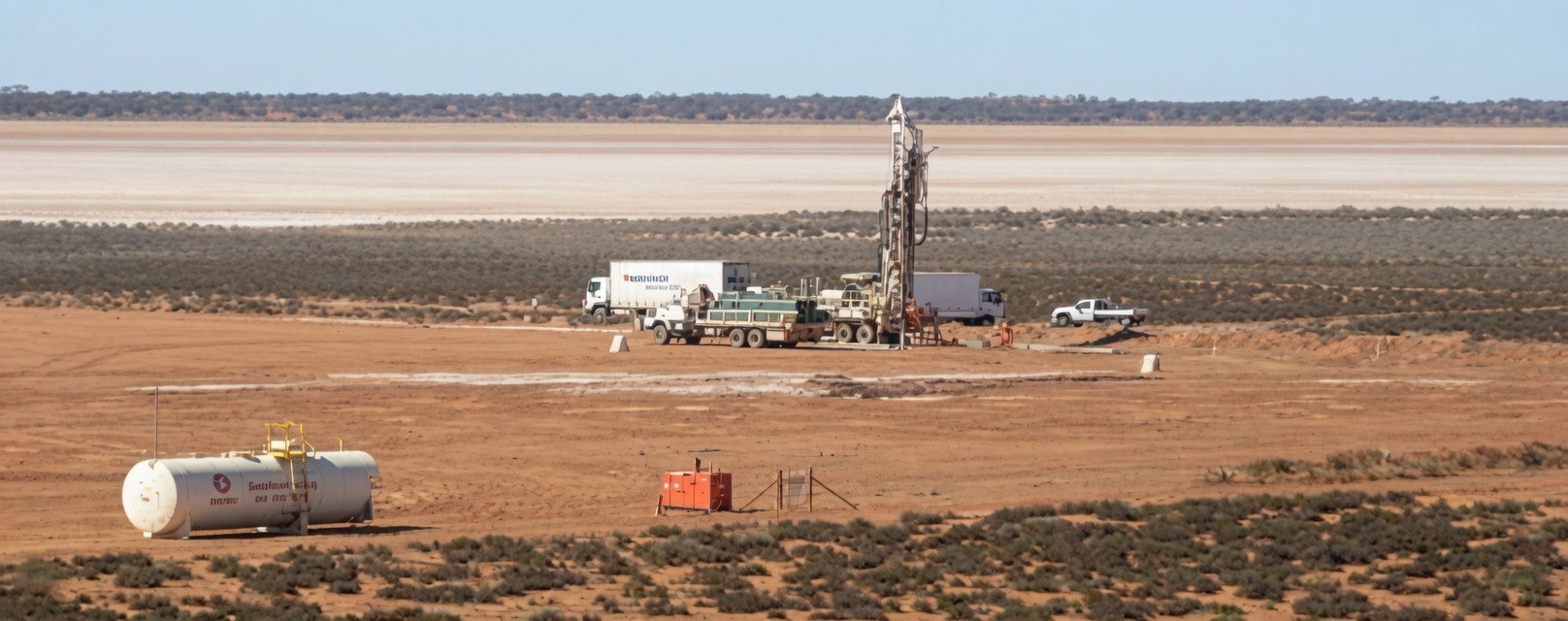
Atomic Eagle has completed the first batch of holes in a large drilling campaign planned across three separate target areas within Muntanga. Of that first batch, the overwhelming majority struck uranium mineralisation in ground that sits outside the area already formally measured and reported, pointing to a deposit still open for expansion.
The most important results came from a newly identified zone on the south-western side of the Chisebuka target. The uranium was found close to the surface, in some cases starting less than five metres below ground, which is exceptionally shallow by mining industry standards. That matters to investors because shallow deposits are generally cheaper and simpler to mine than deep ones, which tends to make them more commercially attractive to potential developers.
The grades, meaning the concentration of uranium in the rock, were notably strong across several holes. One hole returned the strongest result of the batch, intersecting a wide interval of mineralisation at a grade more than three times higher than the average of the existing measured resource at Chisebuka. Another hole hit two separate mineralised intervals in the same hole, one of them spanning more than twenty metres at nearly double the existing resource average grade, and a second interval of similar width immediately below it. A further hole demonstrated that the mineralisation does not just sit near the surface but also continues at depth, returning two stacked intervals beyond ninety metres down, both grading well above the existing resource average.
CEO Phil Hoskins said the early results reflect the pace at which the project has been advancing:
"These initial results from Chisebuka build directly on the Company's early success, which saw a 9.7 million pound uranium resource defined at Chisebuka in a matter of months."
A New Zone Ready to Be Formally Measured
The newly identified south-western zone has now been drilled at a sufficient density to support a formal resource estimate, the process by which raw drilling data is converted into an officially reported quantity of contained uranium. That estimate has not yet been published, but the groundwork is now in place.
This is a meaningful milestone for a junior explorer, because a formal resource estimate is typically one of the key steps that increases a project's credibility with investors and potential partners.
Hoskins pointed to the south-western zone as the next meaningful addition to the project's resource base:
"Chisebuka's south-west zone is now emerging as the next key addition with near-surface higher-grade results outside of the previous resource area and we've only scratched the surface of the planned holes into Chisebuka this year."
Drilling is still ongoing across the full Chisebuka area, with the full program planned to comprise well over a hundred holes in total. Further results are expected in the coming weeks as the two rigs continue work.
Project & Regional Context
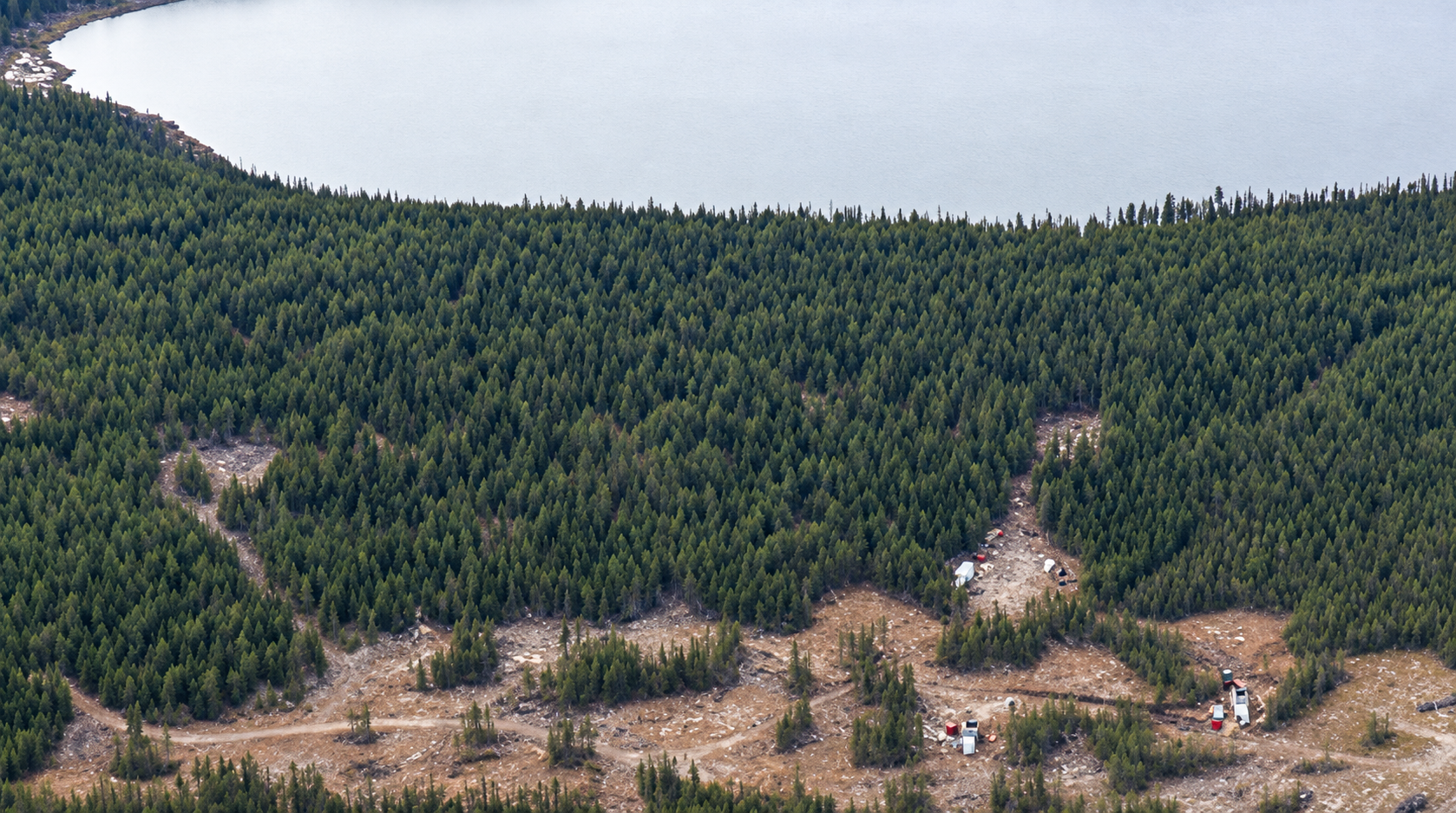
The Muntanga project occupies a large stretch of ground in southern Zambia, near the town of Chirundu close to the Zimbabwe border and beside Lake Kariba. The project sits along sealed roads with access to international transport routes, a practical advantage for any future mining operation that would need to move uranium concentrate to global markets.
At the broader project level, Muntanga already holds a combined uranium resource approaching sixty million pounds across all its known deposits, making it one of the larger undeveloped uranium projects on the African continent. The geology has been known since Italian energy company AGIP first explored the area in the nineteen-eighties, and it has been revisited by various operators since.
Beyond Chisebuka, ground surveys are currently underway at two additional target areas within the project, Namakande and Muntanga North, both of which have shown signals in earlier airborne surveys consistent with uranium presence.
Hoskins confirmed that both programs are running simultaneously:
"Drilling is continuing with two rigs aiming to expand the higher-grade zones at Chisebuka whilst at the same time, we are conducting ground radiometric surveys to refine the Namakande and Muntanga North targets."
The Bigger Picture: Why Uranium Matters Right Now
Uranium is the fuel that powers nuclear reactors, and the global appetite for it is growing. There are currently over four hundred nuclear reactors operating worldwide, with dozens more under construction primarily in China, India, and several emerging markets. The International Atomic Energy Agency projects that global nuclear power capacity could more than double by mid-century in its high-growth scenario.
Global uranium demand is forecast to more than double by around 2040 as new reactors come online, while mine supply has not kept pace. Production currently covers only around ninety percent of what reactors need, with the remainder drawn from stockpiles and secondary sources that are gradually being depleted.
On price, uranium started the year at around eighty dollars per pound before briefly surging above one hundred dollars per pound in late January, its first time at that level in two years, driven by utility buying and growing confidence in nuclear energy's long-term role. The spot price pulled back somewhat through February and March, while the long-term contract price, which is what most uranium actually trades at between miners and power companies, reached its highest level in nearly two decades. For a junior explorer like Atomic Eagle, every additional pound of uranium added to a resource base is being valued against a commodity price that sits well above historical averages and a demand outlook that most independent forecasters describe as structurally strong over the next decade.
FAQs (AI-Generated)
Analyst's Notes





Subscribe to Our Channel



%20(1)%20(1).jpg)
.jpg)
Stay Informed