




Energy Ceasefire Cuts Crude Prices While Refining Outages Keep Diesel Tight


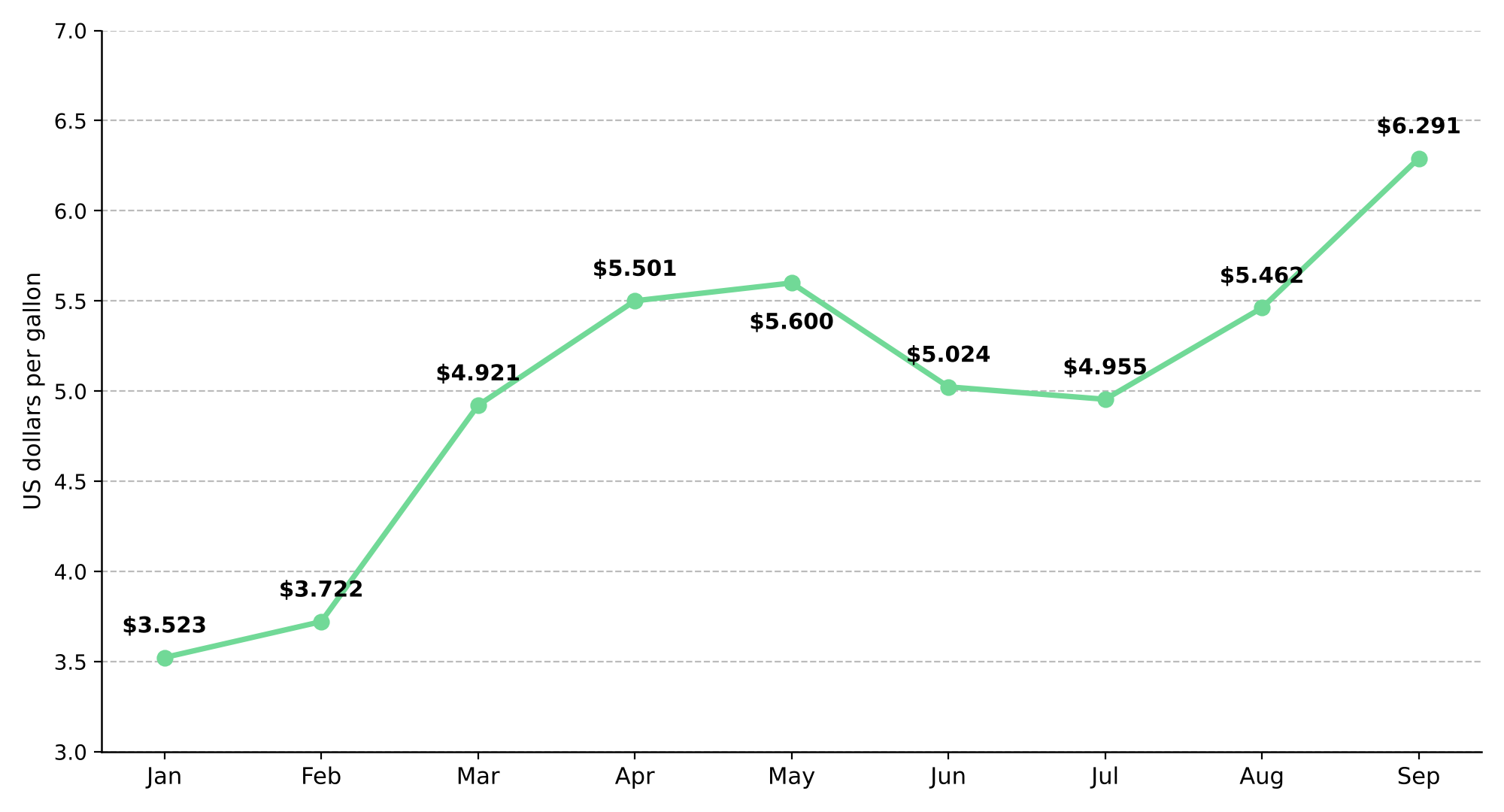
With US distillate stocks 12% below their five-year average, refiners that can increase diesel output without new capital can capture higher margins.
- Brent fell 0.11% to $104.61 a barrel and West Texas Intermediate (WTI) fell 0.53% to $91.36 on October 12, 2026, as an announced Russia-Ukraine energy ceasefire reduced perceived supply risks.
- Intercontinental Exchange (ICE) gasoil fell 3% to $1,436 per metric ton on October 12, 2026, compared with crude's 0.11% decline, as the deal supplies diesel barrels without adding refining capacity.
- Russia is set to supply over 300,000 metric tons of diesel immediately, 500,000 tons in November, and 1 million tons afterward, compared with global diesel demand of nearly 29 million barrels per day.
- US distillate stocks stood at 105.1 million barrels on October 2, 2026, about 12% below the five-year average, while refinery utilization was 92.7%.
- Goldman Sachs forecasts Brent at $90 in December, compared with the US Energy Information Administration's (EIA) fourth-quarter forecast of $105. East Coast distillate inventories recovering to within 20% of their average would reverse the diesel shortage case.
Energy Ceasefire Pushes Brent Down to $104.61
Brent crude futures fell 0.11% to $104.61 a barrel, while WTI declined 0.53% to $91.36, narrowing earlier losses of more than 1%. The declines followed US President Donald Trump's statement that Russia and Ukraine had agreed to halt attacks on each other's energy facilities after his diesel-supply deal with Moscow.
ICE gasoil futures fell 3% to $1,436 per metric ton following the diesel announcement, compared with crude's 0.11% decline. The sharper drop reflects changes in diesel supply without any increase in refining capacity.
Drone Strikes Leave 2.2M Barrels Per Day of Refining Capacity Offline
The diesel shortage stems from refinery outages, with Ukrainian drones striking Russian refineries an average of once every three days during the first eight months of 2026. Russian refinery output fell 30% year over year in June to its lowest level in more than 20 years. Up to 3 million barrels per day of refining capacity has been unavailable since the conflict began, with 2.2 million barrels per day still offline through August.
Russia's promised diesel shipments would partially lift its export ban. Rebuilding damaged crude distillation or hydrocracking units takes months, so additional strikes would extend refinery outages beyond the announced delivery schedule.
Unconfirmed Diesel Deliveries Keep Supply Relief Uncertain
Diesel prices can react immediately to an announcement, but additional supply must first be refined, loaded, and shipped, with no delivery date specified. Vivek Dhar, Analyst at Commonwealth Bank of Australia, said the exports would help reduce the diesel shortage, but the extent of relief depends on continued Ukrainian attacks on Russian oil infrastructure.
32% East Coast Inventory Deficit Favors Flexible Refiners
Hydroskimming refineries face tighter margins from higher crude costs because they cannot increase distillate output to capture wider diesel crack spreads. Refineries with hydrocrackers and cokers can increase distillate yields and capture the premium.
Refiners that can increase distillate yields without new capital are better positioned to capture diesel premiums. On the US East Coast, distillate inventories were 32% below the five-year average in September 2026, with imports covering the shortfall rather than additional conversion capacity.
The ceasefire's start date and duration remain uncertain as Ukraine's president awaits details and Russia has not commented. Category 3 Hurricane Isaias also forced offshore production cuts, adding another risk of price reversals. Refining exposure based on a single announcement risks losing its premium if conditions change, while delivery dates for the promised diesel shipments remain unconfirmed.
Who Benefits From Lower Refining Investment
The ceasefire addresses diesel supply but does not restore refining capacity damaged by attacks, leaving the diesel shortage unresolved despite lower crude prices.
With US distillate stocks about 12% below their five-year average, refiners with conversion capacity can capture higher margins by upgrading crude into diesel. This makes conversion capacity a key factor in refinery valuations rather than merely an operating risk.
Lower investment in refining limits new conversion capacity over the next decade, allowing existing refineries that can turn crude into diesel to capture more value.
Analyst's Notes





Subscribe to Our Channel






Stay Informed


