




Record Tanker Rates Drive Saudi Crude Discounts to Six-Year Lows


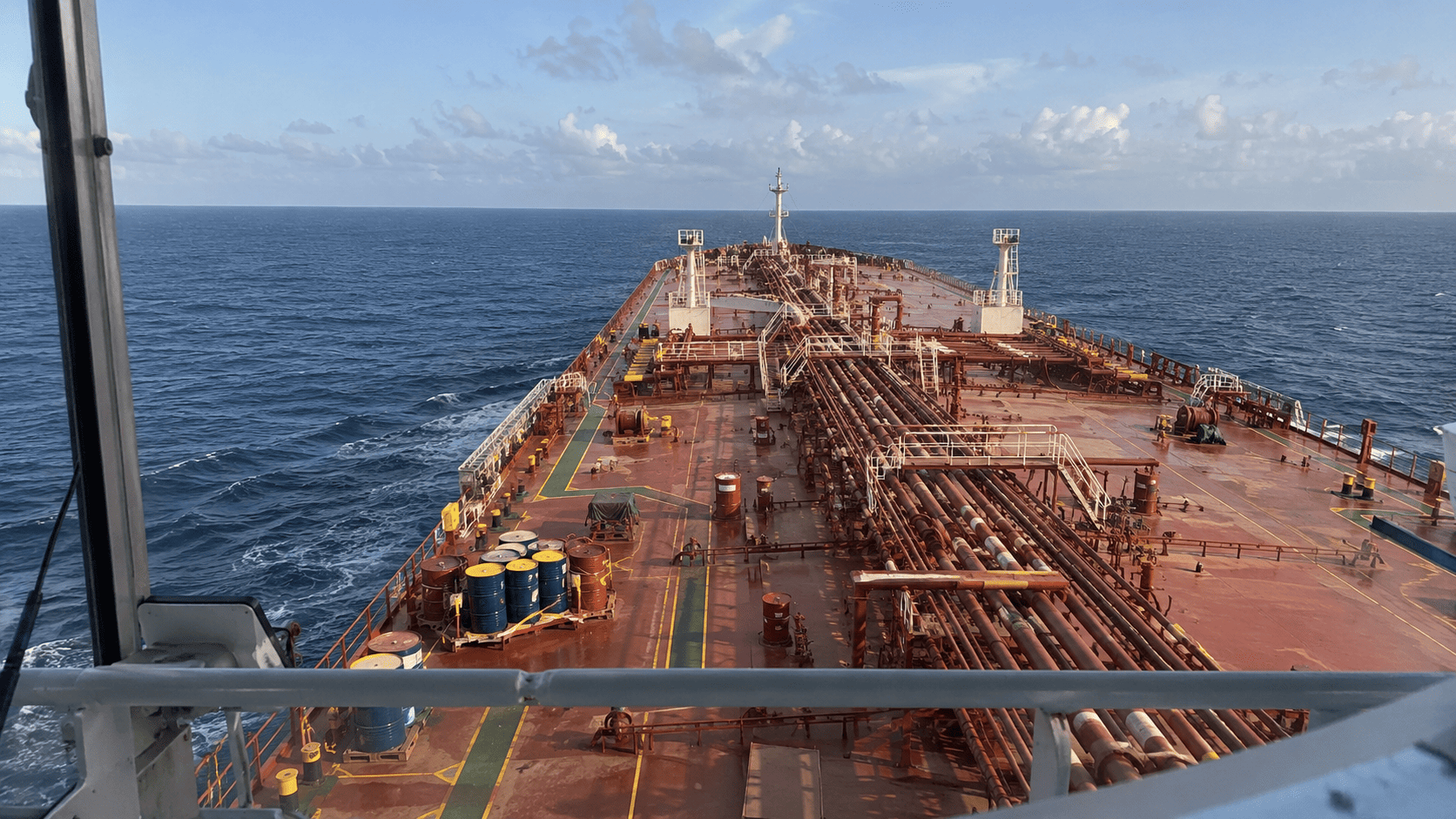
Tanker shortages and Hormuz risks shift oil-market value toward shipping, while OPEC+ restraint keeps crude supply tight.
- Saudi Arabia cut November Arab Light to Asia to $5.00 a barrel below the Oman and Dubai average on October 5, the widest discount since June 2020, helping offset record freight costs.
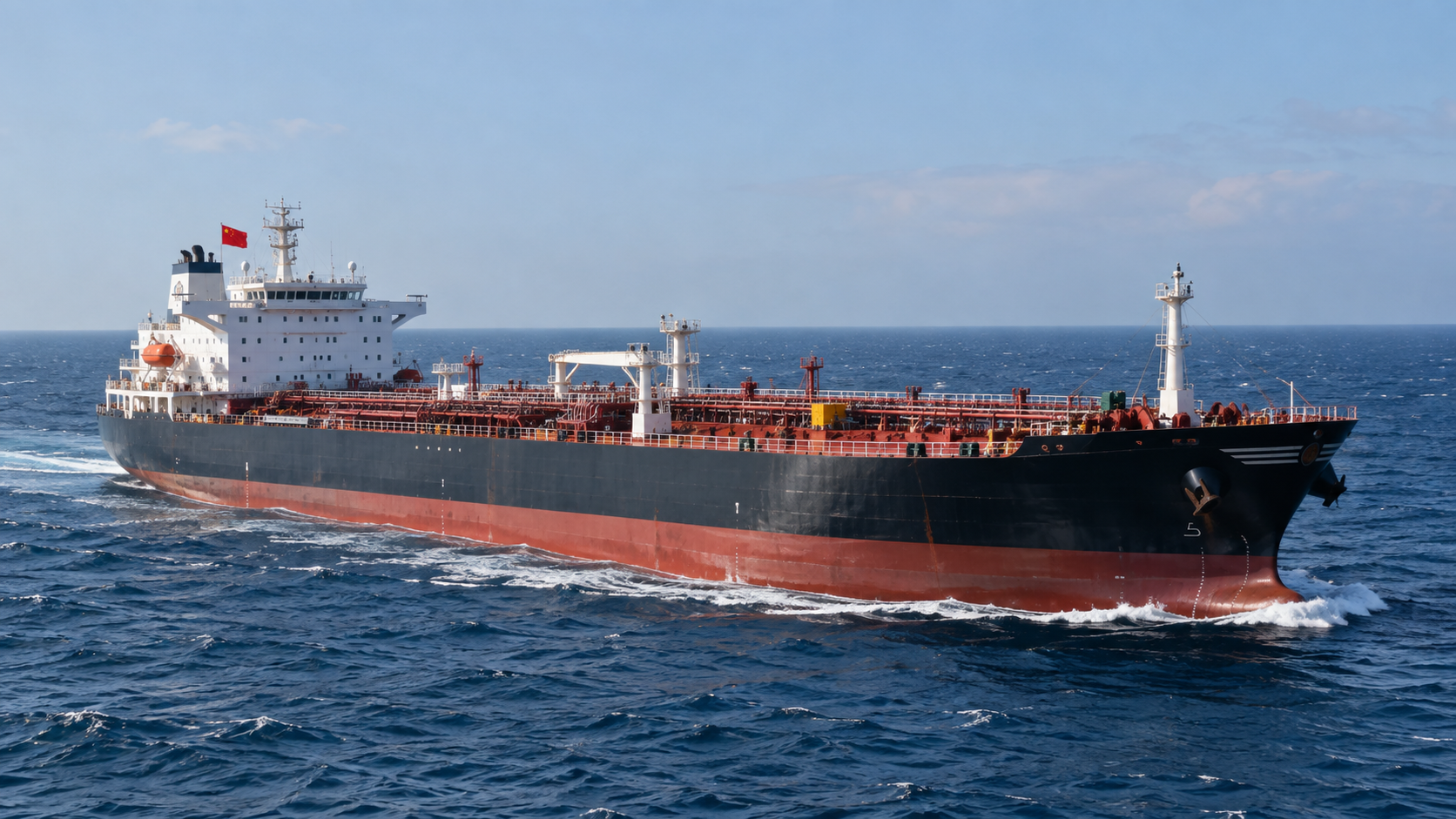
- The cut helps offset freight costs, with a very large crude carrier from the Gulf to China costing $1.2 million a day on October 2, up from about $80,000 a year earlier.
- OPEC+ held November output targets on October 4, keeping about 2 million barrels a day of cuts in place and delaying the 2027 quota review, limiting the supply response and supporting crude prices.
- The Group of Seven’s (G7) 100-million-barrel release spans four months, with diesel frontloaded into the first 20 days, while no schedule for the remaining barrels limits visibility on additional supply.
- A December Arab Light discount narrowing to $2.00 a barrel below Oman and Dubai in early November would signal lower freight costs and improve delivered crude economics.
Gulf Disruption Widens Asian Discounts Despite $100 Brent
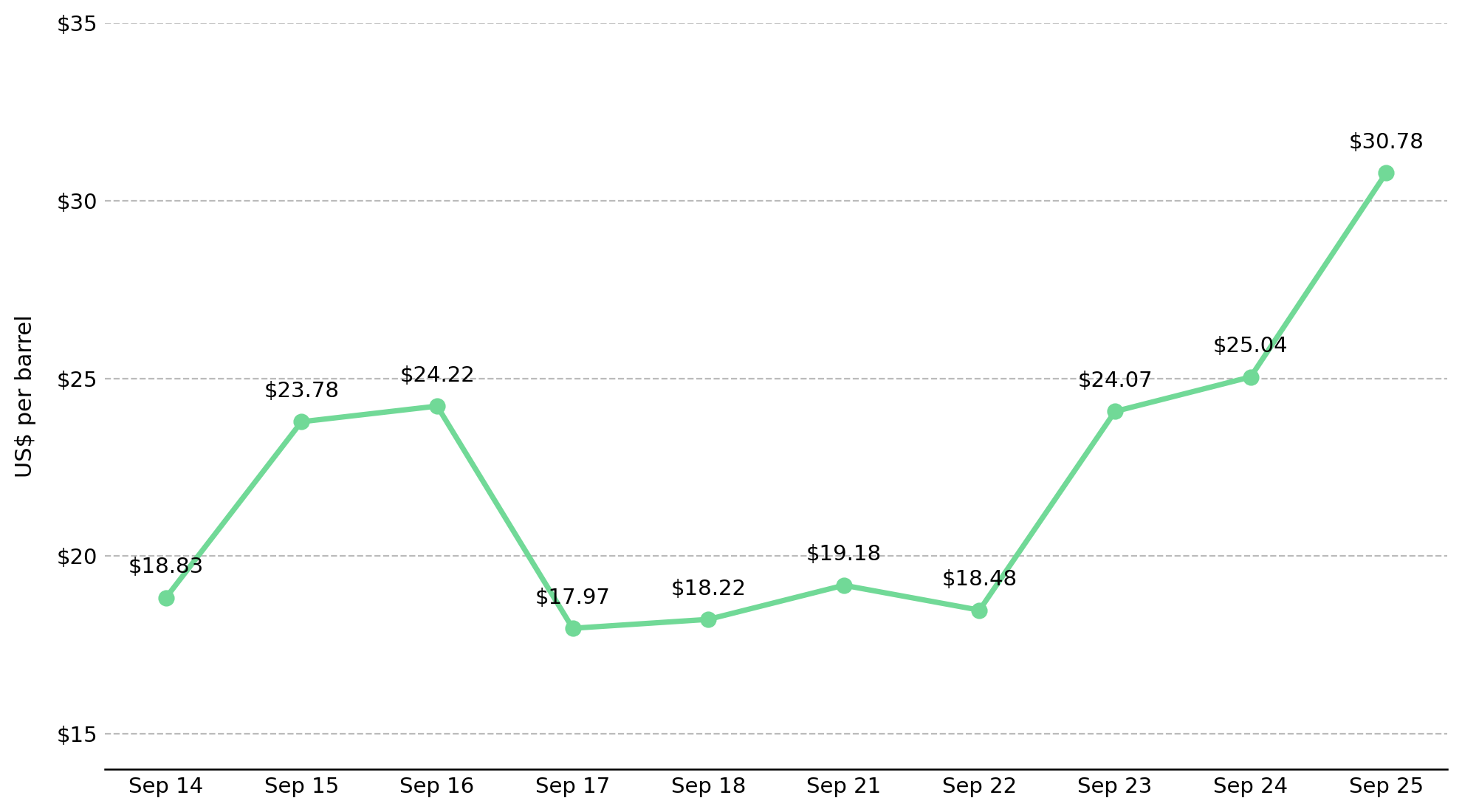
Saudi Arabia cut November Arab Light for Asia by $3.00 to $5.00 a barrel below Oman and Dubai, the widest discount since June 2020, versus expectations for an increase of up to $5.00. Brent remained above $100, settling at $102.25 before trading at $101.90, indicating the Saudi cut reflected freight costs rather than weaker crude demand.
Brent remains above $100 versus about $73 before the Iran war, a roughly 37% increase that shows crude prices remain elevated despite Saudi Arabia’s discount. The discount offsets transport costs, making freight rather than weaker demand the main driver of Asia’s delivered crude price.
Hormuz Attacks Lift Tanker Rates to $1.2M Daily
Chartering a very large crude carrier from the Gulf to China cost $1.2 million a day, 15 times the roughly $80,000 rate a year earlier. Saudi Arabia’s price cuts offset part of this freight cost for Asian refiners. Since September, Saudi Aramco has moved millions of barrels through ship-to-ship transfers outside the Strait of Hormuz, helping restore flows to pre-conflict levels despite longer routes and delays at Sidi Kerir.
Security risks around the Strait of Hormuz keep Gulf shipping routes expensive. UK Maritime Trade Operations reported eight vessel strikes around the strait, sustaining the risk premium in tanker rates. The Houthis also said they targeted Saudi Aramco sites in Riyadh and Khurais, reinforcing security risks that support elevated freight costs.
OPEC+ Output Freeze Limits 2027 Supply Response
OPEC+ held November output targets, keeping about 2 million barrels a day of cuts in place and delaying the review that sets 2027 quotas, limiting the supply response. Giovanni Staunovo, Analyst at UBS, told Reuters:
"Despite rising flows through the Strait of Hormuz, their output levels remain well below quota. Consequently, the oil market remains tight."
Higher Europe Crude Costs Favor Flexible Refinery Supply
Atlantic Basin refining margins face pressure from higher Saudi crude prices. Saudi Arabia raised November Northwest Europe prices by $3.00 a barrel across all grades, moving Arab Light from $2.15 below ICE Brent to $0.85 above it. Asian refiners received the opposite $3.00 adjustment, helping offset higher freight costs.
Refineries with access to non-Gulf crude at freight rates that preserve the price advantage can protect margins. Tim Waterer, Chief Analyst at KCM Trade, said crude was still moving at higher cost and through less efficient routes, keeping transport expenses elevated.
Without an end date for vessel strikes or a schedule for the remaining G7 barrels, the timing of lower charter rates remains uncertain. With charter rates up fifteenfold, a ceasefire could remove the freight premium within weeks even if Brent remains elevated, creating downside for crude-shipping equities. Freight-rate exposure therefore matters more than Brent direction when assessing crude-shipping equities.
Shipping Costs Now Decide Where Oil Profits Land
Shipping capacity, rather than production capacity, is constraining the oil market in late 2026. Even with its widest Asian discount since June 2020, Saudi crude remains costly to deliver because freight exceeds the price cut.
High freight costs are shifting more value from crude production to transportation. For integrated producers, OPEC+ spare capacity alone no longer explains delivered crude prices, making transport costs a direct valuation input. For seaborne crude shipping operators, elevated charter rates can support earnings while tanker capacity remains tight.
A decade of weak charter rates discouraged tanker orders, limiting fleet growth and increasing the value of available shipping capacity during disruptions. The shortage is therefore in shipping capacity rather than crude production capacity.
Analyst's Notes





Subscribe to Our Channel






Stay Informed


