Energy Fuels & ASM: Acquisition Adds Operating Rare Earth Metal & Alloy Capacity


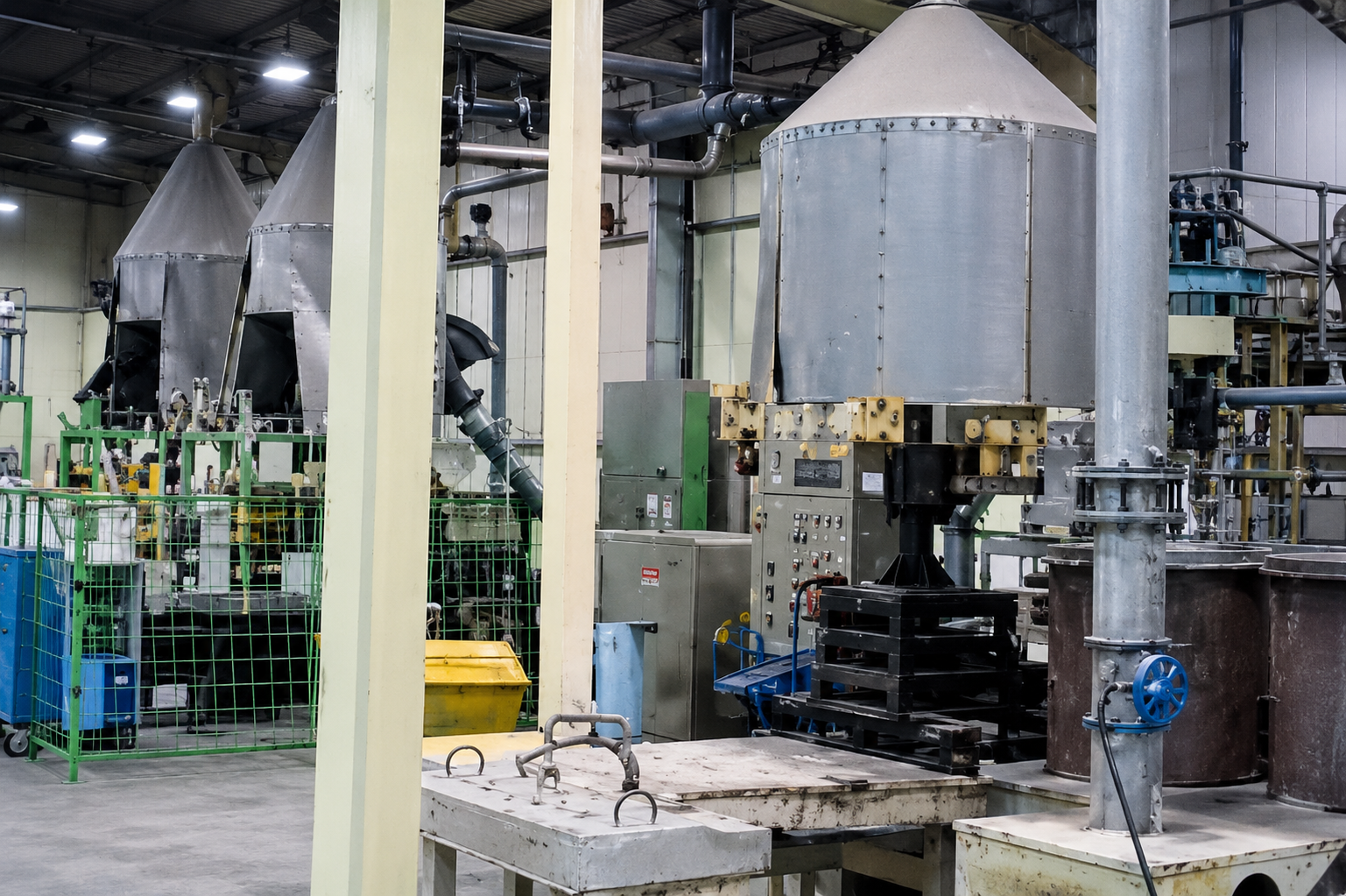
Energy Fuels closes ASM acquisition, adding 1,300 tonnes per year of alloy capacity as Korean Metals Plant expansion targets 3,600 tonnes per year by the end of 2026.
- Energy Fuels completed its acquisition of Australian Strategic Materials (ASM), adding the operating Korean Metals Plant and the development-stage Dubbo project to its rare earth portfolio.
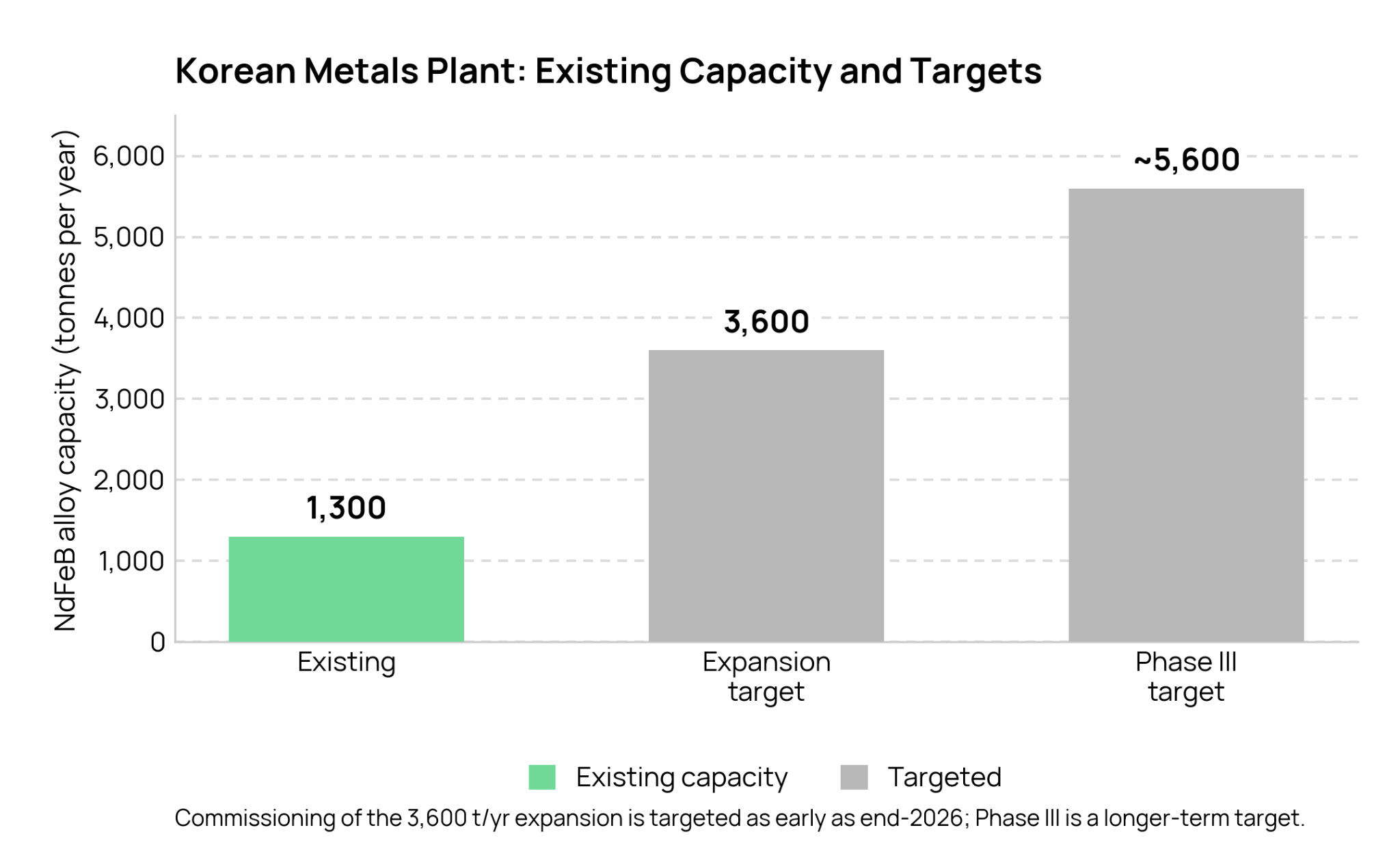
- The Korean Metals Plant adds 1,300 tonnes per year of existing neodymium-iron-boron alloy capacity and is being expanded toward 3,600 tonnes per year.
- Energy Fuels is targeting commissioning of the 3,600-tonne-per-year Korean Metals Plant expansion as early as the end of 2026, while approximately 5,600 tonnes per year remains a longer-term Phase III target.
- The acquisition adds commercial neodymium-praseodymium metallization and developing dysprosium and terbium metallization capabilities between Energy Fuels' oxide production and planned permanent magnet manufacturing.
- With ASM acquired, execution shifts toward expanding Korean Metals Plant capacity, advancing planned US metallization and alloy capacity, and completing the proposed Vacuumschmelze (VAC) acquisition.
ASM Closing Converts Planned Integration Into Operating Capacity
Energy Fuels Inc. (NYSE American: UUUU | TSX: EFR | ASX: EF2) completed its acquisition of Australian Strategic Materials Limited (ASM), thereby converting part of its planned rare-earth vertical integration into owned and operated metal and alloy production. The transaction adds the Korean Metals Plant in Ochang, South Korea, with 1,300 tonnes per year of existing neodymium-iron-boron alloy capacity, alongside commercial neodymium-praseodymium metallization and developing dysprosium and terbium metallization capabilities.
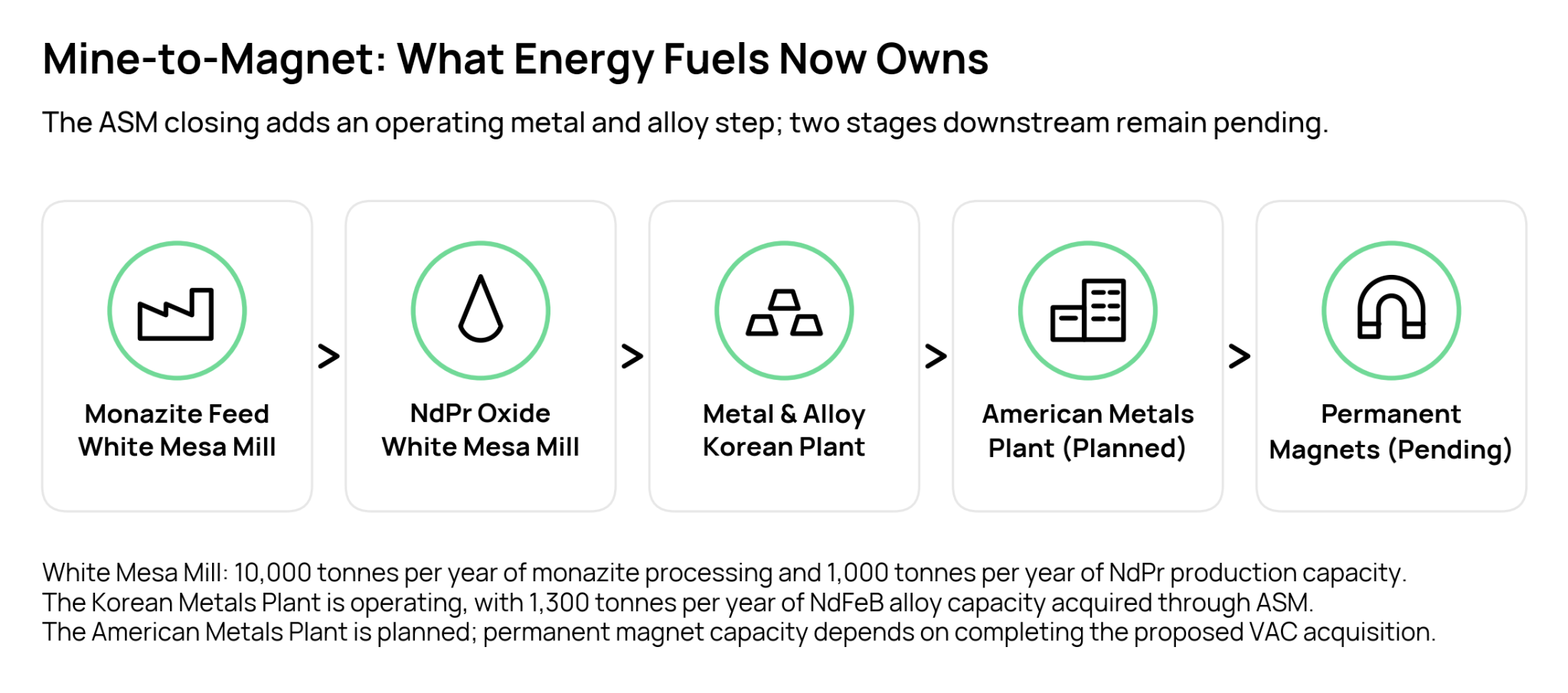
The acquisition gives Energy Fuels an operating midstream step between rare earth oxide production and permanent magnet manufacturing. Korean Metals Plant metallization and alloying directly complement neodymium-praseodymium, terbium, and dysprosium oxide production and expansion initiatives at the White Mesa Mill in Utah, while permanent magnet manufacturing remains dependent on the proposed Vacuumschmelze (VAC) acquisition.
Korean Metals Plant Expansion Targets 3,600 Tonnes Per Year
The Korean Metals Plant provides Energy Fuels with existing production infrastructure rather than another development-stage asset, with the company identifying 4 furnaces, 1 strip caster, and approximately 1,300 tonnes per year of installed capacity for neodymium-iron-boron alloy.
Energy Fuels is targeting an expansion of the Korean Metals Plant capacity to 3,600 tonnes per year, with commissioning as early as the end of 2026. Energy Fuels states that the expanded capacity could potentially produce enough neodymium-iron-boron alloy for more than 1 million electric vehicles per year, linking the expansion target to a company-stated measure of potential end-market scale.
Beyond the current expansion, the company identifies approximately 5,600 tonnes per year as a longer-term Phase III target. The capacity stages therefore remain distinct: 1,300 tonnes per year is existing capacity, 3,600 tonnes per year is the current expansion target, and approximately 5,600 tonnes per year remains a Phase III target rather than operating capacity.
Dubbo Adds a Development-Stage Rare Earth Asset
The ASM acquisition also adds the Dubbo project in New South Wales, giving Energy Fuels a development-stage rare earth asset alongside Korean Metals Plant's operating metal and alloy capacity. Dubbo is construction-ready, with all major permits in place and a 42-year mine life.
The company reports life-of-mine (LOM) production of approximately 1,000 tonnes per year of neodymium-praseodymium, approximately 49 tonnes per year of dysprosium, and approximately 11 tonnes per year of terbium. These figures represent potential production at the development stage rather than current output, preserving the distinction between Dubbo and the Korean Metals Plant's operating capacity.
Acquisition Fills the Midstream Gap in the Mine-to-Magnet Chain
Energy Fuels' White Mesa Mill has 10,000 tonnes per year of monazite processing capacity and 1,000 tonnes per year of neodymium-praseodymium production capacity, providing existing processing and oxide-production capacity upstream of the metallization and alloying capabilities acquired through Australian Strategic Materials. The acquisition therefore connects 2 operating stages of Energy Fuels' planned rare earth chain rather than adding another exclusively development-stage capability.
The Korean Metals Plant converts this oxide-focused position into commercial metallization and alloy production, extending Energy Fuels' mine-to-magnet strategy further downstream prior to permanent magnet manufacturing. Energy Fuels is also targeting replication of Korean Metals Plant capabilities through a new American Metals Plant as market conditions warrant, which would extend its metallization and alloying footprint into the United States.
The ASM closing consequently changes the company's immediate execution test: Energy Fuels already owns commercial metal and alloy capacity, while additional Korean Metals Plant capacity, an American Metals Plant, and permanent magnet manufacturing remain dependent on future expansion, development, or transaction completion.
Permanent Magnets Remain the Final Downstream Step
Permanent magnet manufacturing remains the missing downstream stage in Energy Fuels' planned rare earth supply chain, making the proposed VAC acquisition the transaction intended to add that capability. The company continues to describe VAC as a planned acquisition and states that completion would extend Energy Fuels through the final stage of the rare earth supply chain.
The distinction defines what the ASM acquisition has and has not accomplished. Energy Fuels now owns commercial metallization and neodymium-iron-boron alloy capacity through the Korean Metals Plant, while permanent magnet manufacturing remains dependent on completion of the proposed VAC transaction.
What Comes Next
The nearest disclosed operating milestone is expansion of the Korean Metals Plant toward 3,600 tonnes per year of neodymium-iron-boron alloy capacity, with Energy Fuels targeting commissioning as early as the end of 2026. Approximately 5,600 tonnes per year remains a longer-term Phase III target, while the planned American Metals Plant is intended to replicate Korean Metals Plant capabilities in the United States as market conditions warrant.
With the ASM acquisition completed, the execution focus shifts from acquiring midstream capacity to expanding and integrating the capacity Energy Fuels now owns. The 3,600-tonne-per-year Korean Metals Plant expansion still requires commissioning; approximately 5,600 tonnes per year remains a longer-term target, and permanent magnet manufacturing remains dependent on completion of the proposed VAC acquisition.
FAQs (AI-Generated)
Analyst's Notes





Subscribe to Our Channel
.jpg)






Stay Informed