Wiluna's 78.1 Million Pounds Face a 6 to 12-Month Update Window


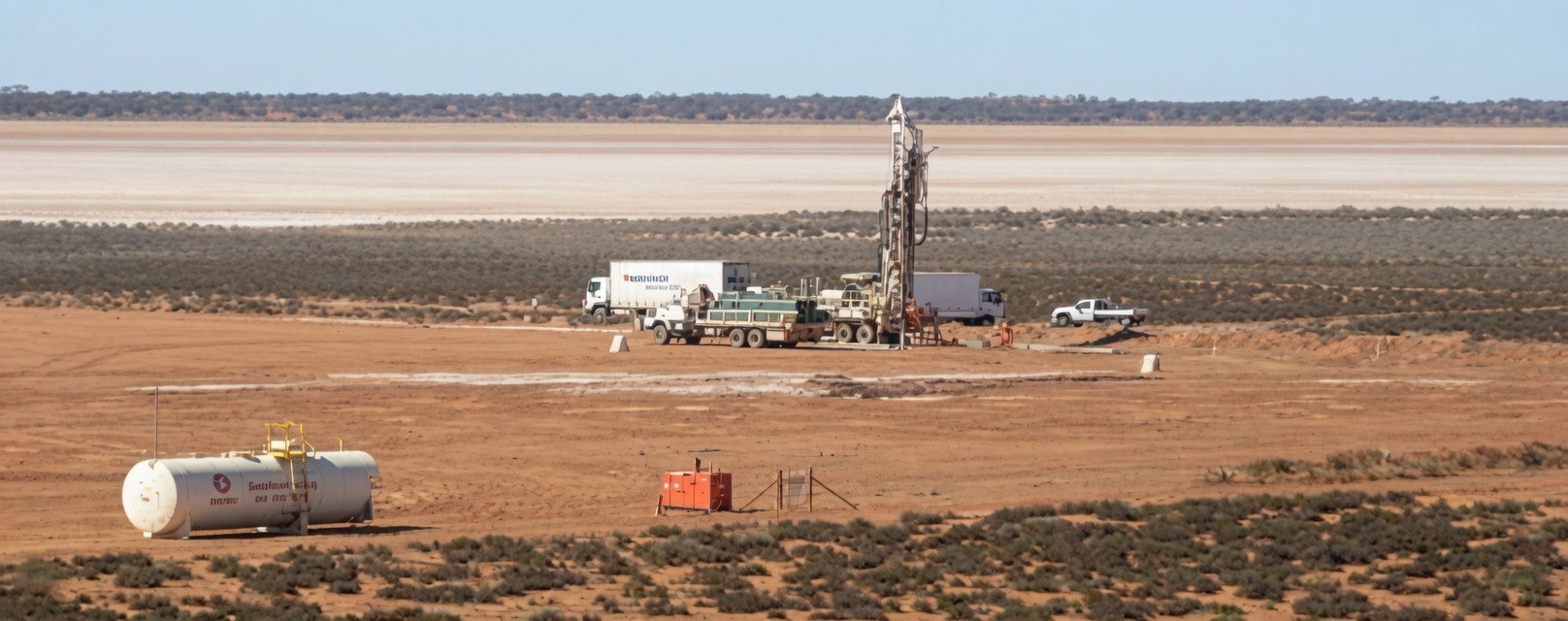
IsoEnergy's Wiluna project has a historical estimate of 78.1 million pounds. Four potential steps, plus a 35% partner right at Lake Maitland, shape its path.
- Wiluna's 78.1 million pounds of measured and indicated uranium oxide is a historical estimate, not a current resource.
- The estimate covers 5 deposits at a 100 parts-per-million uranium oxide cut-off grade.
- The potential next steps are a resource conversion, pilot-plant drilling, infill drilling, and a preliminary economic assessment (PEA).
- Management put 6 to 12 months on the resource and economic study updates.
- Japan Australia Uranium Pty and Itochu hold the right to acquire 35% of Lake Maitland for US$39.6 million.
What Has Happened
IsoEnergy (NYSE American: ISOU | TSX: ISO) counts the Wiluna Uranium Project in Western Australia among its 2 development-stage assets, alongside the Hurricane deposit in Saskatchewan. Its resource is a historical estimate of 78.1 million pounds (lb) of uranium oxide in the measured and indicated categories and 27.7 million lb in the inferred category, prepared under the JORC Code, and IsoEnergy does not treat it as a current mineral resource. Hurricane already has a current indicated resource of 48.6 million lb at 34.5% uranium oxide.
The potential next steps span a resource conversion, 2 drilling programs, and a preliminary economic assessment (PEA).
What the Historical Estimate Covers
The historical estimate spans 5 deposits: Centipede-Millipede, Lake Way, Lake Maitland, Dawson Hinkler, and Nowthanna. It was prepared under the 2012 edition of the JORC Code, the Australasian code for reporting mineral resources, based on work by Condor Geostat Services Pty Ltd, and was reported by Toro Energy in an announcement to the Australian Securities Exchange.
The measured and indicated total is 95.1 million tonnes (t) at 373 parts per million uranium oxide. The Wiluna area accounts for 77.8 million t at 403 parts per million, or 69.1 million lb, and the Regional area for 17.3 million t at 236 parts per million, or 9.0 million lb. The inferred category adds 55.6 million t at 226 parts per million for 27.7 million lb. Every figure is reported at a 100 parts-per-million uranium oxide cut-off grade.
A Qualified Person, the accredited professional who takes responsibility for technical disclosure under NI 43-101, has not done sufficient work to classify the estimate as a current mineral resource. The estimate has not been updated since it was last reported, and IsoEnergy is not aware of new information or data that materially affects it. Verifying it as current would require an updated mineral resource estimate incorporating additional drilling and any subsequent technical work.
Four Potential Next Steps at Wiluna
The 4 potential steps address both the resource and the economics. The first converts the JORC resource to NI 43-101 compliance, the Canadian standard for disclosing mineral projects. The second and third are drilling programs: a pilot-plant program and an infill program, which involves drilling between existing holes to tighten data spacing. The fourth converts the scoping study, an early-stage economic review, into a PEA, a more detailed but still preliminary test of a project's economics.
Chief Executive Officer of IsoEnergy, Philip Williams, puts a 6 to 12-month window on the resource and study work:
"That's the game plan for the next sort of 6 to 12 months. Update the resource, update the economic study, do some additional infill drilling on it to improve the confidence of the resource, and all of those things we think will add value and move the project forward to where we think it can ultimately go."
No completion date has been given for the conversion or the PEA, so the 6 to 12-month window given on July 2, 2026, is the timing on record.
Deposit Depth & the Processing Route
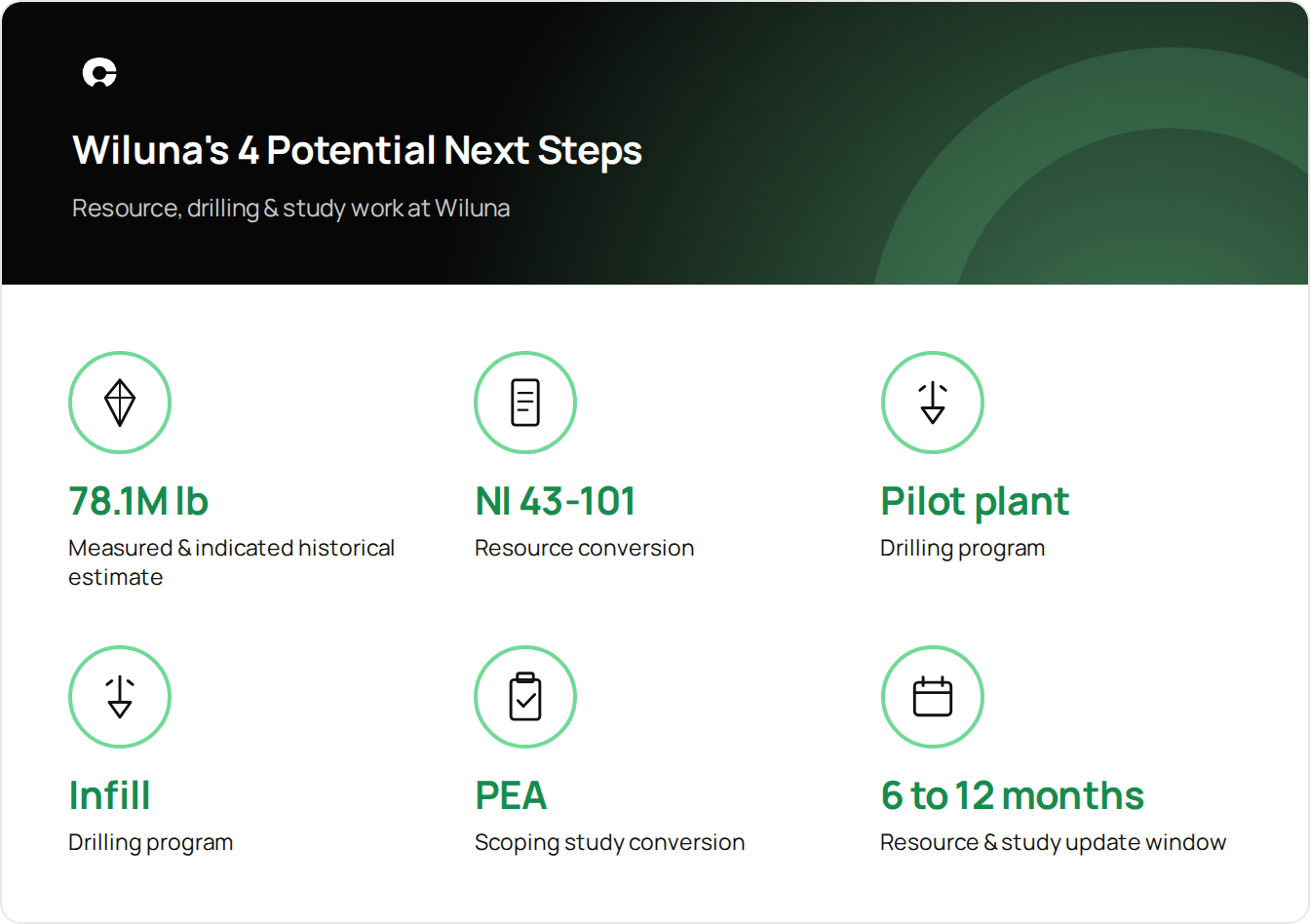
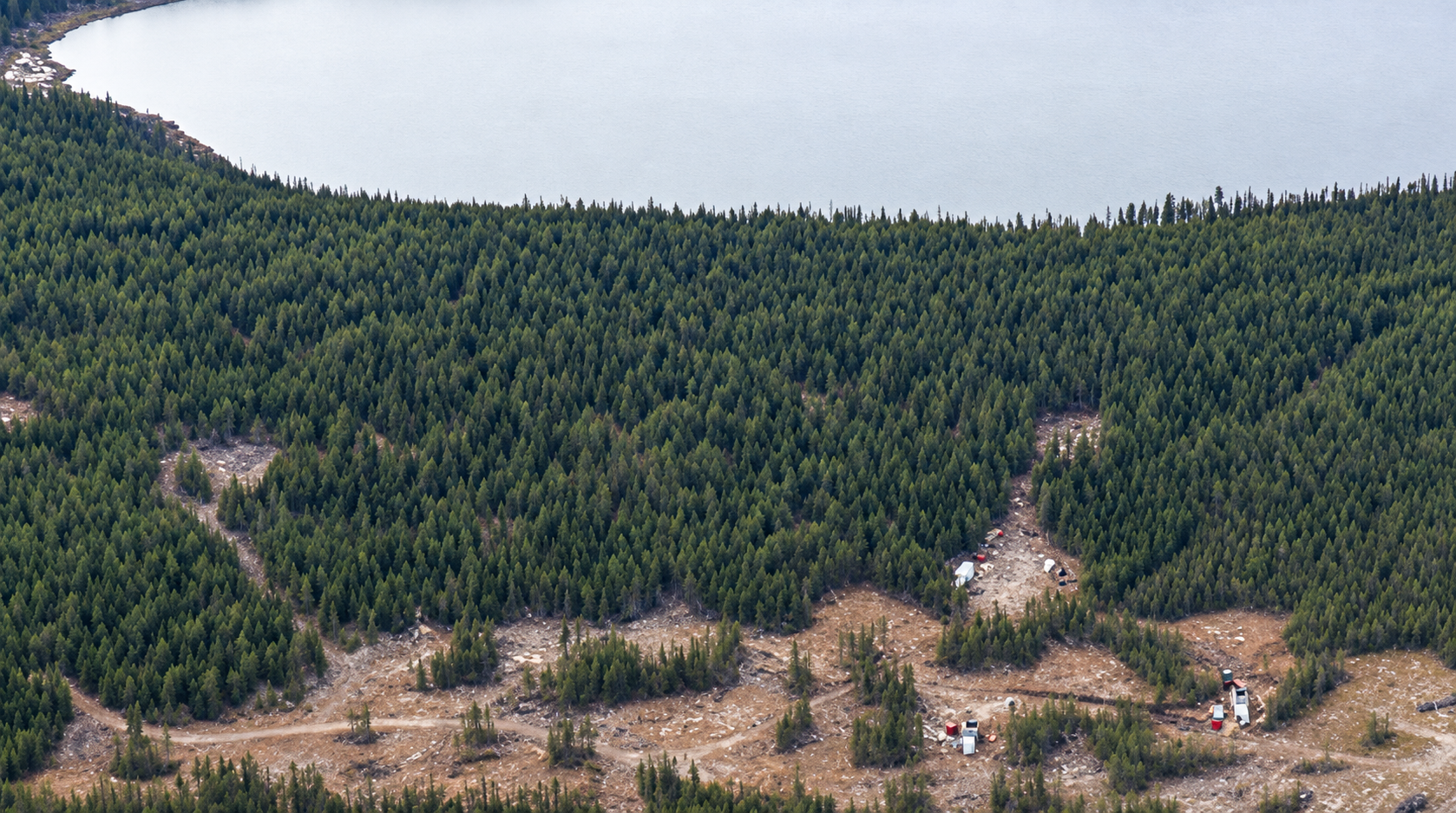
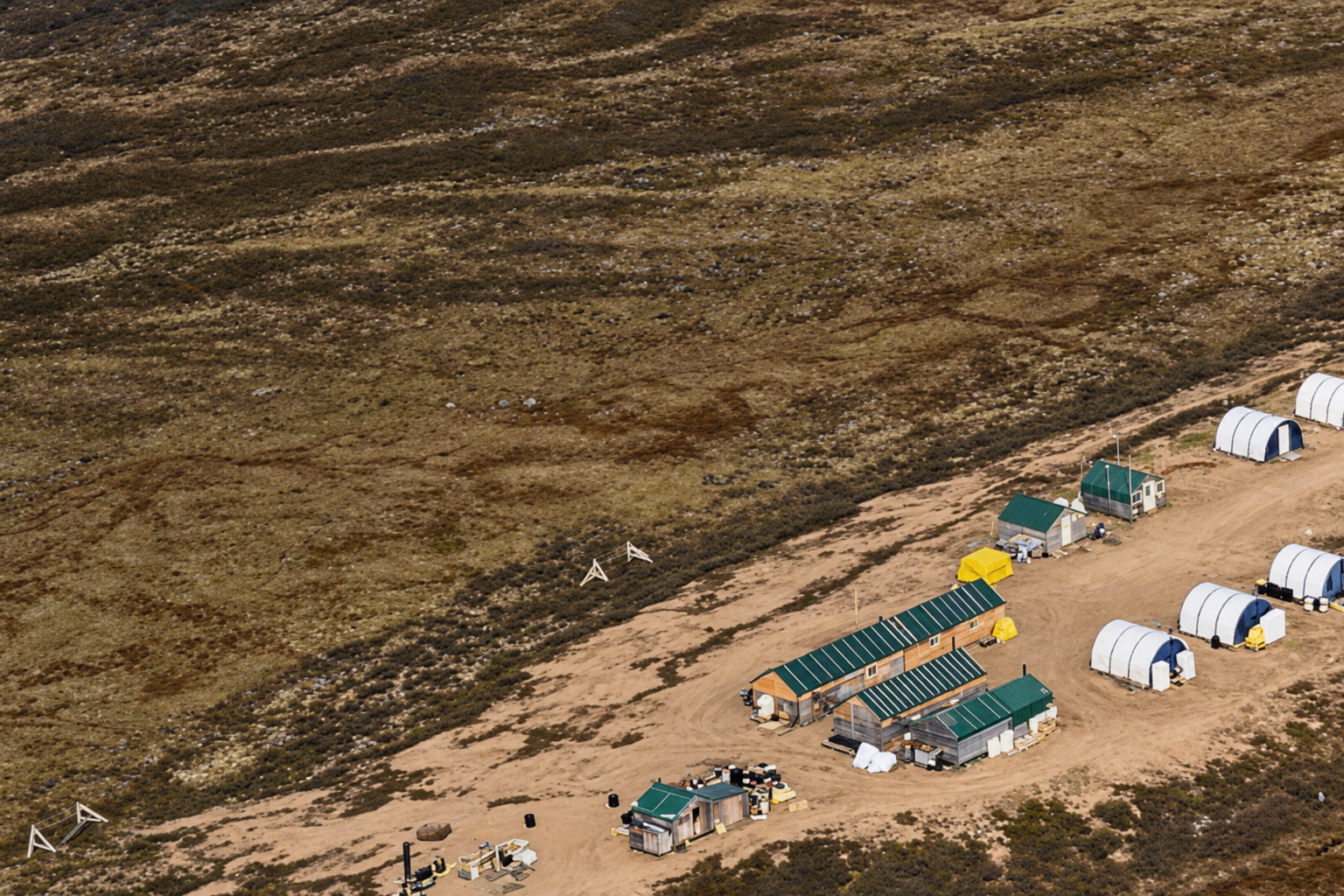
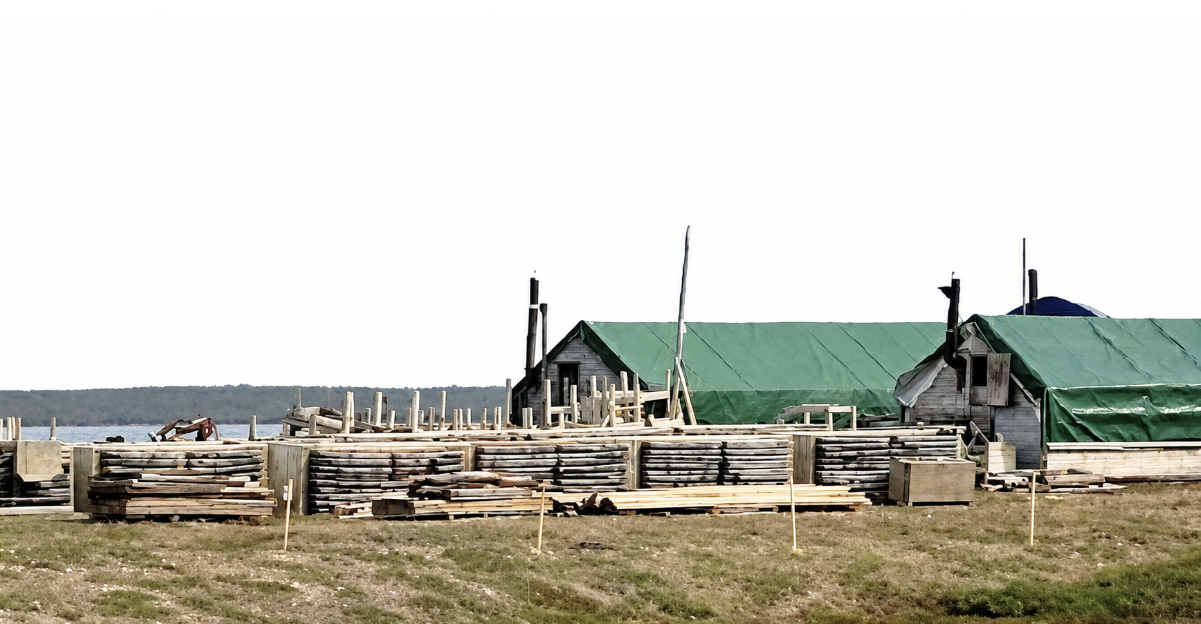
Wiluna's development plan is built around shallow ore and a single central plant. The project lies 30 kilometers south of the town of Wiluna, in the northern goldfields of Western Australia, a region with established mining infrastructure. The project has multiple shallow carbonate deposits at about 10 meters (m) depth, suited to open-pit mining and to alkaline leach processing, a method that dissolves uranium from ore with an alkaline chemical solution.
Williams ties the ease of mining to how close the ore lies to the surface:
"It's a very easy-to-mine deposit. It sits right at surface, from surface down to 10 meters."
The processing strategy proposes a central processing facility near Lake Maitland, with satellite pits trucking ore to it. The project area includes a proposed processing plant site, a haul road to Lake Maitland, borefields (clusters of water wells), and access to the Goldfields Highway and a gas pipeline.
Lake Maitland & the 35% Partner Right
The partner's right applies to the deposit where the scoping study was completed. Japan Australia Uranium Pty and Itochu, the project's offtake partner (a buyer of future production), hold the right to acquire a 35% interest in Lake Maitland for US$39.6 million. IsoEnergy owns 100% of Wiluna, and the right applies to Lake Maitland rather than to the wider project.
No offtake volumes, pricing, or contract terms have been disclosed.
Broader Context
Wiluna sits in Australia, which has the largest share of the world's uranium resources and is the fourth-largest producer. Western Australia ranks 6th of 68 jurisdictions globally for investment attractiveness and 13th of 68 for policy perception, and recorded about A$18.2 billion in mining capital expenditure and about A$2.5 billion in exploration expenditure in 2024.
In Australia, the grant of mining leases is a responsibility of state governments. Management says the project has a history of federal and state permitting, with federal and state permits previously held to build the mine. Williams acknowledges uncertainty over where the state government stands on uranium, then points to its position on those earlier approvals:
"The current government has indicated that they will honor those past permits."
Other uranium projects in Western Australia include Yeelirrie and Kintyre, both 100% owned by Cameco, and Mulga Rock, 100% owned by Deep Yellow.
What to Watch Next
The disclosures to watch follow the 4 potential steps. The NI 43-101 resource conversion would produce the updated estimate needed to verify the historical estimate as a current mineral resource. The PEA on the Lake Maitland scoping study and results from pilot-plant and infill drilling are the other listed items.
FAQs (AI-Generated)
Analyst's Notes





Subscribe to Our Channel


.jpg)



Stay Informed