




EU EV Demand Fails to Halt 25% Lithium Price Fall


Low spodumene prices are delaying project funding, tightening future supply, and favoring well-funded lithium developers.
- EU electric vehicle sales reached 1.64 million units from January to August 2026, up 45%, giving EVs a 22% market share and supporting lithium demand.
- Guangzhou Futures Exchange lithium carbonate fell 25% in September to below 120,000 yuan per tonne, about $17,900, by September 30, pressuring pre-production lithium project economics.
- Lithium iron phosphate (LFP) cells, which use lithium but no nickel or cobalt, accounted for over 55% of global EV battery deployment in 2025, supporting lithium demand without equivalent nickel or cobalt demand.
- On October 1, LME nickel traded near its 2026 low at $16,000 to $16,700 per tonne, while cobalt fell below $40,000 despite the Democratic Republic of the Congo’s 96,600-tonne export quota.
- A return above 160,000 yuan per tonne could improve spodumene project economics, while prices below that level could push pre-production construction decisions into 2027.
45% EU EV Growth Sustains Lithium Demand Despite Price Fall
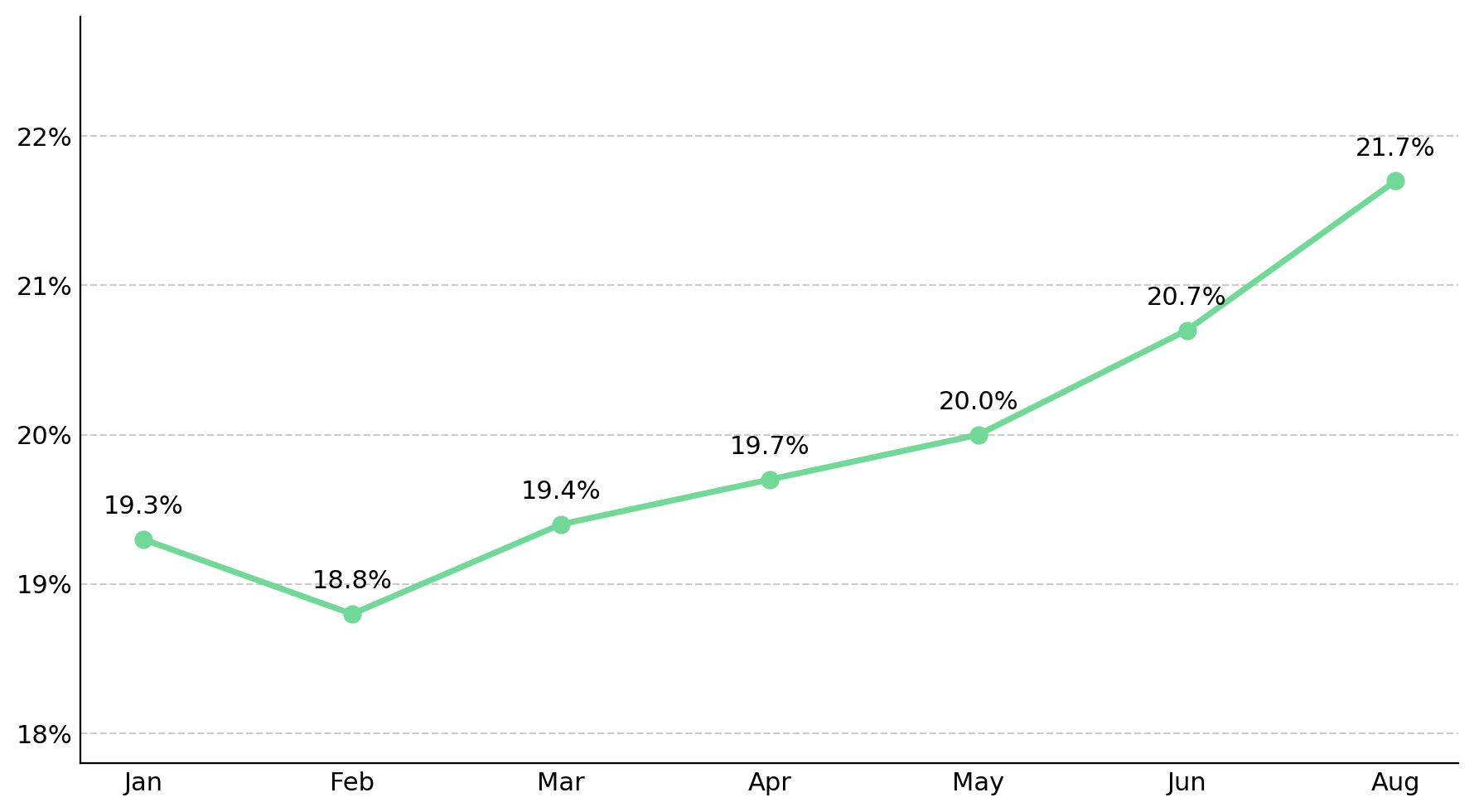
EU electric vehicle sales reached 1.64 million units from January to August, up 45% year over year, with EVs taking 22% of the market. Battery-electric vehicles accounted for 21.7% of registrations, up from 15.8% a year earlier, supporting lithium demand despite weaker prices.
Lithium carbonate futures on the Guangzhou Futures Exchange fell 25% in September, from above 160,000 yuan per tonne to below 120,000 yuan, about $17,900. The decline contrasted with record EU EV registrations, indicating that near-term lithium pricing reflected Chinese cell scheduling and inventory conditions rather than weaker EV adoption.
55% LFP Share Limits Nickel, Cobalt Demand From EV Growth
Battery chemistry determines which metals benefit from EV sales growth. LFP cells contain no nickel or cobalt and accounted for over 55% of global EV battery deployment in 2025, up from nearly 50% in 2024. In China, LFP accounted for 81.3% of power cell output, concentrating more EV battery demand in lithium. Each additional EU EV using LFP therefore adds lithium demand without an equivalent increase in nickel or cobalt demand.
Near-term lithium pricing was driven more by Chinese cell orders than European EV registrations. LFP accounted for over 10% of EU EV battery demand in 2025, little changed from 2024. In September, nickel cobalt manganese (NCM) cathode output plans slowed month over month while LFP plans rose only modestly, weakening near-term lithium demand signals from cell producers.
Chinese Cell Orders Drive Near-Term Lithium Pricing
EV registrations can rise before lithium prices recover because cathode orders adjust monthly while mine supply takes years to respond. Adam Megginson, Principal Analyst at Benchmark Mineral Intelligence, said weaker quarter-end sentiment pulled lithium chemical and spodumene prices lower together rather than changes in installed EV demand.
23.5% Spodumene Fall Favors Better-Funded Developers
Pre-production hard-rock lithium developers face tighter project economics after spodumene prices fell 23.5% in the third quarter, increasing financing pressure. Nickel and cobalt producers also face weaker pricing, with LME nickel at $16,000 to $16,700 per tonne and cobalt below $40,000 despite the DRC's 96,600-tonne annual export quota.
Funding structure determines how exposed a developer is to weak spot prices, with prepayment and offtake agreements reducing reliance on spot-linked financing. Lithium carbonate was assessed at $19,750 per tonne CIF Asia while EXW China prices fell 20.8% in the third quarter, leaving seaborne contract pricing above domestic Chinese levels.
Because Chinese monthly cell schedules are published after the fact, developers can commit capital before current demand data are available, while financing below the prior raise can dilute existing junior equity holders.
What Makes Low Prices Tighten Future Supply
EU battery-electric vehicles reached 21.7% of registrations, while lithium iron phosphate batteries supporting part of that growth consume lithium but no nickel or cobalt. September's lithium price fall reflected Chinese cell scheduling and inventory conditions rather than weaker EV adoption.
Lower lithium prices shifted more pricing power toward cell buyers and away from upstream producers. For pre-production hard-rock lithium developers, strong European EV adoption alone no longer supports project financing, making Chinese lithium prices a core valuation input.
Weak spodumene prices can defer construction, reducing planned 2029 and 2030 supply and favoring permitted projects that remain funded through the downturn.
Analyst's Notes





Subscribe to Our Channel
.png)







Stay Informed


