




Indonesia’s Nickel Exchange Could Shift Pricing Across Two-Thirds of Global Supply


Indonesia's 66.6% mine share, Class II reference pricing, and high inventories are reshaping how future nickel supply is valued.
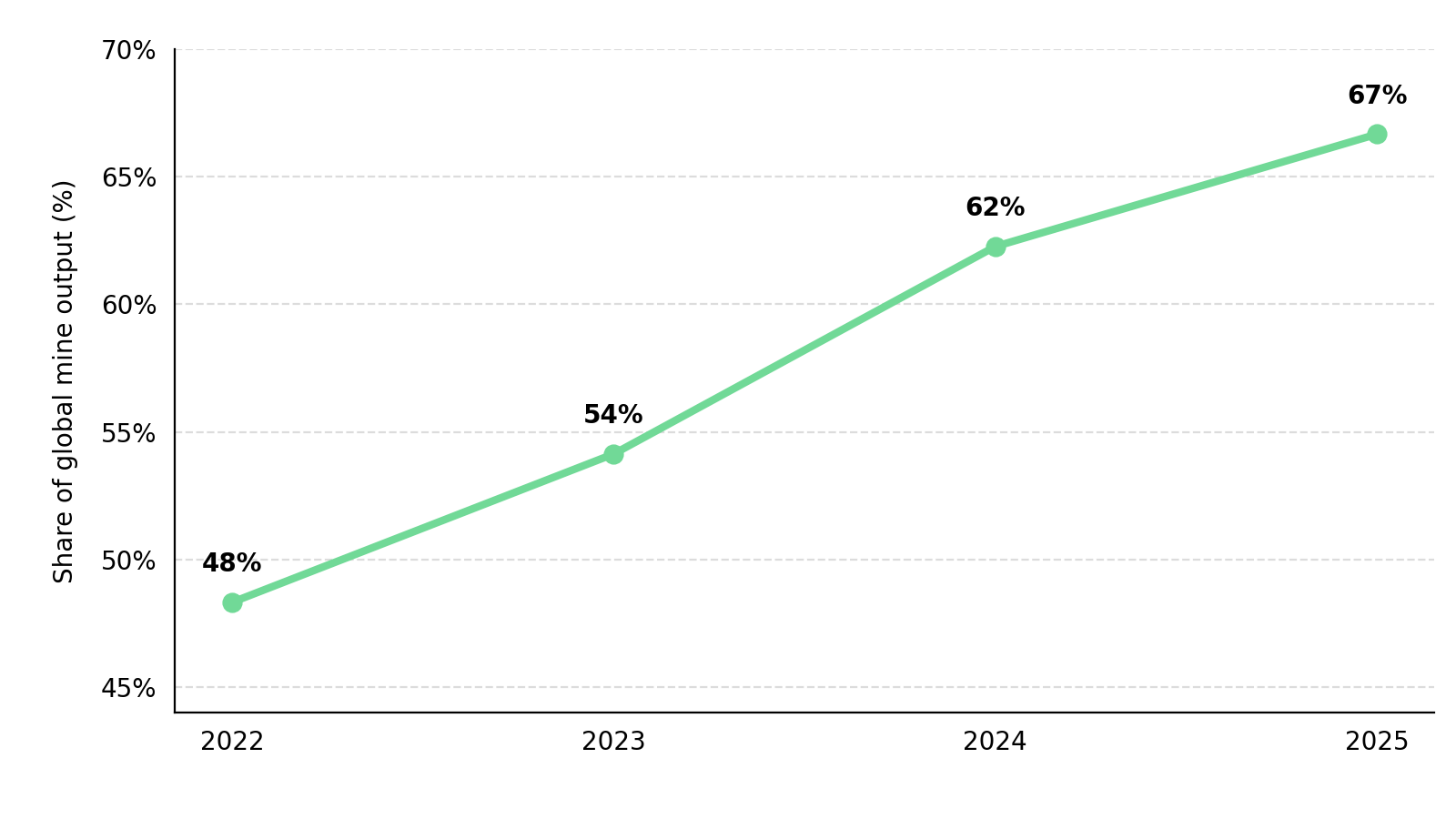
- Indonesia produced 66.6% of global mined nickel in 2025, yet the London Metal Exchange (LME) contract requires primary nickel with at least 99.80% purity, leaving much of Indonesia's lower-purity Class II output outside direct delivery against the LME contract.
- Indonesia plans to use its Strategic Minerals and Commodities Exchange to develop domestic reference prices, with regulations effective January 1, 2027 establishing the operating framework for the new market.
- Indonesian nickel pig iron (NPI) is already priced separately, with Platts assessing 10% nickel-content material at US$145.40 per metric ton Free on Board (FOB) Indonesia on August 14, showing that product form already affects how nickel is priced.
- An Indonesian exchange could complement rather than replace the LME by improving Class II price transparency, while trading liquidity and commercial adoption will determine whether its reference prices become widely used in physical nickel transactions.
- More granular nickel pricing makes processing route, cost position, project location, financing readiness, and development progress more important when comparing future supply outside Indonesia’s dominant production base.
Indonesia’s 66.6% Share Raises Need for Class II Reference Pricing
S&P Global estimates that Indonesia produced 66.6% of global mined nickel in 2025, while the US Geological Survey (USGS) estimates 2.6 million tonnes of Indonesian output against 3.9 million tonnes globally, equal to roughly 67%. However, the LME contract requires primary nickel with at least 99.80% purity, leaving much of Indonesia’s lower-purity Class II output and nickel intermediates outside direct delivery against the benchmark.
Indonesia is targeting the Strategic Minerals and Commodities Exchange to begin operating by January 1, 2027, with the aim of establishing domestic reference prices, improving transaction transparency, and increasing Indonesia’s influence over commodity price formation. For nickel, the exchange could make prices for Indonesian physical products more visible and more relevant to reference pricing in a market where the country supplies roughly two-thirds of mined output.
Indonesia’s Supply Controls Drive Price Volatility
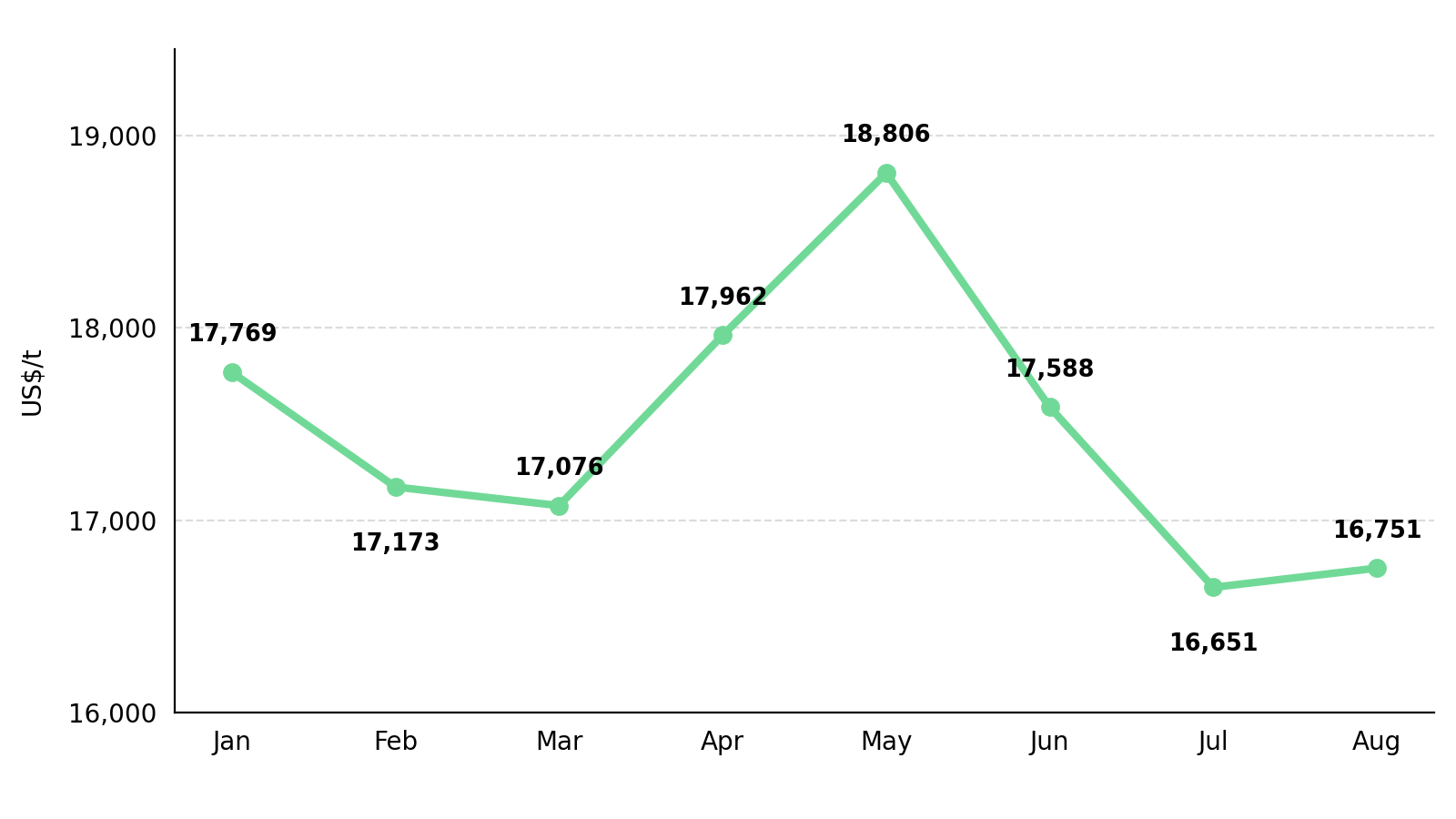
Indonesia already influences nickel prices through mining quotas, domestic ore-price formulas, restrictions on new processing capacity, and downstream industrial policy. These production controls drove much of nickel’s 2026 price volatility, with LME cash prices trading around US$19,000 per tonne earlier in the year after Indonesia moved to restrain production following prolonged oversupply.
Quota Cuts Show Nickel Prices Move Through Supply Policy
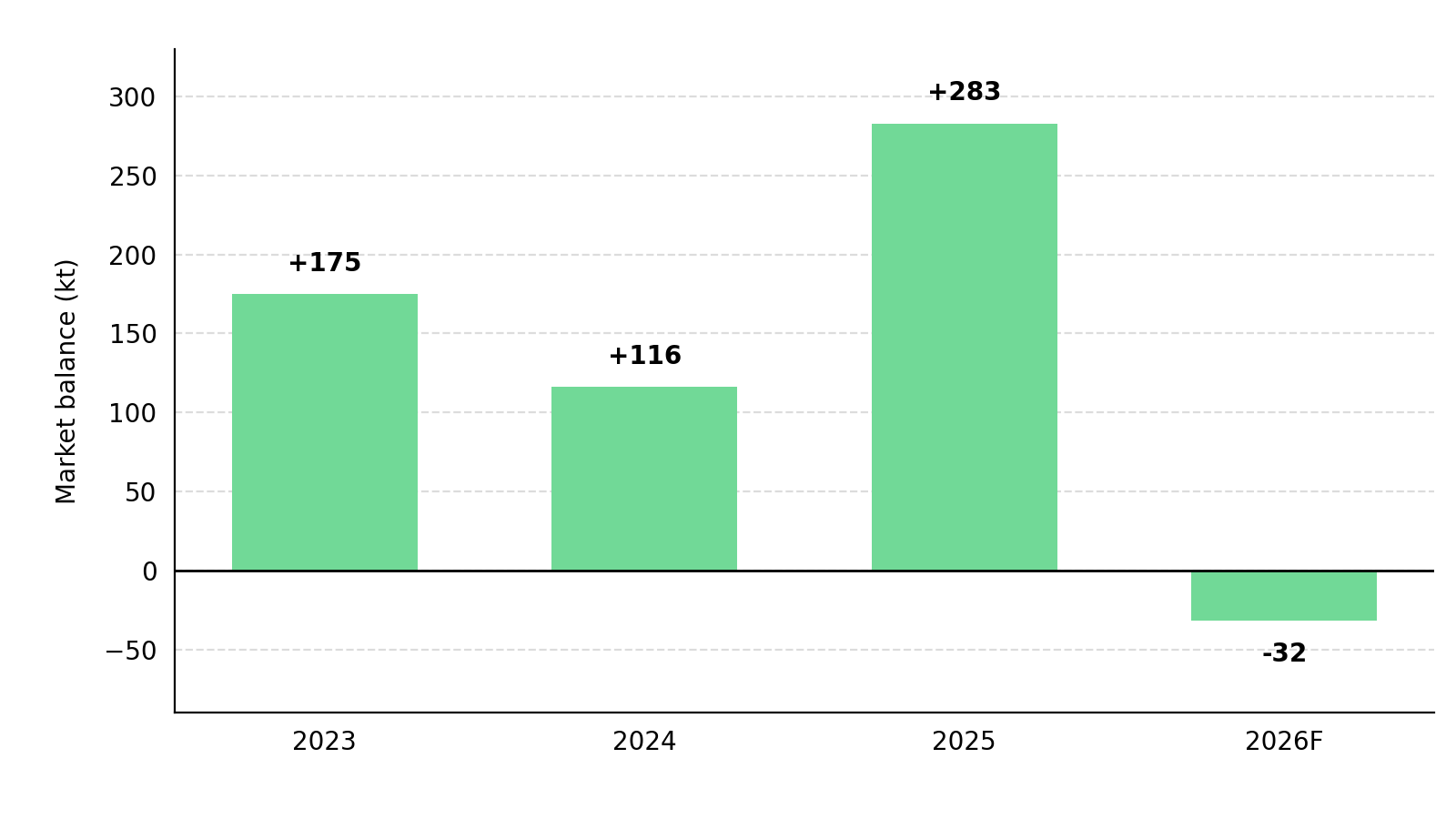
International Nickel Study Group (INSG) forecast in April that 2026 primary nickel production of 3.715 million tonnes would trail usage of 3.747 million tonnes, implying a 32,000-tonne deficit after a 283,000-tonne surplus in 2025. INSG also identified Indonesian production as a key uncertainty because the 2026 mining quota was set below the prior year’s level but remained open to upward revisions.
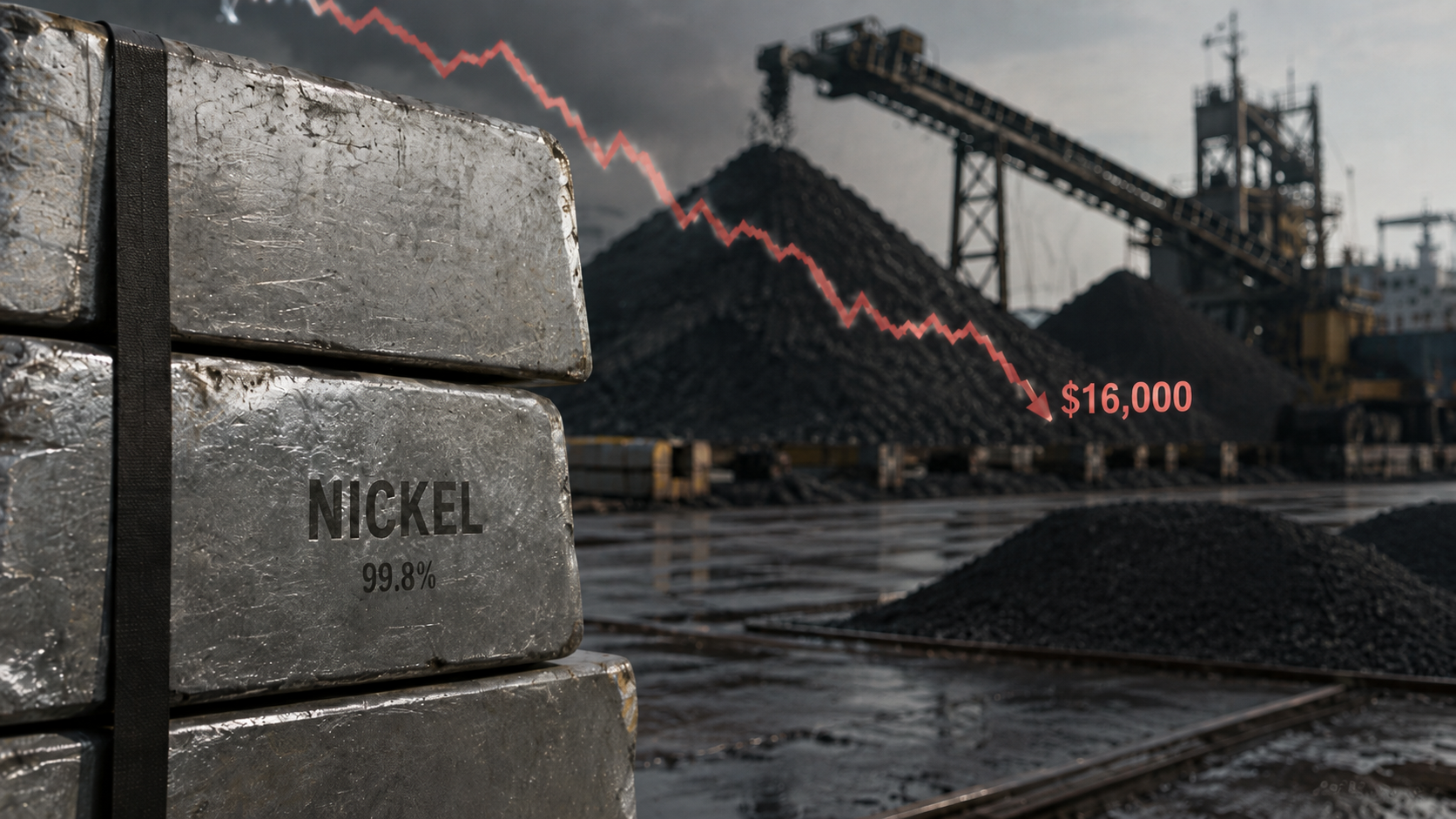
Indonesia’s plan to reduce nickel ore mining quotas from 379 million tonnes in 2025 to 250 million to 260 million tonnes initially helped lift LME nickel to US$20,000 per tonne in May. By September 22, prices had returned to approximately US$16,500 as mid-year quota increases for selected operators and rising ore imports weakened expectations of tighter supply. The price response shows that Indonesia already influences nickel through supply policy, while a domestic exchange could extend that influence by making Indonesian transaction prices more visible.
Class II Supply Drives More Product-Specific Pricing
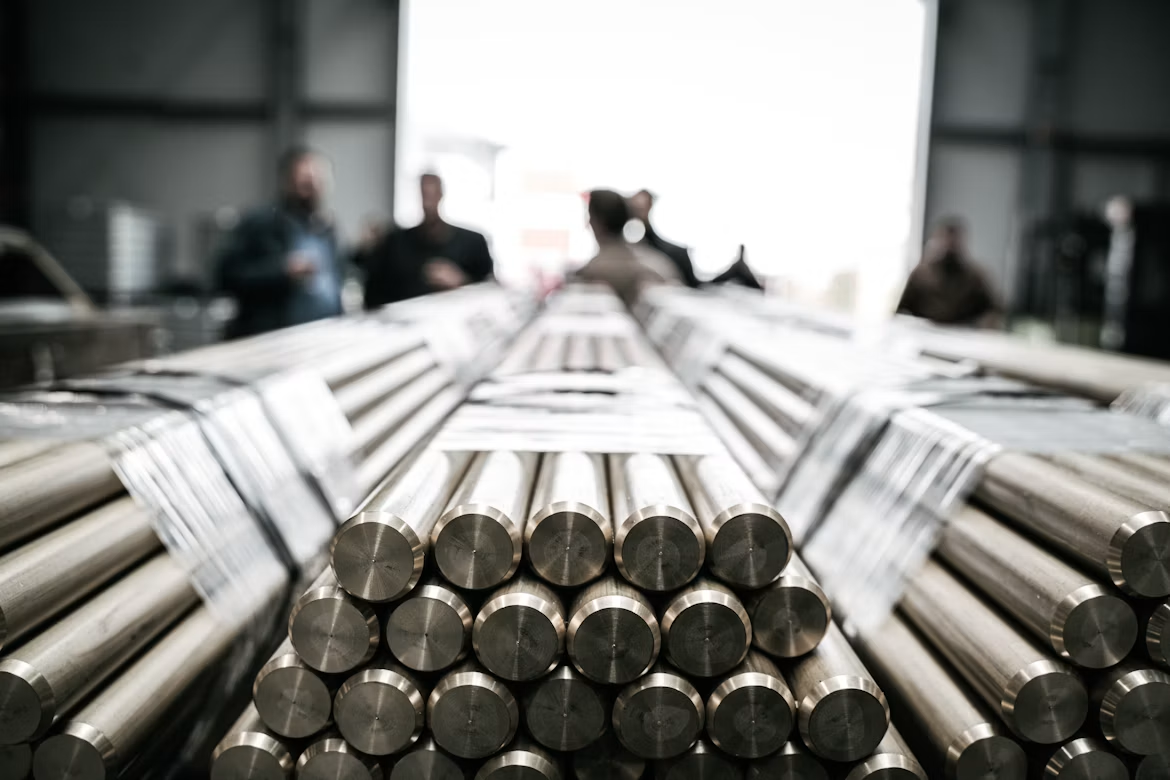
Class I nickel meets the LME requirement of at least 99.80% nickel purity, while Class II includes lower-purity products, such as NPI and ferronickel, that are heavily used in stainless steel. Because these products require different processing routes and carry different conversion costs, they are not directly interchangeable for LME delivery, limiting how closely Indonesia’s mine-supply dominance translates into the benchmark contract.
LME Purity Rules Restrict Class II Delivery
The LME contract is physically settled, but its delivery requirements exclude much of the Class II supply produced in Indonesia. The proposed Indonesian platform could complement the LME by improving price discovery for Class II products that are not directly represented in the existing benchmark.
Indonesian NPI can be converted into nickel matte and then into higher-purity products suitable for battery supply chains, while Indonesia has also added Class I production capacity. These conversion pathways connect Class I and Class II markets, but different processing requirements mean the products still carry different costs and pricing characteristics. That makes processing route, conversion cost, and end-market suitability more important when comparing the economics of different nickel projects.
NPI Pricing Supports Separate Class II References
NPI already has its own price assessment because its purity and processing requirements differ from refined Class I nickel. Platts assessed Indonesian NPI containing 10% nickel at US$145.40 per metric ton FOB Indonesia on August 14, providing a direct reference price for this Class II product.
An Indonesian exchange could make more Class II transactions observable and provide additional reference prices for NPI, ferronickel, and other nickel-bearing products. Greater Class II price transparency could complement the LME benchmark by giving products with different purity levels, conversion costs, and end uses their own market references.
Indonesia’s 2027 Exchange Pushes Toward Local Reference Pricing
Indonesia plans to establish domestic reference prices for major exports, with the exchange potentially adding a price-discovery venue for Class II nickel alongside the LME. Greater transaction visibility could clarify the prices buyers pay for Indonesian nickel products and provide reference prices for commercial negotiations, government pricing formulas, royalties, and longer-term contracts, making price discovery more representative of Indonesian physical trade that accounts for much of recent global mine-supply growth.
Government intent alone will not establish Indonesia’s reference price as an accepted benchmark. Despite the country’s roughly two-thirds share of mined nickel, commercial adoption will depend on liquidity, transparency, participation, and credibility, while Prabowo has acknowledged that buyers can reject prices they consider too high. If trading volumes support sufficient liquidity, domestic reference prices could gain commercial relevance; if liquidity remains thin, established LME contracts and existing physical assessments will continue carrying greater weight.
Supply Concentration Raises Need for New Projects
More granular nickel pricing increases the importance of cost position, project scale, infrastructure, and development readiness when comparing future supply. Nearly all recent refined nickel supply growth came from the leading supplier, increasing the relevance of projects outside that concentrated production base that can demonstrate competitive economics and a clear path toward development.
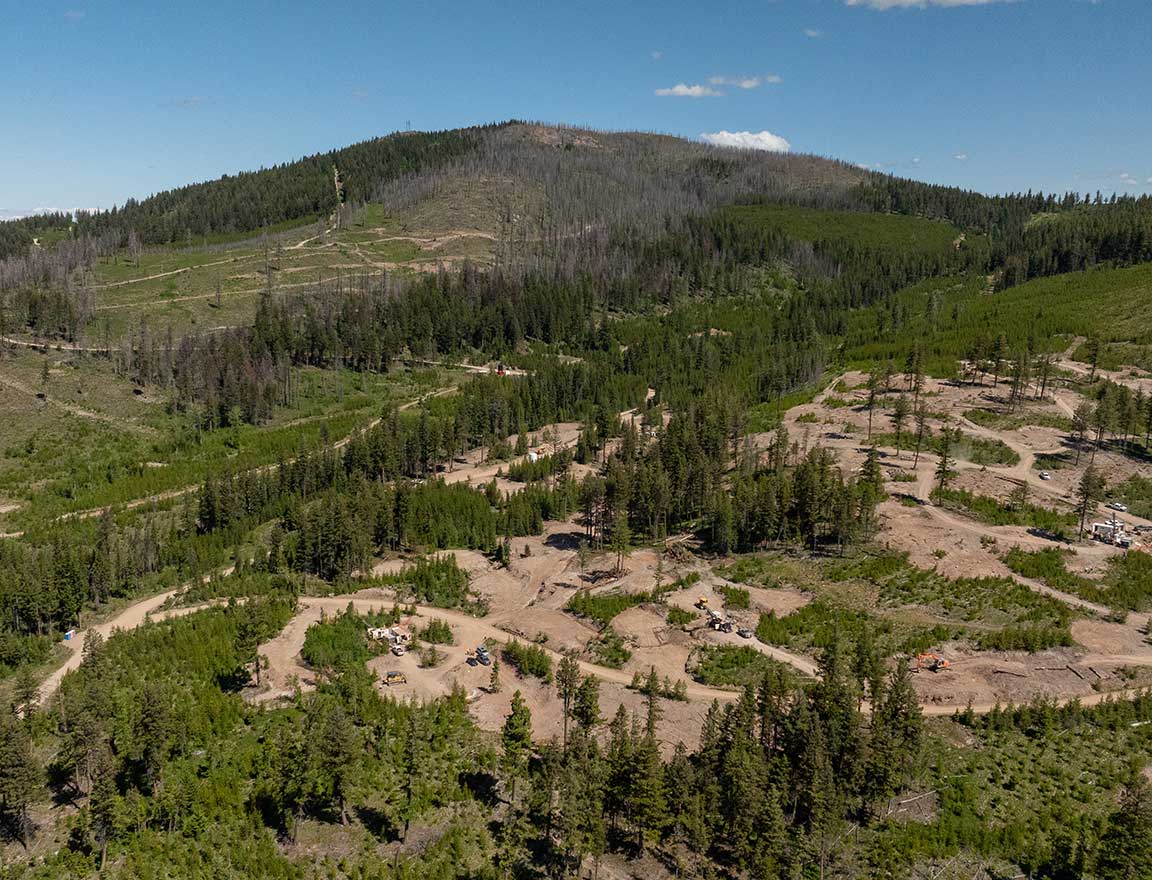
Canada Nickel is moving Crawford closer to a 2027 construction decision, with the selection of Komatsu and SMS Equipment improving visibility on major fleet procurement and project execution. Definitive agreements are targeted for the first quarter of 2027, while Crawford’s 3.8 million tonnes of Proven and Probable contained nickel reserves and modeled US$0.39/lb life-of-mine net C1 cash cost support its development economics.
Mark Selby, Chief Executive Officer of Canada Nickel, links supply restraint with rising nickel demand:
“With Indonesia limiting supply going forward, and nickel demand growing at 5% plus a year, which is another almost 200,000 tons of nickel per year, we're in great shape. People want supply from somewhere other than Chinese controlled entities.”
Financing Progress Supports Supply Diversification
Reducing nickel supply concentration depends on converting resources into financed, executable projects. Leading refining countries accounted for more than three-quarters of refined critical-mineral supply growth between 2023 and 2025, increasing the importance of projects outside that concentrated base that are advancing procurement, financing, and final investment decisions.
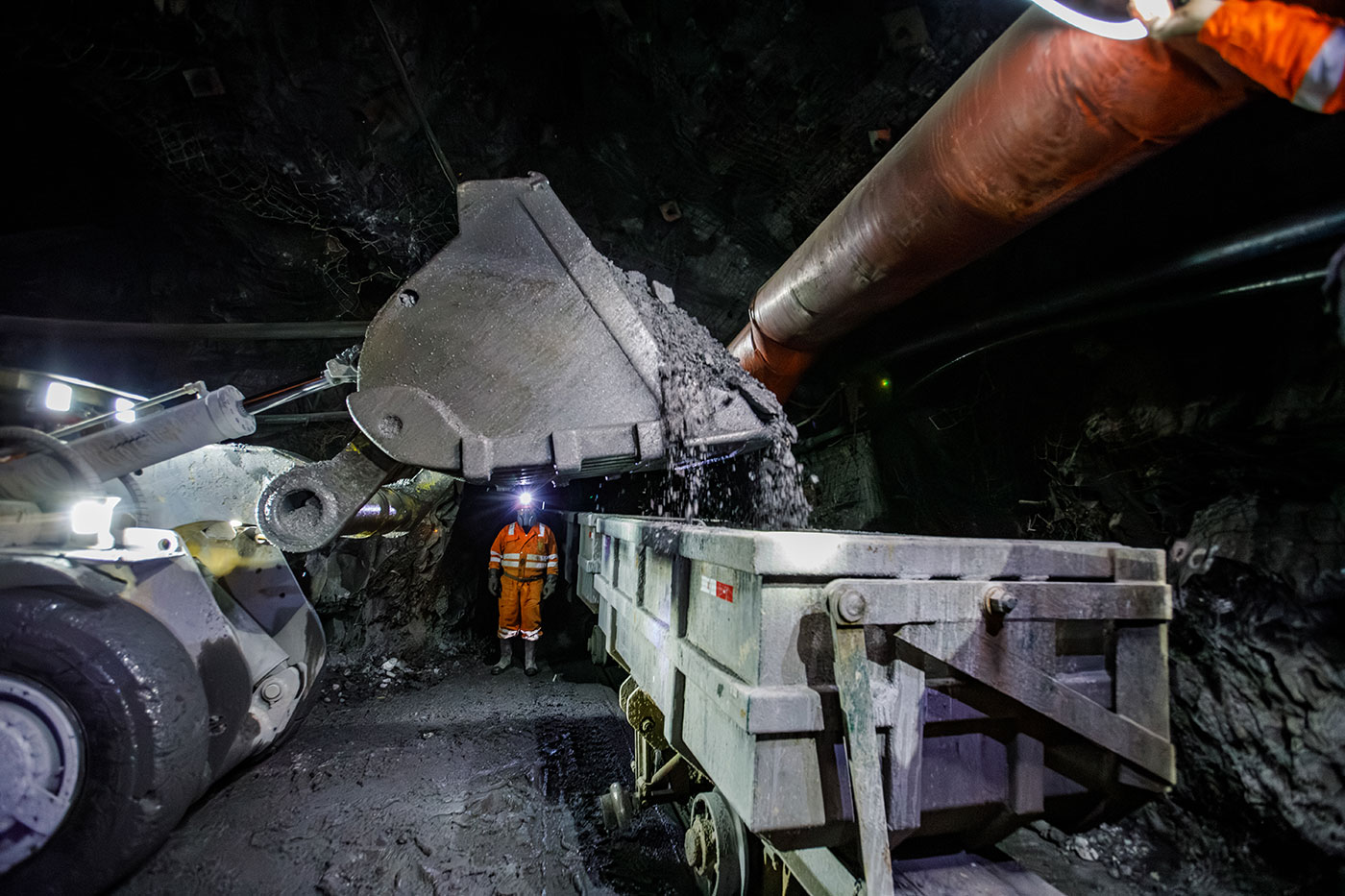
Lifezone Metals is moving Kabanga closer to a final investment decision, with approximately US$854 million of procurement packages released and multiple strategic equity offers received. Interest from development finance institutions and export credit agencies adds financing visibility, while the first-quarter 2027 decision target provides a clearer path toward project execution.
Ingo Hofmaier, Chief Financial Officer of Lifezone Metals, explains why concentrated supply keeps diversification necessary:
“If you have 65% of market share from one country, that's Indonesia, you need to balance that out. Even if our projects come on, Indonesia will still grow its market share in the next couple of years.”
High Inventories Limit Price Response to Supply Restraint
Combined refined nickel inventories on the LME and Shanghai Futures Exchange (SHFE) reached 478,000 tonnes by September 22, equivalent to roughly seven weeks of global consumption. Those inventories provide a near-term buffer against tighter supply, helping explain why INSG’s forecast of a 32,000-tonne deficit has not translated into sustained price strength.
Commercial adoption after launch will be visible through the nickel products listed, transaction volumes, buyer and producer participation, use of Indonesian prices in contracts, and their relationship with LME Class I nickel. Mining quotas and exchange inventories will remain important because greater price transparency can improve price discovery but cannot create physical scarcity on its own.
IEA projects nickel demand growth of roughly 50% to 90% through 2040, depending on the scenario, as energy technologies add to established industrial demand. If stronger consumption draws down visible inventories while Indonesian supply growth slows, product-specific prices could become more relevant in commercial transactions. If inventories remain elevated, the exchange could still improve transparency without creating sustained upward pressure on nickel prices.
The Investment Thesis for Nickel
- Indonesia's roughly two-thirds share of mined nickel gives its supply policy substantial market influence, while the new exchange could increase the visibility and commercial relevance of domestic reference prices.
- More visible Class II pricing makes ore type, product purity, processing requirements, and downstream suitability more relevant when comparing future nickel supply.
- LME Class I pricing and Indonesian physical reference prices can coexist, with commercial adoption determining how widely each is used in nickel transactions.
- High visible inventories remain a constraint on sustained nickel price strength, so improved price discovery cannot substitute for tighter physical supply relative to consumption.
- Developers, explorers, and recyclers with competitive costs, credible processing routes, strong jurisdictions, and defined financing pathways are better positioned as nickel pricing becomes more product-specific.
- Financing readiness, permitting visibility, infrastructure access, and construction readiness determine whether alternative nickel resources can become physical supply on a relevant market timeline.
Indonesia already influences nickel through its share of mined supply, processing capacity, production quotas, and domestic pricing policy. Its Strategic Minerals and Commodities Exchange could extend that role by creating clearer reference prices for Class II and other physical products that account for much of recent nickel supply growth. Rather than replacing the LME or lifting nickel prices on its own, the exchange could make product purity, processing route, cost position, project location, financing readiness, and ability to reach production more important when comparing future nickel supply.
TL;DR
Indonesia produced 66.6% of global mined nickel in 2025, yet much of its lower-purity Class II supply falls outside direct LME delivery requirements. Its Strategic Minerals and Commodities Exchange, scheduled to operate from January 1, 2027, could improve transaction visibility and establish additional reference prices for products such as NPI and ferronickel. Indonesia already influences prices through production quotas, while separate Class II assessments show product-specific pricing is already developing. However, 478,000 tonnes of visible refined inventories continue to limit sustained price strength. The exchange's influence will ultimately depend on liquidity, commercial adoption, and whether stronger demand tightens the physical market.
FAQs (AI-Generated)
Analyst's Notes





Subscribe to Our Channel









Stay Informed


