




Fitzroy Minerals: A $350 Million Production Path Inside a $85 Million Enterprise Value


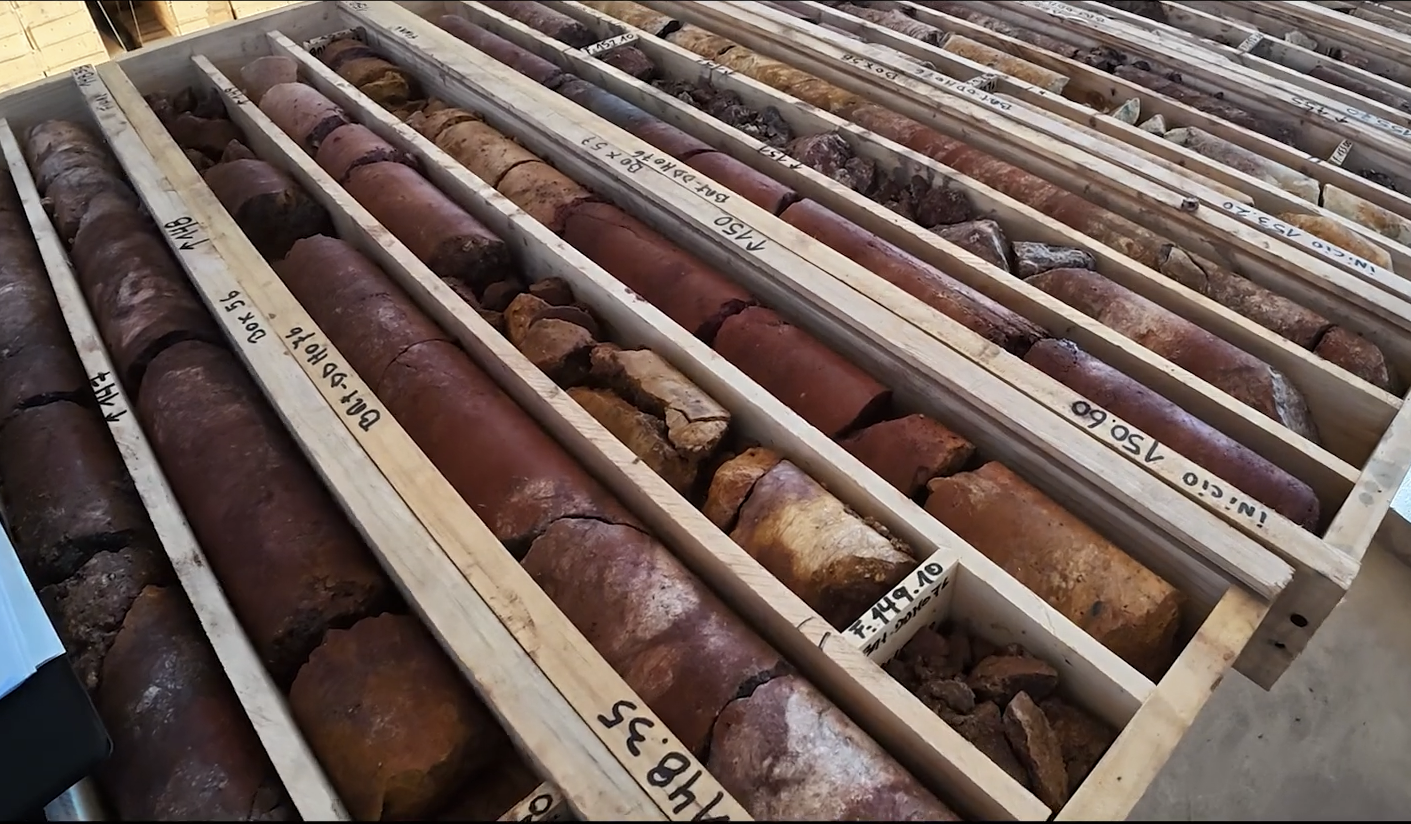
Fitzroy Minerals' attributable copper of 7,000 tonnes implies US$350 million at UBS's US$53,000-per-tonne benchmark, against a US$85 million EV.
- A recent UBS report on copper puts sector valuation at around US$53,000 per tonne of annual production.
- Fitzroy Minerals' targeted 7,000 tonnes of attributable copper implies roughly US$350 million at that benchmark, against an enterprise value of US$80 million to US$85 million.
- The Buen Retiro base case is 10,000 tonnes of copper per year for 10 years, fitted to the capacity of Pucobre's existing processing plant.
- Fitzroy's construction contribution would be US$42 million at 70% ownership, decreasing to US$30 million at 50% ownership.
- An environmental application is targeted for September or October 2026, with first production targeted for early 2028.
A single sheet of arithmetic frames the case for Fitzroy Minerals' (TSXV: FTZ): a recent UBS report puts copper sector valuation at around US$53,000 per tonne of annual production, and the company carries an enterprise value (EV) of US$80 million to US$85 million. Connecting the 2 figures is Buen Retiro, the Chilean copper oxide project Fitzroy is advancing with partner Pucobre, and a production target management describes as deliberately conservative.
The US$53,000 per Tonne Benchmark
Applied to Buen Retiro's targeted 10,000 tonnes of copper per annum, the UBS benchmark implies a project value of US$530 million. Fitzroy's attributable share of that output, 7,000 tonnes, implies roughly US$350 million, roughly four times the company's current enterprise value.
President and Chief Executive Officer of Fitzroy Minerals, Merlin Marr-Johnson, walks through the arithmetic directly:
"There was a very good report by UBS on copper, and in that, they said that for every ton of production, the valuation in the sector is around $53,000 per ton. So the project, if it's producing 10,000 tons per annum, would be valued at $530 million US, or if we take our attributable share of that at 7,000 tons, that puts it about $350 million US relative to our EV today."
The benchmark is a sector average rather than a project study, and the attributable figure rests on output and ownership assumptions the company has yet to fix. That is where the operating detail comes in.
Production Maths at Buen Retiro
The base case is fitted to infrastructure rather than to the size of the deposit. Pucobre's processing plant can theoretically produce just under 10,000 tonnes of copper per annum, and two other nearby electrowinning plants have expressed interest in taking feed, which could lift theoretical output to 14,000 tonnes per annum. Fitzroy's working assumption is 10,000 tonnes per annum for 10 years, of which 7,000 tonnes would be attributable to the company.
The margin assumptions are similarly round numbers. Management estimates total costs of around US$3 per pound, below those of comparable assets in Chile, at a copper price of around US$6 per pound. That US$3-per-pound spread produces roughly US$66 million per year from 22 million pounds of output, with Fitzroy's share of free cash flow estimated at US$30 million to US$45 million per annum. Recent oxide drilling has returned 78 metres at 1.7% copper, with leachable material sitting at the surface.
Marr-Johnson is careful about how much weight the base case should carry:
"We're still in the process of finding more copper oxide, but the simplest way to look at it is just a rule of thumb yardstick, and we haven't done the numbers yet, but 10,000 tons for 10 years, and it's likely to increase. But that's a nice conservative approach."
The tonnage is a yardstick rather than a study result, and, on the company's account, the revision risk increases.
Ownership & Capital Options
Construction is the near-term capital question. Pucobre has estimated the heap-leach and solvent-extraction build at US$40 million, a figure Fitzroy stretches to US$60 million under conservative assumptions, while access to the partner's existing electro-winning plant saves approximately US$70 million in capital. At 70% ownership, Fitzroy's contribution would be US$42 million, decreasing to US$30 million at 50% ownership.
The Pucobre relationship provides both a funding mechanism and a plant. The partner holds an option to buy back a 30% stake in the middle of 2027 by paying 90% of Fitzroy's investment in the project from 2023 to 2027, amounting to approximately $20 million. Beyond that, the financing menu remains open: bridge finance, structured finance products the company is currently being offered, equity issuance, or vending a further stake to Pucobre, whose interest in owning more of the project is on record. Management's view is that it would not need to sell a full 19.9% to recoup US$30 million. Treasury stands at C$25 million in cash, with C$5 million in warrant premia targeted over the next 12 months, for an effective balance sheet of C$30 million.
The Timeline to a Build Decision
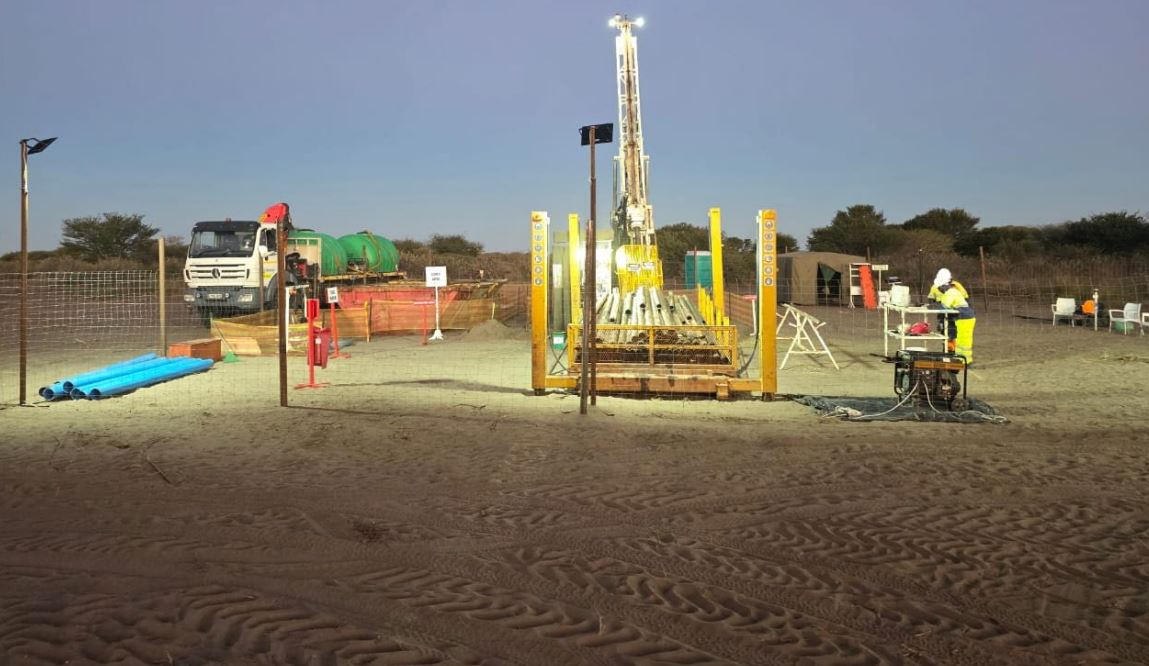
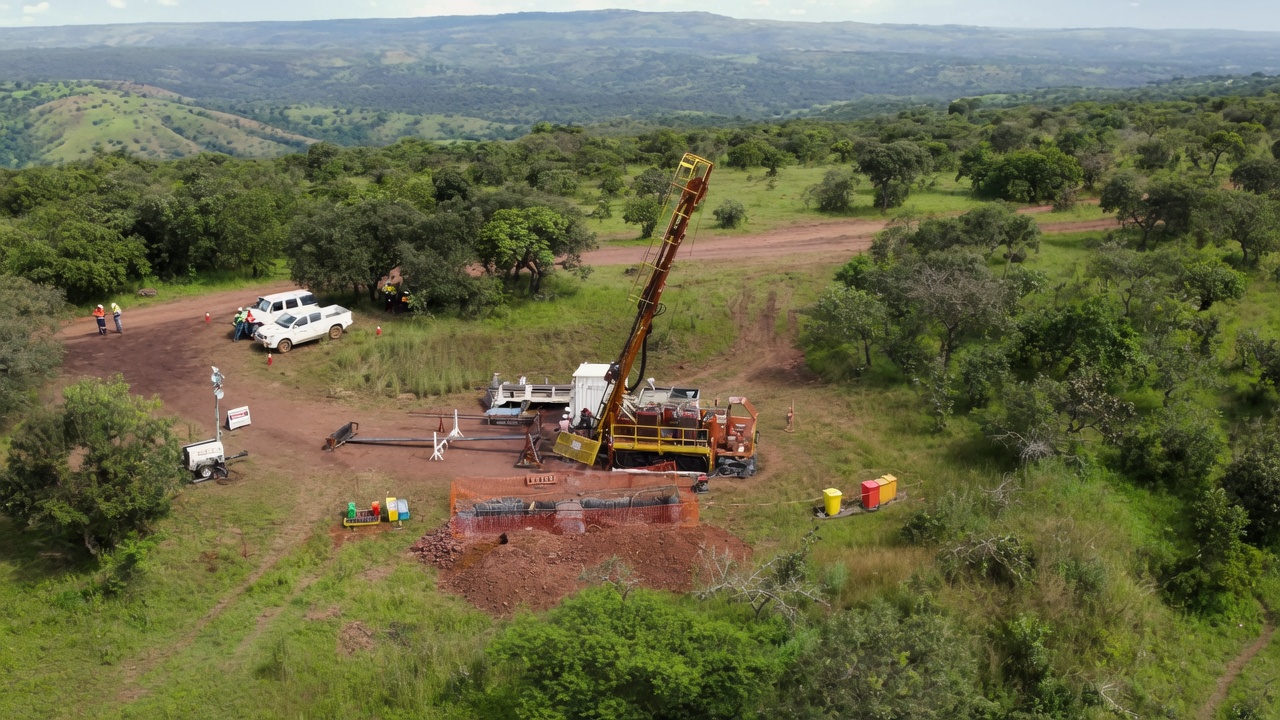
The sequence from here is dated. An environmental application is targeted for September or October 2026, with a full preliminary economic assessment (PEA) under the Canadian code, engineered to a prefeasibility standard, to follow by the end of the first quarter of 2027. A build decision is targeted for mid-2027, with first production in early 2028. On-site, 4 drill rigs are turning.
What Would Close the Gap
Fitzroy's answer is cadence. The oxide drilling programme that began in 2026 as a 5,000-metre delineation exercise has expanded well beyond that figure, with a news release detailing the new scope, and management is targeting a monthly cadence of drill results over the next 9 months.
Exploration sits alongside the production case rather than inside it. Deep induced polarisation survey results at the Caballos project are targeted for July 2026, drilling of the super-giant target there is scheduled for the fourth quarter of 2026 after the winter break, and the giant target at Buen Retiro is slated for drilling this year. The copper backdrop adds its own pressure: management cites an incentive price of US$15,000 to US$20,000 per tonne for meaningful new supply, against a current price of around US$13,500 per tonne, with new projects costing US$30,000 to US$40,000 per tonne of capacity to bring online.
Marr-Johnson draws the line between the exploration excitement and the value engine plainly:
"It can fire up the share price, but we must never underestimate the power of good-grade oxide right next to a hungry plant. That's a powerhouse of this company."
According to management, closing the gap between the US$80 million to US$85 million EV and the US$350 million benchmark is a function of that powerhouse delivering results month after month.
FAQs (AI-Generated)
Analyst's Notes





Subscribe to Our Channel











Stay Informed


