




Beyond Kabanga: 7 Signals of Lifezone Metals' Broader Platform Build-Out


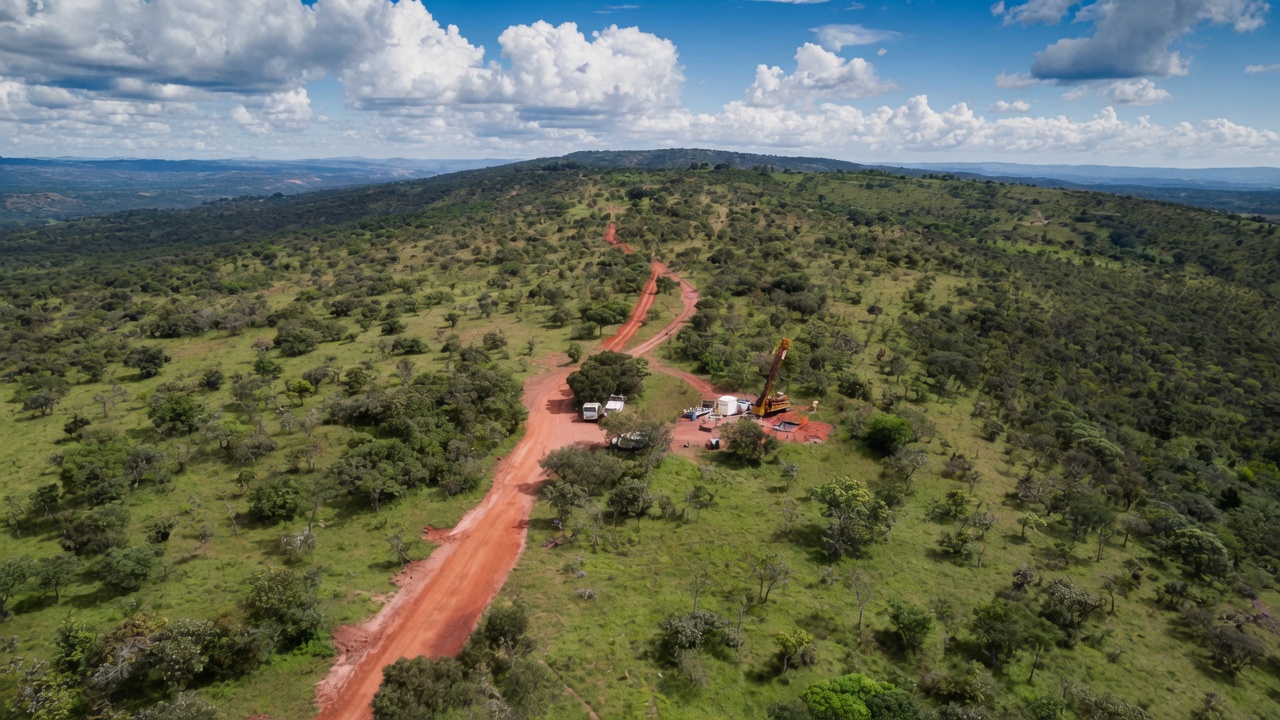
Lifezone Metals is building beyond Kabanga, with Musongati, Simulus, PGM recycling, staged beneficiation, resettlement progress, and emissions validation.
A Platform Beyond the Kabanga Headlines
Kabanga's Framework Agreement negotiations and the resulting move of its final investment decision (FID) to the first quarter of 2027 dominate the coverage of Lifezone Metals (NYSE: LZM). That remains the largest near-term variable in the story. Less attention goes to the work running in parallel: Musongati, Simulus Laboratories, an independent emissions study, and a near-complete resettlement program, each on its own timeline and not tied to Kabanga's financing process. Here are 7 signals from that broader build-out.
1. Musongati Opens a Second Nickel Frontier in Burundi
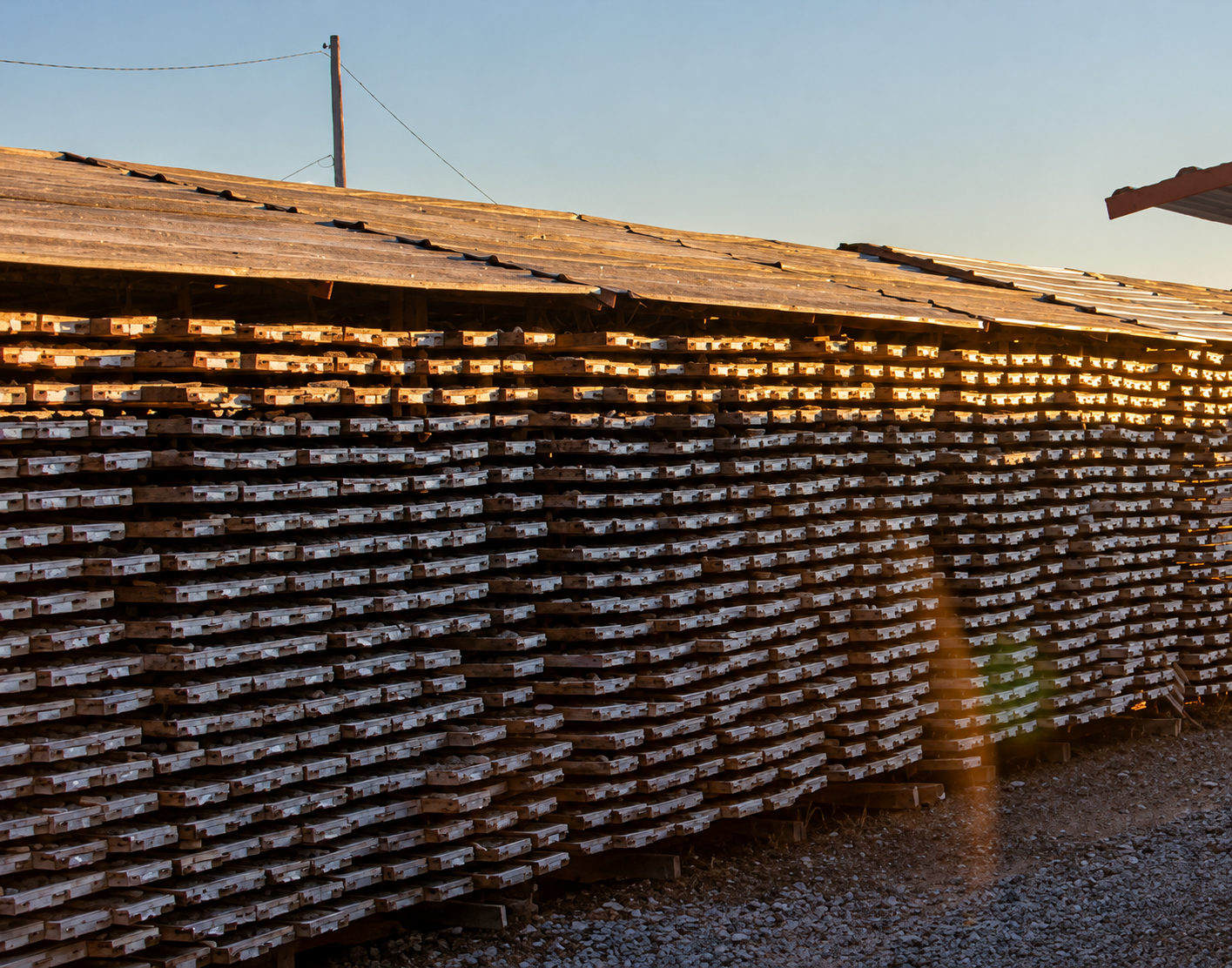
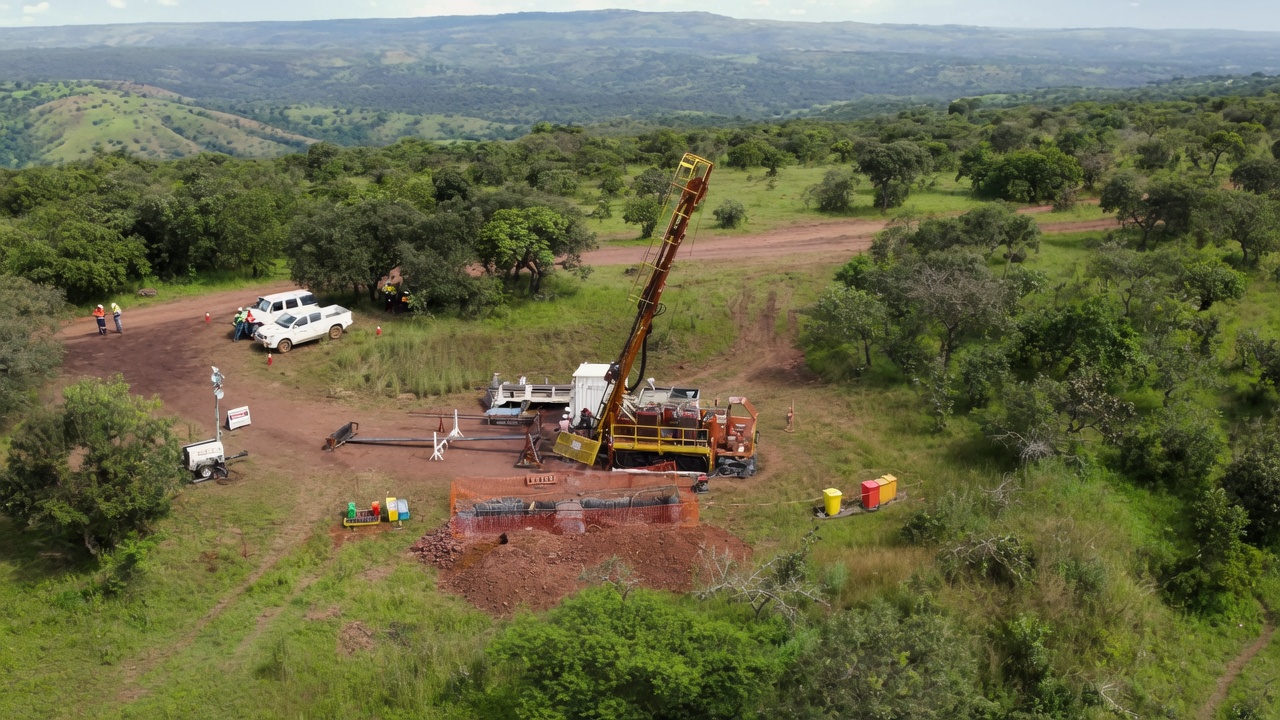
Since entering a 14-month exclusivity agreement with the Government of Burundi on March 10, 2026, Lifezone has moved through a structured technical review of the Musongati Nickel Project. The company's geologists reviewed drilling data, maps, and earlier studies held in the Office Burundais des Mines et Carrières (OBM) technical library; inspected the OBM core storage facility and analytical laboratory; and completed 2 site visits to Bujumbura, plus 1 to the Musongati project area, alongside senior OBM officials.
Lifezone is now engaging former project owners and consultants to help re-establish the mineral resource estimate last calculated in 2011, and is developing a preliminary laterite infill drilling program for the Buhinda and Rubara deposits. None of this is drill-confirmed yet, but it gives Lifezone a second nickel growth option in a different jurisdiction, one that isn't tied to the Tanzanian Framework Agreement timeline dominating the Kabanga narrative.
2. Resettlement Compensation Reaches 97% Completion Ahead of Construction
Most compensation went to people who did not live on the land but farmed it, a group Lifezone classifies as economically resettled. The Tanzanian government set values through a process based on agricultural output and approved them years before construction. That groundwork is now in the numbers. By the end of 2025, 100% of cash compensation payments had been made. By mid-2026, 97% of project-affected households had signed agreements and received funds, with the remainder held in escrow for the outstanding households.
Lifezone converted 2 model houses into Community Liaison Offices in Rwinyana and completed a household wellbeing and livelihood survey, a vulnerable people's plan, and an external grievance redress mechanism. Resettlement is typically one of the slowest-moving risk categories on a financier's checklist. Here, it's substantially closed out before construction has even started.
3. Beneficiation Strategy Splits Into a Staged, Two-Site Model
Management was explicit that in-country beneficiation, mandated as a strategic priority by the Tanzanian government, is being kept separate from the near-term construction case. Stage one is mining and a concentrator at the Kagera site; beneficiation, which carries higher risk because it requires locking in what final products the project will ultimately sell, is a distinct later stage that would likely use the former Barrick gold mine site around 300 kilometers inland, where existing infrastructure and a larger, more industrially experienced workforce are already in place.
In the first half of 2026, this workstream advanced modestly but concretely: a product marketing study was completed, and the scoping for a techno-economic trade-off study on the beneficiation pathway has now begun. By keeping beneficiation staged rather than bundled into the current FID case, Lifezone avoids adding execution and product-market risk to the financing process now underway.
4. Simulus Laboratories Is Building a Standalone Revenue Business
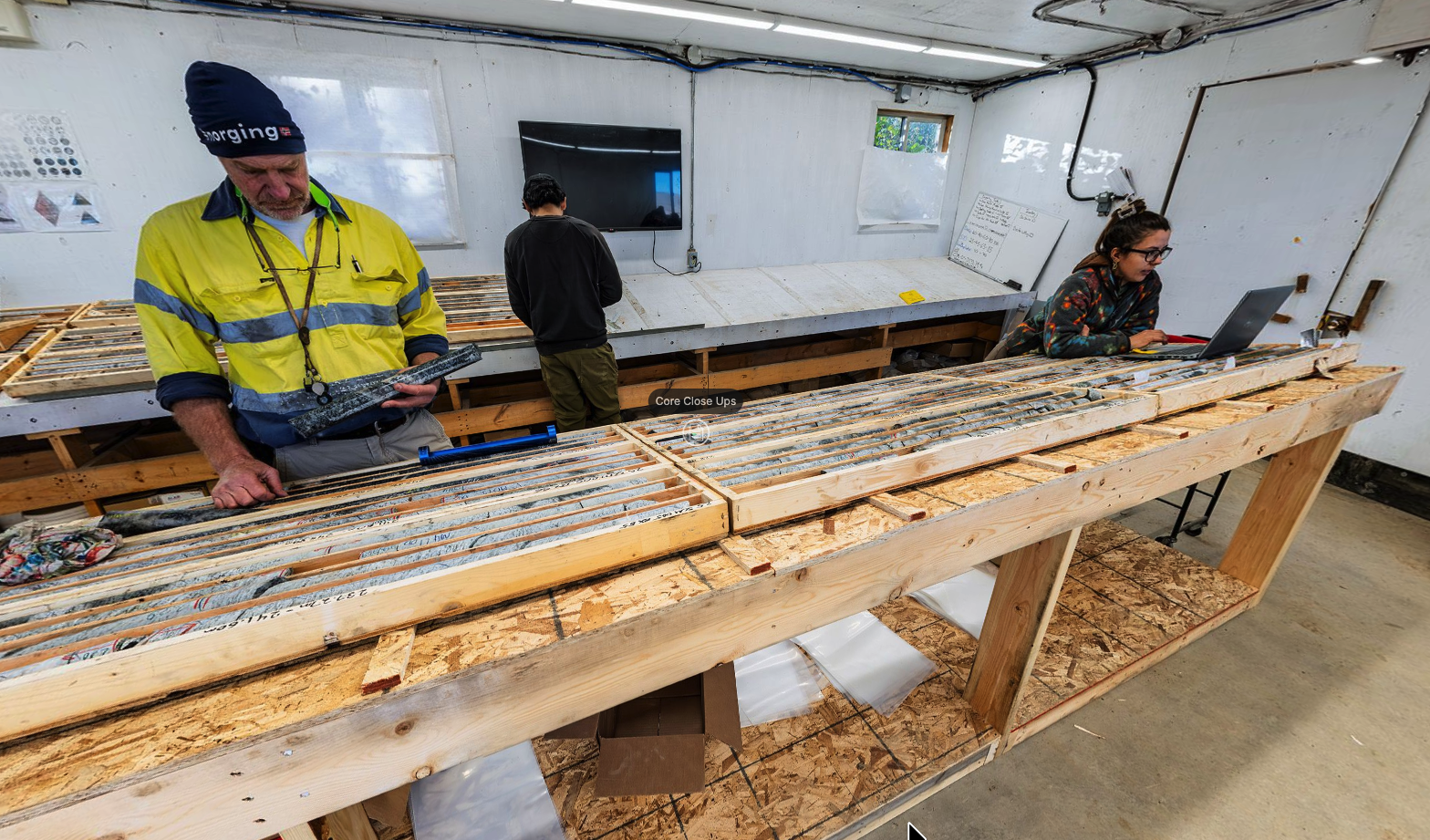
Kabanga's hydromet processing technology, a controlled, higher-pressure leaching approach rather than atmospheric or heap leaching, is developed and tested at Lifezone's Simulus Laboratories in Perth. Describing the lab's scope, Chief Financial Officer of Lifezone Metals, Ingo Hofmaier, said:
"We have a lab in Perth with more than 20 engineers, processing engineers, chemical engineers."
That capability is generating revenue independent of Kabanga's timeline. Simulus brought in $1.67 million in the first half of 2026, a significant increase on the comparable period, across 30 separate contracts with 15 clients spanning antimony, cobalt, copper, gold, nickel, platinum group metals (PGMs), rare earths, scandium, and titanium. Growth during the second quarter of 2026 was driven particularly by copper and gold consulting tied to mergers and acquisitions and listing due diligence, with a further pipeline of proposals covering alumina, manganese, radium, thorium, and tungsten projects. It's a small number next to Kabanga's capital needs, but it's a non-dilutive, commodity-diversified revenue stream that exists regardless of what happens with the Framework Agreement.
5. An Independent Life Cycle Assessment Backs the Low-Emissions Case
Lifezone completed an ISO-compliant Life Cycle Assessment in the first half of 2026, confirming a low climate change emissions impact for producing nickel concentrate at Kabanga, with a dedicated release of the findings planned for the third quarter of 2026. Hofmaier tied this directly to the hydromet process itself, noting that running leaching in a controlled environment avoids the sulfur emissions that have historically been a major issue for parts of the global nickel industry.
For investors weighing exposure to battery-metal supply chains under increasing scrutiny from original equipment manufacturers and green-financing lenders, an independently assessed emissions profile is a different kind of validation than a company's own technical claims, and one that could matter for both offtake discussions and the project financing process already underway with Societe Generale's lender group.
6. PGM Recycling's Funding Picture Adds a $41.5 Million DOE Application
Beyond the PGM recovery rates already reported for the pilot program, the first-half update disclosed a funding detail that hasn't had its own airing: Lifezone filed two non-duplicate funding requests with the US Department of Energy (DOE) in the first quarter of 2026, totaling $41.5 million with a 20% private cost share, and both remain under review. In parallel, site selection work for the commercial recycling facility has identified several potential brownfield locations in the US.
If awarded, the DOE funding would layer non-dilutive capital onto a project already targeting FID in early 2027, reducing the equity or debt burden on Lifezone's balance sheet for the second of its 2 major development tracks.
7. Safety Metrics & Ebola Preparedness Show Up in the Numbers
Kabanga reported zero material health, safety, environmental, or security incidents in the first half of 2026, with more than 2.9 million hours worked without a lost-time injury, across a workforce that had grown to 209 employees and contractors by the end of June. That track record is being tested against an external risk: the Ebola outbreak in the Democratic Republic of Congo and Uganda, declared a public health emergency of international concern on May 17, 2026, poses a high cross-border risk to the region, though no cases have been reported in Tanzania. Lifezone has a Trigger Action Response Plan and a dedicated Outbreak Control Team.
Neither figure moves the investment case on its own, but both are the kind of operational detail that shows up in the due diligence lenders and insurers are running as part of the broader financing and political-risk-insurance workstreams already in progress.
Key Takeaways for Investors
- The Musongati exclusivity agreement in Burundi gives Lifezone a second early-stage nickel growth option outside the Kabanga Framework Agreement timeline.
- Resettlement compensation at Kabanga is 97% complete by household count, with 100% of cash payments made by the end of 2025, closing out one of the slowest-moving risk categories ahead of construction.
- Beneficiation has been deliberately staged as a separate, later decision, keeping product-market risk out of the current financing case.
- Simulus Laboratories generated $1.67 million in first-half revenue across 30 contracts and 15 clients, spanning antimony, cobalt, copper, gold, nickel, platinum group metals, rare earths, scandium, and titanium.
- An independent, ISO-compliant Life Cycle Assessment now backs Lifezone's emissions claims for hydromet-processed nickel concentrate, ahead of a dedicated release planned for the third quarter of 2026.
- The PGM Recycling Project's funding stack includes a pending $41.5 million US Department of Energy application on top of its own early-2027 Final Investment Decision target.
Bottom Line
Kabanga's Framework Agreement negotiations and FID timeline will keep dominating the headlines, and rightly so, since they're the largest near-term variable in Lifezone's story. But the disclosures underneath that headline show a company building depth around it: a second nickel jurisdiction in Burundi, a resettlement program that's effectively done its job, a beneficiation strategy that doesn't threaten the near-term financing case, a laboratory business generating its own diversified revenue, and independent verification of the emissions thesis underpinning the hydromet technology. None of these signals changes the FID timeline. Together, they suggest the FID delay is a negotiation issue on one specific asset, not a reflection of execution capacity across the platform.
Analyst's Notes





Subscribe to Our Channel



.png)
.png)




Stay Informed


