




Kasiya's Rare Earth By-Product Could Add $722 Million at a 151% Rate of Return


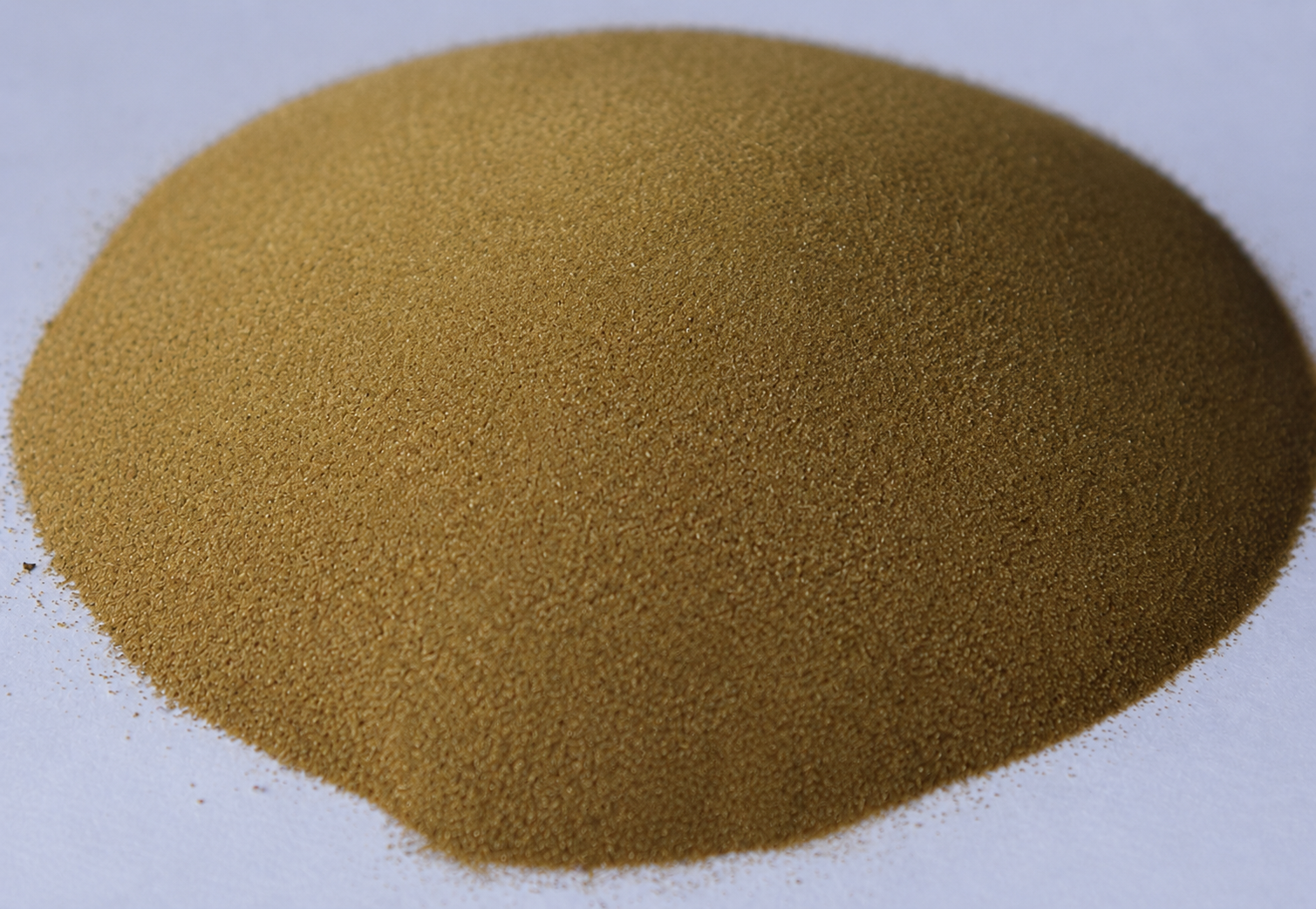
Kasiya’s monazite rare earth by-product could add $722M in NPV at a 151% IRR, using existing rutile and graphite infrastructure with rapid payback.
- Sovereign Metals Limited released a Scoping Study confirming a monazite rare earth concentrate (REC) by-product opportunity at its Kasiya Critical Minerals Project in Malawi, incremental to the April 2026 Definitive Feasibility Study (DFS) covering rutile and graphite.
- The DFS cash flows for rutile and graphite stay intact and unaffected; the REC adds incremental cash from the same mined feed, and that incremental case remains positive under US government floor prices and a 25% price cut.
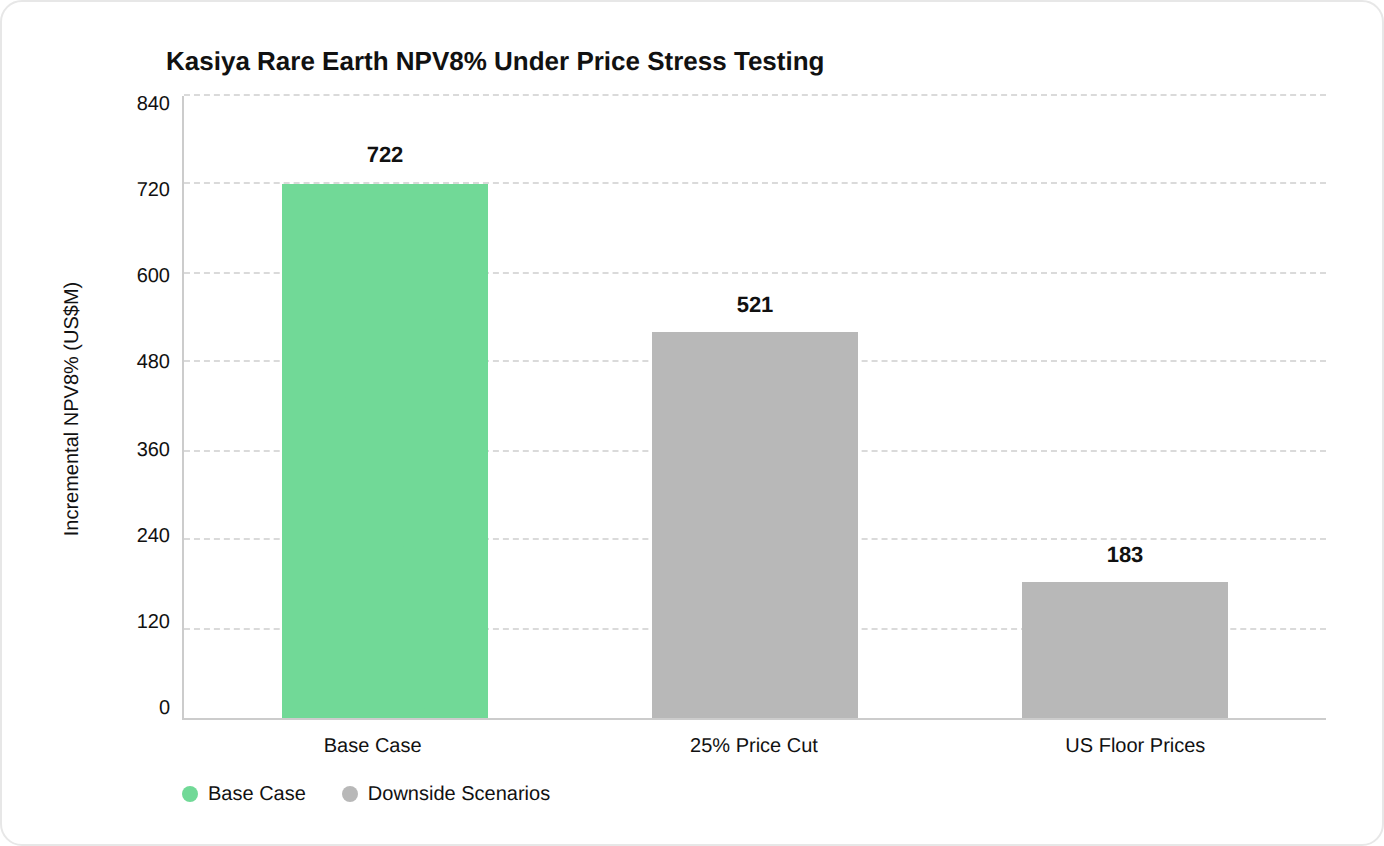
- The base case incremental net present value at an 8% discount rate (NPV8%) is $722 million, with a pre-tax internal rate of return (IRR) of 151%, for $29 million of additional capital and payback of approximately 1.5 years.
- The margin sits in the cost structure rather than the price forecast: incremental site costs of $0.90 per kilogram and a delivered cost of $3.68 per kilogram compare to an estimated breakeven price of roughly $4,140 per ton against a current spot price near $6,400 per ton.
- The Scoping Study is accurate to within plus or minus 30%, has not yet defined an Ore Reserve for monazite, and leaves conversion of Inferred material, product qualification, offtake payability, and a pre-feasibility study (PFS) targeted for 2027 as the remaining open items.
Sovereign Metals Limited (ASX: SVM | AIM: SVML | OTCQX: SVMLF) has released a Scoping Study on a monazite rare earth concentrate by-product at its Kasiya Critical Minerals Project in Malawi, incremental to the April 2026 Definitive Feasibility Study (DFS) that already underpins rutile and graphite production there. The relevant question for investors is not whether $722 million sounds large next to a $2.2 billion DFS. It is whether this by-product changes how Kasiya gets financed and valued, shifting it from a two-commodity mine into a three-commodity asset that touches titanium, graphite, and heavy rare earths simultaneously, each a distinct point of leverage with lenders, offtakers, and government counterparties.
Three Layers of Cash Flow, Not One Rare Earth Bet
The DFS already carries Kasiya on rutile and graphite alone, with a pre-tax NPV of $2.2 billion and steady-state annual earnings before interest, taxes, depreciation, and amortization (EBITDA) of $476 million, unaffected by anything in the rare earth Scoping Study. Layered on top of that base, the monazite rare earth concentrate (REC) is recovered from the non-conductor tailings stream the DFS flowsheet already produces, meaning it adds cash flow from material already being mined and processed rather than requiring a separate deposit or mine plan. At steady state, that stream would produce 2,626 tons per year of monazite REC containing 1,485 tons per year of total rare earth oxides (TREO). On an incremental basis, this layer is worth a net present value at an 8% discount rate (NPV8%) of $722 million and a pre-tax internal rate of return (IRR) of 151%, for approximately $29 million of additional capital, with payback of approximately 1.5 years and incremental steady-state EBITDA of roughly $84 million a year.

That framing matters because it is not the same underwriting exercise as a standalone rare earth developer, which must recover its full capital and operating base from rare earth sales alone. Sovereign is instead offering optionality on a waste stream, priced at a fraction of the capital already committed to the DFS. Managing Director and Chief Executive Officer of Sovereign Metals, Frank Eagar, tied that structure directly to the existing DFS:
“For ~US$29 million of initial capital, using infrastructure the DFS has already designed and costed, we can potentially add ~US$722 million of pre-tax value at a ~151% rate of return, with payback in around 18 months."
Built on a Project Already at DFS Stage
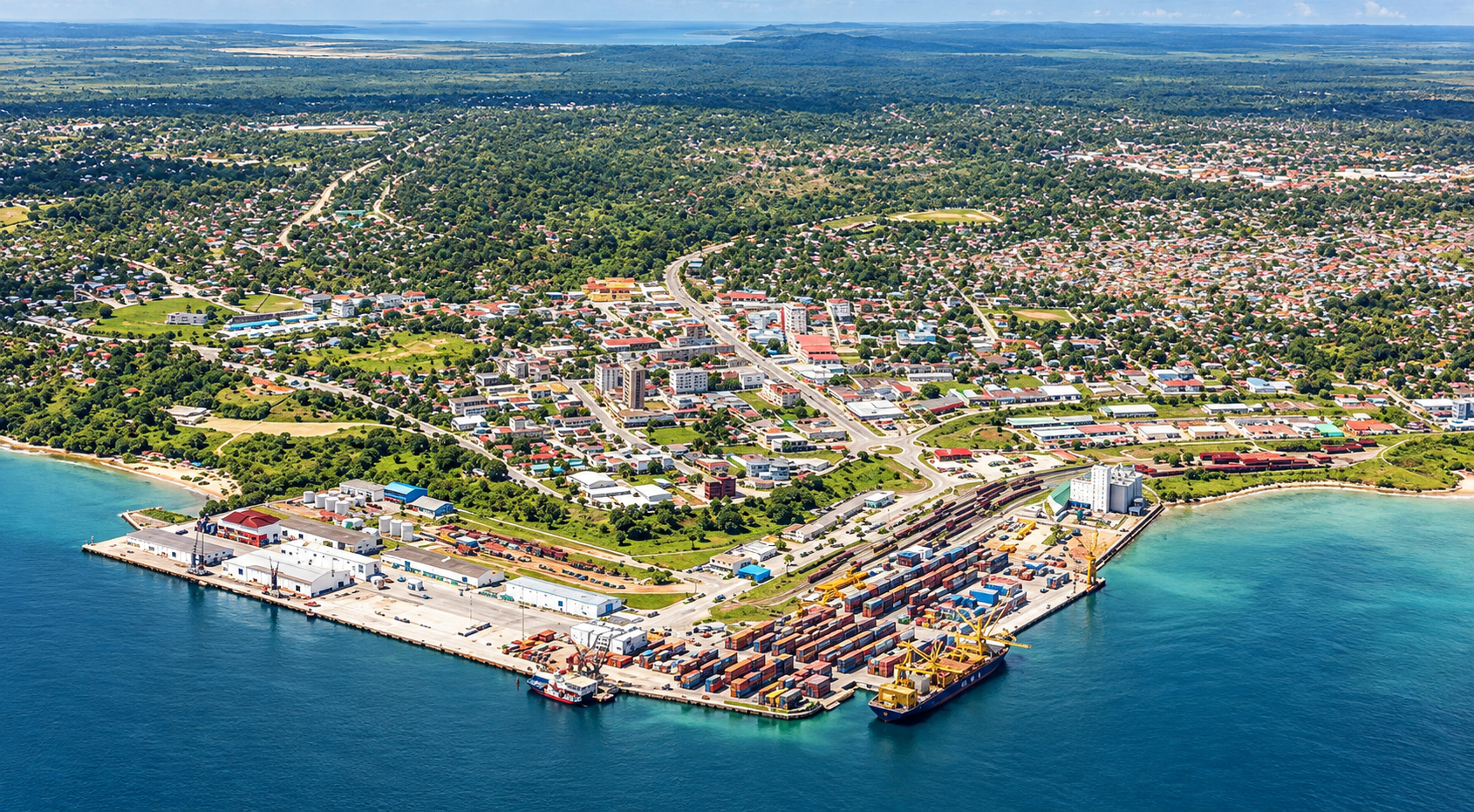
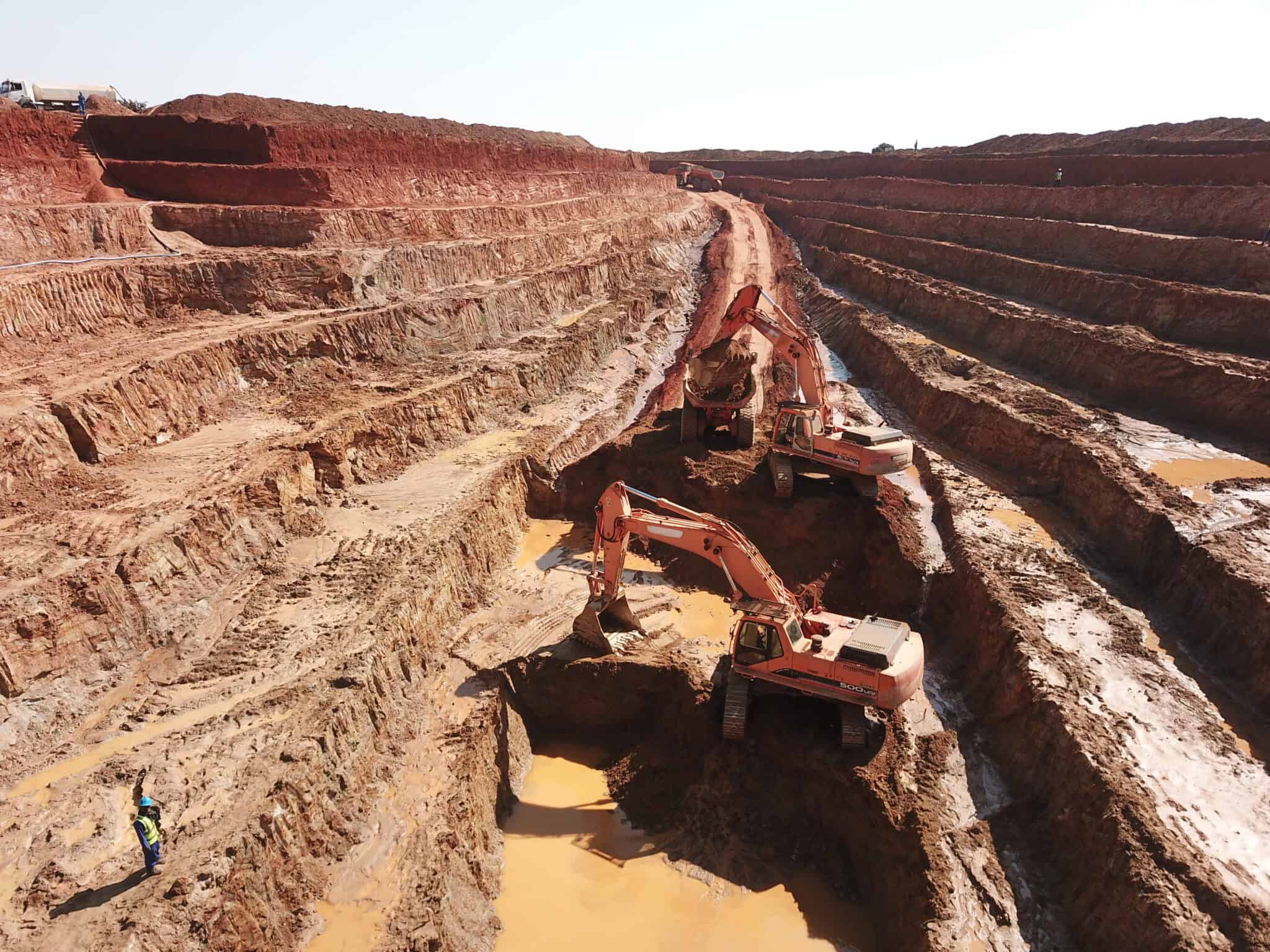
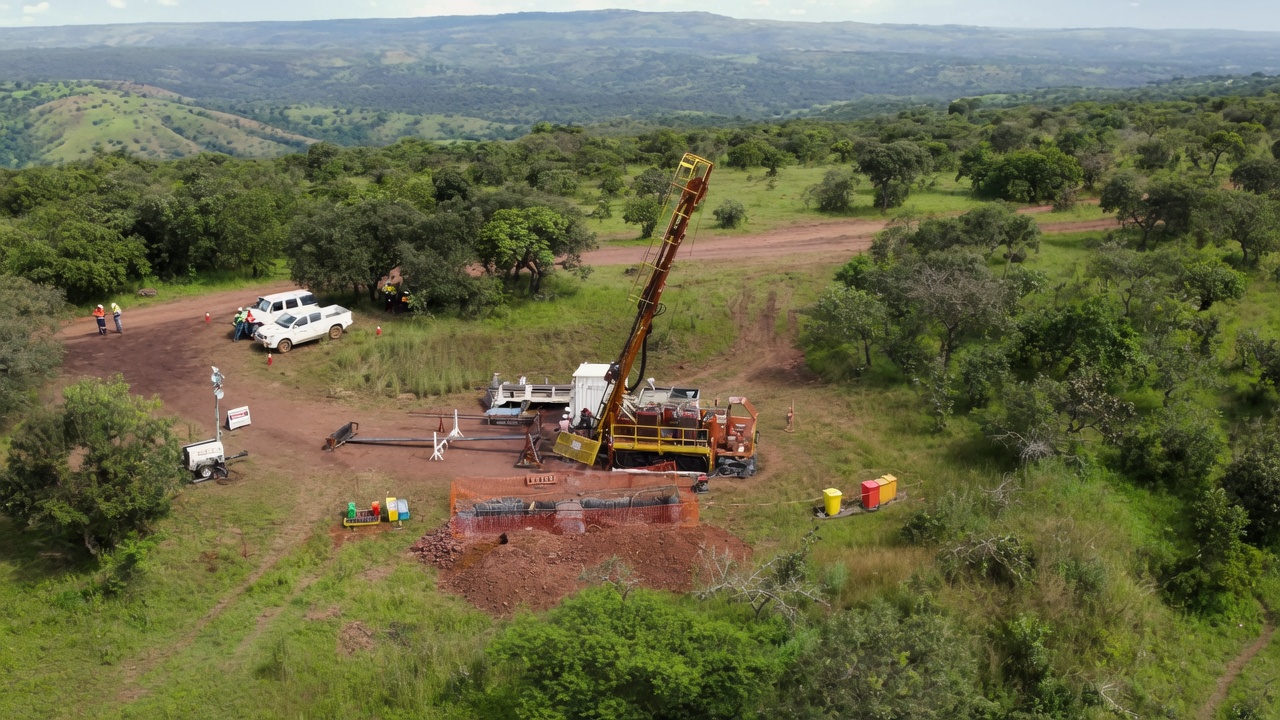
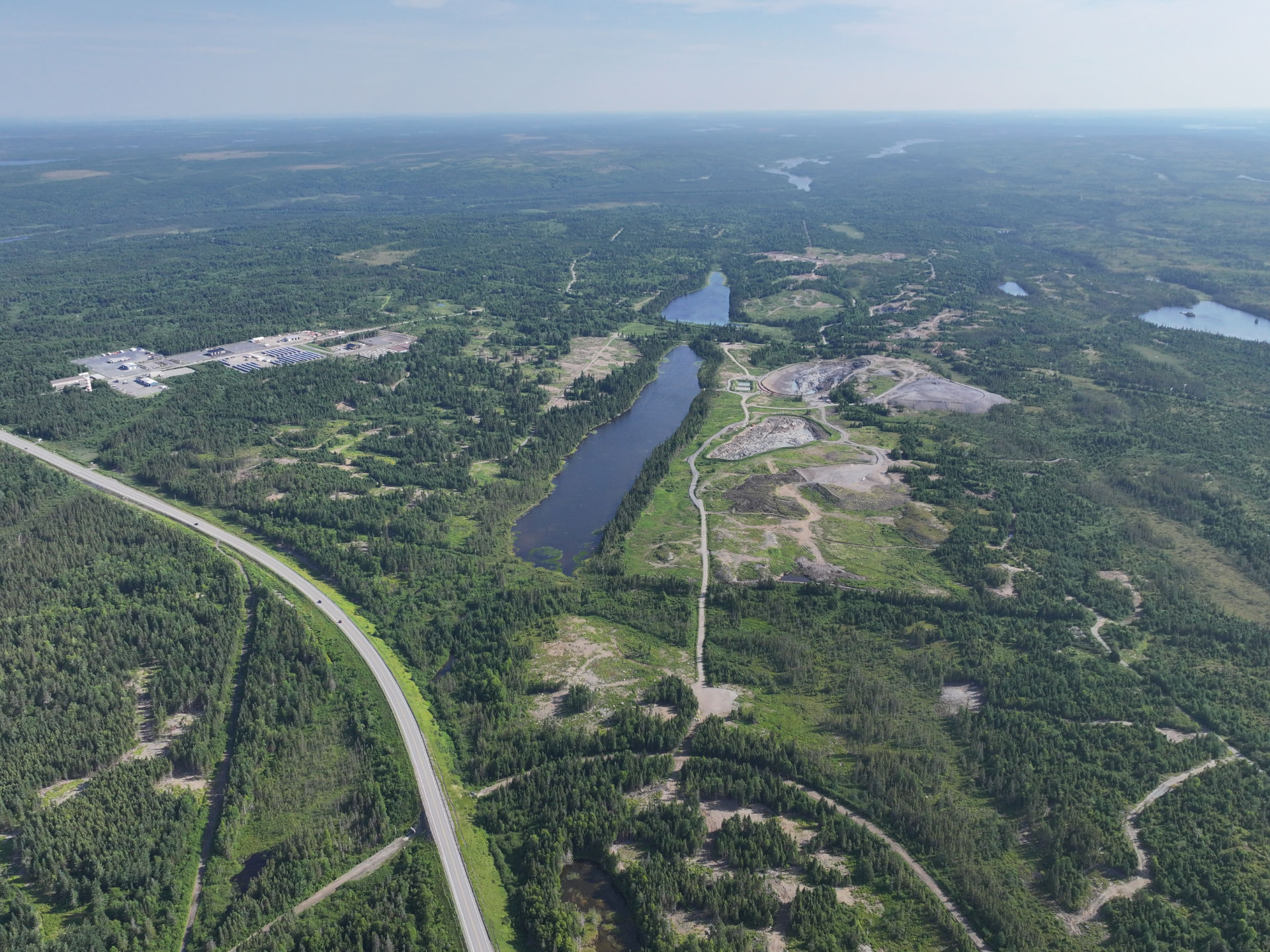
Kasiya sits on the Lilongwe Plain in central Malawi, approximately 30 kilometers northwest of Lilongwe. The April 2026 DFS defines a phased, dry-mining operation using draglines rather than drilling or blasting, reaching 24 million tons per year of throughput from Year 5 over an initial 25-year mine life, overseen by the Sovereign–Rio Tinto Technical Committee. The rare earth circuit assessed in the Scoping Study does not change that mine plan, method, or throughput in any way.
The Margin Lives in the Cost Structure, Not the Price Deck
The incremental case survives a weak rare earth market because of its cost position, not a favorable price assumption. Incremental site costs are estimated at $0.90 per kilogram of REC, rising to $3.68 per kilogram delivered to Houston, Texas. Against an estimated breakeven REC basket price of approximately $4,140 per ton, and a current Shanghai Metals Market spot price near $6,400 per ton for comparable monazite concentrate, the gap between cost and breakeven is the real insulation, not a bet on where prices go.
That structure lets the numbers hold up under stress testing. Applying US government floor prices for dysprosium, terbium, and neodymium-praseodymium still generates $183 million of incremental pre-tax NPV8% and a 43% IRR, and cutting the Study's rare earth price assumptions by 25% leaves NPV8% at $521 million and IRR at 122%. Combined with the existing rutile and graphite base, the layered position takes Kasiya's total integrated pre-tax NPV to $2.9 billion.
What's Still Unproven
The Study carries an accuracy range of plus or minus 30% and has not yet established an Ore Reserve for monazite, only a Mineral Resource Estimate that is 74% Indicated and 26% Inferred. Over the 23-year production case modeled, approximately 28% of life-of-mine output still sits in the Inferred category, and the final 2 years of the 25-year DFS mine life are excluded entirely because the Study attributes low geological confidence to Inferred material at that stage of the mine plan. Mining and plant feed themselves are unchanged from the DFS. Residual risk includes whether the concentrate meets customer specifications and payability terms, and whether that Inferred material converts as the mine plan advances, alongside product qualification and a pre-feasibility study (PFS) targeted for 2027.
Rare Earths Feed the Same Financing Pathway
Sovereign's collaboration agreement with the International Finance Corporation (IFC) provides a pathway for project financing at Kasiya, built around alignment with IFC Performance Standards across the DFS and its Environmental and Social Impact Assessment. The Company's mining license application for Kasiya now specifically includes rare earth oxides alongside rutile and graphite, meaning the rare earth opportunity is being folded into the same license application, environmental and social assessment, and IFC-aligned bankability process already built for the DFS, rather than requiring a separate financing track. Lenders assess that alignment before committing financing, and the rare earth case now rides on the same review, even though the rare earth numbers still have to go through a PFS.
FAQs (AI-Generated)
Analyst's Notes





Subscribe to Our Channel


.png)

.png)



Stay Informed


