




Gold Rises 1.2% After Fed Hike as Bearish Positions Unwind


Supply-led inflation and a new dealer trust standard support gold’s contrarian case despite the prospect of further rate increases.
- Spot gold rose 1.2% to $4,312.05 per ounce by 0848 GMT on September 17 after the Fed raised rates on September 16, showing gold can gain during tightening when traders unwind bearish positions.
- On September 17, independent analyst Ross Norman attributed the rebound to traders closing positions placed before the widely anticipated hike, indicating the prior decline reflected positioning rather than weaker demand.
- On September 17, a softer dollar and lower oil prices supported gold, while XS.com analyst Linh Tran said energy-led inflation preserves its hedge value because rate hikes cannot directly resolve supply shocks.
- As of September 17, trust concerns constrained physical bullion demand, but the World Gold Council’s dealer standard, audited by the British Standards Institution and opening in the fourth quarter of 2026, could help buyers identify lower-risk dealers.
- The Bank of Japan’s September 18 decision could lift rates to a 31-year high, testing whether broader tightening caps gold or strengthens its contrarian case if prices remain resilient.
Fed Rate Hike Triggers Short Covering as Spot Gold Tops $4,300
Spot gold rose 1.2% to $4,312.05 per ounce after touching a near six-week low, while December US gold futures fell 0.8% to $4,351 as traders adjusted hedges placed before the Fed’s decision. The Fed raised its policy rate and signaled further increases in a unanimous decision, keeping the opportunity cost of holding non-yielding gold high.
However, spot gold’s rebound indicates that the prior sell-off had already priced in much of the tightening risk, creating a contrarian opportunity as bearish positions were closed.
Softer Dollar & Falling Oil Lift Gold's Hedge Demand Against Inflation
The dollar fell from a seven-week high after the Fed’s decision, reducing gold’s cost in other currencies, while lower oil prices reduced expectations for inflation-driven rate increases. Together, these moves helped gold rebound from a six-week low. Higher rates still raise the opportunity cost of holding non-yielding gold, but XS.com market analyst Linh Tran said tighter policy cannot directly resolve inflation driven by energy costs and supply shocks.
The Bank of England is targeting unchanged rates while the Bank of Japan considers a move to a 31-year high, creating currency volatility that could strengthen gold’s contrarian appeal.
Split Central Bank Paths Widen the Scenario Range for Gold
Gold’s next move depends more on inflation’s source than on the completed hike, which markets had largely priced in. Independent analyst Ross Norman said traders had built excessive positions around the anticipated decision, so the futures pullback reflects those positions being closed rather than weaker gold demand.
Further Fed hikes could prolong that adjustment. If energy costs and supply shocks remain the main inflation drivers, rate increases cannot remove the source and gold retains its hedge value. If inflation spreads into demand-sensitive categories, further hikes become more likely and gold’s yield disadvantage increases. A Bank of Japan move to a 31-year rate high would test whether broader tightening limits gold or confirms its contrarian strength through continued price resilience.
New Dealer Trust Standard Targets Record Retail Bullion Demand
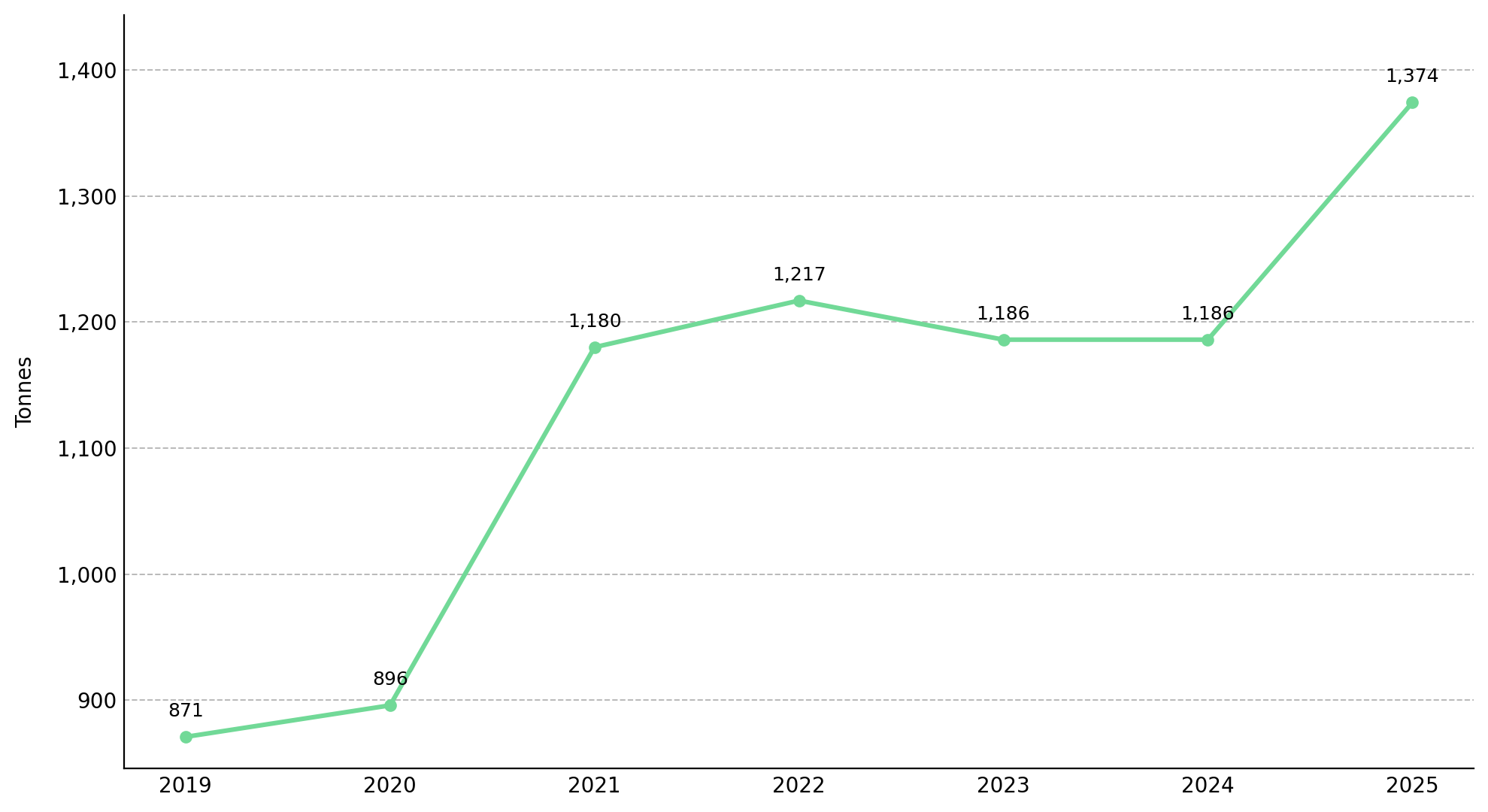
Physical bullion buyers assume dealer risks involving pricing, purity and delivery, so short-term gold swings do not change their counterparty exposure. The World Gold Council’s 2025 Gold Demand Trends report found that bar and coin purchases reached about 1,200 metric tons, nearly 25% of global demand and a 12-year high, despite trust remaining a major barrier.
The Gold Dealer Assurance Standard is targeting a fourth-quarter launch, with the British Standards Institution responsible for auditing dealers across eight areas before awarding a trust mark. World Gold Council Chief Executive Officer David Tait stated that the benchmark aims to increase trust and help buyers identify reputable dealers, which could support further physical gold demand.
Rate Cycles Test Gold's Hedge Case Into Year End
Gold’s hedge value depends more on inflation’s source than on the size of a rate increase. Energy costs and supply shocks can support gold during a hiking cycle because tighter policy reduces demand but cannot create more supply.
The thesis weakens if the next core CPI report shows services inflation accelerating, which would signal broader demand pressure and support further Fed hikes, raising gold’s opportunity cost. Portfolios positioned for another rate-driven decline could miss upside if supply-led inflation continues and the dealer standard lowers barriers to physical gold purchases after launch.
Analyst's Notes





Subscribe to Our Channel







Stay Informed






















