




Gold Defies 93% Hike Odds as Dollar Weakness Drives Price to $4,324



Widening US deficits and lower Treasury yields are offsetting rate pressure, leaving $4,300 as the key test for gold’s contrarian case.
- Spot gold rose 0.7% to $4,324.36 per ounce by 0842 GMT on September 16, 2026, as a weaker dollar and lower US Treasury yields reduced bullion’s holding cost before the Fed’s 1800 GMT decision.
- On September 16, 2026, the CME FedWatch Tool priced a 93% probability of at least a 25-basis-point hike, yet gold advanced despite the prospect of higher rates raising its holding cost.
- Nikos Tzabouras, Senior Market Analyst at Jefferies-owned Tradu.com, said oil-linked inflation supports tighter policy, while widening US deficits weaken confidence in the dollar and direct capital toward gold.
- Uncertainty over whether Fed Chairman Kevin Warsh will pair a hike with hawkish or softer guidance makes position sizing the primary way to limit losses from either outcome.
- A close below $4,300 per ounce alongside a sustained dollar rebound would weaken the contrarian case by showing that higher holding costs have regained influence over gold.
Dollar Slide & Yield Pullback Drive Gold to $4,324
Spot gold rose 0.7% to $4,324.36 per ounce as a weaker dollar and lower US Treasury yields reduced its holding cost ahead of the Fed decision. COMEX gold futures gained 1.22%, while silver and platinum rose 1.41% and 0.44%, showing that the rally extended across precious metals.
The CME FedWatch Tool priced a 93% probability of at least a 25-basis-point hike, which would normally raise the cost of holding non-yielding gold. Gold’s advance despite that risk suggests dollar weakness and US deficit concerns are outweighing the rate outlook.
Deficit Concerns Fuel Debasement Trade Against Fed Tightening
Nikos Tzabouras, senior market analyst at Jefferies-owned Tradu.com, told Reuters a weaker dollar, lower Treasury yields and falling crude prices supported gold. Lower yields reduce gold's opportunity cost, a weaker dollar makes it cheaper in other currencies and lower oil prices reduce pressure for tighter policy.
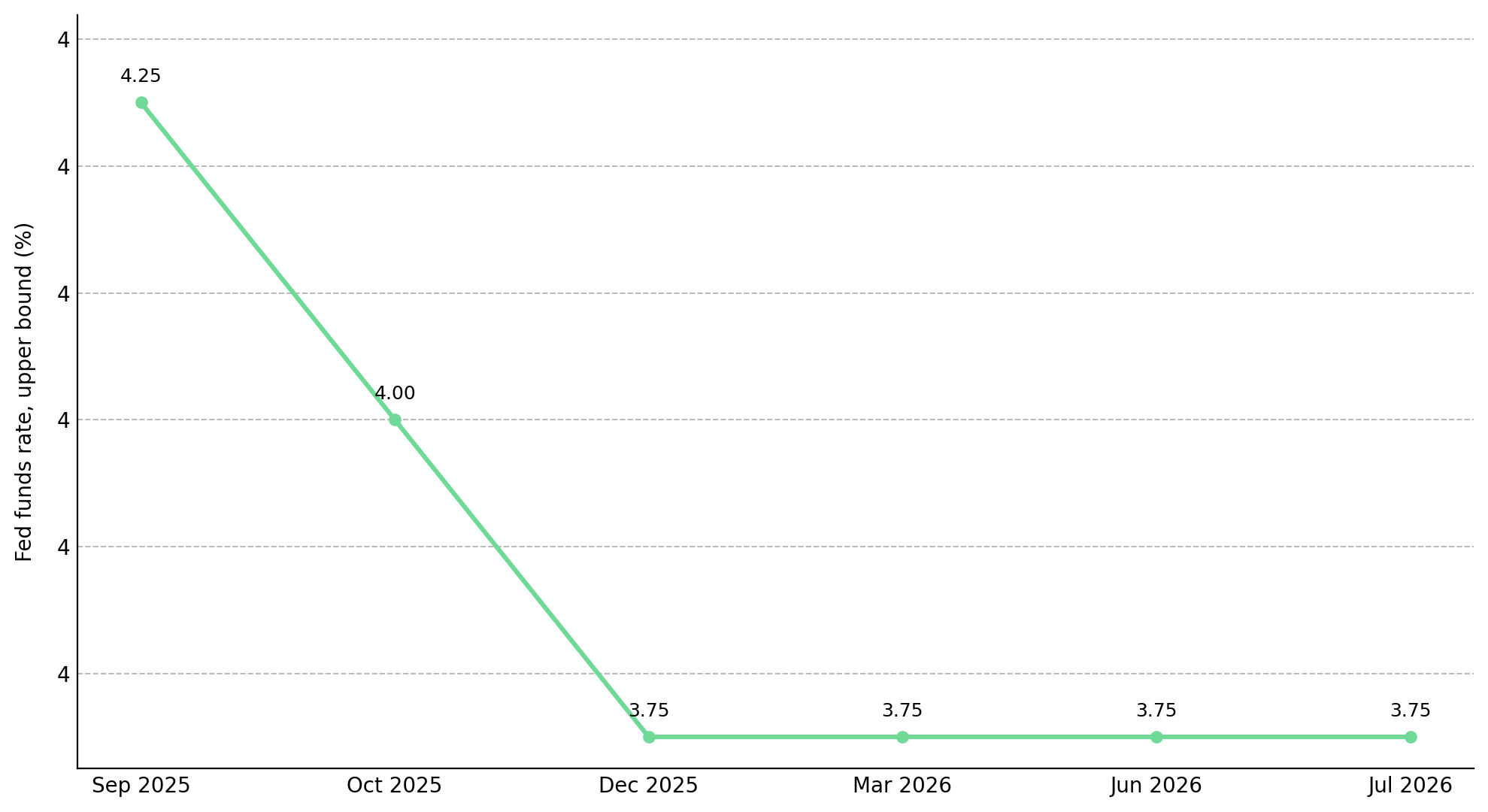
The Fed has held its benchmark rate at 3.50% to 3.75% across five meetings since its last cut in December 2025, while the Bank of Japan is targeting a 31-year-high rate. These policies would normally pressure non-yielding gold, but Tzabouras said widening US deficits are weakening confidence in the dollar and directing capital toward bullion.
Today's Fed Statement Splits the Outlook for Bullion
The Fed’s guidance will determine whether higher real yields or US fiscal concerns dominate gold pricing. Nikos Tzabouras, Senior Market Analyst at Jefferies-owned Tradu.com, said widening deficits weaken confidence in the dollar and direct capital toward hard assets such as gold.
A hike with hawkish guidance could lift real yields and the dollar, pushing gold toward the $4,300 pivot, while softer guidance or recognition of fiscal risk could support further gains. The Bank of Japan’s targeted increase to a 31-year-high rate will test whether broader tightening outweighs gold’s support from dollar concerns.
FOMC Outcome Exposes Rand-Linked Mining & Currency Positions
Gold above $4,300 per ounce supported the South African rand, which traded between 16.23 and 16.26 per dollar because precious-metal exports influence demand for the currency. A hawkish Fed could strengthen the dollar and reduce translated returns on rand-denominated assets, although a weaker rand could lower local costs for gold miners earning US dollars. Andre Cilliers, Currency Strategist at TreasuryONE, said the rand remained exposed to short-term volatility around the Fed decision.
With the Fed’s guidance uncertain, exposure size determines how strongly gold and rand positions react to the announcement. Gold pays no yield, while rand exposure adds currency and sovereign risk, so either can decline if rate pressure outweighs fiscal concerns.
Fiscal Debasement Trade Redefines the Case for Holding Gold
Gold’s advance despite a 93% probability of at least a 25-basis-point hike shows that fiscal and currency concerns can offset rate pressure. If widening deficits weaken confidence in the dollar, demand for bullion can remain firm even as policy rates rise.
If fiscal concerns continue supporting gold, low-cost producers may protect margins better than higher-cost peers, while physically backed exposure avoids the funding and rollover costs attached to derivatives. Pullbacks may therefore create selective contrarian opportunities, but only while deficit concerns continue weakening demand for the dollar.
Analyst's Notes





Subscribe to Our Channel







Stay Informed






















