Gold’s Inflation Selloff Favors Low-Cost Producers


.png)
Lower yields and a weaker dollar could support bullion’s recovery, while higher diesel costs could limit mining margin gains.
- September US inflation reached 3.7% year over year, above the 3.6% forecast; gold fell 1.7% to $4,086.06 an ounce after the October 14 release.
- September gasoline prices rose 9.1%, adding inflation pressure that makes Fed hikes more likely and interest-paying assets more competitive with gold.
- A Fed hold on October 27-28 could support gold if the dollar weakens; Fawad Razaqzada, Market Analyst at Forex.com, identified a dollar peak as a potential catalyst for recovery toward $4,500.
- Lower gold prices and higher diesel costs squeeze unhedged producers’ margins, strengthening the case for low-cost operations with limited diesel exposure.
- December Fed hike odds rose from about 90% before the October 14 release to 95%; falling odds could support gold by reducing the interest income forgone when holding it.
Hotter US Inflation Lowers Gold’s Entry Price
US consumer prices rose 0.6% in September, lifting annual inflation to 3.7% from 3.4% in August and exceeding the 3.6% forecast. Prices excluding food and energy rose 0.3%, above the 0.2% forecast, strengthening the case for another Fed hike. Spot gold fell 1.7% to $4,086.06 an ounce after the release as higher yields made interest-paying assets more attractive.
The US 2-year Treasury yield rose 13 basis points to 4.93%, increasing the interest income forgone when holding gold, while a 0.4% dollar gain made bullion more expensive in other currencies. Gold trades about 27% below its January record near $5,595, offering a lower entry price for a recovery that could gain support if yields fall and the dollar weakens.
Lower Oil Prices Could Reduce Fed Hike Pressure on Bullion
Gasoline prices rose 9.1% in September and 34.2% over 12 months, accounting for more than half the monthly inflation increase and reinforcing Fed hike bets that pressure gold. Later attacks on two vessels in the Strait of Hormuz threaten oil shipments, while Iranian officials said they were adopting new tactics to target shipping and keep oil prices high. Lower oil prices could reduce inflation pressure and rate-hike bets, supporting a gold recovery.
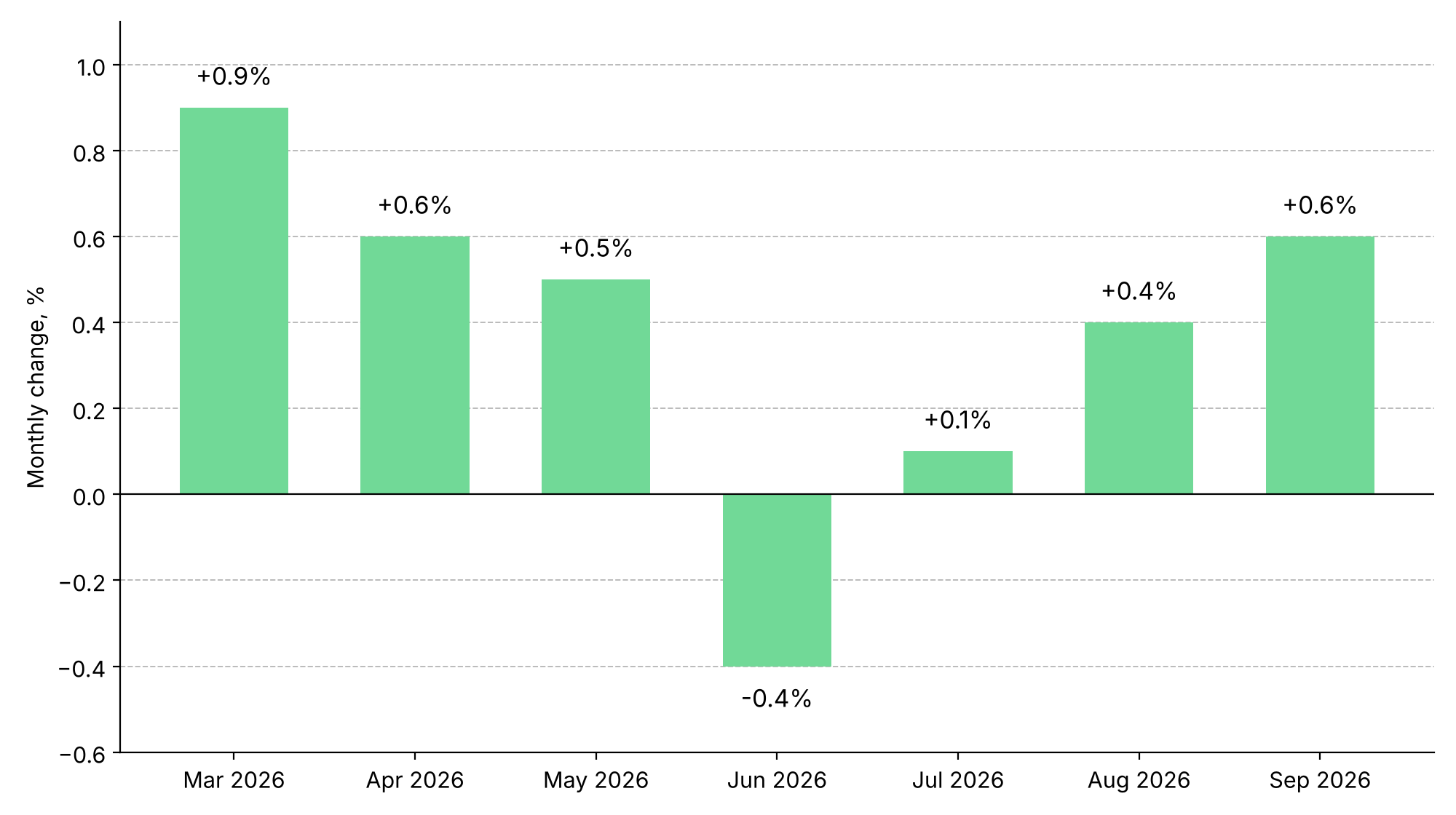
Energy-driven inflation can pressure gold by prompting Fed hikes, which make interest-paying assets more attractive and can strengthen the dollar. The Fed raised its target range by 25 basis points to 3.75%-4.00%; John Williams, President of the New York Fed, said another hike may be needed this year. Lower fuel inflation could reduce the need for further hikes, supporting gold’s recovery.
A Fed Hold Could Lift Mining Margins Through Higher Gold Prices
The WGC put Q1 industry-average all-in sustaining costs (AISC) at a record $1,785 an ounce and flagged further energy-cost pressure on margins. Against that pressure, Fawad Razaqzada, Market Analyst at Forex.com, said a dollar peak could support gold’s recovery toward $4,500.
Assuming AISC stays at $1,785, the illustrative margin above sustaining costs rises from $2,315 an ounce at $4,100 gold to $2,715 at $4,500, a $400 gain. A Fed hold on October 27-28 could support recovery if yields and the dollar fall; another hike could pressure gold.
Unhedged open-pit producers would retain the benefit of higher gold prices, but higher diesel costs could offset part of that gain. The recovery opportunity therefore favors low-cost operations with limited diesel exposure, assessed using updated cost disclosures.
Diesel Spikes Favor Mines With Limited Fuel Exposure
Unhedged producers receive less revenue when gold falls, while diesel-heavy open-pit fleets face higher costs when fuel rises. Low-cost mines with limited diesel exposure have more room to protect margins.
Royalties tied to sales value can fall with gold prices, partly cushioning lost revenue. Diesel bills do not automatically fall with gold, leaving fuel-heavy operations with less cost relief.
A Fed hold could support gold if yields and the dollar fall. Quarterly cost reports can lag fuel-price changes, so updated diesel assumptions help avoid overstating margins. Limiting each position’s potential loss preserves the opportunity to benefit from recovery without making portfolio returns depend on one Fed decision.
Analyst's Notes





Subscribe to Our Channel








Stay Informed