




Government Interest Builds Behind a Domestic Salt Mine as Shortfalls Hit Buyers


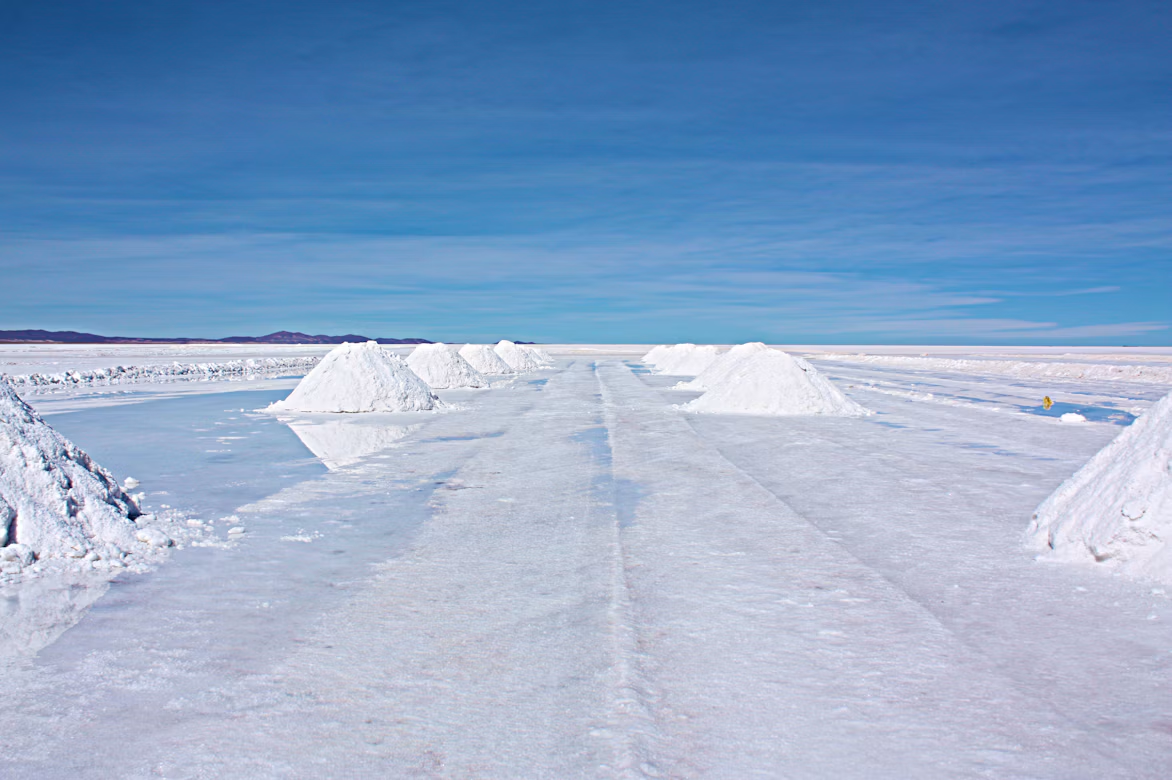
Atlas Salt's Summit inclusion and export-credit letters of interest show public-sector interest in domestic supply as Fairport Harbor tests road salt buyers.
- Morton Salt shut its Fairport Harbor mine in Ohio in late October after water entered the mine, putting deliveries to 6 Northeast Ohio counties in doubt.
- Mahoning County's allocation would fall to about 2,500 tons, down from 8,000 to 10,000 tons, if Morton divides the roughly 50,000 tons it holds on the ground across the 6 counties.
- The last new North American salt mine opened in 2001, and 5 salt mines sit partly or entirely beneath the Great Lakes.
- Procurement and trade policy have shifted, with road salt tariffs removed, an Ohio second-round bid at US$155 per ton, and West Virginia authorizing purchases of up to US$175 per ton.
- Atlas Salt's Great Atlantic Salt Project was included in the Canada Investment Summit Prospectus in September 2026, and the company cites more than C$300 million of non-binding financing interest.
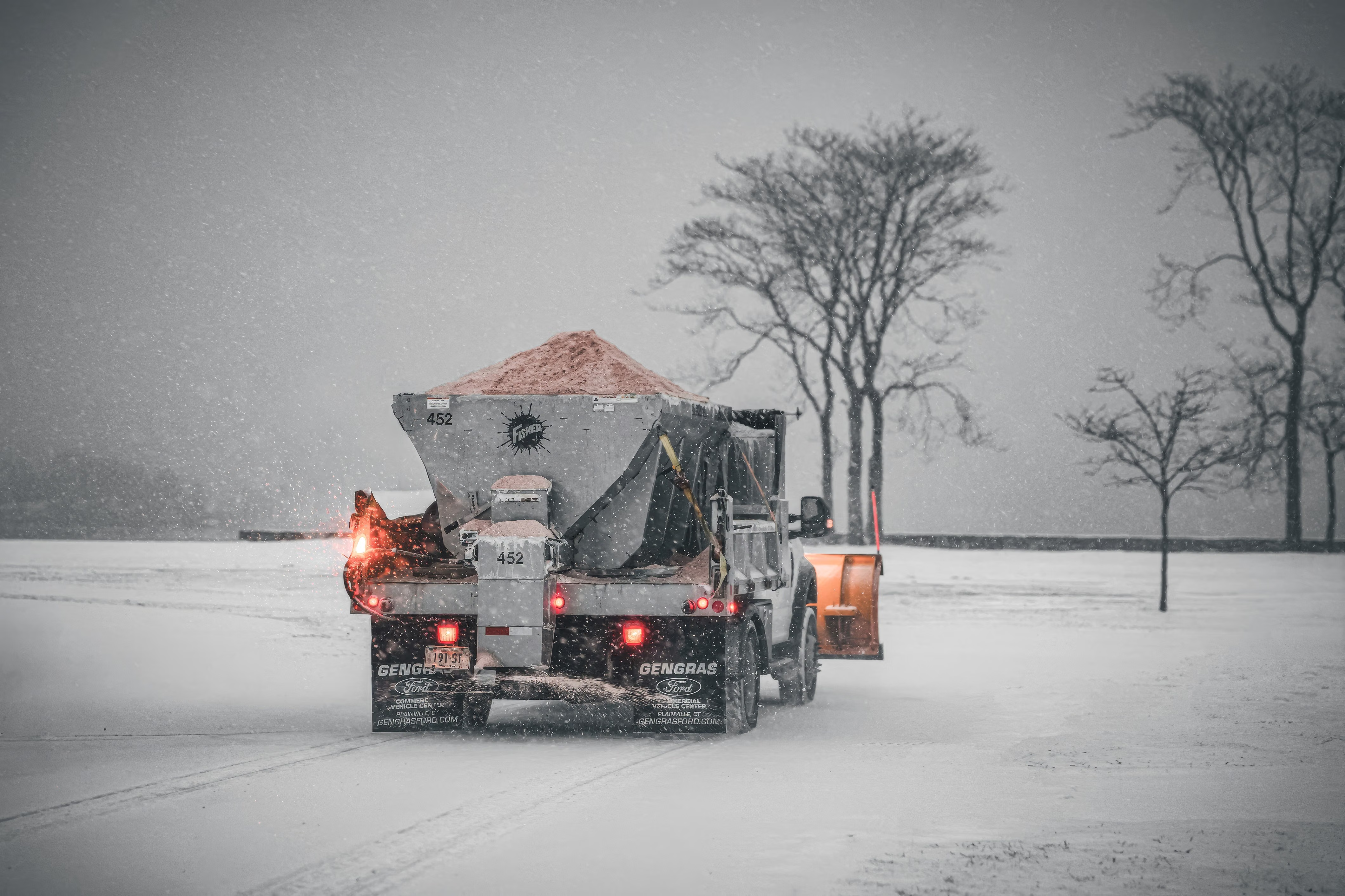
Cities, counties and state agencies buy road salt through public contracts, so an interruption at a single mine reaches a budget and a road-safety obligation within one season, and the pressure appears first in public tenders.
That pressure has been visible in Ohio since late October. Morton Salt shut its Fairport Harbor mine after water flowed through a crack in the ceiling, and Mahoning County Engineer Pat Ginnetti has told county commissioners it might not reopen. No employees were injured, 77 jobs were lost, and deliveries of tens of thousands of tons to 6 Northeast Ohio counties are in doubt.
Governments and public-capital institutions are also engaging on the supply side. In September 2026, Atlas Salt (TSXV: SALT | OTCQX: SALQF | FSE: 9D00) was included in the prospectus of the Canada Investment Summit, a first-of-its-kind national investment forum, one example of how public interest in domestic salt supply is forming.
Industry Context
Supply has narrowed since 2021. Cargill's Avery Island mine in Louisiana ceased production in 2021, removing 2.5 million tons a year of supply to the US East Coast, and Cargill's remaining New York and Cleveland assets remained unsold as of August 2024 because of environmental risks.
New capacity has been rare. American Rock Salt in New York, the last new mine to open in North America, began production in 2001. In the Great Lakes region, 5 salt mines lie partly or entirely beneath waterways: Fairport Harbor, Detroit, and Cleveland, and 2 in Ontario; the Fairport Harbor mine lies about 610 meters beneath Lake Erie. Imports from Egypt, Mexico, the Caribbean, and Chile supplement domestic production, and the US imported 67.5 million tonnes of salt from 2020 to 2023.
Emerging Practices & Industry Progress
Procurement and trade policy have shifted. According to August 2025 reports, New York did not apply the Buy American Salt Act preference in its new contract, citing shortages as one reason. The US has also removed tariffs on road salt, according to September 2026 reports. Governments and institutional investors convened at the Canada Investment Summit, hosted in Toronto on September 14 and 15, 2026, by the Prime Minister of Canada with CPP Investments and PSP Investments, to mobilize long-term capital, advance strategic projects, and strengthen supply chains.
Remaining Challenges
Mines beneath the Great Lakes carry water-intrusion risk, which already materialized in 2017 at Cargill's Whiskey Island mine. Weeks after the closure, Morton Salt officials say they still cannot find the source of the water that entered Fairport Harbor. With few new mines arriving, the next test is execution: building mines that can replace lost capacity.
Chief Executive Officer and Director of Atlas Salt, Nolan Peterson, links the aging mine base to years of underinvestment:
"The mines are quite old; they have operational challenges that we all know about. And so, the industry just carries on trucking away. That means that there's been chronic underinvestment because people don't want to rock the boat."
The Fairport Harbor mine produced about 1.3 million tons of rock salt a year, and Morton reports about 50,000 tons on the ground, roughly 25% to 30% of the contracted total, which it wants to divide among the 6 counties. Public buyers also face uncertain pricing. In the first round of Ohio bids, 18 counties received no offers, and a second-round bid came in at US$155 per ton. Mahoning County Engineer Pat Ginnetti has called the Fairport problem a possible recurring one and predicts that buying salt elsewhere in November could cost 4 to 5 times the contracted rate or more.
Company or Project Examples
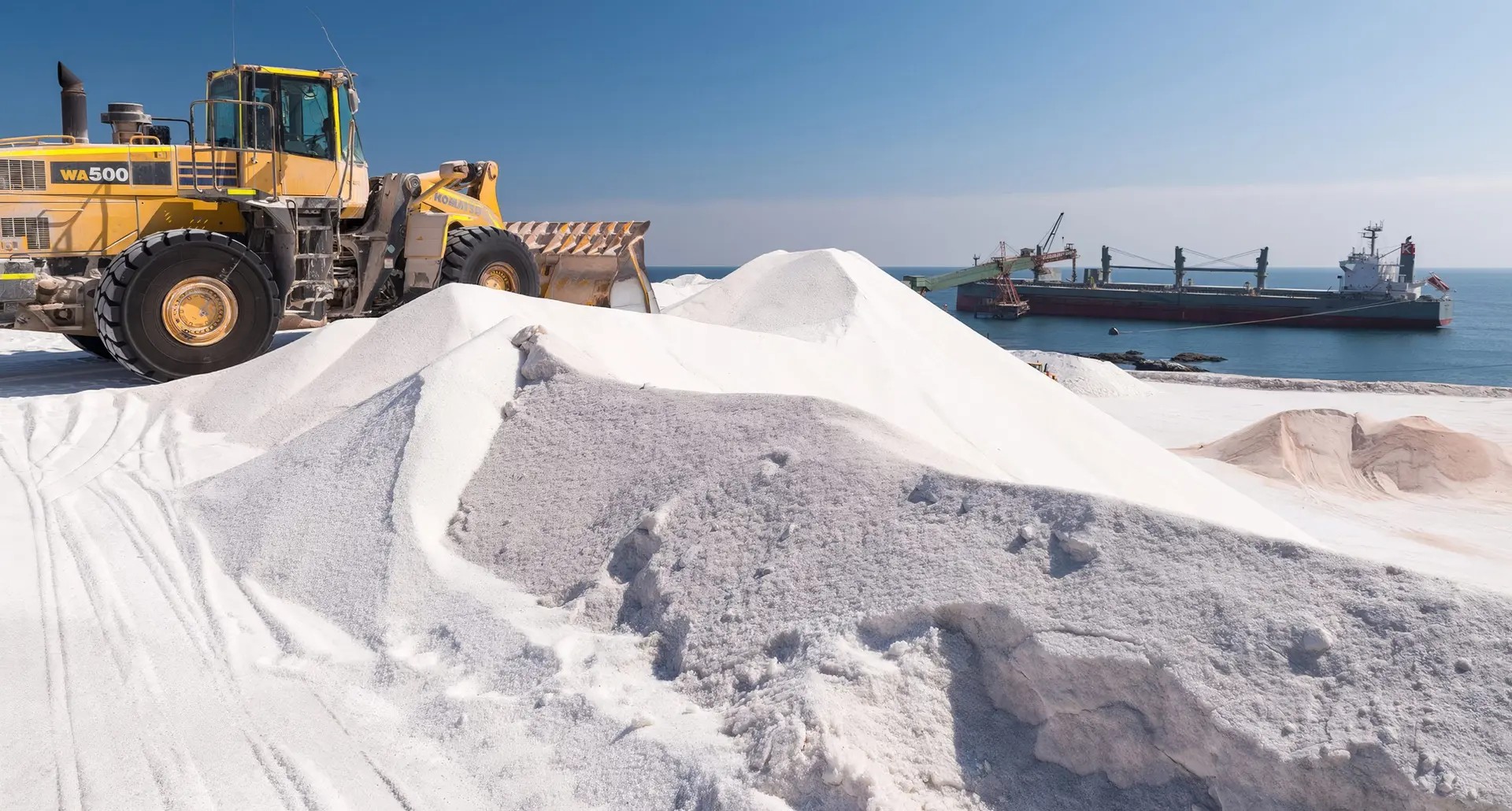
Atlas Salt is developing the Great Atlantic Salt Project in Newfoundland and Labrador to produce 4 million tonnes a year of road salt for Eastern Canada and the US Northeast over a 24.3-year mine life, with 95.0 million tonnes of reserves at 95.9% sodium chloride. The 2025 updated feasibility study shows initial capital of C$589 million and an after-tax net present value at an 8% discount rate of C$920 million, and the company is targeting production by 2030. The same study estimates North American de-icing demand at 28.5 million to 36 million tonnes a year, with imports of 8 million to 10 million tonnes, and Great Atlantic is 3 days from Boston by ship, against more than 14 days from Egypt or Chile.
Public-sector interest has formed around the project. The Government of Newfoundland and Labrador nominated Great Atlantic for the Summit prospectus, and the provincial environmental assessment was released with conditions in April 2024 after about 2 months of review. Senior debt letters of interest total up to C$225 million, with C$150 million from Export Development Canada and C$75 million from an export credit agency wholly owned by its national government, and a letter of interest from Sandvik covers mining equipment valued at C$79 million, including C$45 million of capital equipment. The company cites more than C$300 million of non-binding financing interest in total, and Endeavour Financial is engaged on project finance.
The company is targeting more certainty on financing by the end of 2026, along with progress on the offtake structure sought by the market and lenders. A memorandum of understanding with Scotwood Industries, the largest distributor of packaged retail de-icing salt in the US, targets volumes of 1.25 million to 1.5 million tonnes per year.
Peterson sees support in the region as an advantage for the project:
"We have very strong support in the region. We have strong government support. The jurisdiction is very strong."
Regional or Jurisdictional Perspective
In Ohio, the Department of Transportation administers the contract and has said it is confident there will be enough salt this year, with 73% of statewide storage on hand. Columbiana County is unaffected because it contracts with a different company, while Trumbull County relied entirely on the Fairport Harbor mine and gets about 30,000 tons a year from it, against a stockpile of around 14,000 tons, according to Trumbull County Engineer David DeChristofaro.
West Virginia has authorized purchases of up to US$175 per ton, up from US$88.38 in 2025 and US$77.69 in 2024. Reports from January and February 2026 describe Ontario municipalities running low on salt. The Fraser Institute rated Newfoundland and Labrador the 9th-best mining jurisdiction globally in 2025, based on mineral content and government policy alignment.
Industry Outlook
Adding domestic supply requires permits, offtake, and financing to come together, and public-sector interest at the letter-of-interest stage has not yet reached binding commitments. Binding financing and offtake agreements are the next milestones for developers, and buyers will watch tender results and storage levels each autumn for the first read on supply.
FAQs (AI-Generated)
Analyst's Notes





Subscribe to Our Channel




Stay Informed


