




GR Silver Mining & The Execution Divergence: Why the San Marcial Expansion Matters for Valuation


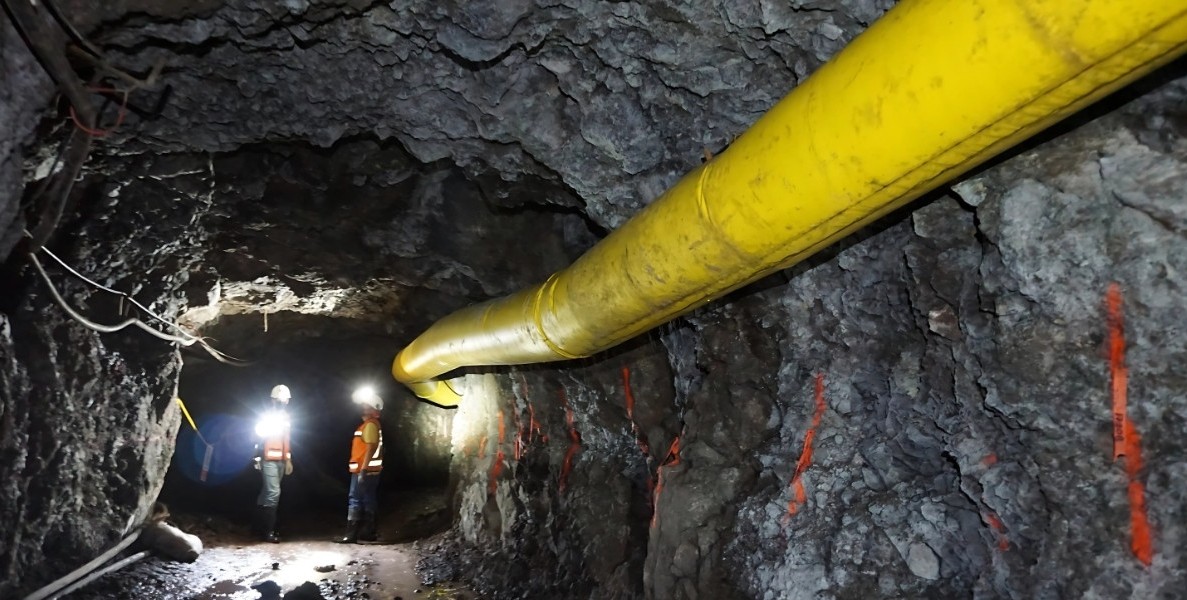
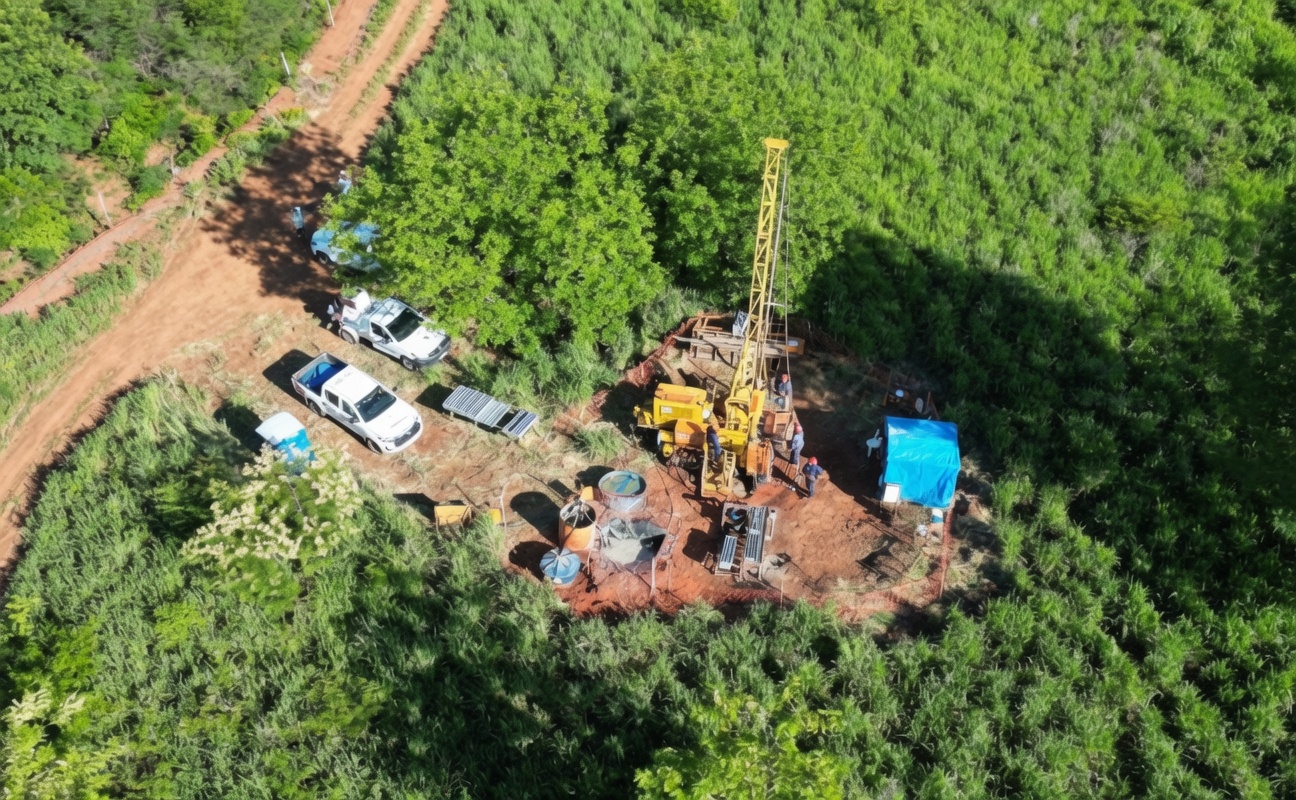
GR Silver Mining Ltd. is executing its 20,000-meter drilling campaign, leveraging Durango logistics and past-producing mine infrastructure to expand its silver concessions in Mexico.
- GR Silver Mining held C$27.5 million in cash and zero debt as of March 31, 2026, supporting its 20,000-meter drilling program and planned engineering studies.
- The company reported an Enterprise Value (EV) of US$1.02 per in-situ ounce of silver, compared with a selected-peer average for silver developers of US$2.58 per ounce as of July 27, 2026.
- Step-out drilling extended high-grade silver mineralization at least 150 meters southeast of the 2023 Mineral Resource Estimate (MRE) boundary, including 21.9 meters true width grading 168 grams per tonne silver.
- GR Silver Mining is conducting a Bulk Sample Test Mining (BSTM) program across 21 accessible underground areas at Plomosas, supported by existing permitted underground workings and road access.
- The company's next major milestones are the ongoing 20,000-meter drill program, a late-2026 Mineral Resource Estimate (MRE) update, and a Preliminary Economic Assessment (PEA) in the first half of 2027.
What Has Happened
As of March 31, 2026, GR Silver Mining Ltd. (TSXV: GRSL; OTCQX: GRSLF; Frankfurt: GPE) held C$27.5 million in cash and zero debt. This cash reserves balance provides the company with a secure operational runway, meaning it can advance its systematic 20,000-meter drilling program, update its resource models, and complete its engineering studies without facing immediate dilution or capital constraints. Based on a share price of C$0.355 on August 5, 2026, the company had 509 million shares issued and outstanding, yielding an undiluted market capitalization of C$181 million.
GR Silver Mining Ltd. trades at an Enterprise Value (EV) of US$1.02 per in-situ ounce of silver as of July 27, 2026, a 60% discount to the selected silver developer peer average of US$2.58 per ounce. This is a benchmark against a selected peer group rather than an independent market valuation, and the peer set is company-defined. Closing that gap depends on two disclosed catalysts: the Mineral Resource Estimate (MRE) update, which converts step-out intercepts into categorized ounces, and the Preliminary Economic Assessment (PEA), which attaches initial capital and operating cost estimates to those ounces.
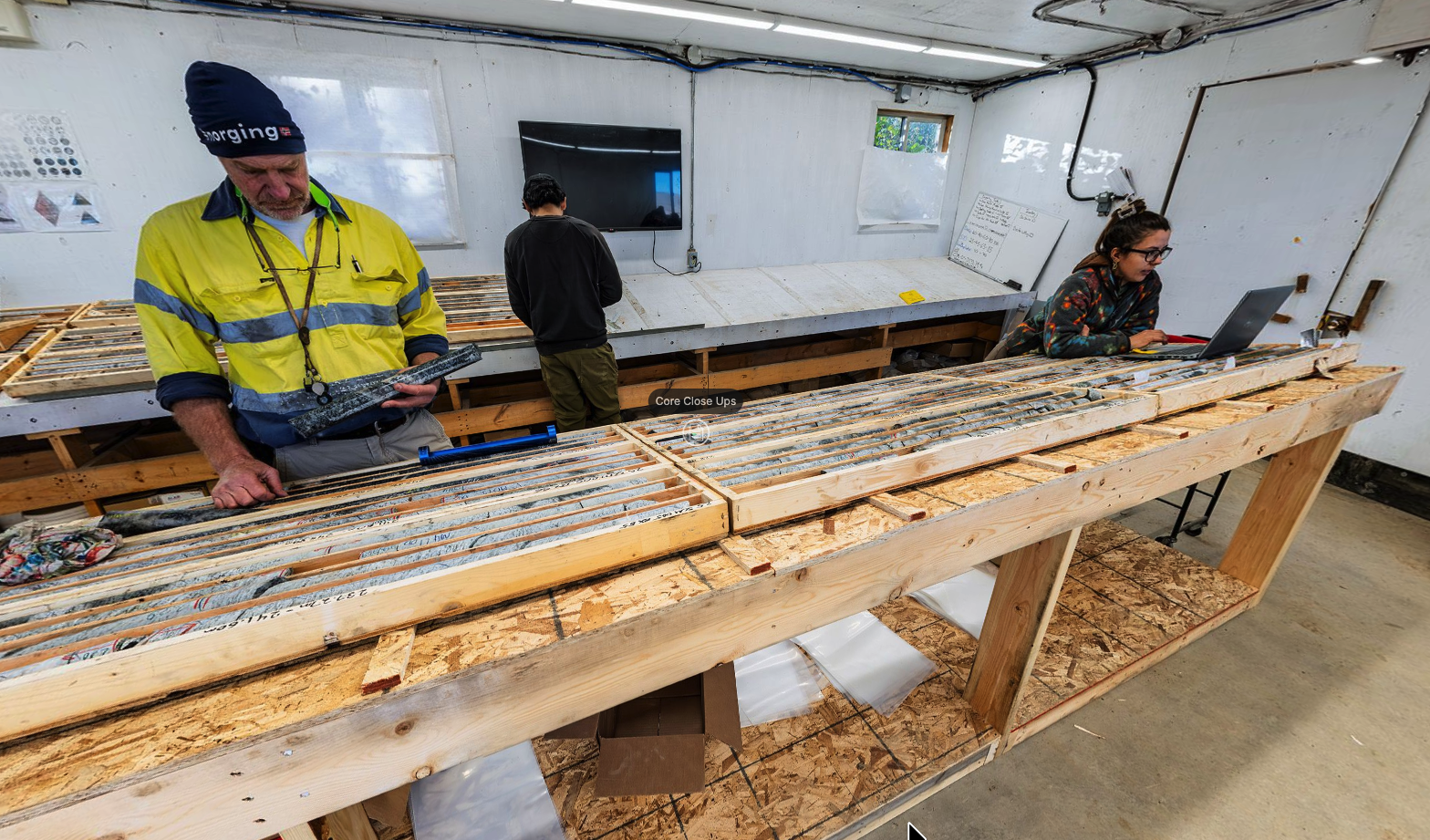
Step-out drill results confirm that high-grade silver mineralization extends at least 150 meters southeast of the 2023 MRE boundary, physically expanding the geologically defined volume of the deposit. A key step-out drill hole intersected 21.9 meters true width grading 168 grams per tonne silver and 1.41% zinc, including a higher-grade interval of 6.15 meters true width grading 447 grams per tonne silver and 0.85% zinc. This lateral extension of chlorite-hematite hydrothermal breccia proves the continuity of the mineralization beyond the current resource envelope, lowering the risk of resource depletion and providing immediate, higher-grade inputs for the late-2026 MRE update.
Converting Structural Geology Into Mine Economics
The geological mechanism controlling the San Marcial resource expansion is lateral stratigraphic continuity within chlorite-hematite hydrothermal breccias. The company reports that mineralization is hosted at the stratigraphic contact between the upper Oligocene volcanic sequence and the lower Jurassic volcano-sedimentary sequence, as well as in deeper hydrothermal breccias and stockworks. This stratigraphic control allows the exploration team to predict and intercept mineralization along strike, lowering the average unit discovery cost to US$0.12 per ounce of silver and increasing drilling efficiency.
Within this stratigraphic envelope, structural inflection and dilation zones act as traps, concentrating ultra-high-grade silver mineralization into highly profitable zones. A highlight step-out drill hole completed in the Southeast Extension target returned 45.1 meters true width grading 1,623 grams per tonne silver, including a high-grade core of 8.25 meters true width grading 8,579 grams per tonne silver, 1.6% lead, and 5.5% zinc. These thick, high-grade dilation traps support highly selective underground mining methods, which minimize run-of-mine dilution and reduce the initial capital expenditure required for milling facilities in the upcoming Preliminary Economic Assessment (PEA).
President and Chief Executive Officer of GR Silver Mining Ltd., Eric Zaunscherb, expressed high conviction regarding the exceptional scale and thickness of these structural dilation intercepts:
"A couple of weeks ago, we announced that we had an intersection of 45 meters of 1.6 kilos of silver, including 8.2 meters of 8.5 kilos of silver. You don't see intersections like that too often."
Reusing Underground Workings & Bypassing Permitting Barriers
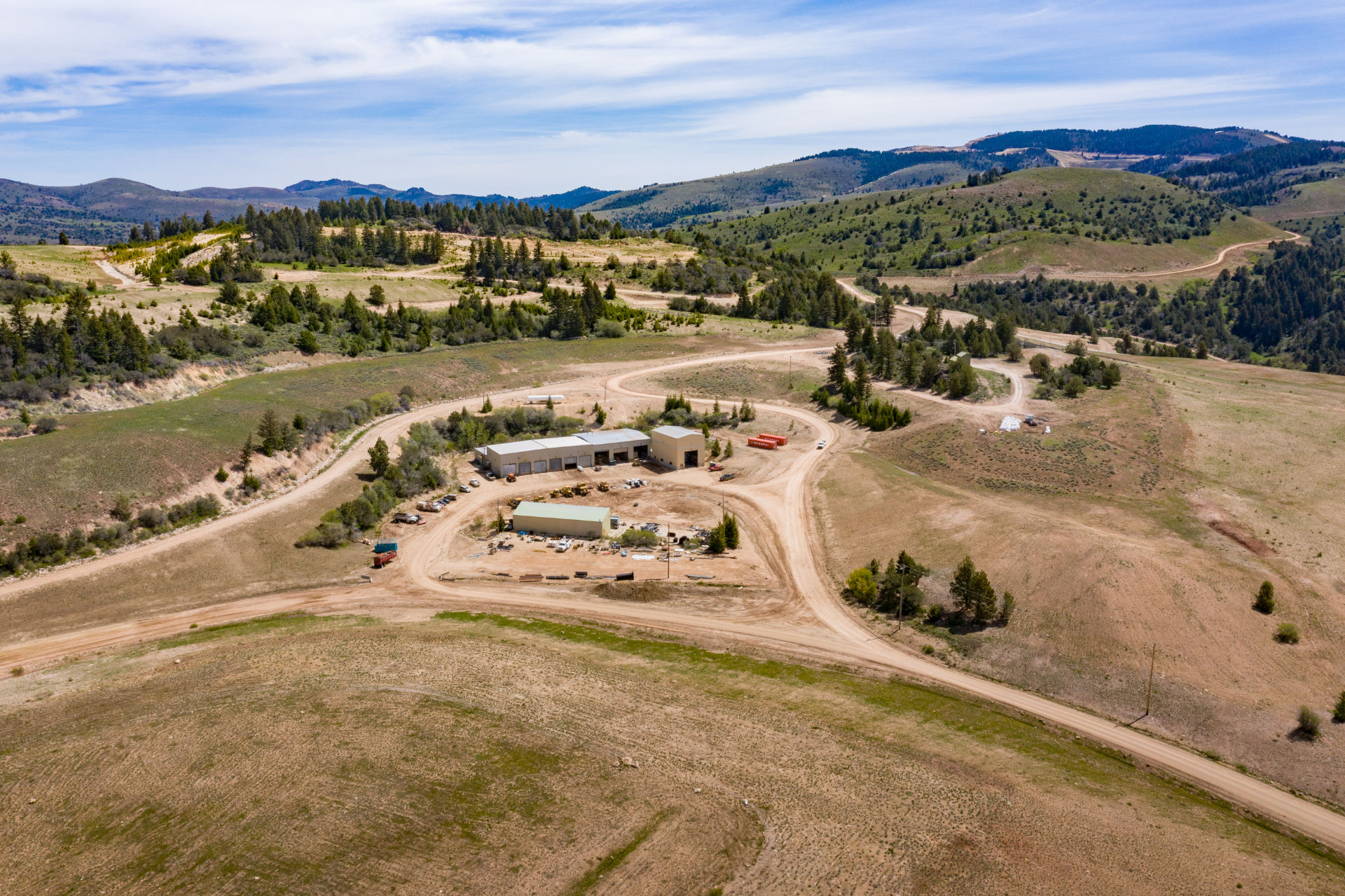
To bypass the capital-intensive and time-consuming environmental permitting processes in Mexico, which typically require 5 to 7 years for greenfield concessions, GR Silver Mining Ltd. is planning the re-use of past-producing mining assets. The past-producing Plomosas mine, located north of San Marcial, provides the company with permitted, accessible underground workings and road infrastructure. IMMSA, a subsidiary of Grupo Mexico, mined over 2.5 million tonnes of ore at Plomosas from 1986 to 2000, producing over 67,000 tonnes of lead concentrate and 31,000 tonnes of zinc concentrate using room-and-pillar mining.
The company is conducting a Bulk Sample Test Mining (BSTM) program across 21 accessible underground areas, drawing on existing permitted workings and road access to refine the metallurgical parameters of the deposit. This bulk sampling program is supported by a key regulatory milestone, as Mexico's Environment Ministry, Secretaría de Medio Ambiente & Recursos Naturales (SEMARNAT), ruled in a directive that a new Environmental Impact Authorization is not required for Plomosas. This regulatory waiver eliminates multi-year permitting delays and saves the company millions of dollars in greenfield development costs, directly accelerating the path to commercial cash flow.
Reusing this extensive underground infrastructure minimizes initial capital requirements, allowing the upcoming first half of 2027 PEA to model a lower capital expenditure (CAPEX), faster-payback development plan. By avoiding the need to excavate a new decline, the company can direct its cash reserves toward resource-defining drilling rather than expensive underground civil engineering, protecting the capital structure from dilutive share issuances.
Residual Technical & Capital Structure Risks
A rigorous institutional evaluation of GR Silver Mining Ltd. requires balancing its rapid development milestones against several technical and capital structure risks. First, the company's capital structure is subject to potential warrant dilution; as of August 5, 2026, there are 119 million warrants outstanding with an average weighted exercise price of C$0.25, representing a potential 23% dilutive overhang relative to the 509 million shares outstanding. This warrant overhang could temporarily cap upward share price appreciation if warrant holders systematically exercise and liquidate their positions as the share price trades above the strike price.
Second, metallurgical reconciliation remains a key technical challenge because of distinct mineralogical recovery profiles across different zones of the project. According to the terms of reference in the August 2026 corporate presentation, the Plomosas Mine Area uses recovery assumptions of 74% silver, 86% gold, 69% lead, 75% zinc, and 80% copper, whereas the adjacent San Marcial Area reports recovery assumptions of 94% silver, 0% gold, 59% lead, 80% zinc, and 0% copper. Reconciling these different ore mineralogies in a unified flowsheet requires separate processing circuits, which may increase initial processing CAPEX in the upcoming PEA.
Third, while wide-spaced step-out drilling has successfully extended mineralization at least 150 meters southeast of the boundary, there is geological uncertainty regarding the conversion of these wide-spaced intercepts. There is no guarantee that these intercepts will convert into categorized Indicated or Inferred resource blocks at equivalent grades in the late-2026 MRE update. Finally, because the company has not yet published its initial economic study, all capital and operating expenditure projections are based on preliminary engineering assumptions rather than cash-flow-guaranteed economic metrics, leaving the project economics unproven until the first half of 2027.
What to Watch Next
GR Silver Mining is advancing a defined 12-month sequence of drilling, resource, and economic milestones. Zaunscherb detailed the sequential catalyst pipeline leading to this initial project economic model:
"Over the next 12 months, we have a good number of catalysts. So we have a 20,000-metre drill program. We're going to have constant news flow from that. That will be followed by a mineral resource estimate update, which will then be followed by a Preliminary Economic Assessment."
The 20,000-meter drill program is intended to establish physical continuity ahead of the late-2026 Mineral Resource Estimate update, followed by the first half of 2027 PEA to test project economics. In parallel, the company adopted a new Advance Notice Policy on August 18, 2026, establishing a structured framework for director nominations ahead of its Annual General Meeting scheduled for October 21, 2026.
FAQs (AI-Generated)
Analyst's Notes





Subscribe to Our Channel




Stay Informed






